Our verdict
A Spanish Name in a Japanese City Takaoka sits in Toyama Prefecture on the Sea of Japan coast, a city better known for its centuries-old Buddhist bronzeware and lacquerware traditions than for its restaurant scene. That makes the arrival of a...

Pearl is the En Primeur Club membership app, where members save venues, book tables and use the concierge.
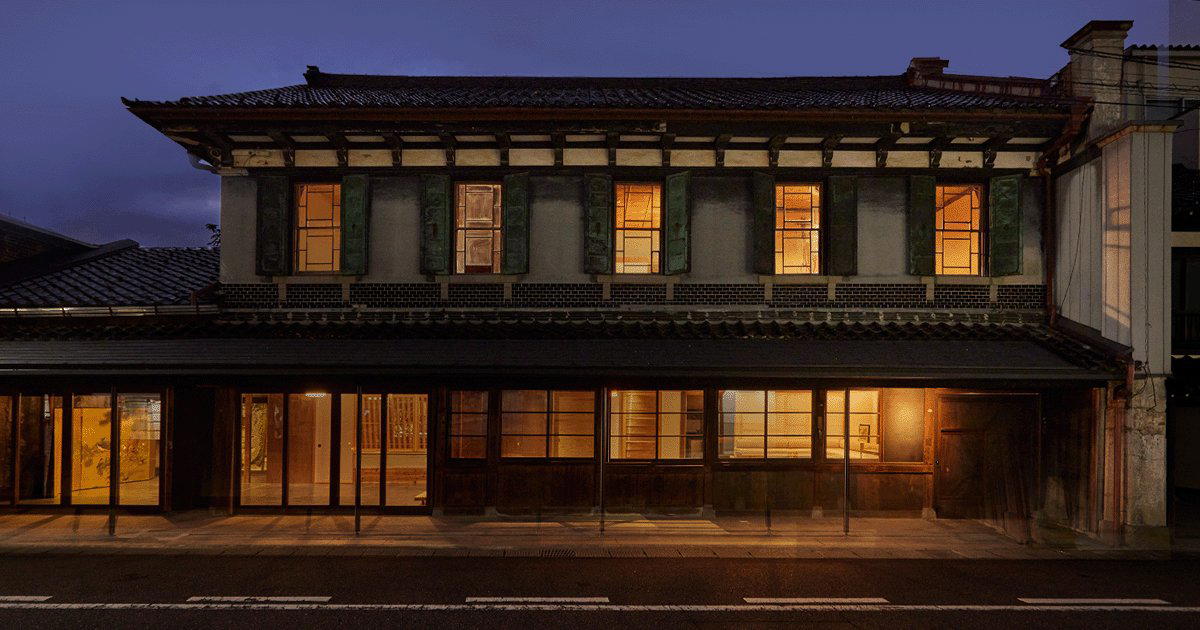
A Spanish Name in a Japanese City
Takaoka sits in Toyama Prefecture on the Sea of Japan coast, a city better known for its centuries-old Buddhist bronzeware and lacquerware traditions than for its restaurant scene. That makes the arrival of a venue with a Spanish-language name, Ahora Aquí, meaning "here and now", a genuinely curious proposition in a city where most serious dining still follows the formats that Toyama’s seafood abundance has always dictated: sushi counters, izakayas, and seasonal kaiseki rooted in the prefecture’s agricultural and maritime produce.
Toyama Bay is one of Japan’s most productive fishing grounds, pulling in white shrimp (shirobi or white ebi, sometimes called Toyama’s jewels), firefly squid from March through May, and yellowtail through the winter months. Any kitchen operating here, regardless of its culinary register, is working in a region where ingredient provenance is not a talking point but a daily practical reality. The Bay’s depth and cold-current upwellings produce seafood with a flavour intensity that supplies restaurants far beyond Toyama’s city limits.
Where Ingredient Geography Meets Culinary Identity
Across Japan, a pattern has emerged in which kitchens with non-Japanese culinary frameworks set up in regional cities not to escape ingredient quality but to access it more directly. The logic is structural: in cities like Tokyo and Osaka, sourcing premium Toyama Bay seafood requires working through multiple intermediaries and paying the freight and markup of a major metropolitan supply chain. A kitchen based in Takaoka or nearby can approach those same producers with fewer layers between kitchen and boat. This is the same reasoning that has produced thoughtful smaller-city restaurants in cities like Akita (see affetto akita in Akita) and Oita (see Aji Arai in Oita), where regional produce specificity drives menus that metropolitan equivalents cannot fully replicate.
Ahora Aquí’s address places it in the Onmadashimachi district of central Takaoka, a part of the city shaped by its historical merchant quarter and close to the Kanazawa-Takaoka cultural corridor. That corridor has become increasingly relevant as visitors to Kanazawa’s art and craft scene extend itineraries north into Toyama Prefecture, and Takaoka’s accessibility by Shinkansen from Kanazawa and Osaka has made it a realistic stop for travellers with serious dining priorities rather than a purely incidental one.
Regional Produce and the Coastal Kitchen
Toyama Prefecture’s reputation among Japanese chefs is built on seafood specificity rather than volume. The white shrimp season, the firefly squid migration windows, the specific yellowtail fat content achieved in cold-water months: these are ingredients with narrow seasonal windows and a strong sense of place that reward kitchens attentive enough to work within their natural rhythms rather than against them. Compare this with the sourcing reality for venues operating at the top of Japan’s urban dining hierarchy: Harutaka in Tokyo and Gion Sasaki in Kyoto both operate at price points where premium regional produce is expected, but accessing Toyama’s hyperlocal seasonal windows from those distances requires logistical coordination that a Takaoka-based kitchen can bypass entirely.
For restaurants working in Spanish, French, or broadly European culinary registers, the challenge in Japan has historically been whether non-Japanese frameworks can engage with Japanese ingredient seasons with real depth, or whether they default to imported produce and local ingredients as garnish. The more convincing operations in this space, from HAJIME in Osaka to akordu in Nara, have tended to resolve that tension by letting the Japanese ingredient calendar drive menu structure and treating imported technique as a tool rather than an identity statement.
Takaoka’s Dining Scene in Context
Takaoka’s restaurant scene is not large, and its higher-end tier is concentrated enough that a single venue of serious ambition registers prominently. Among the restaurants the EP Club editorial team has assessed in the city, Tsumama and Ajimi Sushi represent the city’s more established dining options. A venue operating with a different culinary language in the same city occupies a different position in the local hierarchy, appealing to a visitor set and a local audience that may be actively seeking something outside the traditional formats that Toyama’s seafood culture naturally produces.
That visitor dynamic matters more in Takaoka than it might in a larger city. The opening of the Hokuriku Shinkansen extension, which brought faster connections between Kanazawa, Takaoka, and eventually Tsuruga, has shifted the city’s tourism exposure. Travellers arriving with detailed culinary itineraries, aware of venues like Goh in Fukuoka or Abon in Ashiya, approach Takaoka with higher baseline expectations than was typical a decade ago.
Planning a Visit
Visitors planning a trip to Takaoka should verify current opening days, booking channels, and pricing directly before making arrangements. Given the city’s scale, it is worth building a Takaoka stop around confirmed reservations rather than treating dining as something to figure out on arrival. The EP Club full Takaoka restaurants guide covers the broader scene and provides context for which types of venues in the city require advance planning. Takaoka is reachable by Shinkansen from Kanazawa (under 30 minutes on the Hokuriku line) and connects onward toward Tokyo or Osaka, making it a practical inclusion in a multi-city itinerary. The Toyama seafood seasons that peak in late winter and spring, particularly for firefly squid and white shrimp, represent the strongest argument for timing a visit between March and May if seafood provenance is a priority.
For broader comparison across Japan’s regional dining scene, the EP Club has covered venues in comparable mid-size cities including aki nagao in Sapporo, Amaki in Aichi, Amegen in Saga, Akakichi in Imabari, and Ajidocoro in Yubari District. Internationally, the format of European-trained kitchens applying rigorous sourcing principles to specific regional terroir has parallels in venues like Le Bernardin in New York City and Lazy Bear in San Francisco, both of which have built reputations on the relationship between sourcing discipline and culinary identity.
Frequently asked questions
Is Ahora Aquí suitable for children?
Ahora Aquí is located at 68 Onmadashimachi in central Takaoka, a historically layered district that skews toward adult visitors.
What should I expect atmosphere-wise at Ahora Aquí?
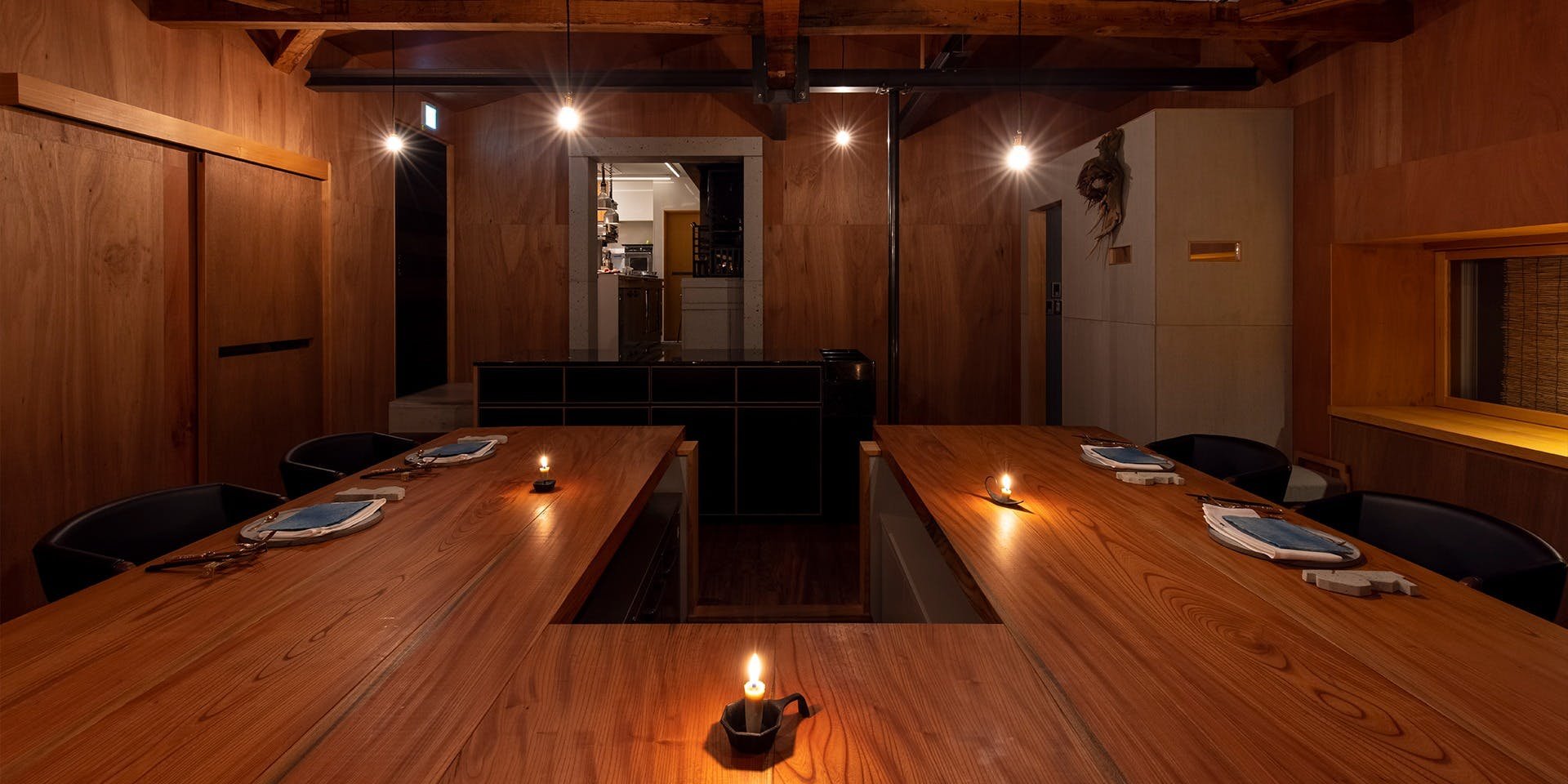
The Onmadashimachi address places the venue in one of Takaoka's older central precincts, a city defined by its Buddhist bronzeware and lacquerware heritage rather than urban density. A Spanish name in this setting signals deliberate contrast rather than accident, which tends to produce interiors that are considered rather than inherited.
Why does a restaurant in Takaoka have a Spanish name?
Ahora Aquí translates from Spanish as 'here and now,' a phrase with a track record in contemporary dining contexts as shorthand for present-tense, ingredient-led cooking, produce driven by what is available rather than by fixed seasonal menus. Takaoka, while not a headline dining city, sits within Toyama Prefecture's coastal supply chain, which gives a kitchen with that philosophy meaningful raw material to work with.
What should I eat at Ahora Aquí?
Any kitchen operating in Toyama Prefecture has access to one of Japan's more specific coastal larders: white shrimp with a narrow seasonal window, firefly squid, and cold-water fish from the Sea of Japan. A venue with a Spanish-language name in this context suggests a framework that foregrounds sourcing over strict national cuisine categories, though that remains editorial inference rather than confirmed fact.
Fast Comparison
Comparable venues nearby, for context on price, style, and recognition.
| Venue | Cuisine | Price | Awards | Notes |
|---|---|---|---|---|
| Ahora AquíThis venue (the venue you are viewing) | Modern French-Japanese Fusion | $200–300 | Not listed | Not listed |
| Tsumama | Traditional Toyama Bay Sushi | $50–100 | Not listed | Takaoka |
| 味喜寿し | Traditional Toyama Sushi | $50–100 | Not listed | Jōtō |
| 串家物語 イオンモール高岡店 | 串揚げビュッフェ | $10–20 | Not listed | 高岡市 |
| Yakitori Saneyuki | Yakitori | $30–50 | Tabelog 100 #83 | Takaoka |
| ダ ゼロ | Natural Italian | Not listed | Tabelog 100 #67 | Sakawa-cho, Takaoka-gun |
Continue exploring
More in Takaoka
Restaurants in Takaoka
All restaurants in Takaoka →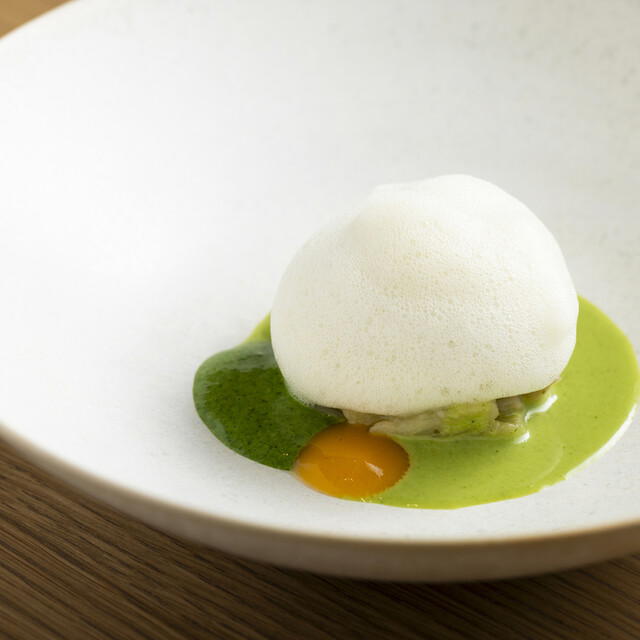
Hotels in Takaoka
Browse all →

Wineries in Takaoka
Browse all →
Details
- Elegant
- Intimate
- Historic
- Special Occasion
- Date Night
- Celebration
- Historic Building
- Private Dining
- Sake Program
- Local Sourcing
- Garden
- Tasting Menu
- Prix Fixe
- Sake
- Wine
Current opening hours
- Monday
- Closed
- Tuesday
- 12–3 PM, 6–11 PM
- Wednesday
- 12–3 PM, 6–11 PM
- Thursday
- 12–3 PM, 6–11 PM
- Friday
- 12–3 PM, 6–11 PM
- Saturday
- 12–3 PM, 6–11 PM
- Sunday
- Closed
Hours can change for holidays and private events. Hours as of .
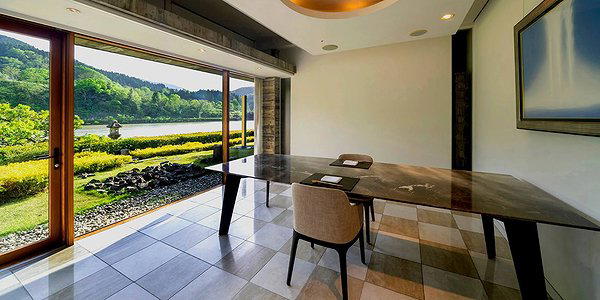
Luxurious atmosphere in a beautifully renovated historic earthen building with Western design elements, overlooking a serene Japanese garden.