
Tabelog 100 #67
Our verdict
Sakawa Town and the Quiet Pull of Rural Kochi Kochi Prefecture occupies the southern face of Shikoku, an island that the rest of Japan treats as a slow detour rather than a destination. That relative obscurity has preserved something: a farming...

Pearl is the En Primeur Club membership app, where members save venues, book tables and use the concierge.
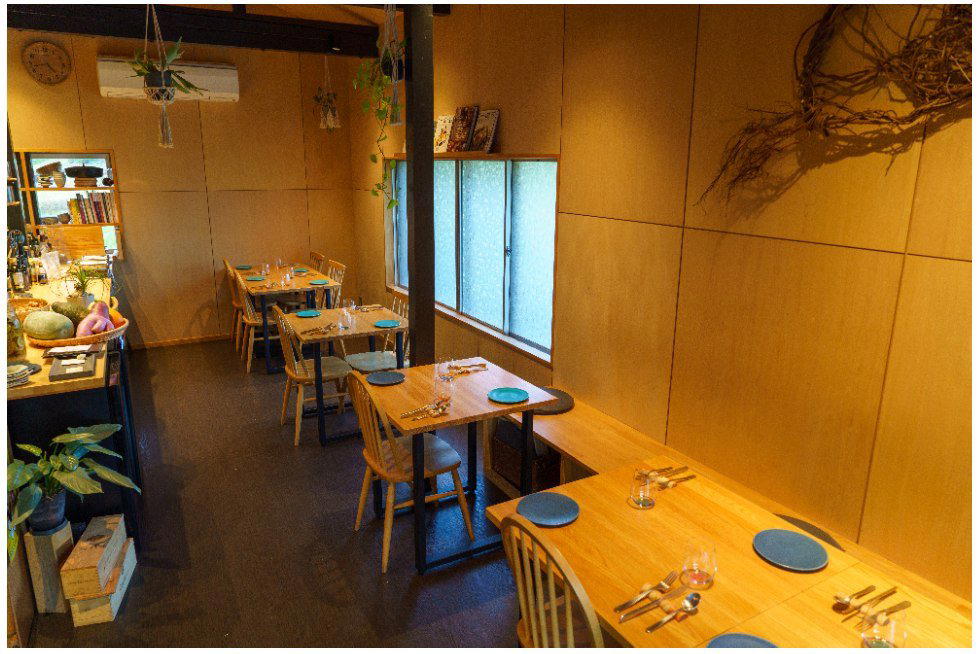
Sakawa Town and the Quiet Pull of Rural Kochi
Kochi Prefecture occupies the southern face of Shikoku, an island that the rest of Japan treats as a slow detour rather than a destination. That relative obscurity has preserved something: a farming and fishing culture that operates closer to its own rhythms than the supply chains connecting Tokyo's wholesale markets to the rest of the country. Sakawa, a small town in Takaoka District set against forested hillsides in the Niyodo River basin, sits inside that preservation. The ingredients moving through this area reflect what the land and water here actually produce, and restaurants working within that system occupy a different relationship to sourcing than their counterparts in Osaka or Kyoto.
Da Zero (ダ ゼロ), located at 3051 Hei in Sakawa, operates in this context. The name, rendered in katakana from the Italian "da zero" (from zero), signals an orientation toward building from a base rather than borrowing from established frameworks. In a prefecture where Kochi's culinary identity is strongly shaped by bonito, citrus yuzu, and mountain vegetables foraged from the surrounding ranges, a kitchen that takes its foundational cue from the land around it is working in productive territory.
Why Ingredient Provenance Defines Kochi's Dining Character
The sourcing argument for Kochi is not sentimental. The prefecture's geography enforces specificity: the Niyodo River system produces water that is repeatedly cited among the clearest in Japan, the coastal waters off Tosa Bay carry reliable bonito runs from spring through autumn, and the mountainous interior supports a foraging calendar that fills in where the sea leaves off. Restaurants in this area that pay attention to those patterns have access to ingredients that don't travel well to urban markets, which creates a natural advantage over city kitchens, however sophisticated those kitchens may be.
Compare this to the sourcing infrastructure behind heavily awarded urban venues. HAJIME in Osaka works at the intersection of French innovation and Japanese produce at a ¥¥¥¥ price point. Harutaka in Tokyo sources through the specialist networks that supply Tokyo's leading sushi counters. Gion Sasaki in Kyoto operates within Kyoto's seasonal kaiseki tradition, where ingredient timing governs the entire menu structure. Each of those venues has built its sourcing logic around what its city's networks can deliver at the highest tier. A kitchen in rural Kochi builds its logic around proximity: what grows here, what runs through the river here, what the fishing boats landing at Tosa bring in.
That proximity-first approach also appears in smaller venues working at different scales, from akordu in Nara, which frames local Yamato vegetables through a European lens, to Goh in Fukuoka, where the city's access to Kyushu produce shapes a kaiseki format that differs markedly from Kyoto's. In each case, geography shapes the menu before the chef does.
The Setting: Arriving in Takaoka District
Getting to Sakawa requires a deliberate decision. The town sits roughly 30 kilometres inland from Kochi City, accessible by the JR Dosan Line, which runs from Kochi Station through the Niyodo River valley. The train passes rice paddies and forested ridgelines before reaching Sakawa Station, from which the address at 3051 Hei is reachable by local taxi or on foot depending on conditions. There is nothing accidental about arriving here. Anyone making this trip has already committed to the idea that what they find will be worth the specificity of the detour.
That specificity is itself an editorial signal. Venues in regional Japan that draw visitors out of the main tourist circuits tend to do so because their connection to local produce, craft, or tradition is demonstrably stronger than what urban alternatives offer. The restaurant's name, invoking a start from zero, suggests an intention to build the experience from what the immediate environment provides rather than importing a finished concept and overlaying it onto the countryside.
Rural Kochi in the Broader Context of Japanese Regional Dining
Japan's regional dining scene has developed along two tracks over the past decade. The first is the extension of urban fine-dining infrastructure outward, with chefs opening annexes or seasonal formats in scenic locations. The second is a quieter movement of kitchens that are genuinely of their place, drawing ingredients, techniques, and clientele from the local basin rather than replicating a metropolitan template in a rural setting. æ¹é庵 in Takashima and åºç¾½å± in Nishikawa Machi represent that second track in different prefectures. Da Zero, in its Sakawa address and its foundational naming, appears to align with that second track.
Kochi's bonito (katsuo) is processed at Tosa in one of the few remaining centres where the traditional tataki preparation, seared briefly over straw flame (wara-yaki), still functions as a living kitchen method rather than a tourist demonstration. The citrus harvest in autumn, particularly yuzu from the mountain districts, supplies both local kitchens and the wholesale networks that distribute to major cities. Mountain vegetables, including various sansai gathered in spring, provide the seasonal scaffolding that connects Kochi's inland character to the coastal one. A kitchen working with all three categories has access to a sourcing story with genuine depth.
For a wider map of what regional Japanese dining looks like at different scales and cuisine types, our full Takaoka District restaurants guide places venues like Da Zero inside the broader Kochi context. Separately, venues such as äžæ¬æå·å¶ in Nanao and å€ä»å±±ä¹ in Sapporo show how Japan's regional dining traditions map differently across prefectures, each shaped by local produce systems and seasonal calendars that diverge sharply from what you encounter in the major urban circuits.
Planning Your Visit
Booking information, current hours, and pricing for Da Zero are not publicly listed at the time of writing. For a venue at this address in rural Kochi, the practical assumption is that advance contact through local inquiry or regional guides will be necessary rather than optional. Venues of this type in rural Japan frequently operate on reservation-only schedules and may have limited English-language booking infrastructure, which is worth accounting for early in the planning process. The Sakawa area rewards visitors who build time around it rather than treating it as a single-stop detour, given the Niyodo River valley's broader character.
For reference points on what ingredient-forward dining at different price tiers looks like within Japan, Denko Sekka in Hiroshima and Bistro Ange in Toyohashi offer comparable regional-city contexts. For those travelling across multiple countries on a longer itinerary that eventually reaches North America, Le Bernardin in New York City and Atomix in New York City each represent what rigorous sourcing discipline looks like when applied at a large-city fine-dining scale.
Frequently asked questions
Does ダ ゼロ work for a family meal?
Da Zero sits in Sakawa Town, a rural setting in Takaoka District that rewards visitors who travel deliberately rather than casually. The address, 3051 Hei, Sakawa, is not the kind of place you happen upon, which means the crowd skews toward adults making a specific trip. Families with older children who are comfortable in quiet, rural Japanese dining environments are a reasonable fit; those with very young children should factor in the journey from Kochi City and the lack of nearby alternatives.
What's the vibe at ダ ゼロ?
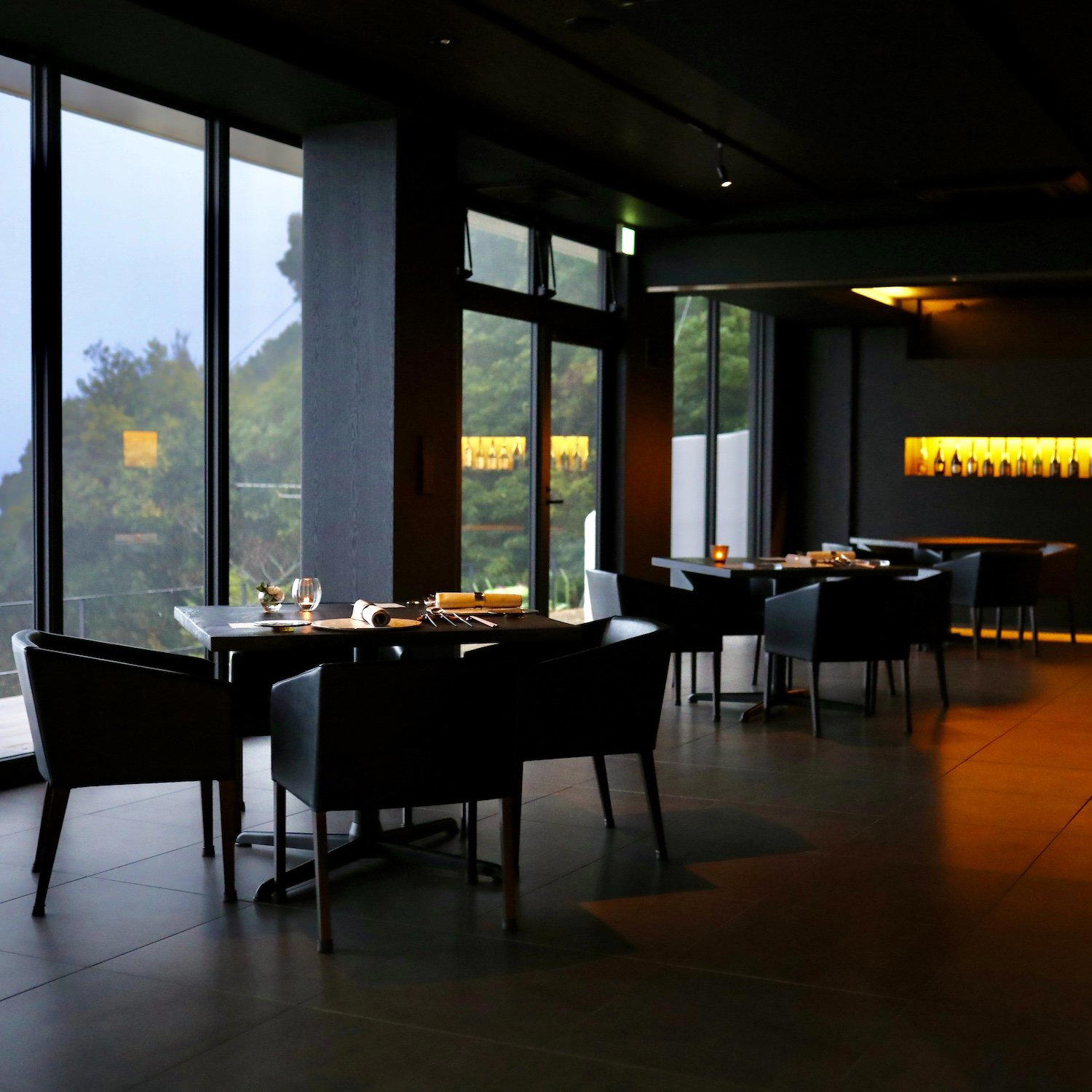
Da Zero occupies a quiet corner of Takaoka District in Kochi Prefecture, a region that self-selects for visitors willing to trade convenience for character. Sakawa Town is inland, unhurried, and shaped by agricultural and river geography rather than tourist infrastructure. Expect a setting that reflects that, low-key, focused on the food, without the ambient noise of a city dining room.
Is ダ ゼロ worth the journey from Kochi City to Sakawa?
Da Zero is located at 3051 Hei, Sakawa, Takaoka District, approximately 30 kilometres inland from Kochi City, accessible by the JR Dosan Line. That distance is not incidental; Sakawa's position in the Niyodo River corridor gives the area an ingredient profile distinct from what coastal or urban Kochi offers. Visitors already committed to exploring Shikoku's regional dining scene, rather than ticking off a single restaurant, will find the logistics proportionate to the experience.
What should I order at ダ ゼロ?
Specific menu details for Da Zero are not publicly listed at the time of writing. Kochi Prefecture's dining identity is built on hyper-local sourcing, ingredients tied to the Niyodo River system, coastal catches from the Pacific, and mountain produce specific to Shikoku's interior, so dishes at venues in this region tend to track seasonal availability closely. Contacting the venue directly before visiting is the most reliable way to understand what's currently on.
What's ダ ゼロ's location?
ダ ゼロ is located at 3051 Hei, Sakawa, Takaoka District, Kochi 789-1203, Japan, Takaoka District.
What has ダ ゼロ built its reputation on?
Da Zero operates in Sakawa, a town in Takaoka District where the surrounding geography, rivers, mountains, and Kochi's Pacific-facing coast, defines what ends up on the plate. Kochi Prefecture has developed a dining character rooted in ingredient specificity rather than technique spectacle, and venues here tend to be known within regional circles before they reach wider recognition. No formal awards are currently documented for Da Zero, but its position in this part of Shikoku places it within a dining tradition that has attracted serious attention from Japan's regional food media.
At-a-Glance Comparison
Comparable venues nearby, for context on price, style, and recognition.
| Venue | Cuisine | Price | Awards | Notes |
|---|---|---|---|---|
| ダ ゼロThis venue (the venue you are viewing) | Natural Italian | Not listed | Tabelog 100 #67 | Not listed |
| Ahora Aquí | Modern French-Japanese Fusion | $200–300 | Not listed | Takaoka |
| 串家物語 イオンモール高岡店 | 串揚げビュッフェ | $10–20 | Not listed | 高岡市 |
| Tsumama | Traditional Toyama Bay Sushi | $50–100 | Not listed | Takaoka |
| 味喜寿し | Traditional Toyama Sushi | $50–100 | Not listed | Jōtō |
| Yakitori Saneyuki | Yakitori | $30–50 | Tabelog 100 #83 | Takaoka |
Recognition history
Dated appearances from independent guides and award organizations, with the underlying list record or original source where available.
Tabelog 100 #67 · No. 67
Tabelog · Tabelog 100 - Italian - WEST - 2025
Continue exploring
More in Takaoka
Restaurants in Takaoka
All restaurants in Takaoka →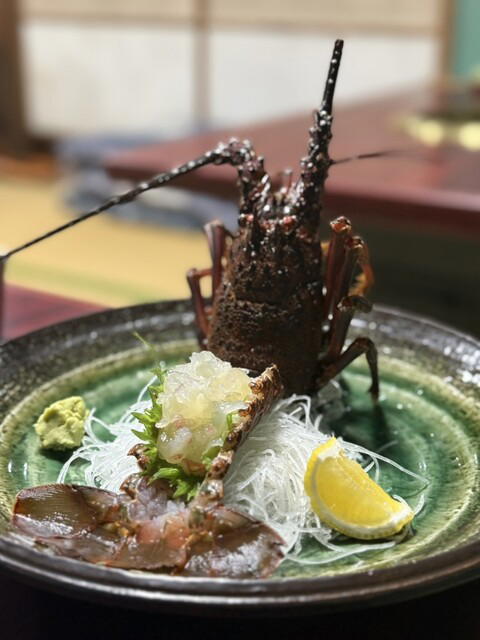
Details
- Special Occasion
- Local Sourcing
- Tasting Menu
Current opening hours
- Monday
- 11 AM–3 PM, 5–9 PM
- Tuesday
- Closed
- Wednesday
- Closed
- Thursday
- 11 AM–3 PM, 5–9 PM
- Friday
- 11 AM–3 PM, 5–9 PM
- Saturday
- 11 AM–3 PM, 5–9 PM
- Sunday
- 11 AM–3 PM, 5–9 PM
Hours can change for holidays and private events. Hours as of .