
Menme sits in Sapporo’s serious izakaya tier, where robatayaki, fish-focused cooking, sake and shochu matter more than theatrics. Its 2025 Tabelog 100 Izakaya EAST selection and compact 27-seat format place it above the city’s casual-drinking baseline while keeping the experience grounded in Hokkaido’s produce-led tavern culture.
Pearl is the En Primeur Club membership app — saves, bookings, and concierge access live there. Same editors, same standards.
- Address
- 6 Chome Minami 3 Jonishi, Chuo Ward, Sapporo, Hokkaido 060-0063, Japan
- Phone
- +81 11-241-6810
- Website
- japoncompany.business
 Saves & bookings on Pearl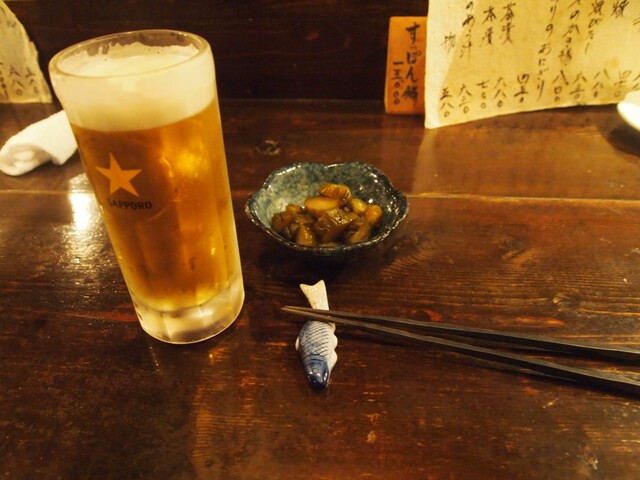
Tanukikoji Market gives Sapporo dining a different rhythm from the polished restaurant floors around Odori: tight rooms, counter sightlines, orders moving across small spaces, and a drinking culture built around what can be grilled, poured, and eaten without ceremony. Here, Menme sits at the serious end of the izakaya spectrum, closer to fish-led robatayaki than a loose after-work pub.
Sapporo rewards diners who know Hokkaido’s strongest meals are not always formal. The city’s luxury restaurants may lean French, sushi, or kaiseki, but the region’s everyday prestige often sits around seafood, charcoal, potatoes, dairy, corn, and sake-friendly cooking. Robatayaki, with its direct fire-to-ingredient relationship, fits Sapporo well, turning northern produce into a local meal without a tasting-menu frame.
Fish, fire, sake: the value is in the izakaya format
The case for Menme is value, not bargain. Its recognition in the 2025 Tabelog 100 Izakaya EAST list places it in a selective category group, and its Tabelog score of 3.68 is strong in a market where local diners use the platform severely. The venue’s categories, izakaya and robatayaki, matter too: the bill is justified by ingredient choice, grilling discipline, and drink breadth rather than luxury staging.
That distinction is useful in Sapporo, a city with a wide casual-food base. Chinese Momiji, Kirin, Kiraito, Bem Bera network company, and Future Curry Koris sit at far lower spend levels, useful reference points for noodles, curry, or quick local meals. Menme occupies a higher evening tier, where the expectation shifts from refuelling to a longer table built around fish, charcoal cooking, sake, and shochu.
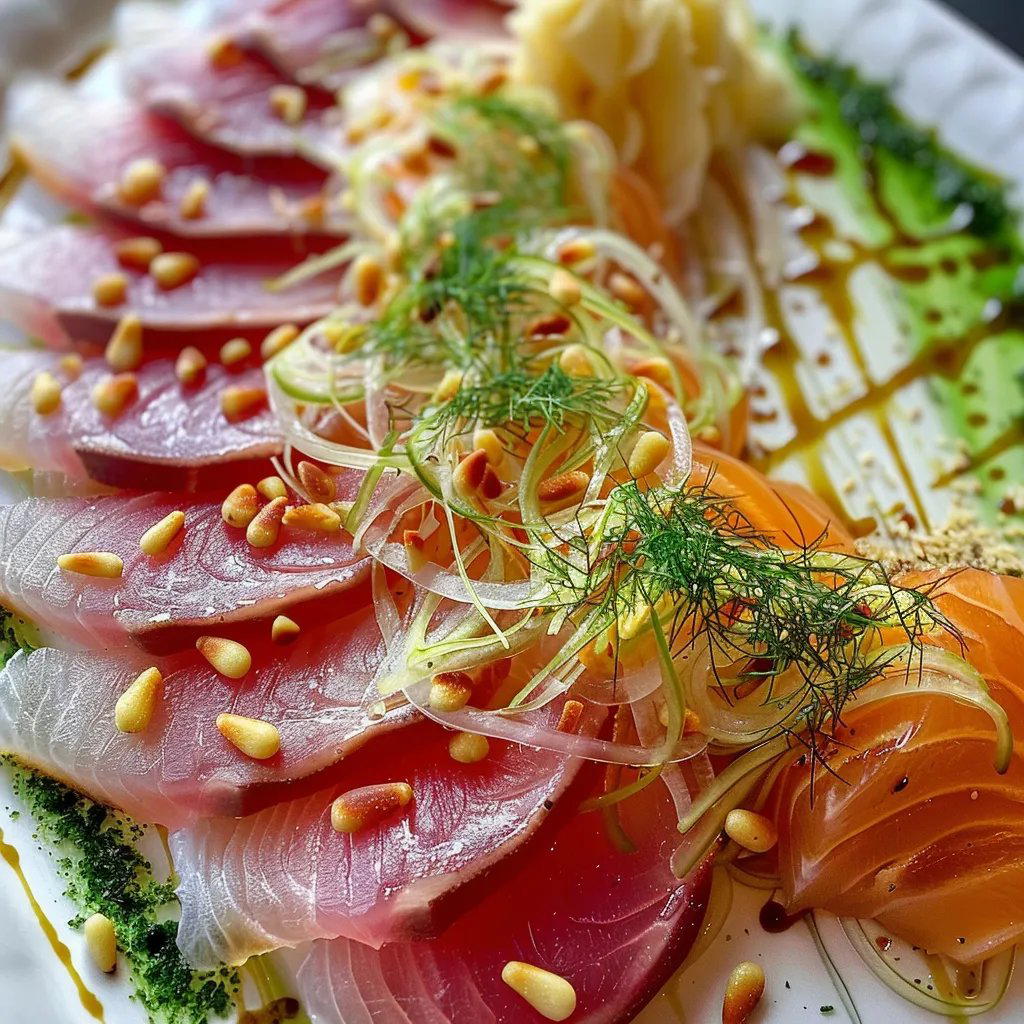
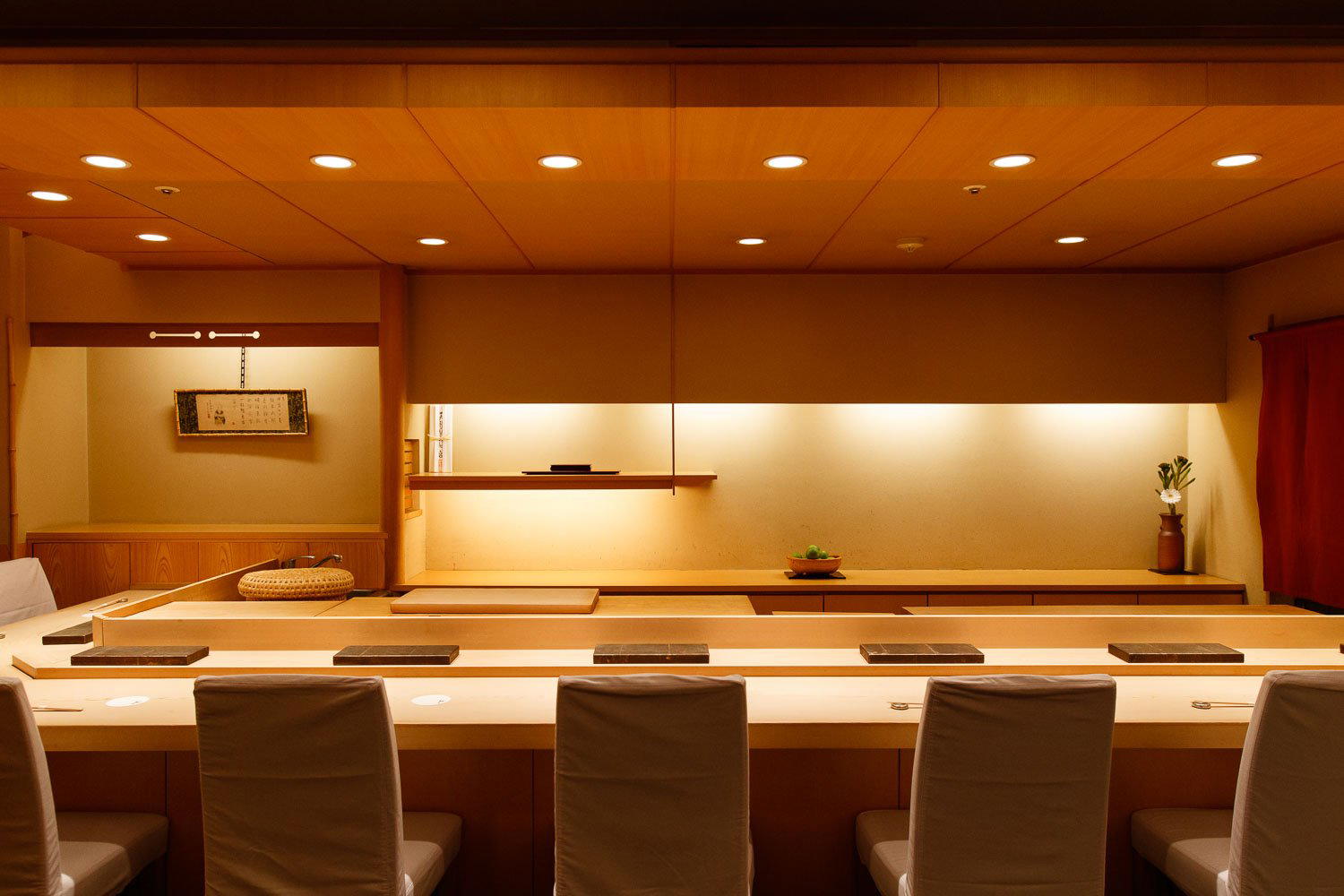
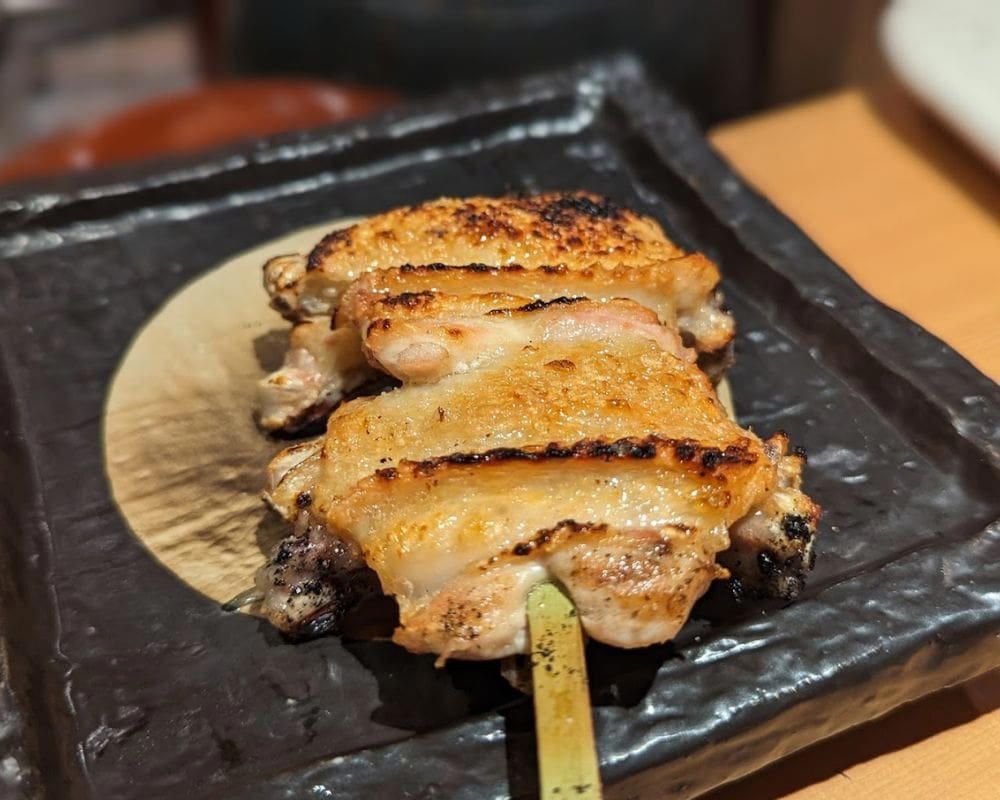
The fish focus is central. Hokkaido’s dining identity is tied to cold-water seafood, and izakaya cooking gives that supply chain a less formal, often more revealing stage than luxury counters. Counter seating reinforces the point: in robatayaki, proximity to the work is part of the format, not decoration. Diners pay for immediacy, a compact room, and a menu style that lets seafood and grilled dishes anchor the evening without a scripted procession.
The drinks profile supports this reading. Sake and shochu are the natural pairing logic for a fish-led izakaya, especially in a city where winter eating can skew rich, hot, and grilled. The pleasure is cumulative: small plates, pours that reset the palate, and the freedom to build a meal by appetite rather than submit to a fixed menu. For travellers, that flexibility can be a better use of a Sapporo night than another formal reservation.
A compact Sapporo room with serious-category recognition
Scale shapes the experience. A 27-seat izakaya creates a different social contract from a large beer hall or chain-style tavern: pacing is tighter, the counter matters more, and the room suits solo diners or small groups better than expansive parties. Menme’s lack of private rooms fits that picture. This is not a sealed-off business-dinner address; it is a market-adjacent room where closeness and rhythm carry the category.
Smoking is allowed, a practical detail that also places the experience inside an older strand of Japanese izakaya culture. Some travellers will read it as atmosphere; others will choose another room. Expectation matters. Sapporo dining is not only polished counters and spotless hotel rooms; it also includes tavern formats where drinking, smoke, fish, and grill heat remain part of the social environment.
Use Menme as an anchor for a Sapporo evening, not a quick stop between bars. The category rewards patience: start with fish, move through grilled dishes, and let sake or shochu set the tempo. Its listed suitability for solo dining and friends points to the sweet spot. A solo traveller gets the counter logic; two or three diners can cover more of the menu without turning the table into a banquet.
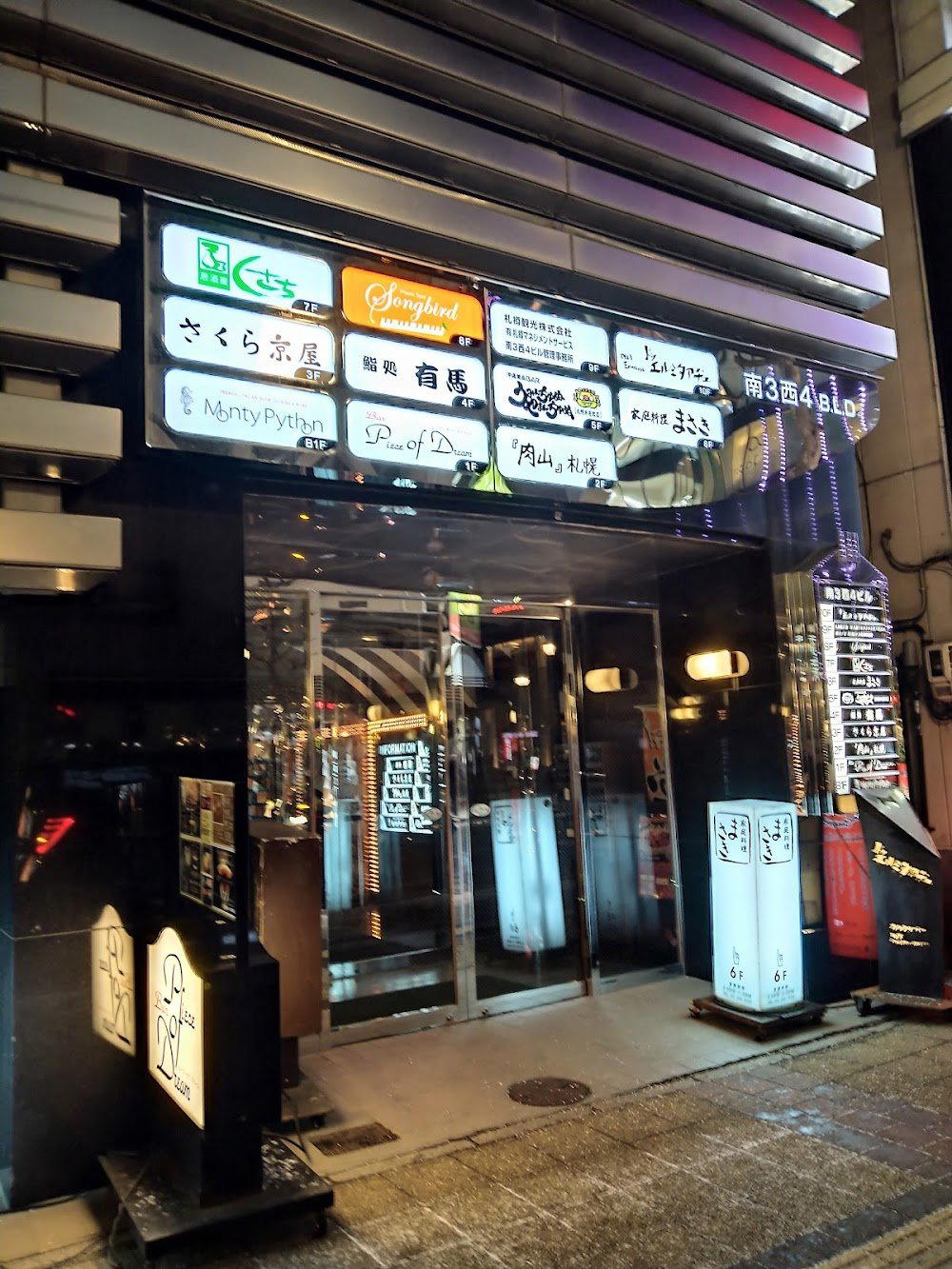
Centrality helps planning. The Tanukikoji and Odori area connects dinner naturally to Sapporo’s night economy, from bars to late walks through the covered arcade. Travellers comparing a food-led itinerary can pair this izakaya evening with casual daytime eating at 175°DENO Tantanmen Sapporo kitaguchi ten, [Curry Senmon Ten] Maruyama Kyoju., Ajanta Indo Curry Ten, or Ajanta Sohonke. For a different regional register outside the izakaya lane, Aigues Vives belongs to a slower, bakery-driven Hokkaido itinerary.
How to place it in a Sapporo trip
Menme suits travellers wanting a Sapporo dinner with local gravity without the formality of a chef’s-counter splurge. The key signal is not celebrity-chef narrative but the combination of a Tabelog 100 Izakaya EAST 2025 selection, fish emphasis, robatayaki format, counter seating, and a drinks list oriented to sake and shochu. Those facts place it in a category where credibility is earned by repeat local use and category-specific recognition.
It is less suitable for diners seeking a smoke-free room, private dining, or a highly choreographed menu. It is better for those who understand izakaya as a serious dining tradition: informal in posture, disciplined in sourcing and grill work, and capable of expressing a city with less self-consciousness than a tasting menu. In Sapporo, that distinction matters. The city’s food culture supports curry, ramen, French-influenced baking, seafood counters, and taverns; the better itinerary lets each format do what it does well.
For wider planning, use Our full Sapporo restaurants guide alongside Our full Sapporo hotels guide, Our full Sapporo bars guide, Our full Sapporo wineries guide, and Our full Sapporo experiences guide. Readers building broader Japan or sake-adjacent routes may also compare category choices with -Grilled beef Sukiyaki- KAMAKURA TANUKIAN 鎌倉 たぬき庵 in Kamakura. 鮪と炭火焼き うお炭 秋葉原店 in Tokyo.cafe in Osaka.know in Kumamoto, (Shoku) Vietnam in Kawasaki, [ki:] in Kyoto, Jōdo Saké Bar in Los Angeles, and Onigiri Time in Pasadena.
Awards and Standing
Comparable venues to anchor price and recognition.
| Venue | Cuisine | Price | Notes |
|---|---|---|---|
| MenmeThis venue — the venue you are viewing | Hokkaido Robatayaki Izakaya | $$$ | Not listed |
| Gyu no Ishizaki | Wagyu sukiyaki & shabu-shabu | $$$ | Chūō |
| アグリスケープ | Farm-to-Table Creative Cuisine | $$$ | Nishi |
| Teppanyaki Urushi | Hokkaido Wagyu & Seafood Teppanyaki | $$$ | Chūō |
| コートドール | Modern French | $$$ | Chūō |
| Kirin | Dumplings / Taiwanese-Chinese Izakaya | $$ | Chūō |
Recognition history
Dated appearances from independent guides and award organizations, with the underlying list record or original source where available.
Tabelog 100 #43 · No. 43
Tabelog · Tabelog 100 - Izakaya - EAST - 2025
At a Glance
- Cozy
- Classic
- Date Night
- After Work
- Casual Hangout
- Solo
- Chefs Counter
- Standalone
- Sake Program
- Beer Program
- Sustainable Seafood
Current opening hours
- Monday
- 5–11:30 PM
- Tuesday
- 5–11:30 PM
- Wednesday
- 5–11:30 PM
- Thursday
- 5–11:30 PM
- Friday
- 5–11:30 PM
- Saturday
- 5–11:30 PM
- Sunday
- Closed
Hours can change for holidays and private events. Last verified .
A compact, traditional izakaya with counter-focused seating, close-quarters interaction with the grill, and a warm, classic robatayaki atmosphere suited more to adults than families.