
Yamasa Wa belongs to Sapporo’s narrower, ingredient-led chicken dining tier: jidori-focused cooking, yakitori technique, and a drinks program that includes sake, shochu and wine rather than beer-hall breadth. Its selection for Tabelog 100 Chicken Cuisine 2025 gives it a clear signal in a city better known to many travelers for ramen, curry and seafood.
Pearl is the En Primeur Club membership app — saves, bookings, and concierge access live there. Same editors, same standards.
- Address
- 北海道札幌市中央区南1条西12-4-85
- Phone
- +81112000354
- Website
- yamasawa.jp
 Saves & bookings on Pearl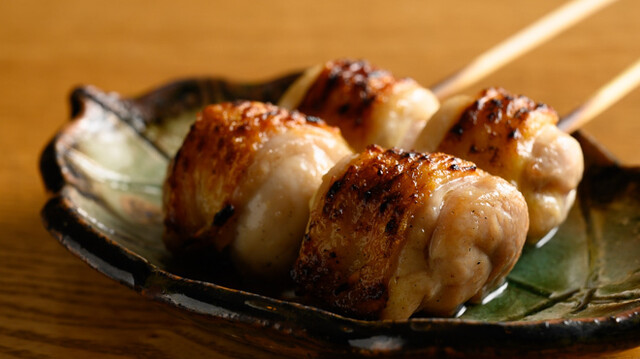
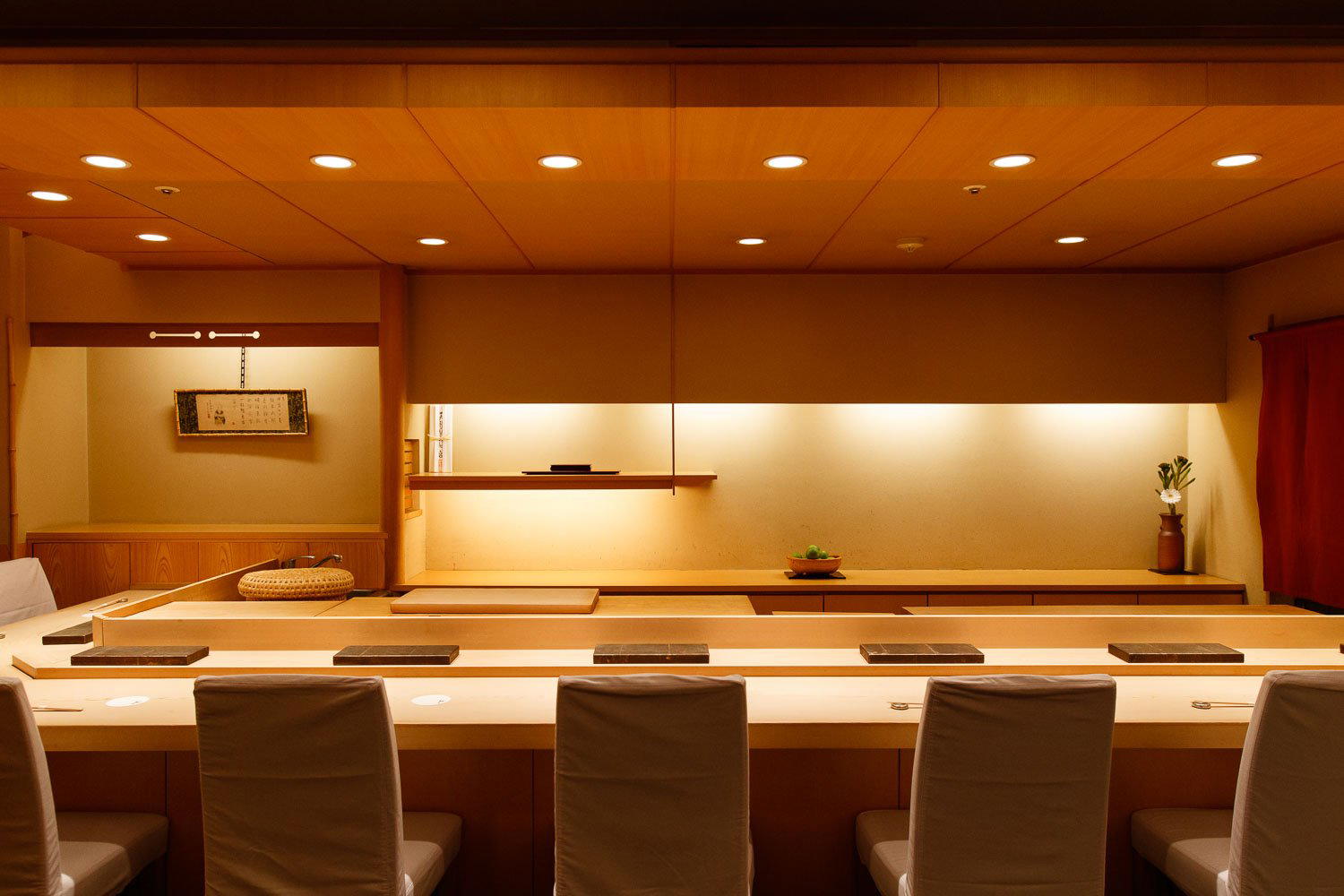
The room tells the story before the menu does: compact, counter-led, and built for a slower reading of chicken cookery rather than a fast procession of skewers. In Sapporo, where visitors often default to crab, miso ramen, soup curry and late-night izakaya, Yamasa Wa sits in a more specialist lane. The focus is jidori, Japan’s free-range chicken category, treated as a primary ingredient rather than a supporting act for drinks.
That distinction matters in Hokkaido. The region’s dining reputation is often framed through dairy, seafood, wheat, corn and cold-climate produce, but chicken cuisine has its own hierarchy in Japan, from casual yakitori counters to course-driven rooms that ask diners to pay attention to cut, fat, smoke, pacing and pairing. Yamasa Wa belongs to the latter conversation. Its Tabelog 100 Chicken Cuisine 2025 selection places it inside a national category where technical control and ingredient sourcing carry more weight than scale.
Jidori as the point, not a footnote
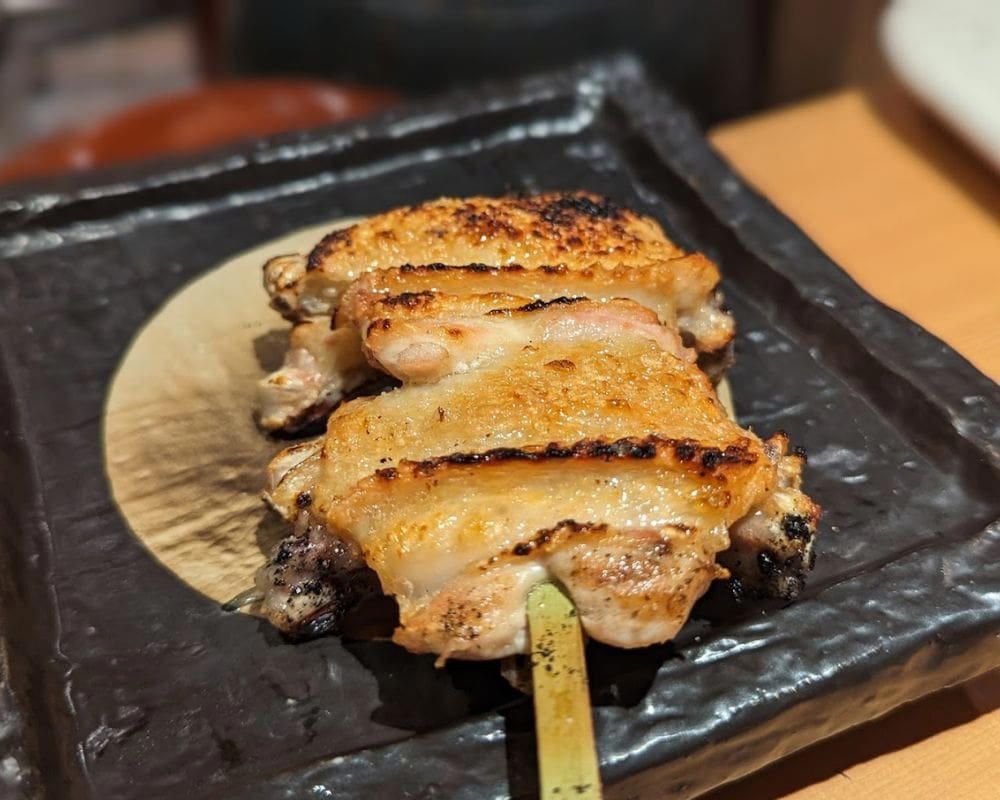
Chicken restaurants at this level live or fail on sourcing. Jidori is not simply a menu label; it signals a firmer texture, clearer fat and a cooking style that rewards restraint. The discipline is different from the broad izakaya model. A skewer counter can survive on salt, smoke and repetition, but a course format built around chicken needs range: leaner cuts, fattier sections, offal, skin, and preparations that avoid turning the meal into a single-note grill session.
Yamasa Wa’s listed categories, chicken dishes and yakitori, point to that hybrid position between specialist poultry restaurant and grilled-skewer tradition. The drinks list also gives away the intended rhythm. Sake and shochu keep it anchored in Japanese drinking culture, while the stated attention to wine, including natural wine, puts it closer to contemporary counter dining than to old-school yakitori alone. That is a meaningful signal for travelers choosing between a casual Sapporo night out and a meal built around one ingredient in depth.
The price tier reinforces the same reading. This is not competing with Sapporo’s inexpensive curry and noodle circuit; it sits above everyday dining and closer to the city’s compact special-occasion counters. Among the comparison set, Sumika occupies a nearby higher-spend grill-adjacent bracket, while Akatsuki, Sapporo Rou Curry NAGAMIYA and PULU2 operate in far more casual price territory. That gap is the useful editorial point: the restaurant is for diners who want Sapporo’s ingredient culture narrowed to poultry and handled with more ceremony.
How Sapporo's casual food city sharpens the contrast
Sapporo is unusually good at democratic food. Ramen, curry, bakeries and drinking rooms form much of the city’s daily eating map, and that makes a focused chicken counter feel more deliberate. For a broader read on the city’s range, 175°DENO Tantanmen Sapporo kitaguchi ten shows the noodle side, while [Curry Senmon Ten] Maruyama Kyoju., Ajanta Indo Curry Ten and Ajanta Sohonke map the curry conversation. Aigues Vives adds another Hokkaido angle through bread and western-leaning craft.
Against that backdrop, chicken cuisine becomes a useful test of intent. Travelers with only one night in Sapporo often chase the dishes the city is famous for. Diners with a second or third serious meal can use a place like Yamasa Wa to understand how Japanese specialization works outside Tokyo and Kyoto: fewer categories, tighter sourcing, and a narrower field of comparison. The Tabelog 100 selection is not a decoration here; it identifies the restaurant within a specific national genre, not a generic fine-dining field.
The format also suits a city where winter changes appetite. Cold weather pushes diners toward richer broths, grilled food and drinks with structure. A chicken-focused counter with sake, shochu and wine fits that pattern without copying the standard Hokkaido seafood script. The cooking tradition is Japanese, but the beverage framing is contemporary, particularly for guests who want wine treated as part of the meal rather than an imported afterthought.
Who should put it on the Sapporo plan
The restaurant makes the strongest case for diners who already understand the appeal of single-ingredient restaurants. The pleasure is not breadth; it is seeing how far a kitchen can push one category without losing discipline. The counter seating matters because this style of cooking benefits from sequence and proximity, even when the restaurant is not presenting itself as theatre. Tables make the meal more social, but the logic remains the same: chicken, fire, pacing, drinks.
Families need to read the format carefully. The restaurant’s own policy allows children only on weekends, which makes it a conditional choice rather than an all-purpose family meal in Sapporo. For adults, the atmosphere is refined without needing Western formality. The practical expectation is respect for a compact Japanese dining room, especially around fragrance and seating preferences, both of which matter more in small counter restaurants than in larger casual spaces.
For planning the rest of the trip, start with Our full Sapporo restaurants guide, then add sleep, drinks and regional context through Our full Sapporo hotels guide, Our full Sapporo bars guide, Our full Sapporo wineries guide and Our full Sapporo experiences guide. Readers comparing Japanese dining across cities can also look at -Grilled beef Sukiyaki- KAMAKURA TANUKIAN 鎌倉 たぬき庵 in Kamakura. 鮪と炭火焼き うお炭 秋葉原店 in Tokyo.cafe in Osaka.know in Kumamoto, (Shoku) Vietnam in Kawasaki, [ki:] in Kyoto, Jōdo Saké Bar in Los Angeles and Onigiri Time in Pasadena for a wider view of how Japanese formats travel, adapt and specialize.
At-a-Glance Comparison
Comparable venues to calibrate price, style, and recognition.
| Venue | Cuisine | Price | Notes |
|---|---|---|---|
| Yamasa Wa | Free-range Chicken Yakitori & Natural Wine | $$$ | Chūō |
| 鮨菜 和喜智 | Traditional Japanese Kaiseki | $$$ | Chūō |
| Kuriya | Sushi Omakase | $$$ | Shiroishi |
| Shinohei | Reservation-only Wagyu Shabu-shabu | $$$ | Chūō |
| はなれ味重 | Traditional Kaiseki | $$$ | Chūō |
| 〇鮨 | Hokkaido Sushi Omakase | $$$$ | Chūō |
Recognition history
Dated appearances from independent guides and award organizations, with the underlying list record or original source where available.
Tabelog 100 #58 · No. 58
Tabelog · Tabelog 100 - Chicken cuisine - 2025
At a Glance
- Intimate
- Cozy
- Elegant
- Sophisticated
- Date Night
- Special Occasion
- Business Dinner
- Group Dining
- After Work
- Standalone
- Wine Cellar
- Design Destination
- Natural Wine
- Extensive Wine List
- Farm To Table
- Natural Wine
- Local Sourcing
- Zero Waste
Warm wood lattice, indigo noren, and low-key lighting create an intimate, adult hideaway atmosphere, complemented by curated music and a relaxed but refined vibe suited to leisurely dinners with wine.