Our verdict
御料理 良所 serves Sabah Chilli Pan Mee in Hakusan, with Chilli Pan Mee as the signature and a casual, conversational setup that fits breakfast through dinner.

Pearl is the En Primeur Club membership app, where members save venues, book tables and use the concierge.
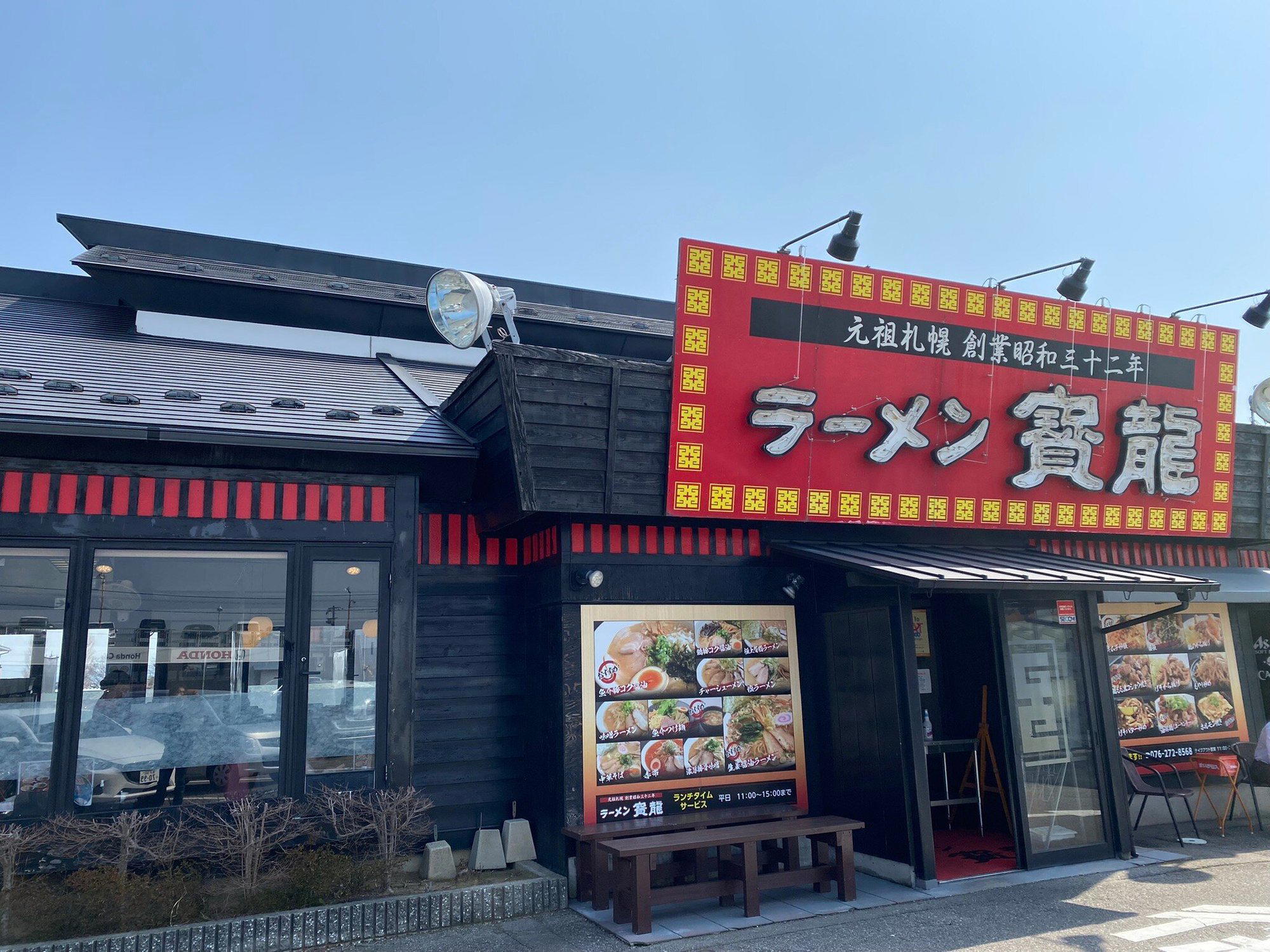
Hakusan's Mountain Table: Where Ingredient Provenance Defines the Plate
Approach Hakusan from the coastal flatlands of Ishikawa Prefecture and the city's character comes into focus gradually: a mid-sized municipality pressed against the western flank of the Hakusan mountain range, with the Tedori River threading through its lower districts. The mountain itself, one of Japan's three sacred peaks, shapes agriculture here in ways that are specific and traceable. Snowmelt from the alpine zone feeds unusually mineral-rich water into the valley floor, and the temperature swings between season and season are wide enough to push exceptional flavor development in mountain vegetables, foraged botanicals, and freshwater catches. 御料理 瓢 sits inside this food geography, at the address Ri-145 Yahatamachi in the Hakusan district of Ishikawa.
The Ishikawa Ingredient Context
To understand what a serious kitchen in this part of Japan is working with, it helps to situate Ishikawa within Japan's broader culinary geography. The prefecture operates in a category the Japanese food world refers to loosely as ji-mono culture: a preference for hyper-local produce sourced from named producers, specific sea areas, or defined mountain zones. The Sea of Japan coastline running from Wajima down to Kanazawa delivers yellowtail, snow crab, and a particular grade of winter seafood that restaurants in Tokyo price at a significant premium when they can access it. Inland, mountain foragers supply bamboo shoots, sansai (mountain vegetables), and mushroom varieties that appear rarely in urban markets. For a restaurant operating in Hakusan proper, the supply lines to both coastal and mountain sources are shorter than those available to kitchens in larger cities further from the range.
This is the kind of sourcing asymmetry that defines smaller regional restaurants against their urban counterparts. Kitchens in Osaka or Tokyo, including places such as HAJIME in Osaka or Harutaka in Tokyo, operate at the top of their respective categories with supply chains designed around that scale. A smaller regional kitchen in Hakusan draws on proximity rather than purchasing power, and the resulting plate reflects a different kind of specificity.
Regional Dining Against a National Reference Frame
Japan's fine dining map has grown considerably more granular over the past decade. The assumption that award-bearing restaurants cluster in Tokyo, Osaka, and Kyoto has been revised repeatedly by the expansion of Michelin coverage and independent food media into secondary cities and rural prefectures. Kanazawa, Hakusan's nearest major neighbor, now holds its own set of recognized restaurants, and the culinary reputation of the broader Hokuriku region (Ishikawa, Toyama, and Fukui prefectures) is increasingly treated as a distinct category rather than an appendage of Kansai dining. Gion Sasaki in Kyoto and akordu in Nara represent how traditional dining regions have developed their own formal recognition structures; Hokuriku is undergoing a similar consolidation, led partly by the availability of ingredients that chefs elsewhere actively seek out.
Within that expanding regional frame, restaurants in smaller Ishikawa municipalities occupy a particular niche. They are not competing with Kanazawa's recognized kaiseki addresses on volume or visibility, but they serve a guest profile that includes serious travelers who have already worked through the more obvious itinerary stops. The Hokuriku Shinkansen extension to Kanazawa, which opened in 2015, accelerated inbound interest from Tokyo considerably, and the subsequent leg toward Fukui has widened the accessible geography further. Restaurants in Hakusan benefit from that access pattern without the concentration of foot traffic that changes how a kitchen operates.
The Yahatamachi Address
Yahatamachi sits in a part of Hakusan where the urban grid loosens and the surrounding topography begins to assert itself. Restaurants in this zone tend to draw a more local clientele than the urban core, which means menus often follow seasonal availability more closely than commercial logic would normally dictate. Ishikawa's culinary calendar runs through distinct phases: winter brings the celebrated kani (crab) season, particularly the male Zuwai-gani caught off the Noto Peninsula; spring signals the arrival of takenoko bamboo shoots and mountain greens from the alpine foothills; autumn produces mushrooms and aged rice varieties from paddies fed by the Tedori watershed. A kitchen at this address, positioned between mountain source and coastal supply, has structural access to each of those phases in sequence.
Comparable patterns appear in regional addresses elsewhere in Japan. 三本木 川魚製 in Nanao operates in a similarly coastal-proximate context on the Noto Peninsula, while 夫仁山之 in Sapporo and 湖辺庵 in Takashima each reflect how ingredient geography shapes regional restaurant identity at a structural level, not merely as a menu note.
Booking and Planning
Visitors planning to dine here should build time into an Ishikawa itinerary rather than treating it as a walk-in option; regional restaurants at this address format typically run limited seatings and fill through repeat guests and local recommendation. The Yahatamachi area is accessible from central Hakusan and from Kanazawa, which sits roughly 30 kilometers to the north and is well connected by local rail and bus services. Traveling from Tokyo, the Hokuriku Shinkansen reaches Kanazawa in approximately 2.5 hours, making Hakusan a practical addition to a Kanazawa-based itinerary rather than a standalone destination requiring separate routing.
For a broader orientation to dining across Ishikawa and the surrounding region, our full Hakusan restaurants guide covers the category in more detail. Travelers extending into other Japanese regions may find useful reference points in Goh in Fukuoka, 羽白屋 in Nishikawa Machi, or further afield at Birdland in Sakai. For international reference comparisons in formal dining, Le Bernardin in New York City and Atomix in New York City represent how ingredient provenance is handled at the highest citation level outside Japan. Additional regional Japan addresses worth cross-referencing include Bistro Ange in Toyohashi, Blue Ocean Steak in Nakagami District, bodai in 那智勝浦町, and Cafe Naoshima Konichiwa in Naoshima.
Frequently asked questions
Is 御料理 瓢 good for families?
御料理 瓢 is located in Yahatamachi, a quieter residential-adjacent zone of Hakusan where restaurants tend toward intimate, reservation-led formats rather than casual walk-in dining. That setting typically suits adults or older children comfortable with a slower, course-structured meal. EP Club does not currently hold confirmed seating or menu details, so contacting the venue directly before booking with young children is the practical step.
Is 御料理 瓢 better for a quiet night or a lively one?
The Yahatamachi address in Hakusan places this kitchen away from the city's commercial centre, where the urban grid loosens noticeably. Restaurants in this zone consistently run on a quieter register, considered pacing, low ambient noise, conversation-first seating. Expect a composed evening rather than a social one.
What do people recommend at 御料理 瓢?
What the regional context does support: kitchens in Hakusan at this address level draw heavily on Ishikawa's documented larder, Noto seafood, mountain foraged produce, and local rice, making seasonal ingredient courses the logical focus of any visit.
What makes 御料理 瓢 worth the trip from Kanazawa to Hakusan?
Kanazawa sits roughly 30 kilometres south of Yahatamachi, making 御料理 瓢 a deliberate detour rather than a casual addition to a city itinerary. The case for making that journey rests on Hakusan's distinct ingredient geography: the city sits where Ishikawa's coastal plain meets the Hakusan mountain range, giving kitchens here access to produce that Kanazawa restaurants source from the same region but at greater remove. For diners already committed to understanding Ishikawa's culinary depth beyond its prefectural capital, this address in Yahatamachi represents the kind of reservation-only table that rewards advance planning.
At-a-Glance Comparison
| Venue | Cuisine | Price | Awards | Notes |
|---|---|---|---|---|
| 御æç è¯æThis venue (the venue you are viewing) | Sabah Chilli Pan Mee | Not listed | Not listed | Not listed |
| HAJIME | Avant-Garde Japanese Fine Dining | $300–500 | 3 Michelin Stars · World's 50 Best #83 | French, Innovative |
| Harutaka | Edo-Style Omakase Sushi | $200–300 | 3 Michelin Stars · World's 50 Best #76 | Sushi |
| L'Effervescence | Modern French with Japanese Influences | $200–300 | 3 Michelin Stars · World's 50 Best #69 | French |
| RyuGin | Modern Kaiseki | $500+ | 3 Michelin Stars · World's 50 Best #41 | Kaiseki, Japanese |
| Crony | Modern French with Japanese Influences | $150–200 | 2 Michelin Stars · World's 50 Best #34 | Innovative, French |
Continue exploring
More in Hakusan
Restaurants in Hakusan
All restaurants in Hakusan →
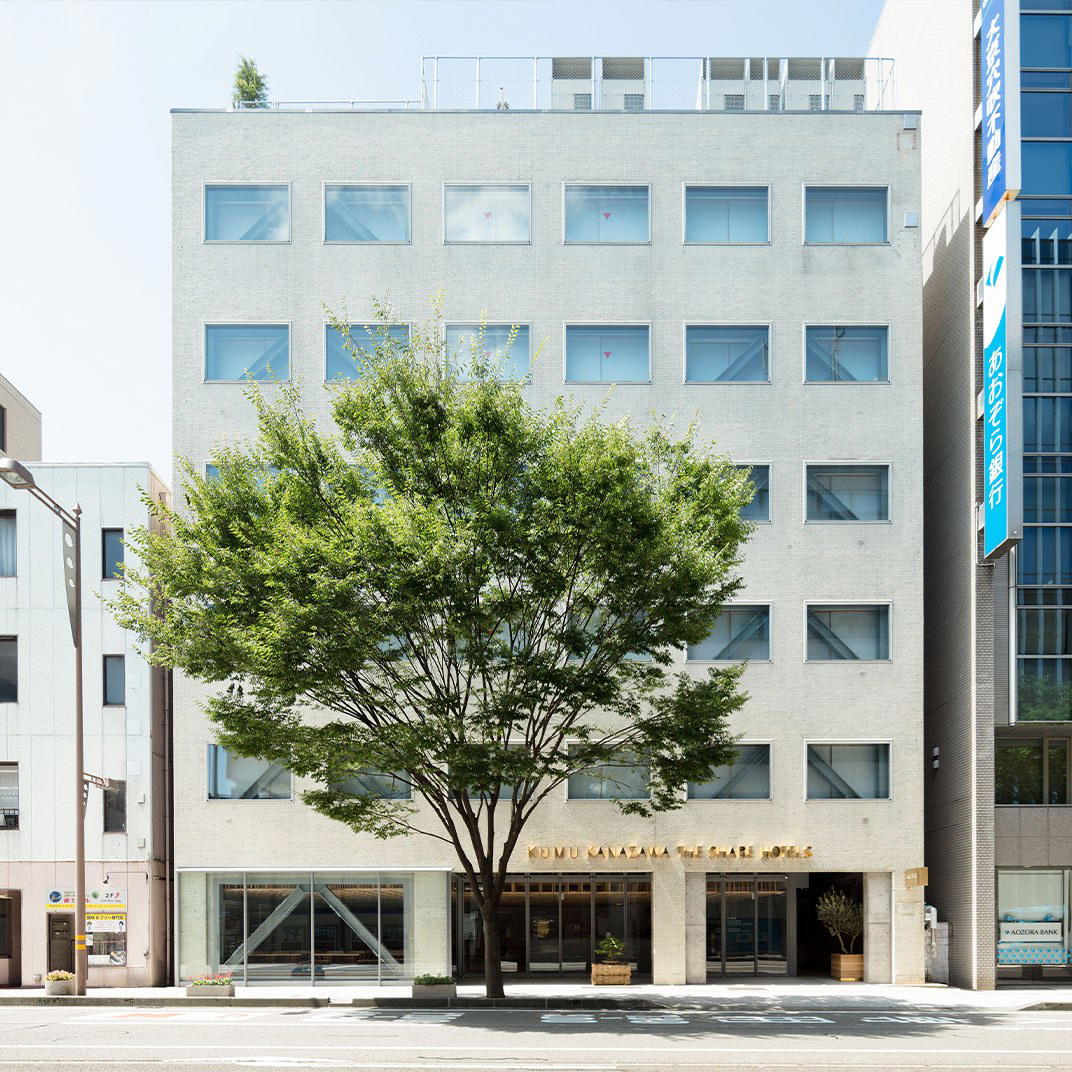
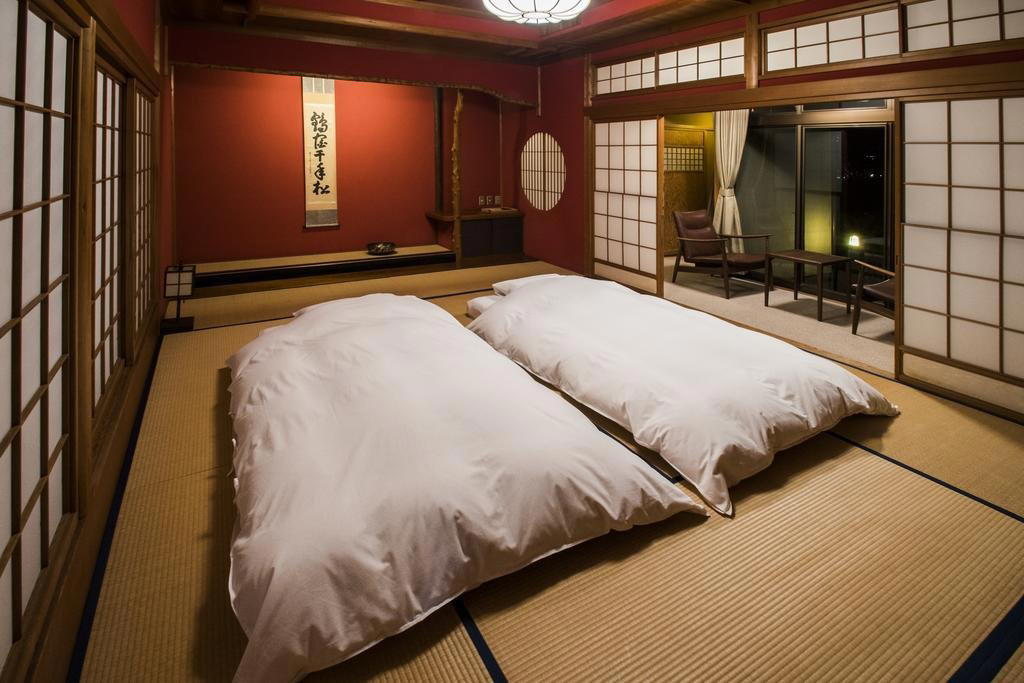
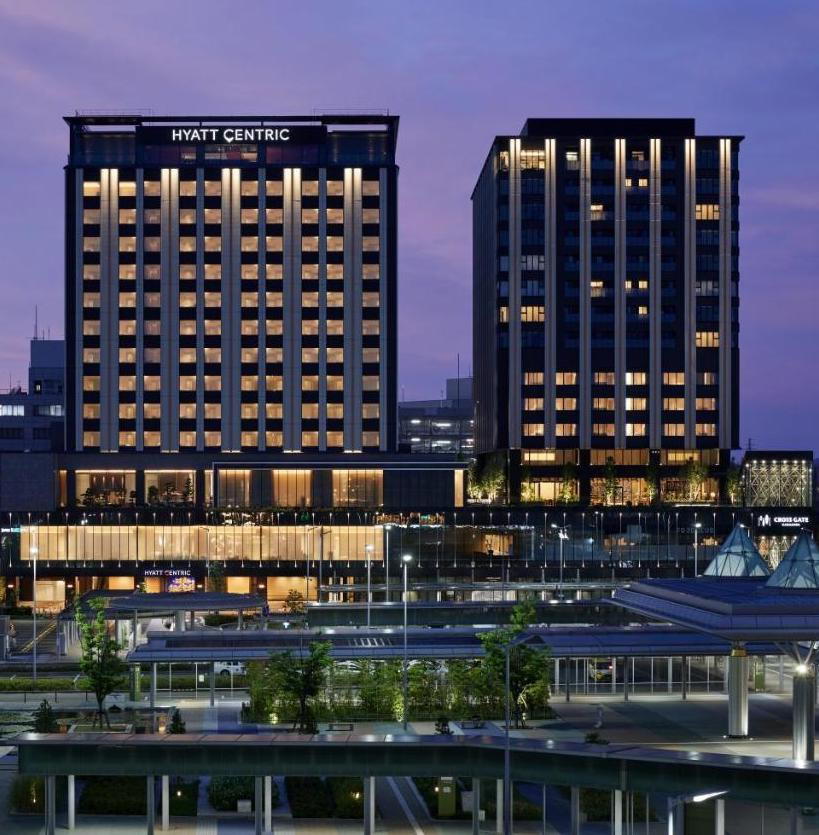
Hotels in Hakusan
Browse all →
Wineries in Hakusan
Browse all →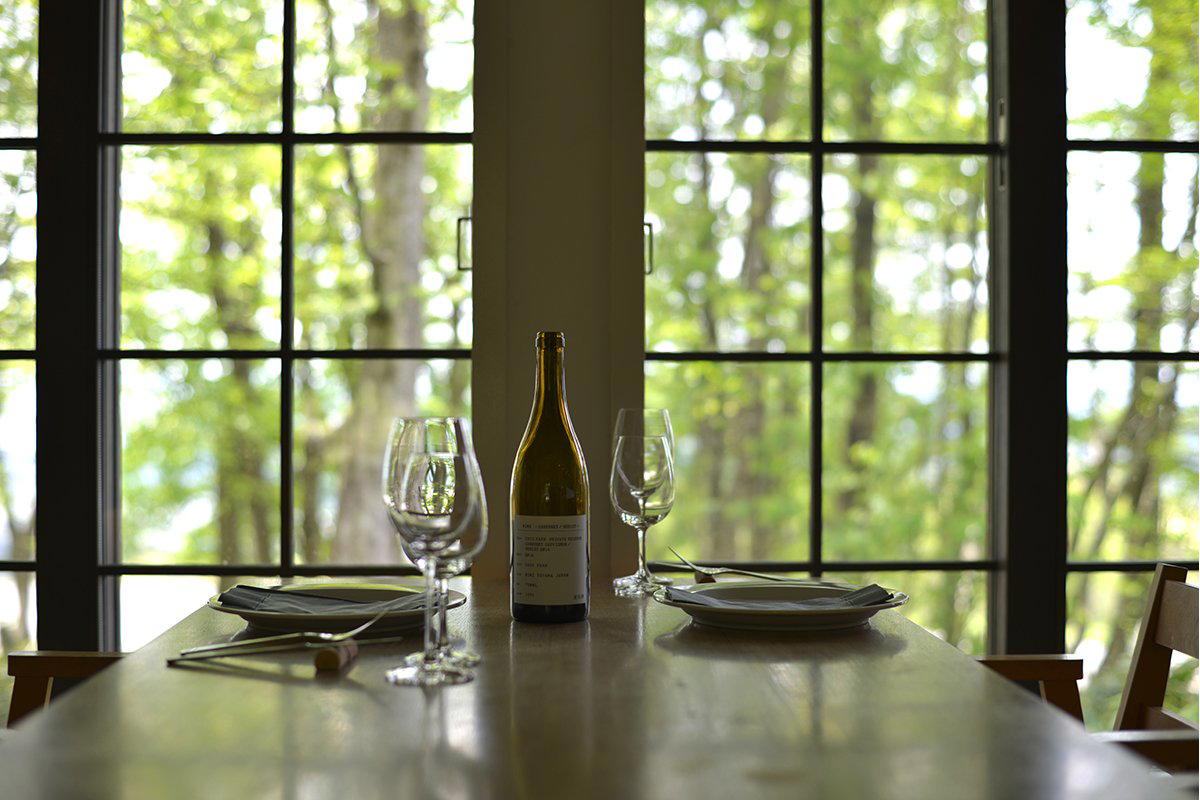
Details
- Casual
- Casual Hangout
- Family
- Group Dining
- A La Carte
- Small Plates
Casual and welcoming atmosphere suitable for families and groups.