Our verdict
Located in Hakusan, Ishikawa Prefecture, 亀田屋 sits in a city defined by proximity to the Japan Sea coast and the agricultural foothills of the Hakusan range. Ishikawa's dining tradition draws on some of Japan's most celebrated regional produce, and restaurants in this prefecture operate in a context where ingredient provenance carries as much weight as technique. See our full Hakusan restaurants guide for broader context.

Pearl is the En Primeur Club membership app, where members save venues, book tables and use the concierge.
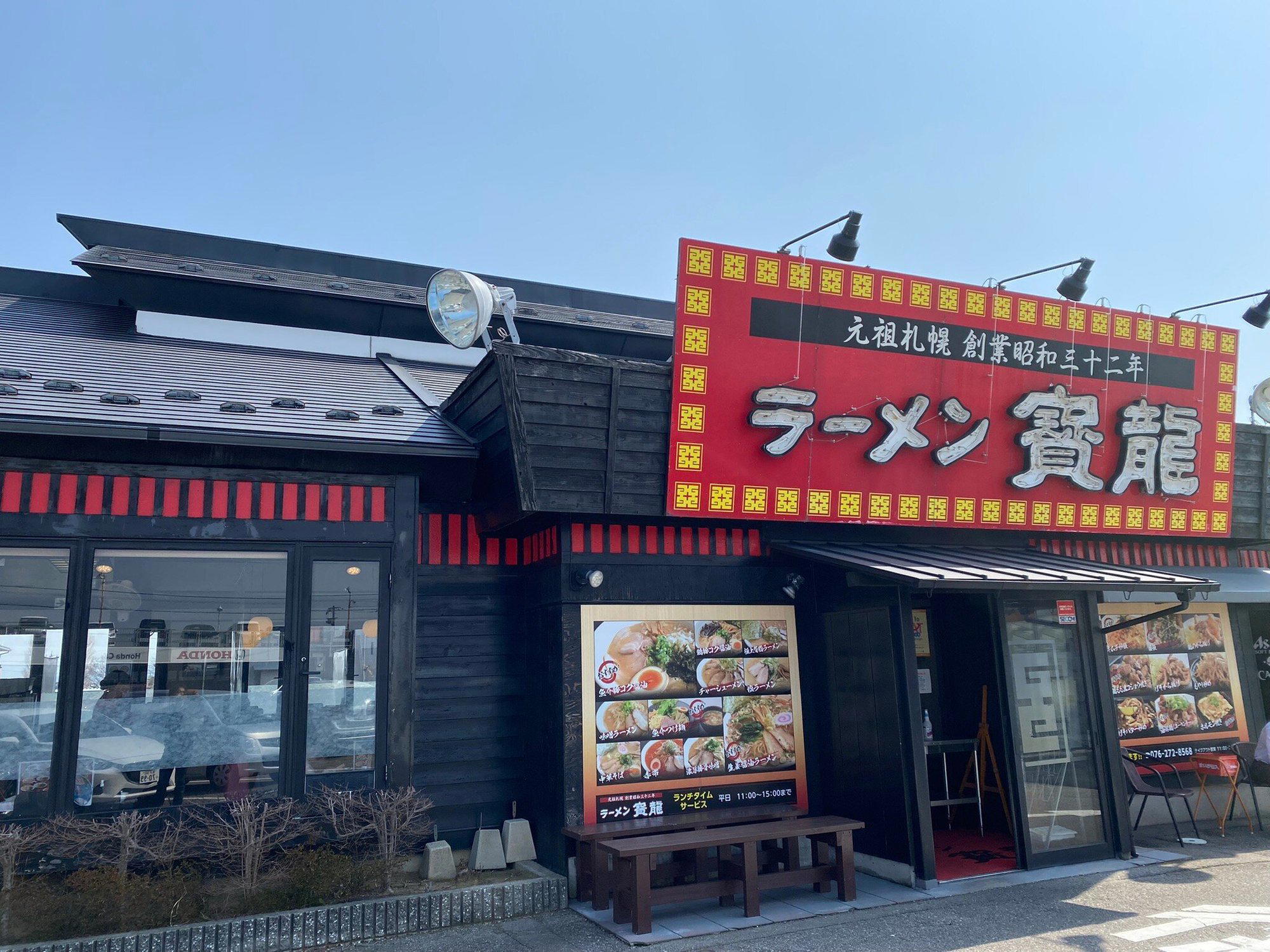
Where Hakusan's Larder Meets the Table
Ishikawa Prefecture has built a quiet but durable reputation as one of Japan's most ingredient-focused culinary regions. The Noto Peninsula to the north, the Japan Sea coastline, and the foothills climbing toward the Hakusan range collectively produce seafood, mountain vegetables, and rice that appear on some of Japan's most serious menus. Kanazawa, the prefectural capital, draws the most international attention, but the broader Ishikawa corridor, including Hakusan, functions as the agricultural and coastal engine behind that reputation. Restaurants here, from the casual to the formal, operate within a supply network that most urban dining markets cannot replicate. 亀田屋 in Hakusan sits within this context, at the address I-55-2 Sannomiyamachi, in a city where access to that larder is not a marketing point but a geographic fact.
The Ishikawa Ingredient Tradition
To understand dining in Hakusan, it helps to understand what Ishikawa's produce culture actually looks like at a structural level. The Japan Sea coast delivers a different catch profile from the Pacific: kani (crab), buri (yellowtail), and amadai (tilefish) move through this coastline in quantities and at a quality that has historically fed Kyoto's kaiseki kitchens as much as local tables. Inland, Hakusan's water, descending from one of Japan's three sacred mountains, irrigates rice paddies producing some of the prefecture's most prized koshihikari varieties. Mountain vegetables, foraged mushrooms, and sansai greens add a seasonal rhythm that the leading kitchens in the region follow closely rather than override.
This is the supply infrastructure that regional restaurants in Hakusan draw from. The distance between producer and kitchen is measurably shorter here than in most Japanese cities, and that compression affects what ends up on the plate in ways that are less about philosophy and more about logistics. Kitchens that can source from within a 20-kilometre radius operate differently from those working through metropolitan distribution chains. For context on how Japan's broader premium dining tier handles sourcing, operations like HAJIME in Osaka and Goh in Fukuoka have both built reputations partly on rigorous ingredient curation, but from urban positions that require more deliberate supply construction than a kitchen in Ishikawa needs to engineer.
Hakusan's Place in Japan's Regional Dining Map
Japan's regional dining scene has shifted meaningfully over the past decade. Kitchens outside Tokyo and Osaka increasingly attract serious attention from the same audience that follows Gion Sasaki in Kyoto or seeks out akordu in Nara, restaurants that have demonstrated that proximity to exceptional raw materials, combined with technical discipline, can produce dining worth significant travel. Ishikawa sits within this regional renaissance. Kanazawa has long been part of the conversation, but Hakusan represents the quieter edge of that corridor, where the infrastructure of great produce exists without the density of competing restaurants that shapes choices in larger cities.
The prefectural culinary ecosystem also connects to a broader network. Kitchens in rural or semi-rural Japan, from affetto akita in Akita to Ajidocoro in Yubari District, have demonstrated that distance from a major metropolitan centre is no longer the liability it once was, provided the sourcing story is genuine and the execution is consistent. The pattern across these regional operations is similar: tight relationships with local producers, seasonal menus that shift with the agricultural and fishing calendar, and a guest experience built around place rather than spectacle. 亀田屋 operates in a city where that pattern has strong geographic support.
The Sannomiyamachi Address and What It Signals
The Sannomiyamachi district of Hakusan is not a dining quarter in the way that certain Kyoto or Tokyo neighbourhoods are, it does not carry the density of competing establishments that creates the kind of critical mass associated with destination dining streets. That relative quietness is itself informative. Restaurants in lower-density areas of regional Japanese cities tend to function more as anchors for their immediate community and as deliberate destinations for visitors, rather than as participants in a walk-in foot-traffic economy. The booking calculus is different; the relationship between kitchen and repeat guest tends to be closer; and the kitchen's identity is often more tightly bound to what the surrounding landscape produces than to trend cycles originating in Tokyo or Osaka.
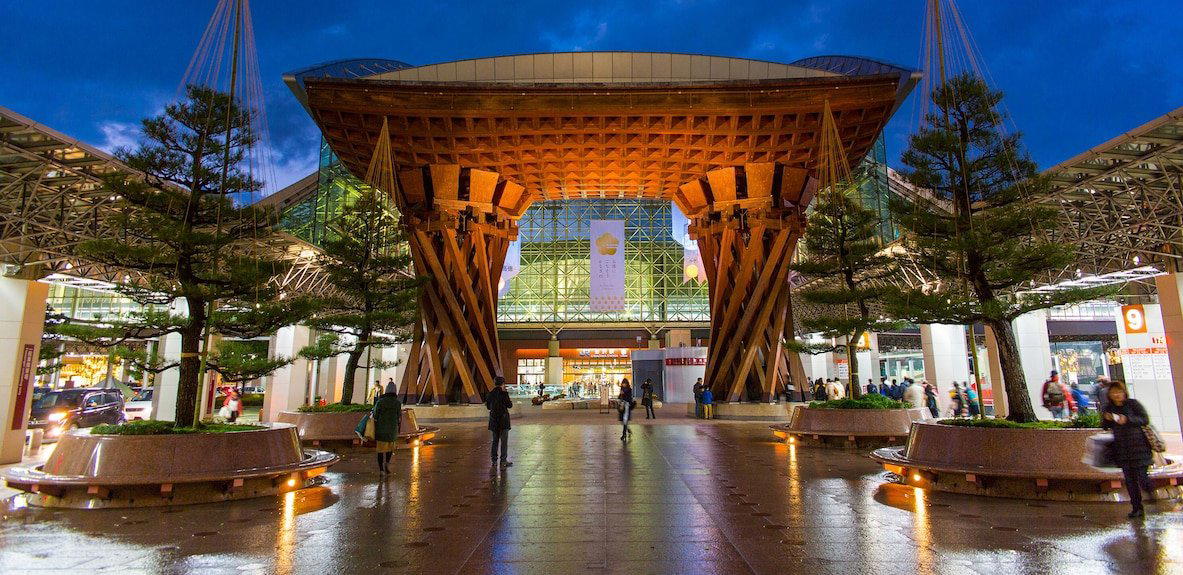
Visitors travelling to Hakusan from outside Ishikawa will most likely approach via Kanazawa Station, which sits on the Hokuriku Shinkansen line (operational to Kanazawa since 2015, with the extension to Tsuruga opening in 2024). Local connections from Kanazawa to Hakusan are available by bus and road. For those building a broader Ishikawa itinerary, the full Hakusan restaurants guide maps the city's dining options against neighbourhood and price-tier context.
How 亀田屋 Fits the Broader Picture
The most useful comparative frame for 亀田屋 is not the high-end kaiseki counters of Kanazawa or the Michelin-tracked operations of Japan's major cities, restaurants like Harutaka in Tokyo or anchoa in Kanagawa occupy a different competitive tier and a different sourcing geography. Operations like Aji Arai in Oita, Akakichi in Imabari, and Amaki in Aichi share this structural position: rooted in a specific geography, working with what that geography provides, and serving a guest who is choosing a place as much as a restaurant.
For a broader international reference point on how ingredient-sourcing discipline translates into dining authority, Le Bernardin in New York City and Lazy Bear in San Francisco both demonstrate that sourcing specificity, when communicated clearly and executed with consistency, functions as a form of culinary credibility that operates independently of venue size or metropolitan location. The principle scales from New York to Hakusan, even if the expression is entirely different.
For visitors researching the Ishikawa region, additional context on comparable regional operations, including Amegen in Saga, aki nagao in Sapporo, and Abon in Ashiya, provides useful calibration for what Japanese regional dining at this level of intentionality tends to look like. The 御料理 詠 listing offers additional Hakusan dining context within the same city.
Planning a Visit
Given the regional context and the address profile, advance contact before visiting is advisable; smaller kitchens in Hakusan's residential and semi-commercial districts often operate on limited sittings and may have booking requirements that differ from urban restaurant norms. Travellers combining 亀田屋 with broader Ishikawa itineraries should note that Hakusan's dining infrastructure is less dense than Kanazawa's, making pre-trip research proportionally more important. The full Hakusan restaurants guide provides the current picture of what the city offers across categories and price points.
Frequently asked questions
Would 亀田屋 be comfortable with kids?
Confirmed details on format and service style are not available for 亀田屋. Smaller regional kitchens in Hakusan, Ishikawa typically operate at a quieter register than urban izakayas, which may suit older children better than very young ones. Contacting the venue directly before visiting with a family is advisable given the Sannomiyamachi address sits outside the main tourist circuit where staff may have limited English.
What's åç°å±'s location?
åç°å± is located at I-55-2 Sannomiyamachi, Hakusan, Ishikawa 920-2114, Japan, Hakusan.
Do I need a reservation for åç°å±?
Reservations are recommended for åç°å± in Hakusan. Confirm current policy via the venue's official channels.
What makes åç°å± worth seeking out?
åç°å± is best approached by focusing on the core concept and signature offerings.
In Context: Similar Options
Comparable venues nearby, for context on price, style, and recognition.
| Venue | Cuisine | Price | Awards | Notes |
|---|---|---|---|---|
| 和田屋This venue (the venue you are viewing) | Casual Small Plates | Not listed | Not listed | Not listed |
| 御料理 良所 | Sabah Chilli Pan Mee | Not listed | Not listed | Penampang |
| Yao Ya | Okonomiyaki | $10–20 | Tabelog 100 #57 | Tsurugi |
| Soan | Traditional Soba (buckwheat noodle) house | $10–20 | Tabelog 100 #14 | Tsurugi |
| St. Anton (レストラン サンアントン) | Grill Cuisine | Not listed | Not listed | Myoko City |
| Ult Coffee Roasters | Specialty Coffee Roasters | Not listed | Not listed | Kyomachibori |
Continue exploring
More in Hakusan
Restaurants in Hakusan
All restaurants in Hakusan →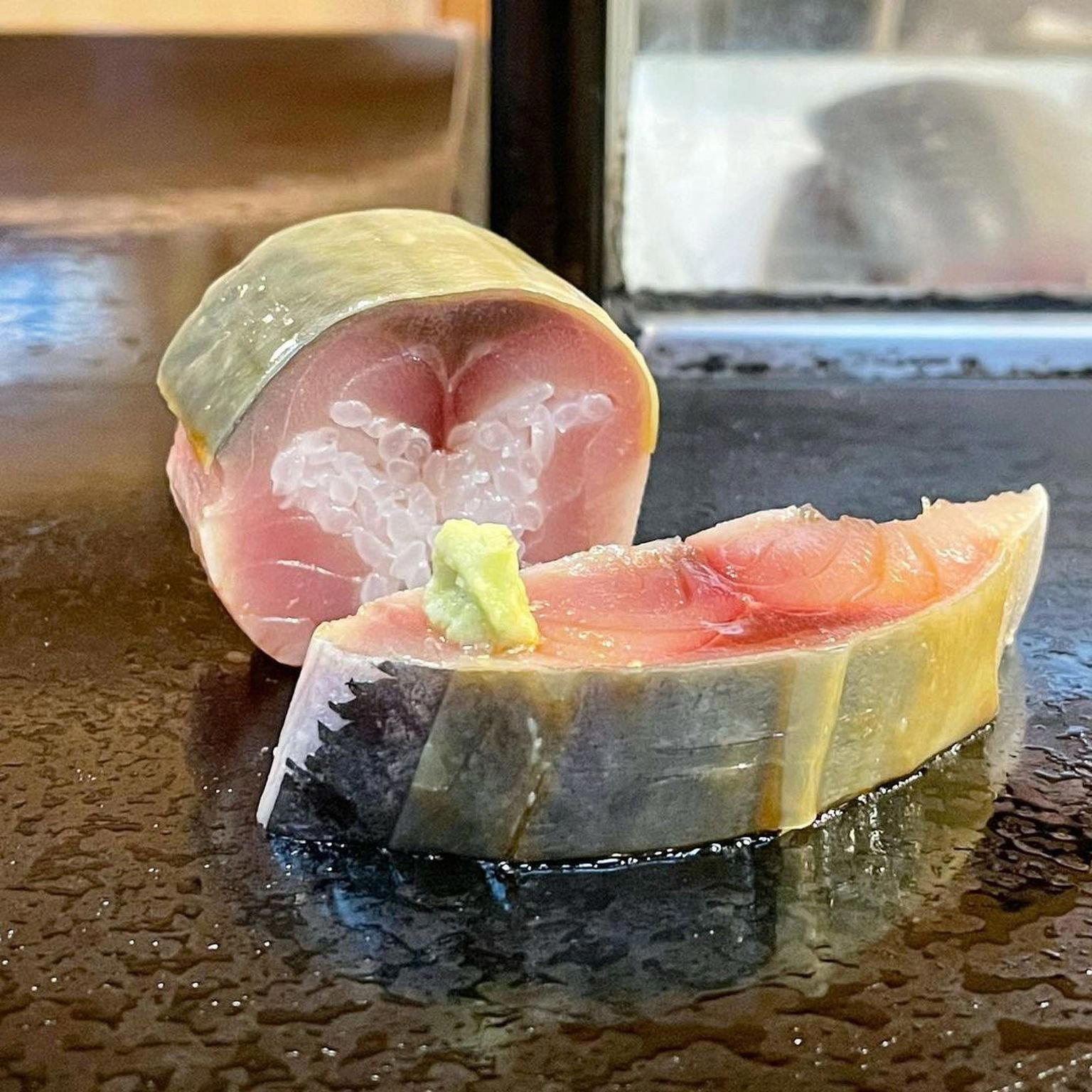
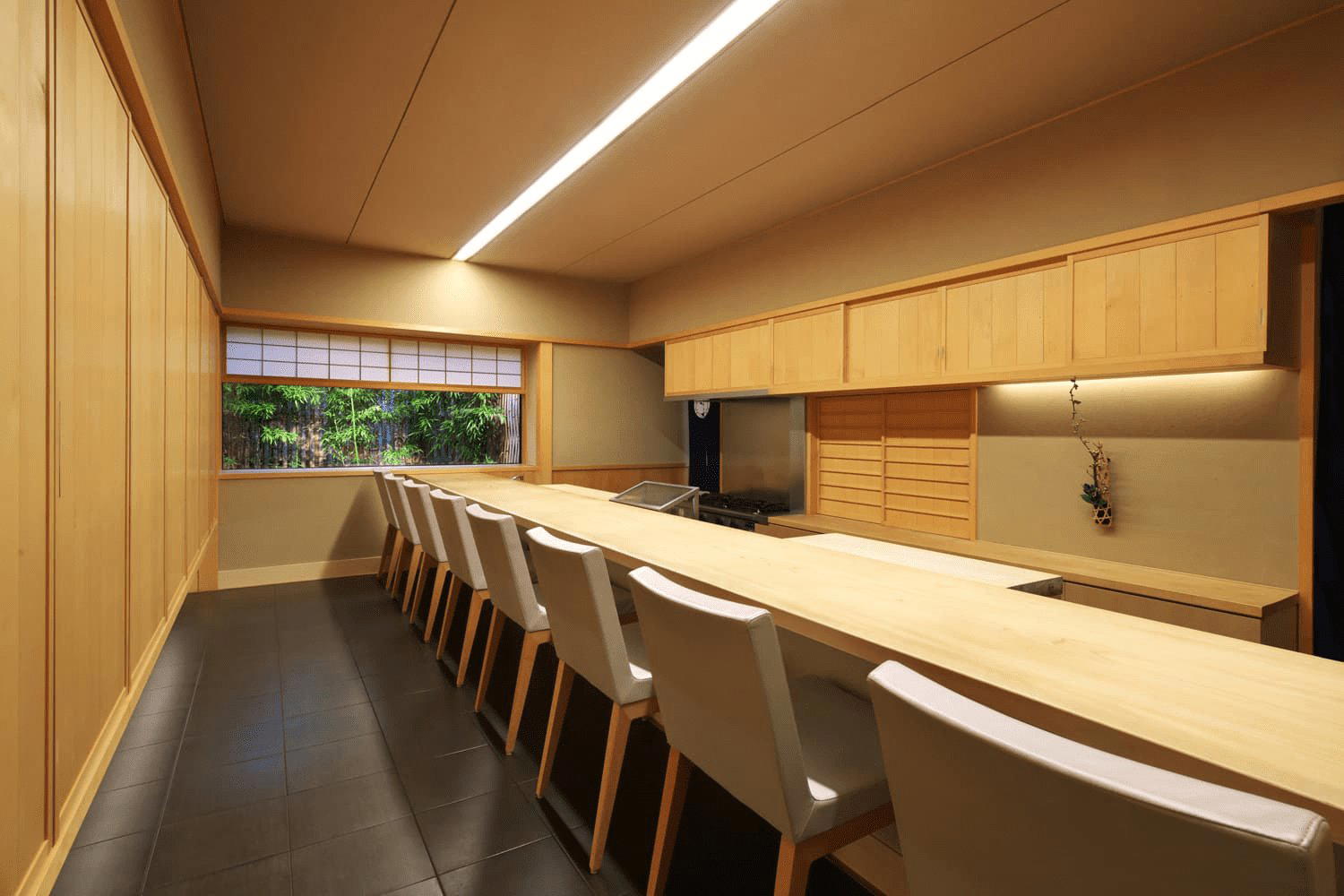
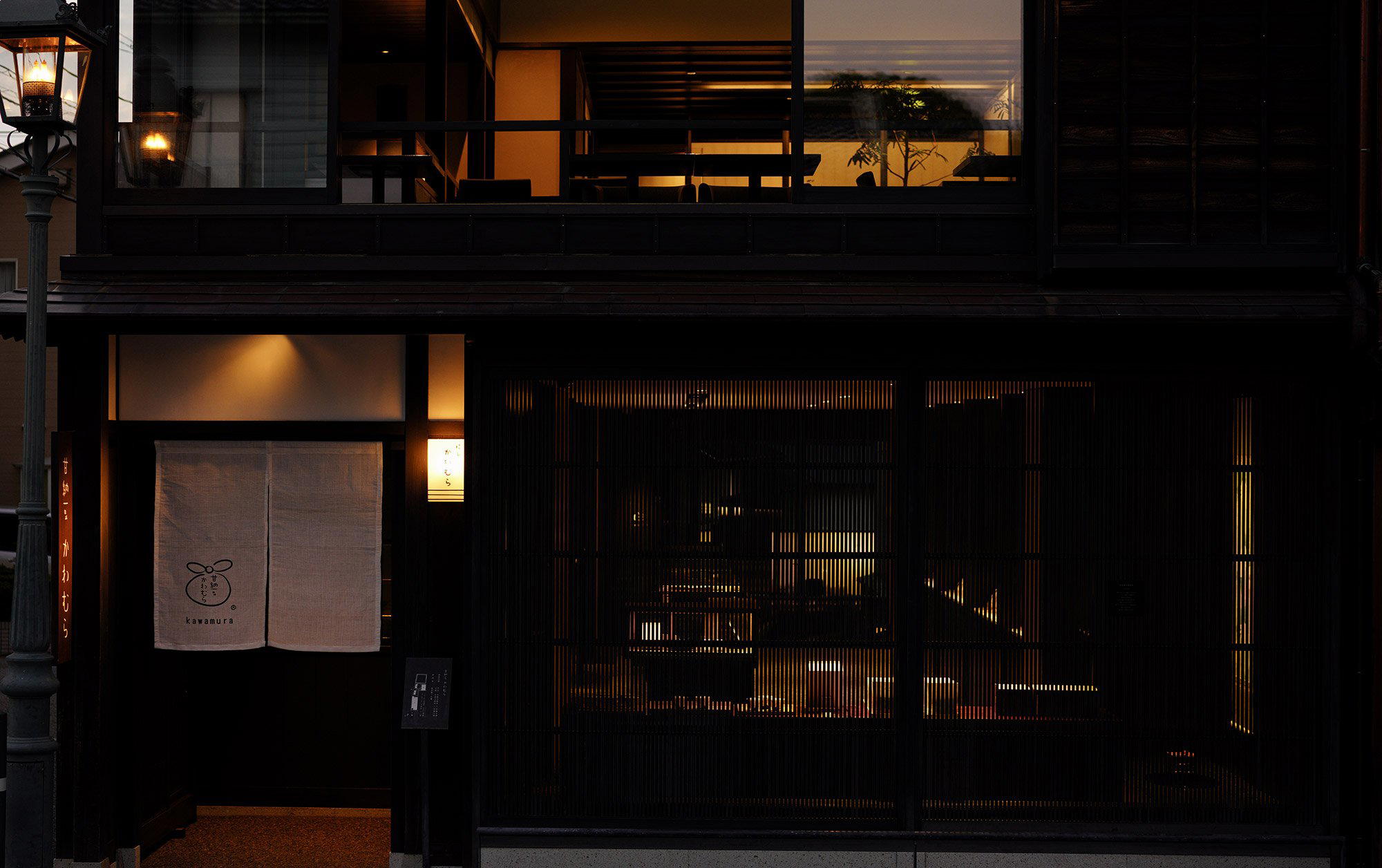
Hotels in Hakusan
Browse all →
Wineries in Hakusan
Browse all →
Details
- Casual
- Family
- Group Dining
- Casual Hangout
- A La Carte
- Small Plates
Casual atmosphere suitable for groups and families.