Our verdict
ベッキエッタ sits in Fukui's Kamogawara district, where Italy's regional cooking tradition meets one of Japan's most ingredient-rich prefectures. The restaurant operates within a broader shift among Japan's regional cities toward European-influenced dining that takes local produce seriously. For visitors already exploring Fukui's dining scene, it represents a distinct point on that map.

Pearl is the En Primeur Club membership app — saves, bookings, and concierge access live there. Same editors, same standards.
- Address
- 1 Chome-4-5 Kamogawara, Fukui, 918-8057, Japan
- Phone
- +81776330674
- Hours
- Mon ClosedTue–Sun 11:30 AM–2 PM, 6–9:30 PM
- Directions
- Get directions
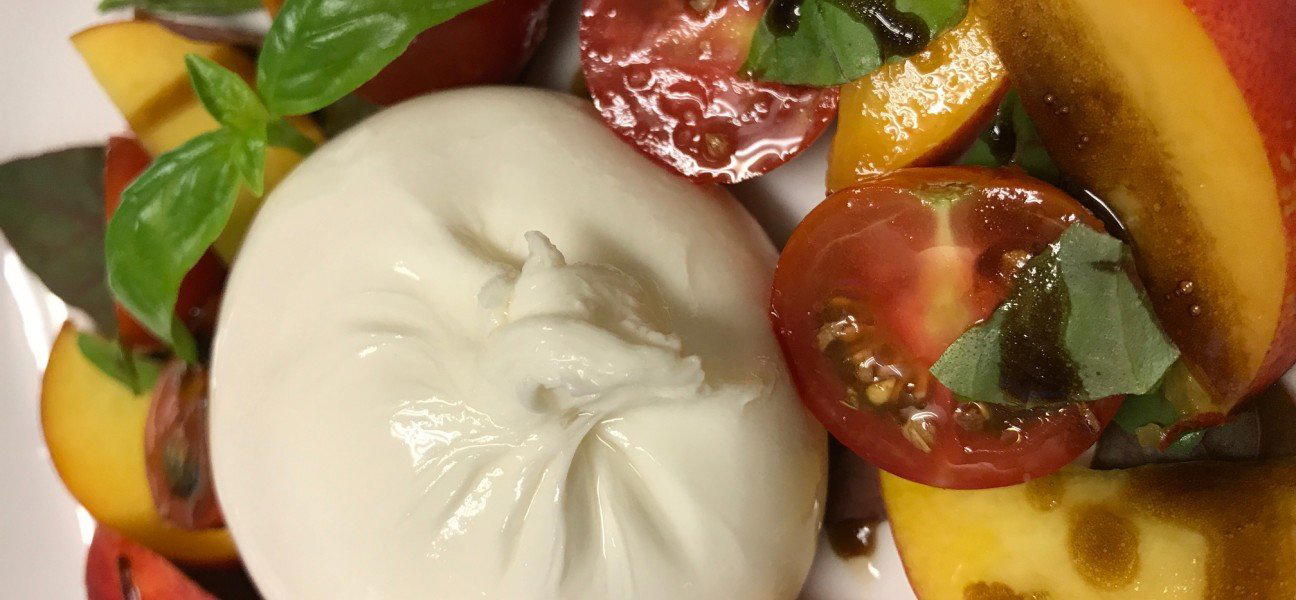
The menu
What to order
- 洋梨とスカモルツァの重ね焼き
- 白子とウニのパスタ
- イベリコ豚の薪釜焼き
Where Italian Structure Meets a Fukui Kitchen
Fukui prefecture does not announce itself loudly on Japan's dining circuit, and that restraint is part of its appeal. The prefecture sits on the Sea of Japan coast, roughly two hours from Kyoto by limited express, and its food culture draws from cold-water seafood, mountain vegetables, and a sake tradition that predates most of the restaurants now serving alongside it. Against that backdrop, the emergence of European-influenced dining rooms in the city — places that apply Italian or French structure to ingredients pulled from Fukui's farms and coastline — reflects a pattern visible across Japan's mid-size regional cities. ベッキエッタ, addressed in the Kamogawara district, occupies that space.
The name itself signals Italian orientation: vecchietta is an Italian diminutive with old-world domestic connotations, the kind of name that suggests home cooking refined through discipline rather than spectacle. In Italian regional dining, the logic of the meal is sequential and deliberate, antipasto gives way to primo, which hands off to secondo, and the whole arc is designed to build appetite, then satisfy it, then close cleanly. When that structure is transposed to a Japanese prefecture like Fukui, the ingredients shift but the sequencing logic can remain, producing a meal that reads as European in its grammar but local in its vocabulary.
The Arc of a Meal: How the Progression Works
In restaurants built around multi-course sequencing, the kitchen's real skill shows in pacing and proportion rather than in any single dish. A well-constructed progression manages acidity, richness, temperature, and texture across the full run, not just within individual plates. The early courses tend to establish a baseline: something light, something that signals the kitchen's approach to seasoning and sourcing. By the middle of the meal, protein and weight arrive. The final arc, a cheese course in Italian tradition, or a dessert that echoes an earlier flavor, closes the loop.
Fukui's ingredient base is particularly well-suited to this format. The prefecture is known for echizen kani, the snow crab harvested from the Sea of Japan between November and March, which commands a premium across Japan's high-end restaurant market. Fukui is also a significant producer of soba, sweet potatoes, and cultivated seafood that does not routinely travel to Tokyo's wholesale markets, making it a genuine source of local specificity for kitchens willing to build relationships with suppliers. A restaurant applying Italian multi-course logic to these materials has a credible larder to work from, particularly in the colder months when the coastal catch is at its richest.
The comparison set for a restaurant like ベッキエッタ is not Fukui's sushi counters or its kaiseki rooms. The relevant peer group is Japan's broader cohort of regional Italian-influenced restaurants that anchor their identity in local sourcing: places like akordu in Nara, which has built a recognized position by applying a European framework to Yamato ingredients, or the more technically ambitious rooms such as HAJIME in Osaka, which operates at the outer edge of that tradition. ベッキエッタ, based in a prefecture that still sits below the radar for most international visitors, operates in a quieter register than either of those, which is precisely the point.
Fukui's Dining Context and Where This Fits
Fukui city's restaurant scene is compact by the standards of Japan's larger prefectural capitals. The dining options that receive consistent attention include Sushi Jubei, which works within the city's strong sushi tradition, Kaikatei for Chinese cooking, and Miyazaki among others. A fuller picture of what the city offers is mapped in our full Fukui restaurants guide. Within that context, a European-format multi-course room represents a distinct category rather than a competing one.
Across Japan's regional cities, the restaurants that have carved out durable reputations in European formats tend to share a few characteristics: they prioritize local sourcing over imported prestige ingredients, they keep seat counts low enough to maintain course quality, and they build a loyal local clientele rather than relying on destination dining traffic. The Hokuriku coast, which includes Fukui, Ishikawa, and Toyama prefectures, has seen this pattern develop gradually, with places like 一本木 糀川製 in Nanao and 湖隣庵 in Takashima drawing attention to the region's potential as a serious dining destination. ベッキエッタ sits within that broader Hokuriku arc.
For reference on what ambition looks like at the top of Japan's regional dining tier, Gion Sasaki in Kyoto and Goh in Fukuoka illustrate how regional Japanese cities can sustain internationally recognized fine dining. Harutaka in Tokyo operates in a different category entirely, but serves as a useful calibration point for understanding how seriously Japan's dining culture takes craft at a counter level. At the international end, Le Bernardin in New York City and Atomix in New York City represent the kind of format discipline and course architecture that the leading multi-course rooms aspire toward. For other regional perspectives, 夕暮れ山之 in Sapporo, 鶴羽屋 in Nishikawa Machi, and Birdland in Sakai each illustrate how Japan's smaller cities approach the question of serious dining on their own terms.
Planning a Visit: Practical Notes
ベッキエッタ is located at 1 Chome-4-5 Kamogawara, Fukui, 918-8057. Fukui city is accessible via the Hokuriku Shinkansen from Tsuruga, which connects to Tokyo and Osaka, making a dedicated dining trip from either city viable as a day trip with an overnight extension. The Kamogawara district sits close to the Asuwa River, a short distance from the city center. As with most small-format European-influenced restaurants in Japan's regional cities, booking in advance is advisable; these rooms rarely hold walk-in capacity, and the multi-course format means tables turn slowly. Also worth exploring in the city are 寿司盤 and 御料亭 山亭 for a fuller sense of what Fukui's dining range covers.
Frequently asked questions
What part of town is ベッキエッタ in?
ベッキエッタ is located at 1 Chome-4-5 Kamogawara, Fukui, 918-8057, Japan, Fukui.
How do I get to ベッキエッタ from Tokyo by train?
The Hokuriku Shinkansen connects Tokyo to Tsuruga, where a transfer brings you into Fukui city. From central Fukui station, the restaurant's address at 1 Chome-4-5 Kamogawara is reachable by taxi or local transit. Total rail journey time from Tokyo runs approximately two and a half to three hours depending on connection timing.
What should I eat at ベッキエッタ?
ベッキエッタ operates within an Italian multi-course structure, which means the kitchen determines the progression rather than à la carte selection. Fukui prefecture's proximity to the Sea of Japan makes local seafood a likely thread through the menu. The most direct approach is to come without a fixed dish expectation and let the course unfold as sequenced.
Do I need a reservation for ベッキエッタ?
For any multi-course Italian restaurant in a compact dining city like Fukui, walk-ins carry real risk of finding the kitchen fully committed. The address at 1 Chome-4-5 Kamogawara places the restaurant away from Fukui's main commercial strip, suggesting a destination format rather than casual passing trade. Booking ahead is the prudent approach, particularly on weekends.
What's ベッキエッタ best at?
The restaurant's defining strength appears to be structural: applying Italian multi-course sequencing to ingredients native to Fukui and the surrounding Hokuriku region. In a prefecture where the dining circuit remains compact and low-profile by national standards, that kind of disciplined course architecture is relatively rare. Pacing and proportion across a full progression, rather than any single signature dish, is where the kitchen's skill shows.
Is ベッキエッタ allergy-friendly?
Allergy accommodation at course-format restaurants depends heavily on advance communication, and ベッキエッタ is no exception. A set Italian progression built around seasonal Fukui ingredients leaves limited room for substitution without notice. check the venue's official channels before your booking to discuss specific dietary requirements — no public allergy policy is documented.
Is eating at ベッキエッタ worth the cost?
Pricing data for ベッキエッタ is not publicly listed, which is common for course-menu restaurants in smaller Japanese prefectural cities. For context, multi-course Italian dining in Fukui city sits in a market with far fewer comparable options than Osaka or Kanazawa, which affects both value perception and the rarity of the offer. The clearest way to assess cost against expectation is to confirm the current course price directly when reserving.
Recognition, Side-by-Side
Comparable venues nearby, for context on price, style, and recognition.
| Venue | Cuisine | Price | Notes |
|---|---|---|---|
| ベッキエッタThis venue — the venue you are viewing | Cheese-Focused Italian | Not listed | Not listed |
| トラットリア チャオ | Modern Italian Trattoria with Local Fukui Ingredients | $20–30 | Fukui Station area |
| オステリア ダ シルバーノ | Venetian Osteria | $50–100 | Chuo |
| 鮨 åå µè¡ | Traditional Fukui Omakase Sushi | Not listed | Fukui |
| サンドウィッチ&コーヒー トレモロ | Sandwich & Coffee Cafe | $10–20 | 越前開発 |
| çå µè¡ | japanese | Not listed | Fukui |
Continue exploring
More in Fukui
Restaurants in Fukui
Browse all →
Details
- Cozy
- Date Night
- Casual Hangout
- Standalone
- A La Carte
Current opening hours
- Monday
- Closed
- Tuesday
- 11:30 AM–2 PM, 6–9:30 PM
- Wednesday
- 11:30 AM–2 PM, 6–9:30 PM
- Thursday
- 11:30 AM–2 PM, 6–9:30 PM
- Friday
- 11:30 AM–2 PM, 6–9:30 PM
- Saturday
- 11:30 AM–2 PM, 6–9:30 PM
- Sunday
- 11:30 AM–2 PM, 6–9:30 PM
Hours can change for holidays and private events. Last verified .
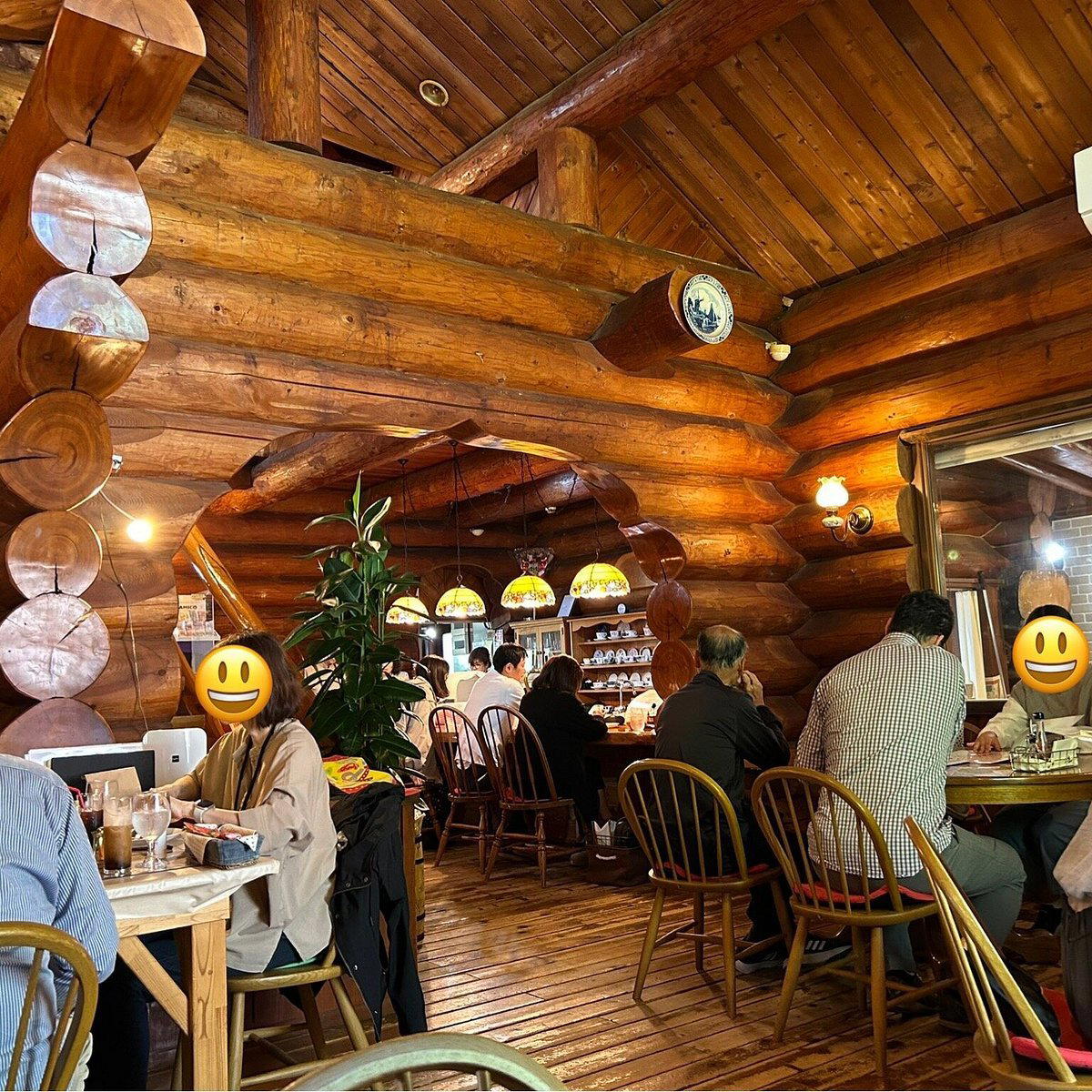
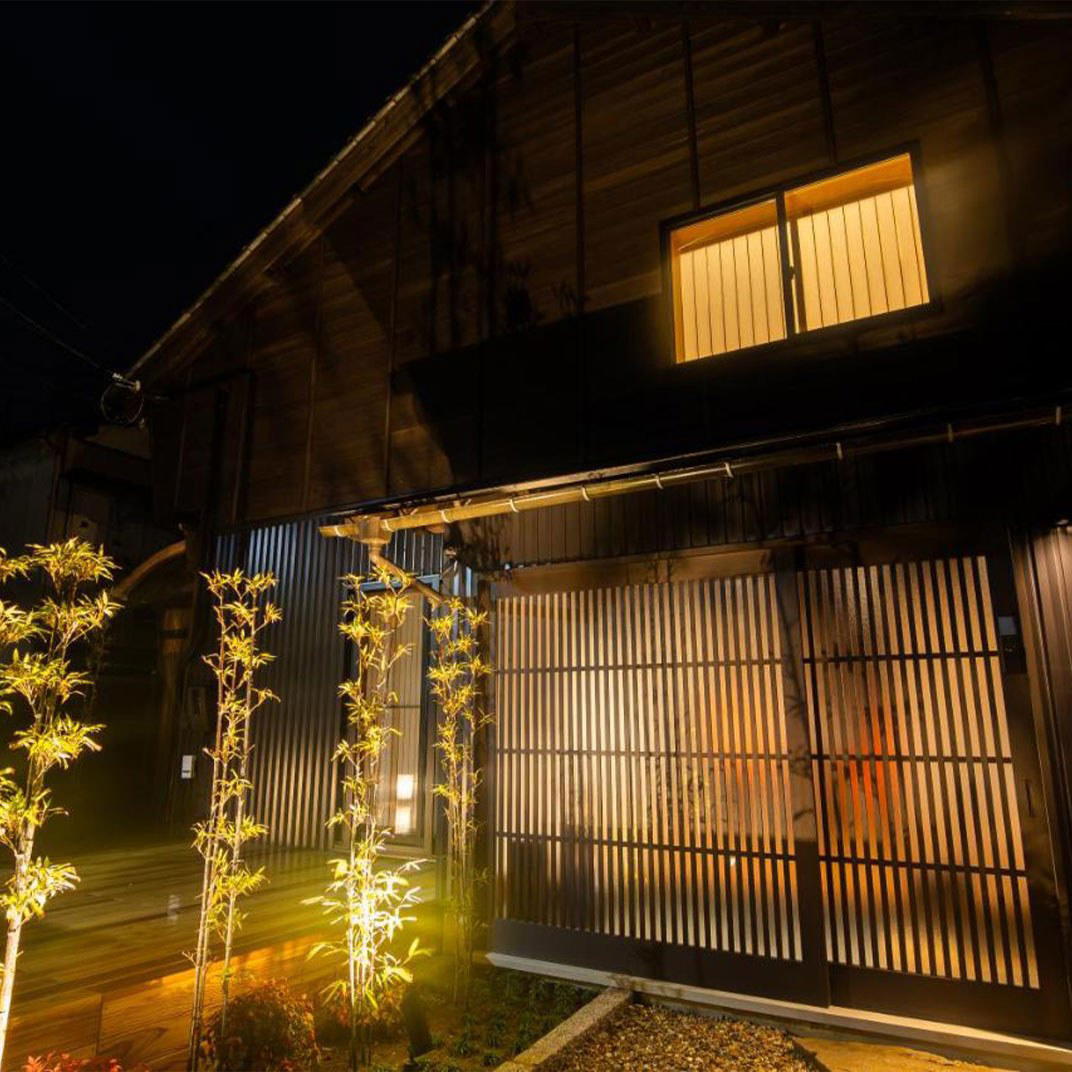
Cozy standalone house restaurant with a welcoming atmosphere.