고향칼국수
고향칼국수 sits on a quiet lane off Jongno in central Seoul, serving the kind of hand-cut noodle soups that defined neighbourhood eating in the capital long before the fine-dining boom. The address places it among Jongno's older commercial fabric, where lunch counters and small family kitchens have operated for decades alongside government offices and traditional markets.
 Discover on Pearl
Pearl is the En Primeur Club membership app — saves, bookings, and concierge access live there. Same editors, same standards.
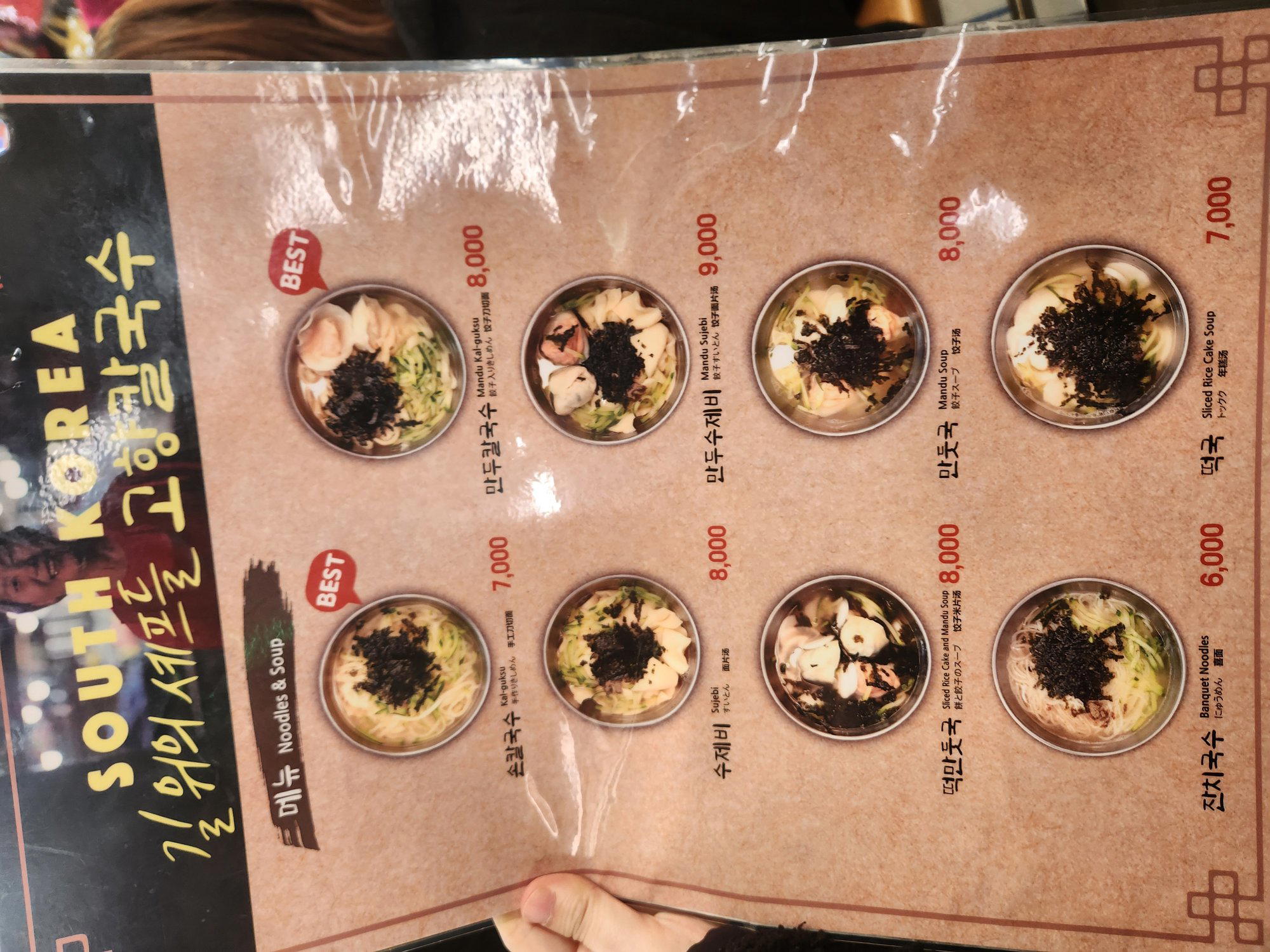
Jongno's Noodle Tradition and Where 고향칼국수 Sits Within It
Seoul's kalguksu culture runs deeper than most visitors register. Long before the city's contemporary restaurant scene drew international attention through venues like Mingles or Jungsik, the hand-cut noodle soup known as 칼국수 (kalguksu) was doing the work that sustains a city: feeding office workers, market vendors, and neighbourhood regulars on wheat noodles cut to order and simmered in broth. The dish is fundamentally communal in character, large bowls, shared tables, low prices, and its continued presence in central Seoul speaks to a segment of the dining culture that fine-dining expansion has not displaced.
고향칼국수 occupies an address on 종로32길, a side street running off Jongno in the 1·2·3·4가동 district. This stretch of central Seoul is not a dining destination in the curated sense. It is working-city fabric: small offices, older commercial buildings, and the kind of foot traffic generated by proximity to Gwanghwamun and the central government quarter. Restaurants that survive here for years do so because they serve a reliable local need, not because they attract tourism or media coverage. That context matters when reading what 고향칼국수 represents.
Kalguksu as a Category: What the Dish Demands
Kalguksu sits in a specific register of Korean food. Unlike naengmyeon, which carries regional prestige markers and price variation, or ramyeon, which exists as a convenience category, kalguksu occupies a middle ground: a labour-intensive dish (the noodles require cutting by hand or machine to order) that is nonetheless positioned as everyday eating. The broth base varies by region and kitchen, seafood-based anchovy stocks, clam broths, and chicken-based versions each have their proponents, and the noodles themselves vary in thickness and texture depending on the cook's preference and the flour hydration.
In Seoul's Jongno district specifically, kalguksu restaurants cluster around older commercial zones and traditional market areas. The dish's association with Korean home cooking and the concept of 고향 (hometown, origin) is embedded in the restaurant's name itself: 고향칼국수 translates roughly as "Hometown Kalguksu," a framing that signals comfort-register cooking rather than innovation or prestige. This is relevant to how the kitchen likely operates: consistency and familiarity are the primary values, not evolution or technique display.
The Service Dynamic in Korean Neighbourhood Restaurants
Service operates differently in a traditional neighbourhood restaurant than it does at, say, Kwonsooksoo or Soigné, where front-of-house, kitchen, and beverage programs function as distinct disciplines. In a small kalguksu counter, those roles compress. The person taking the order is often also the person managing the kitchen timing and clearing the table. That compression is not a limitation, it is a different kind of coordination, one that prizes speed, accuracy, and the ability to manage a high turnover of regulars who know exactly what they want before they sit down.
This compressed service model is common across Seoul's older neighbourhood lunch formats. It is also why the experience at places like 고향칼국수 reads so differently from Seoul's contemporary dining tier represented by venues like alla prima. The absence of ceremony keeps the focus on the food rather than the performance around it.
Placing 고향칼국수 in Seoul's Broader Eating Map
Seoul's restaurant culture in 2024 and 2025 increasingly bifurcates between internationally oriented fine dining (with Michelin coverage, tasting menus priced against Tokyo or Copenhagen peers) and deeply local everyday eating that operates almost entirely outside that international framework. 고향칼국수 belongs to the latter category. It does not compete with the contemporary Korean tier represented by venues like 7th Door, Onjium, or Zero Complex. Its competitive comparable set is the cluster of kalguksu and noodle specialists that serve the Jongno lunch trade.
For travellers whose Seoul itinerary runs through the central district, visiting Gyeongbokgung, Bukchon, or the Gwanghwamun area, understanding this category of restaurant matters. The same logic applies elsewhere in Korea: in Busan, you find similar everyday-format specialists like Mori operating in different registers; in Jeju, comfort-food formats anchor local eating at spots like Badang Lounge. Seoul's neighbourhood noodle houses occupy an equivalent position in the capital's food geography.
The address at 03195 places this restaurant in central Seoul.
Other regional Korean specialists worth cross-referencing for context include Gyeongju Wonjo Kongguk in Gyeongju, which operates in a similar vein of long-standing regional speciality cooking, and Hwangnam Bread and Busan Steamed Bun, another example of a named Korean food tradition sustained through consistent execution rather than reinvention. Further afield, Gobojeong Galbi in Suwon and Doosoogobang represent the same principle applied to different regional specialities. On Jeju, 88돼지 and Black Pork BBQ anchor a comparable local-specialist category, as does Hinode in 서귀포시 and Dining Room in Busan. For international comparison points in Korean-influenced fine dining, Atomix in New York City shows how far the tradition has travelled into tasting-menu territory, while Le Bernardin offers a reference point for what sustained kitchen discipline looks like across decades in a different tradition entirely.
Know Before You Go
- Address: 5 종로32길, 종로1·2·3·4가동, 서울특별시 03195
- Nearest transit: Jongno 3-ga station (Seoul Metro Lines 1, 3, 5)
- Price range: About ₩7 per person
- Booking: Walk-in friendly
Credentials Lens
Comparable venues nearby, for context on price, style, and recognition.
| Venue | Cuisine | Price | Awards | Notes |
|---|---|---|---|---|
| 고향칼국수This venue — the venue you are viewing | Hand-Pulled Korean Kalguksu | $ | , | |
| Joseon Gimbap | Traditional Joseon Gimbap | $ | , | 가회동 |
| Migabon Restaurant | Traditional Korean Porridge (Juk) | $ | , | 소공동 |
| 화목순대국 | Traditional Korean Sundae & Offal Soup | $ | , | Yeouido (여의도) |
| Han Chu Fried Chicken | Korean Fried Chicken | $ | , | Sinsa-dong |
| Jinju Jip | Traditional Korean Kongguksu & Noodle Soup | $$ | , | 용강동 |
Continue exploring
More in Seoul
Restaurants in Seoul
Browse all →
At a Glance
- Rustic
- Cozy
- Classic
- Casual Hangout
- Standalone
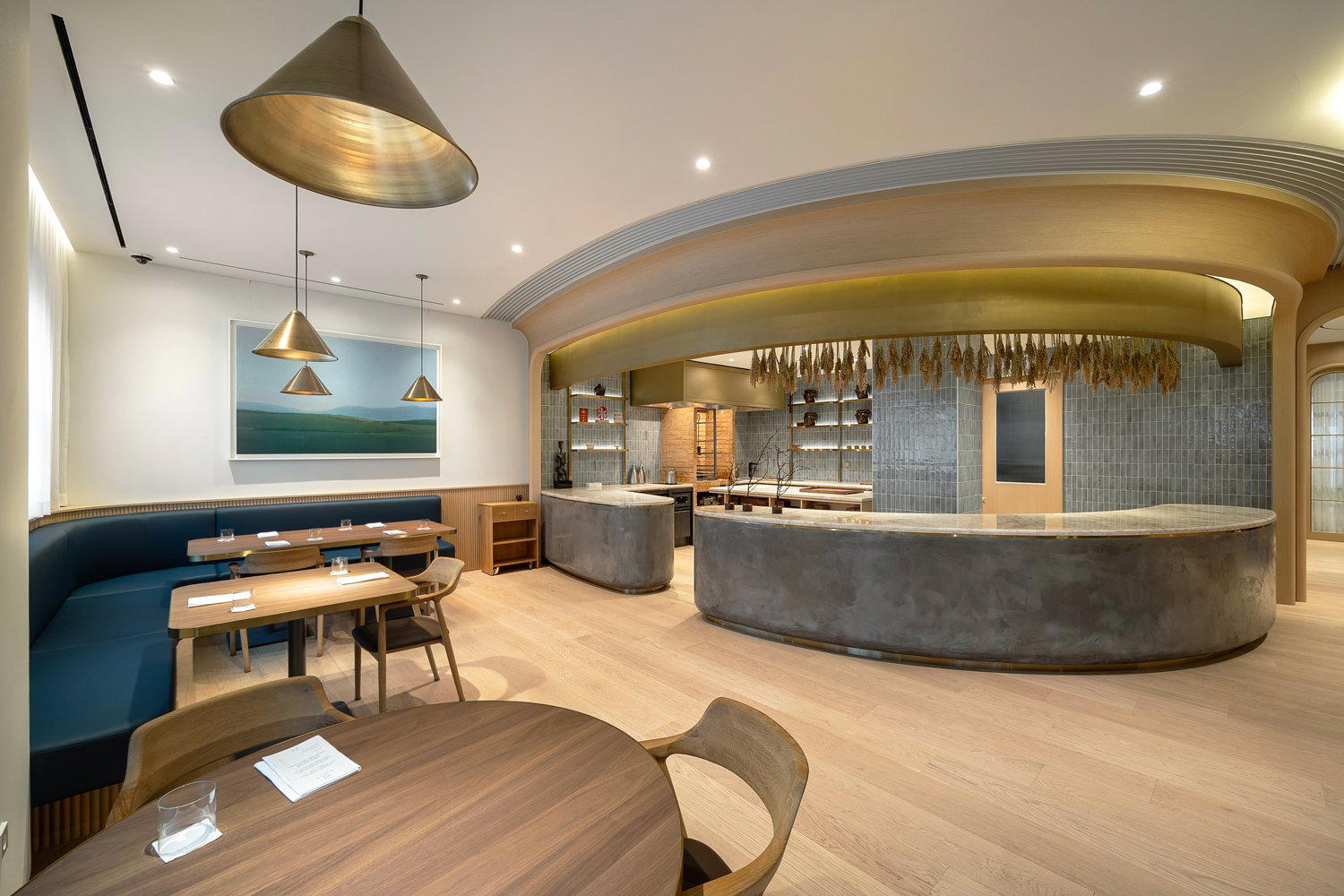
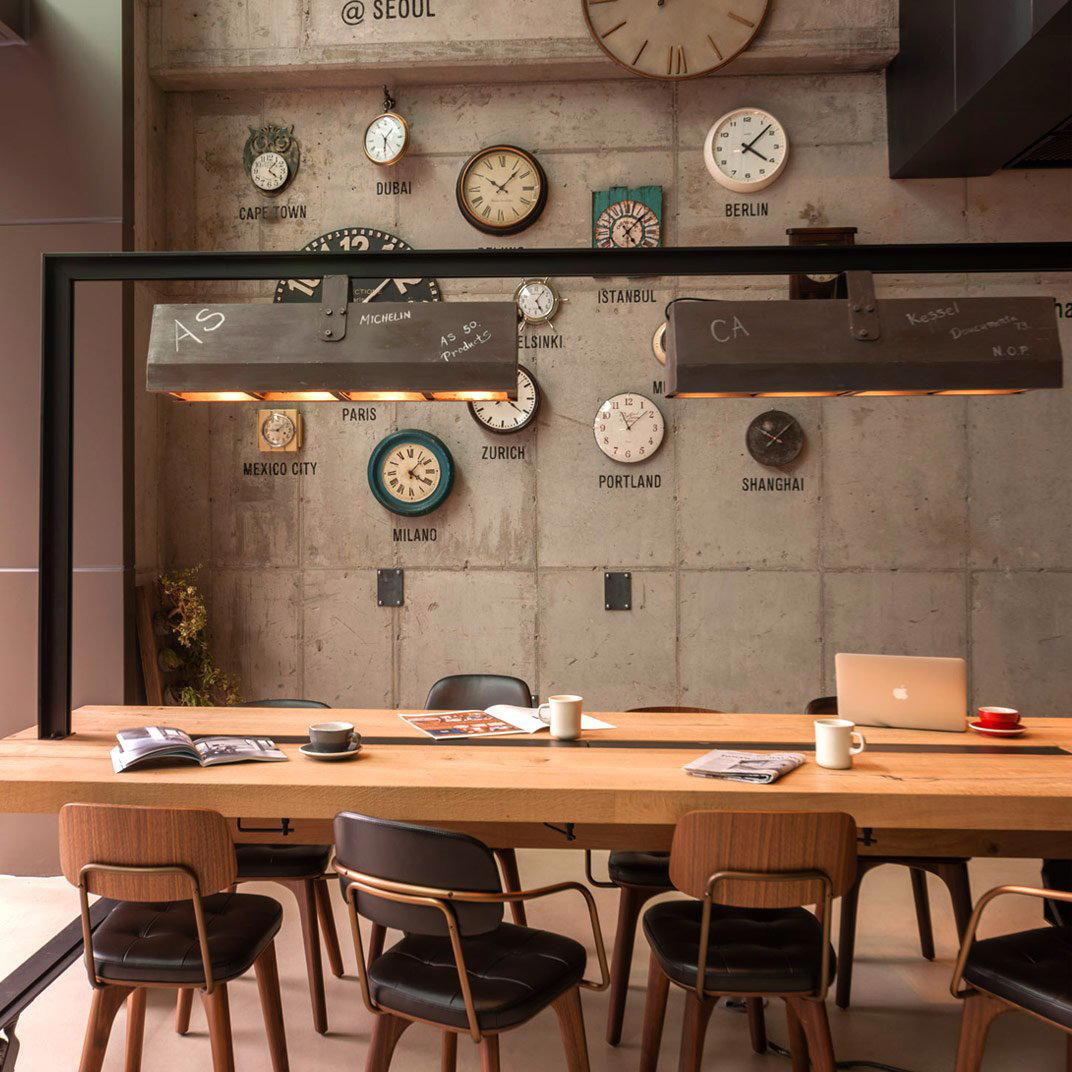
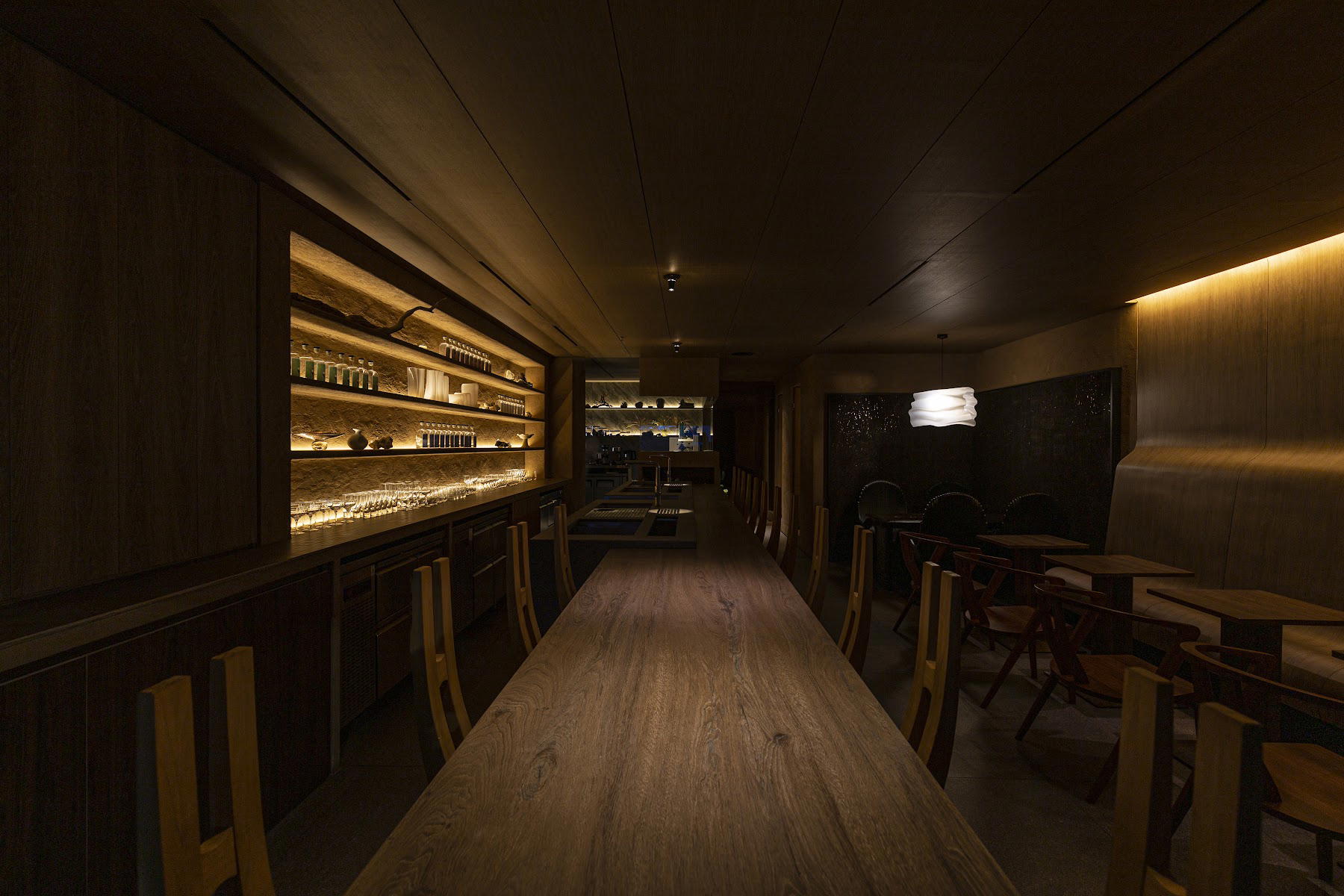
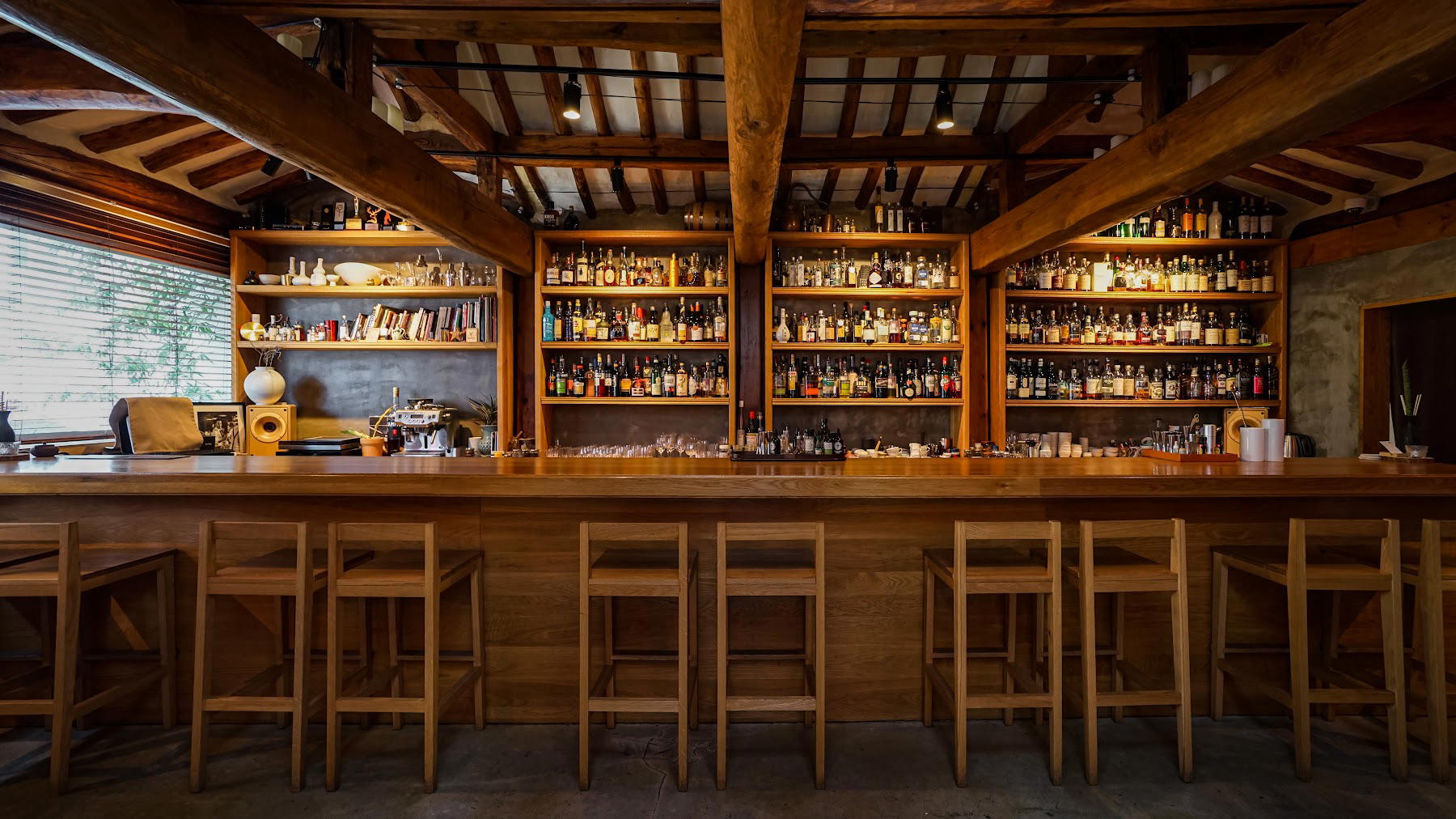
Casual, lively market stall atmosphere with quick service and simple kimchi banchan.