Joseon Gimbap
Our verdict
Located on Yulgok-ro 3-gil in Seoul's Jongno District, Joseon Gimbap sits at the intersection of historical neighbourhood character and Korea's renewed interest in refining its most everyday foods. The address places it among the older civic and cultural fabric of central Seoul, where gimbap as a format carries particular weight as both street staple and subject of serious culinary attention.

Pearl is the En Primeur Club membership app — saves, bookings, and concierge access live there. Same editors, same standards.
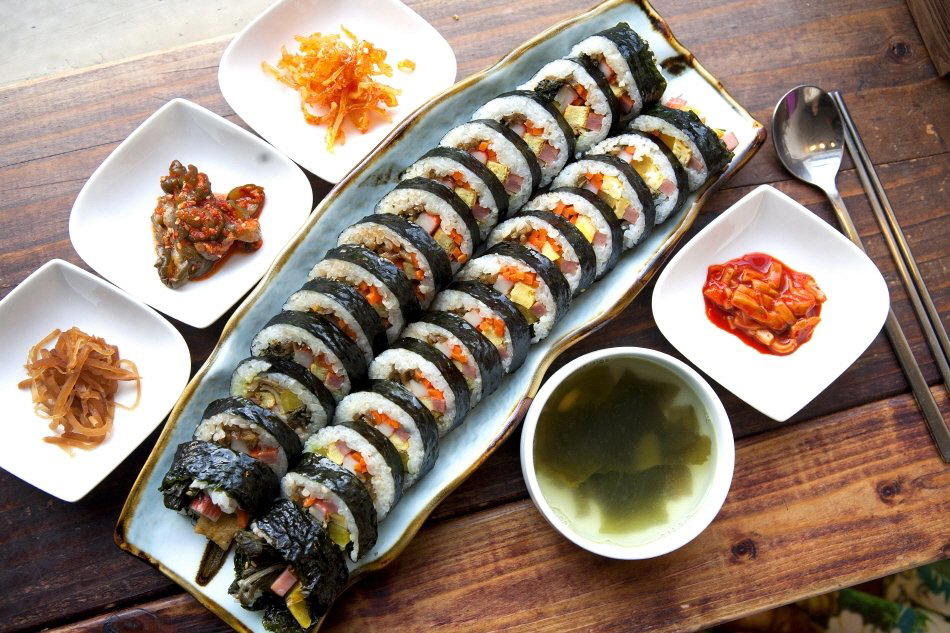
The menu
What to order
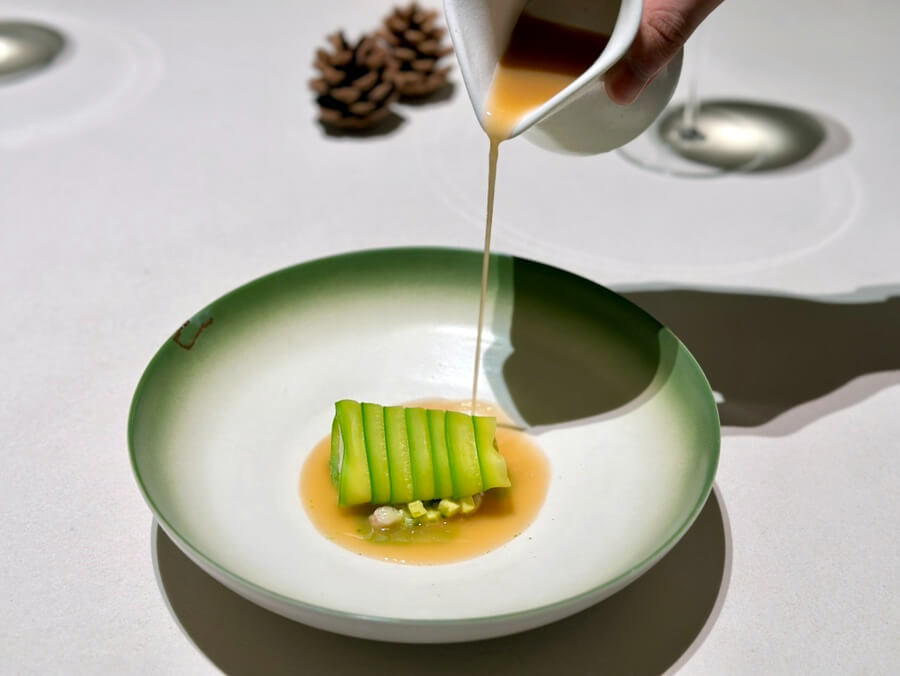
- Vegetable gimbap
- Fishcake gimbap with wasabi
Jongno and the Quiet Rehabilitation of Everyday Korean Food
There is a telling pattern in how Korean dining culture has evolved over the past decade. While the international conversation fixated on Seoul's high-end tasting menus — the Mingles and Jungsik tier, or the precisely composed Kwonsooksoo format — a quieter reappraisal was happening at ground level. Chefs and restaurateurs began turning serious attention toward the foods Koreans eat without thinking: bibimbap, kimbap, dosirak. The argument embedded in that shift is significant. If the technical rigour and sourcing discipline applied to omakase or tasting menus could be redirected toward the most vernacular Korean forms, what would they become?
Gimbap is the most democratic of Korean foods. Seaweed, rice, fillings, rolled and sliced, it appears in convenience stores at four hundred won and in school lunchboxes and on every street corner near a subway entrance. Its ubiquity has historically worked against it being taken seriously as a culinary object. That is precisely why a restaurant placing gimbap at the centre of its identity, in the Jongno District of all places, carries some weight as a statement.
Jongno is one of Seoul's oldest administrative and cultural zones, running from Gyeongbokgung Palace toward the old city walls. The streets around Yulgok-ro 3-gil sit close to Bukchon Hanok Village and the dense civic history of central Seoul. This is not the neighbourhood for trend-chasing. The area's character skews toward durability, teahouses that have operated for decades, institutions rooted in tradition rather than novelty. A gimbap specialist here reads differently than one in Hongdae or Seongsu. It positions itself within, not against, the neighbourhood's register.
The Architecture of a Menu Built Around One Thing
The editorial angle that matters most when assessing a restaurant like Joseon Gimbap is menu architecture. A menu built around a single form, gimbap, tells you something immediately about the kitchen's intellectual commitment. It is an argument made in structure. The decision to specialise rather than diversify is itself a claim: that the form has enough depth to sustain a full menu, that variations within it are worth mapping carefully, and that the guest's attention should be held by nuance rather than range.
This kind of focused menu design has precedents across dining cultures. The most demanding sushi counters in Tokyo do not offer a chicken option. Great pasta restaurants in Rome do not pad the menu with grilled proteins. The compression is the point. When a kitchen narrows its scope to a single dish or format, every variable within that format becomes load-bearing: the variety and seasoning of the rice, the quality and preparation of the fillings, the texture and freshness of the gim, the precision of the roll and the cut. None of it can be hidden behind the distraction of a broad menu.
At the highest end of Seoul's tasting menu circuit, restaurants like Soigné and alla prima demonstrate what focused, deliberate menu thinking looks like within an innovative Korean framework. Joseon Gimbap operates at a different price tier and format entirely, but the underlying discipline of saying less in order to say something more precisely is the same principle applied to a vernacular register.
The name itself carries information. Joseon references the dynasty that defined Korean culture for over five centuries, lending the restaurant a claim to roots rather than novelty. A gimbap restaurant that invokes that frame is suggesting its approach draws on something more considered than contemporary food trend cycles, an alignment with historical foodways rather than a pivot toward them.
Where It Sits Among Seoul's Broader Eating Patterns
Seoul's restaurant ecosystem has always been layered in ways that confound simple hierarchies. The city that produces Michelin-starred Korean haute cuisine also sustains some of the world's most serious street food and pojangmacha culture. Those registers do not compete so much as coexist within the same appetite. The current wave of specialist restaurants, treating a single Korean dish or tradition with the sourcing rigour and environmental attention usually reserved for tasting menus, sits somewhere between those poles.
Beyond Seoul, Korea's broader culinary geography reflects similar patterns of specialisation and regionalism. Mori in Busan, Double T Dining in Gangneung, and Doosoogobang in Suwon each demonstrate how strong regional food identity exists outside the capital. Meanwhile, Injegol in Inje County and Baegyangsa Temple in Jangseong-gun point toward the deeper temple food and mountain cuisine traditions that underpin Korean cooking's more refined registers. Even further afield, Cheon Jee (천지) and venues on Jeju like The Flying Hog in Seogwipo show how varied the island's food identity has become. Joseon Gimbap's Jongno address places it firmly within Seoul's centre, but the conversation it joins is national.
In international terms, the move toward serious treatment of humble foods is a familiar arc. Le Bernardin in New York demonstrated decades ago that a format commitment, in that case, fish, could sustain a grand restaurant. More recently, formats like Lazy Bear in San Francisco showed how structure and intentionality could reframe casual American food within a high-attention dining experience. The Korean version of this is still developing its vocabulary, and gimbap specialists are among the more interesting sites of that development.
For visitors covering Seoul's dining across multiple registers, Jongno provides a useful anchor point. The neighbourhood sits within reach of central Seoul's transit infrastructure, and the district's cultural density, palaces, markets, old alleyways, gives it a rhythm distinct from Gangnam's commercial polish or Itaewon's international layering. Market Café in Incheon and Kwon Sook Soo in Gangnam-gu represent other nodes in the wider Seoul-area eating map for those moving between neighbourhoods.
Walk-in access is a reasonable assumption given the format, but the Jongno area sees significant foot traffic from both domestic visitors and tourists near the palace districts, particularly on weekends. See our full Seoul restaurants guide for neighbourhood-by-neighbourhood orientation across price points and dining formats. Also worth cross-referencing: 에버리움펜션 in Cheoin for those exploring the broader Gyeonggi-do region around Seoul.
Frequently asked questions
Where is Joseon Gimbap in Seoul?
Joseon Gimbap is located at 68 Yulgok-ro 3-gil, Jongno District, Seoul, South Korea, Seoul.
Is Joseon Gimbap in Jongno a good option for a quick solo meal in Seoul?
Joseon Gimbap at 68 Yulgok-ro 3-gil sits in Jongno District, one of Seoul's most walkable central neighbourhoods and a practical stop whether you are coming from Gyeongbokgung or the Insadong corridor. The single-form gimbap menu lends itself to fast, low-friction eating — the format is self-contained portions rather than a shared-table spread. No price data is confirmed, but gimbap-specialist restaurants in Seoul's Jongno area have historically represented accessible price points by the city's standards.
What do regulars order at Joseon Gimbap?
Joseon Gimbap structures its menu around gimbap as the central form, so returning visitors tend to work through the range of gimbap variations on offer rather than branching into peripheral dishes. The kitchen's focus is narrow by design — this is a Jongno address built around doing one thing with consistency rather than offering a broad spread.
What's the best way to book Joseon Gimbap?
No booking phone number or website is currently listed for Joseon Gimbap. The address is 68 Yulgok-ro 3-gil, Jongno District, Seoul — walking in directly is the most reliable approach until official contact details are confirmed. Jongno-area gimbap spots of this type often operate on a first-come basis rather than advance reservations.
What's the standout thing about Joseon Gimbap?
The defining characteristic of Joseon Gimbap is its refusal to diversify. In a Seoul dining scene that runs from Michelin-starred tasting menus to sprawling Korean barbecue halls, a restaurant that anchors its entire identity to gimbap — a form long dismissed as canteen food — makes an editorial statement about what Korean everyday cooking can support when taken seriously. The Jongno District location places it in one of Seoul's most historically dense neighbourhoods, reinforcing that positioning.
Recognition, Side-by-Side
Comparable venues nearby, for context on price, style, and recognition.
| Venue | Cuisine | Price | Notes |
|---|---|---|---|
| Joseon GimbapThis venue — the venue you are viewing | Traditional Joseon Gimbap | $1–10 | Not listed |
| 진옥화할매 원조닭한마리 (陳玉華ハルメ元祖タッカンマリ) (진옥화할매 원조닭한마리) | Traditional Korean Dakhanmari (Whole Chicken Soup) | $20–30 | Jongno-gu, Jongno 5-ga (Dongdaemun) |
| Hyodo Chicken | Korean Fried Chicken | $10–20 | Jongno-gu |
| Jinokhwa Halmae Wonjo Dakhanmari | Traditional Korean Dakhanmari (Whole Chicken Soup) | $20–30 | Jongno-gu, Dongdaemun |
| Mongvely 2 Myeongdong Korean BBQ restaurant kbbq Beef All You Can Eat | All-You-Can-Eat Korean BBQ | $30–50 | Sajik-dong |
| Sinseon Seolnongtang | Traditional Korean Seolleongtang | $10–20 | 소공동 |
Continue exploring
More in Seoul
Restaurants in Seoul
All restaurants in Seoul →
Bars in Seoul
All bars in Seoul →
Details
- Cozy
- Classic
- Casual Hangout
- Historic Building
- A La Carte
- Vegetarian Friendly
Current opening hours
- Monday
- Closed
- Tuesday
- 11 AM–3 PM, 4:30–7 PM
- Wednesday
- 11 AM–3 PM, 4:30–7 PM
- Thursday
- 11 AM–3 PM, 4:30–7 PM
- Friday
- 11 AM–3 PM, 4:30–7 PM
- Saturday
- 11 AM–3 PM, 4:30–7 PM
- Sunday
- 11 AM–3 PM, 4:30–7 PM
Hours can change for holidays and private events. Last verified .
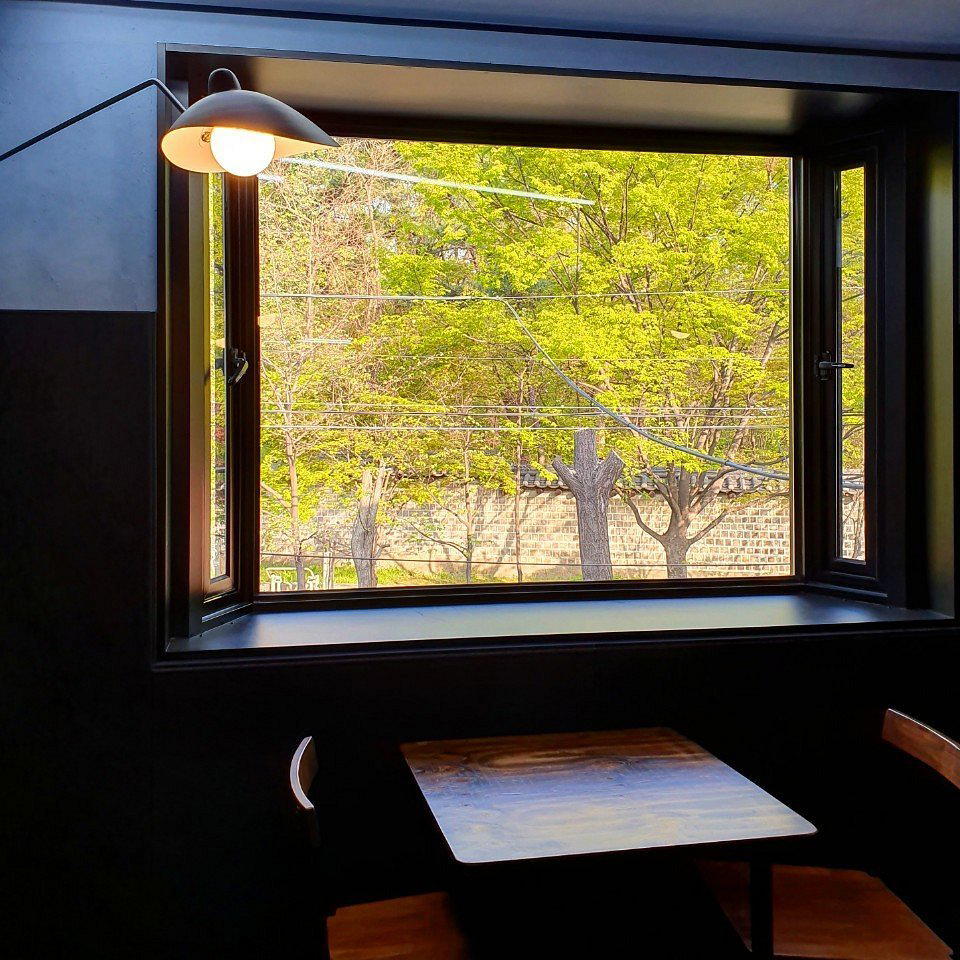
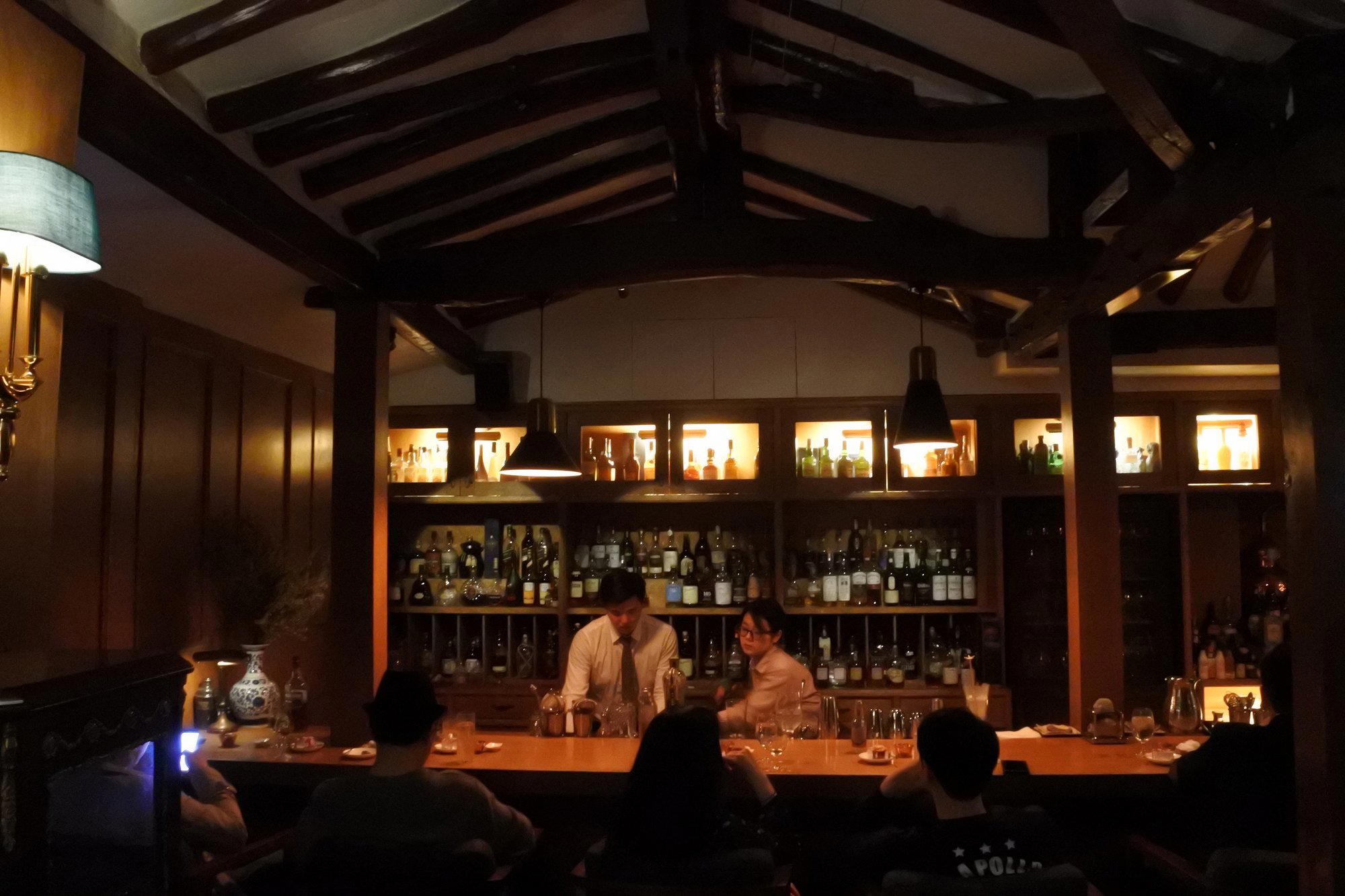
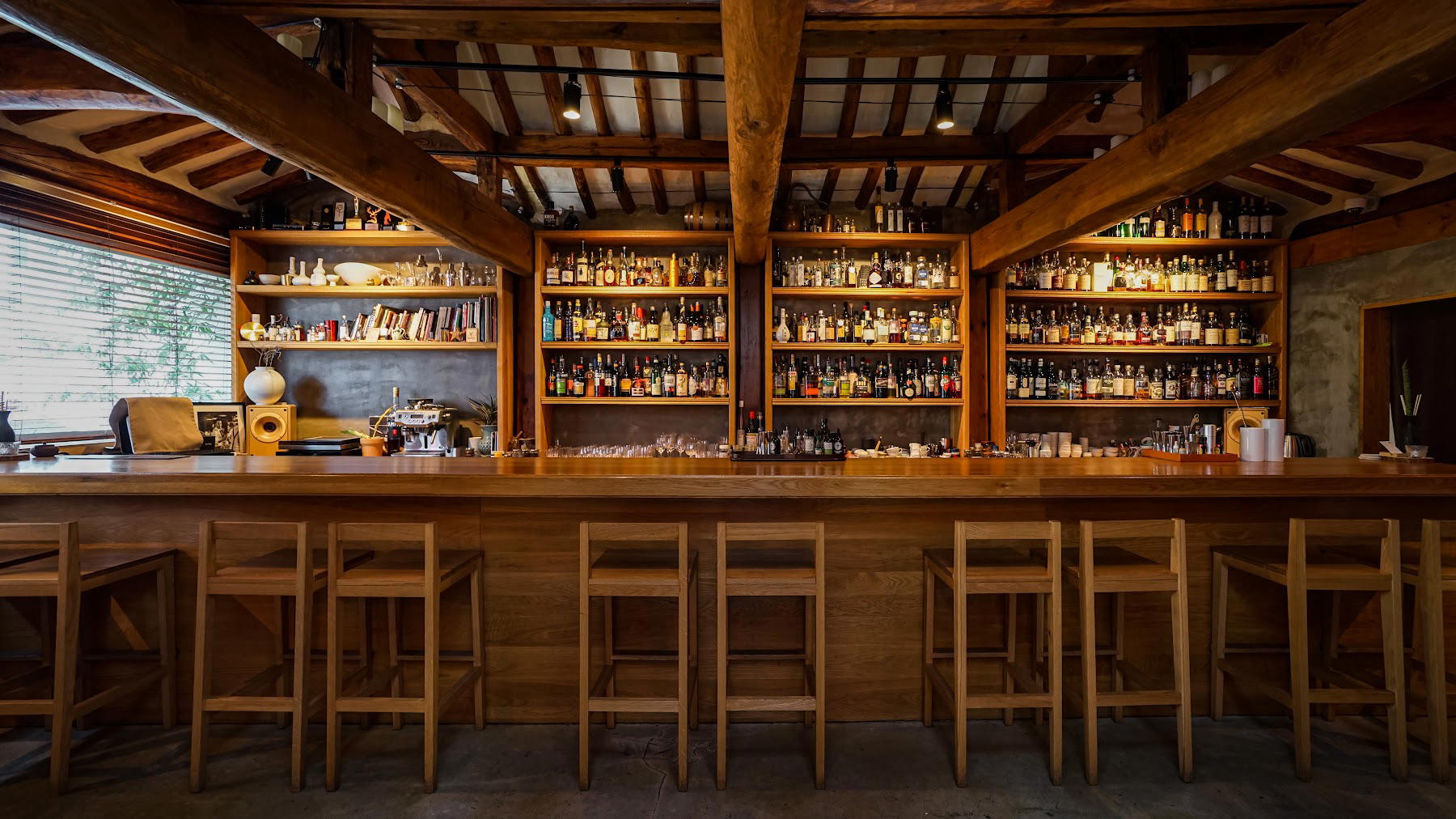
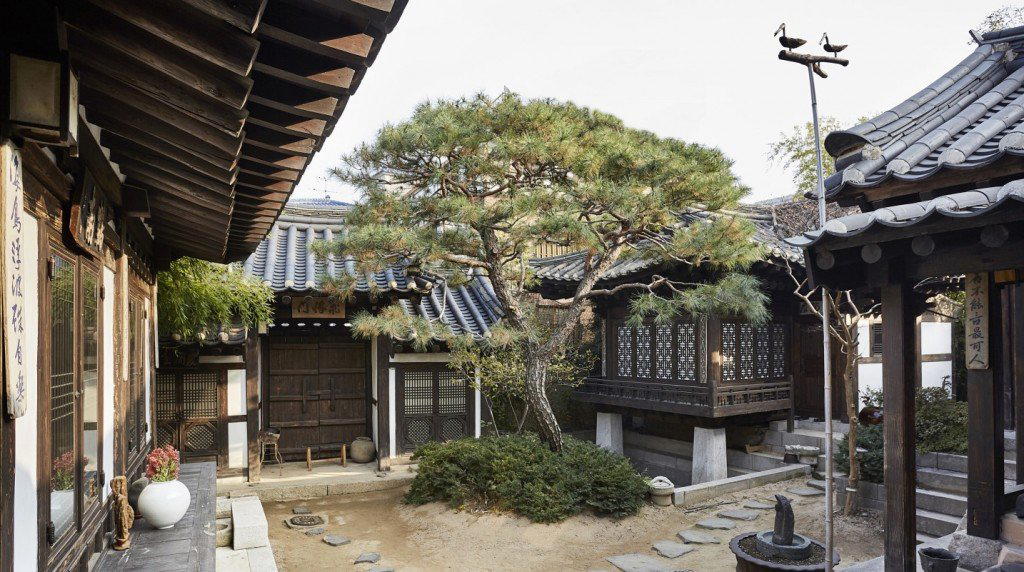
Cozy and homey atmosphere in a tiny hanok-style restaurant with a relaxed, authentic feel.