Isshinzushi Koyo sits in Miyazaki's Showacho district, a neighbourhood where local dining operates at a remove from the prefecture's tourist-facing yakitori and wagyu corridors. The address places it within a cluster of long-standing specialty restaurants that serve a predominantly local clientele, making it a useful reference point for understanding how Miyazaki's mid-range dining scene actually functions beyond the promotional surface.
 Discover on Pearl
Pearl is the En Primeur Club membership app — saves, bookings, and concierge access live there. Same editors, same standards.
- Address
- 21 Showacho, Miyazaki, 880-0874, Japan
- Phone
- +81985605005
- Website
- isshinzushi.com
Showacho and the Logic of Miyazaki's Neighbourhood Dining
Miyazaki's dining identity is frequently reduced to two exports: its kuroge wagyu beef and its chicken nanban, both of which dominate the tourist-facing circuit around Tachibana-dori and the central station district. The city's neighbourhood restaurants, however, operate according to a different logic. In areas like Showacho, where 一心鮨 光洋 (Isshinzushi Koyo) holds its address at 21 Showacho, the audience is primarily residential and repeat. These restaurants don't position against the prefecture's agricultural marketing, they position against the expectations of diners who eat there regularly, which tends to produce a more honest and less performative kind of cooking.
That distinction matters for visitors trying to read Miyazaki beyond its promotional surface. The city sits at Japan's southern Pacific coast, with Kyushu's broader dining culture, centred on Fukuoka, often pulling critical attention northward. Restaurants like Goh in Fukuoka absorb regional prestige, and the capital cities command the formal recognition infrastructure: think Gion Sasaki in Kyoto or HAJIME in Osaka. Miyazaki runs on local loyalty and word-of-mouth tenure, and Showacho is exactly where that currency circulates.
Reading the Neighbourhood
Showacho sits at a functional remove from Miyazaki's retail and entertainment core. It's the kind of district where a restaurant's longevity is its primary credential, because novelty doesn't generate the same return-visit traffic that sustains a business in a residential pocket. This structural reality shapes what these kitchens prioritise: consistency over spectacle, familiarity over provocation. It's a pattern replicated across mid-sized Japanese cities, you see it in Nanao with 一本木 枝川, and in the residential dining zones that ring Sapporo's central districts near venues like 古今山之.
For a visitor, locating a restaurant in this kind of neighbourhood requires a deliberate choice. You're not passing it on the way to somewhere else. The address at 21 Showacho functions as a filter: the people eating here chose to come specifically, which tends to calibrate the room toward a quieter, more purposeful atmosphere than you'd find in a high-traffic dining corridor. That dynamic is not incidental, it shapes the pace of service, the composition of the room, and the way a kitchen responds to its audience over time.
Miyazaki's Sushi Context
The name 一心鮨 光洋 contains the kanji for sushi (鮨), which positions it within Japan's most codified dining category. Sushi in regional Japanese cities operates differently from its Tokyo or Osaka counterparts. The omakase counter format that drives prestige dining at places like Harutaka in Tokyo tends to compress into a smaller, more accessible format at the prefectural level, where the local fish supply, rather than Toyosu market access, becomes the defining raw material logic.
Miyazaki's Pacific-facing position gives its seafood sourcing a distinct character. The Hyuga-nada sea yields fish species that don't circulate widely through the national distribution chain, which means a neighbourhood sushi restaurant in Showacho has access to local product that a Tokyo counter, for all its prestige infrastructure, cannot replicate. This is not a minor point: regional specificity in fish sourcing is one of the few areas where a provincial sushi restaurant holds a structural advantage over its metropolitan peers, and it's the argument for seeking out this category of restaurant when traveling in coastal prefectures.
For comparative context on how the Miyazaki dining scene distributes across categories, Chinese Sen occupies the JPY 10,000 to 14,999 bracket in the city's mid-to-upper Chinese dining tier, while Il Sorriso covers the European side. Venue formats like Fujiyama Pudding Miyazaki and Hitotsu round out a scene that, while not formally ranked, covers more ground than its prefectural status might suggest.
Placing 一心鮨 光洋 in the Miyazaki Set
一心鮨 光洋 sits in the category of Miyazaki restaurants that the city knows but that the broader travel press hasn't documented. That absence of documentation is not the same as an absence of standing. In Japanese provincial dining, a long-established restaurant in a residential neighbourhood frequently earns its position through exactly the mechanisms that don't generate press coverage: repeat customers, word passed through local networks, and a kitchen that has refined its offer over years of responding to the same audience.
The comparison that clarifies this is the contrast with destination-format restaurants in smaller Japanese cities, venues like akordu in Nara, which operates in a heritage context designed to attract a traveling audience. 一心鮨 光洋's Showacho address suggests the opposite positioning: a restaurant that earns its audience locally rather than through destination traffic. Neither model is superior, they answer different questions. But for a visitor who wants to understand how Miyazaki actually eats, rather than how it presents itself to outsiders, the neighbourhood sushi counter is a more instructive stop than the tourist-circuit wagyu house.
Planning a Visit
Address at 21 Showacho, Miyazaki 880-0874, places the restaurant in a walkable zone south of the city centre. Reservations are essential, so arrange your booking in advance. The restaurant's local positioning suggests it operates primarily for the residential catchment.
Travelers cross-referencing Japan's regional dining scene may also find useful framing in how other smaller-city venues handle the gap between local reputation and formal recognition, venues like 湖畔荘 in Takashima and 羽根屋 in Nishikawa Machi operate in similar territory. Neighbourhood sushi in Miyazaki operates in a different register, one where the value proposition is local specificity rather than formal prestige.
Compact Comparison
Comparable venues nearby, for context on price, style, and recognition.
| Venue | Cuisine | Price | Notes |
|---|---|---|---|
| ä¸å¿é®¨ å æ´This venue — the venue you are viewing | Kaiseki Seafood | $$$ | |
| 宮崎牛鉄板焼ステーキ ミヤチク | 新別府町, 宮崎牛 Teppanyaki Steakhouse | $$$ | |
| Tenichi | $$$ | Nishitachibanadori, Seasonal Miyazaki Izakaya | |
| Miyachiku | Shinbeppu-cho, Miyazaki Beef Teppanyaki | $$$$ | |
| 幸魚 | $$$ | central Miyazaki, Kaisen Kaiseki (Seafood Kaiseki) | |
| Fujiyama Pudding Miyazaki | Aoshima, Japanese Curry & Cafe | $$ |
Continue exploring
More in Miyazaki
At a Glance
- Elegant
- Intimate
- Sophisticated
- Special Occasion
- Date Night
- Chefs Counter
- Sake Program
- Local Sourcing
- Sustainable Seafood
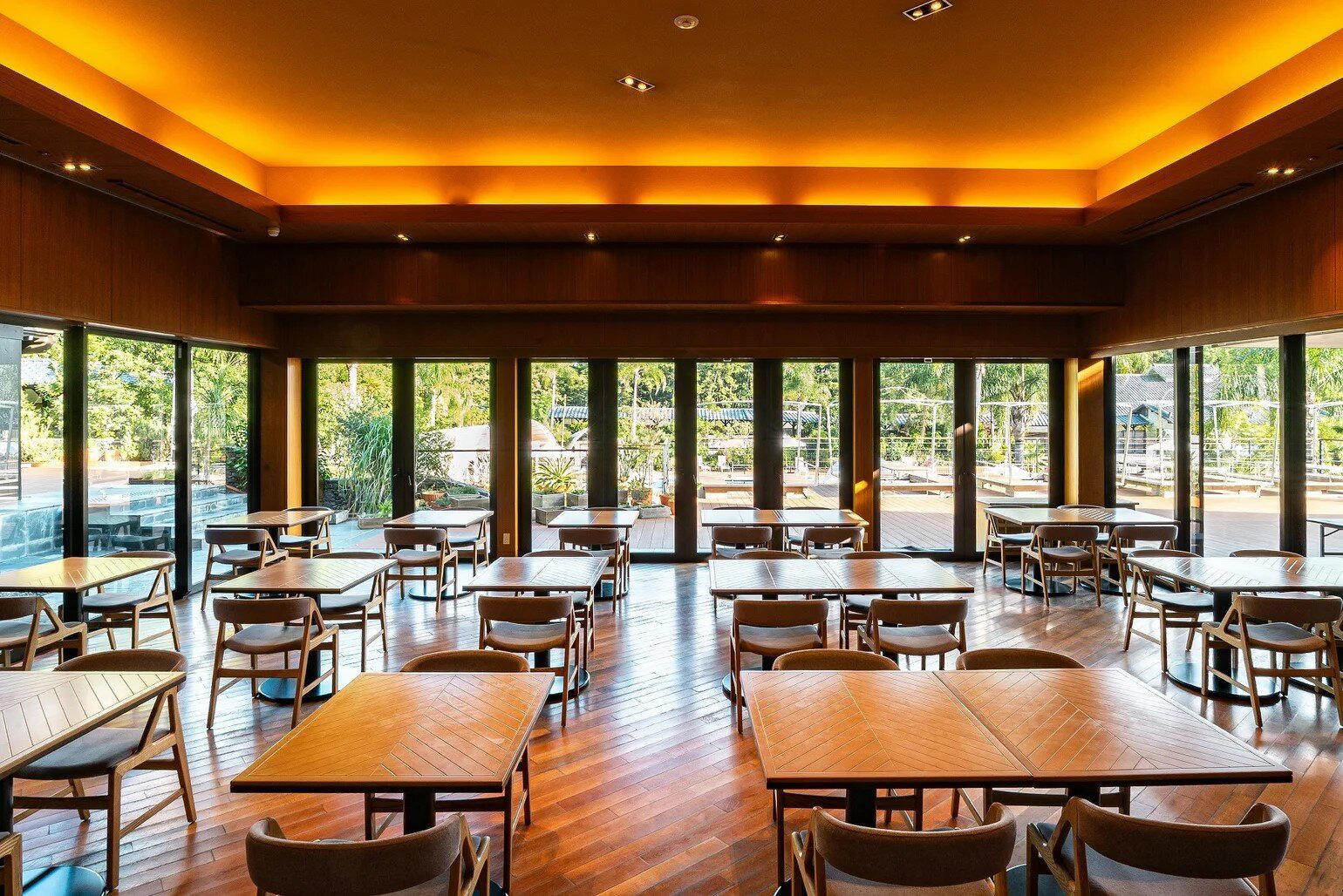
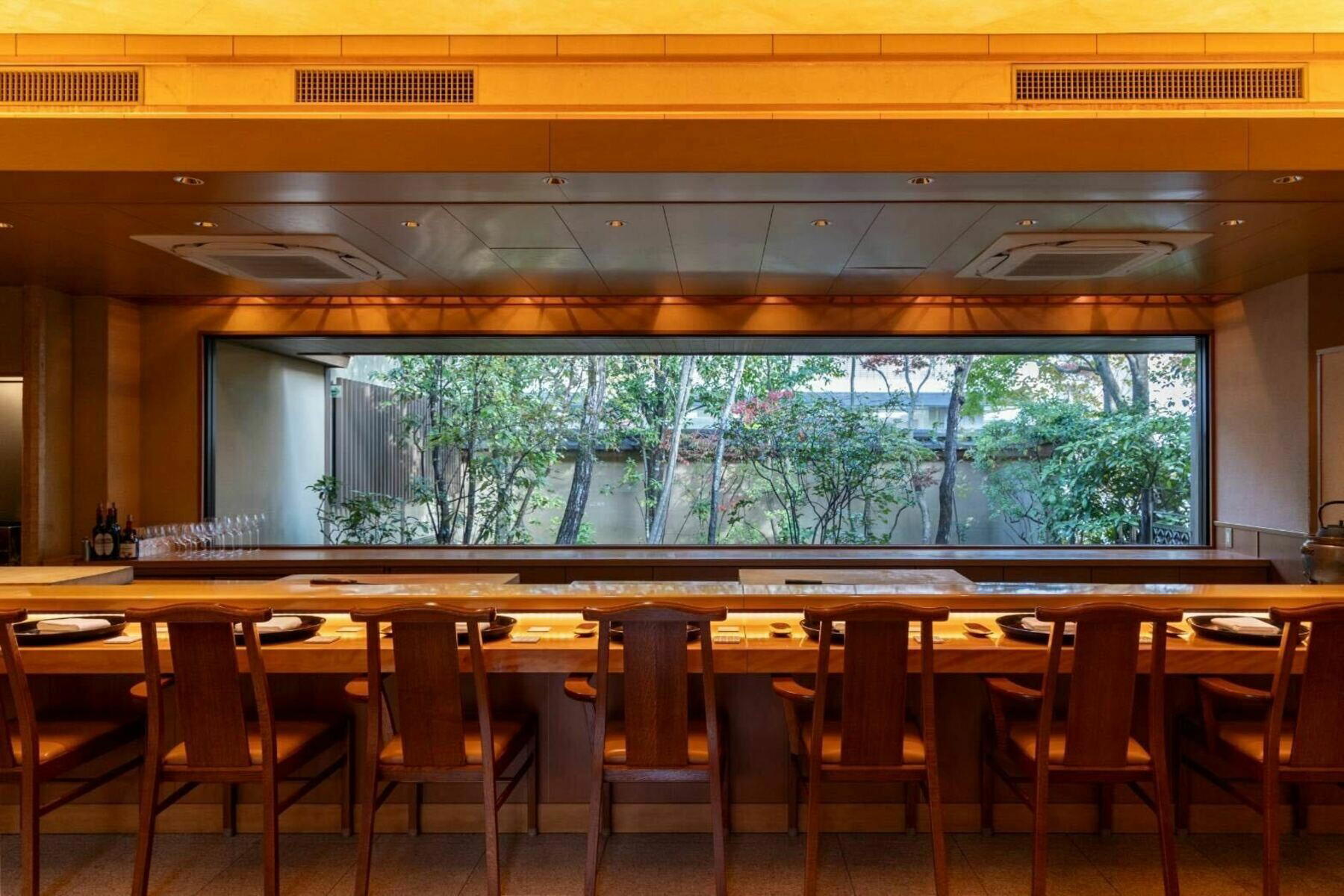
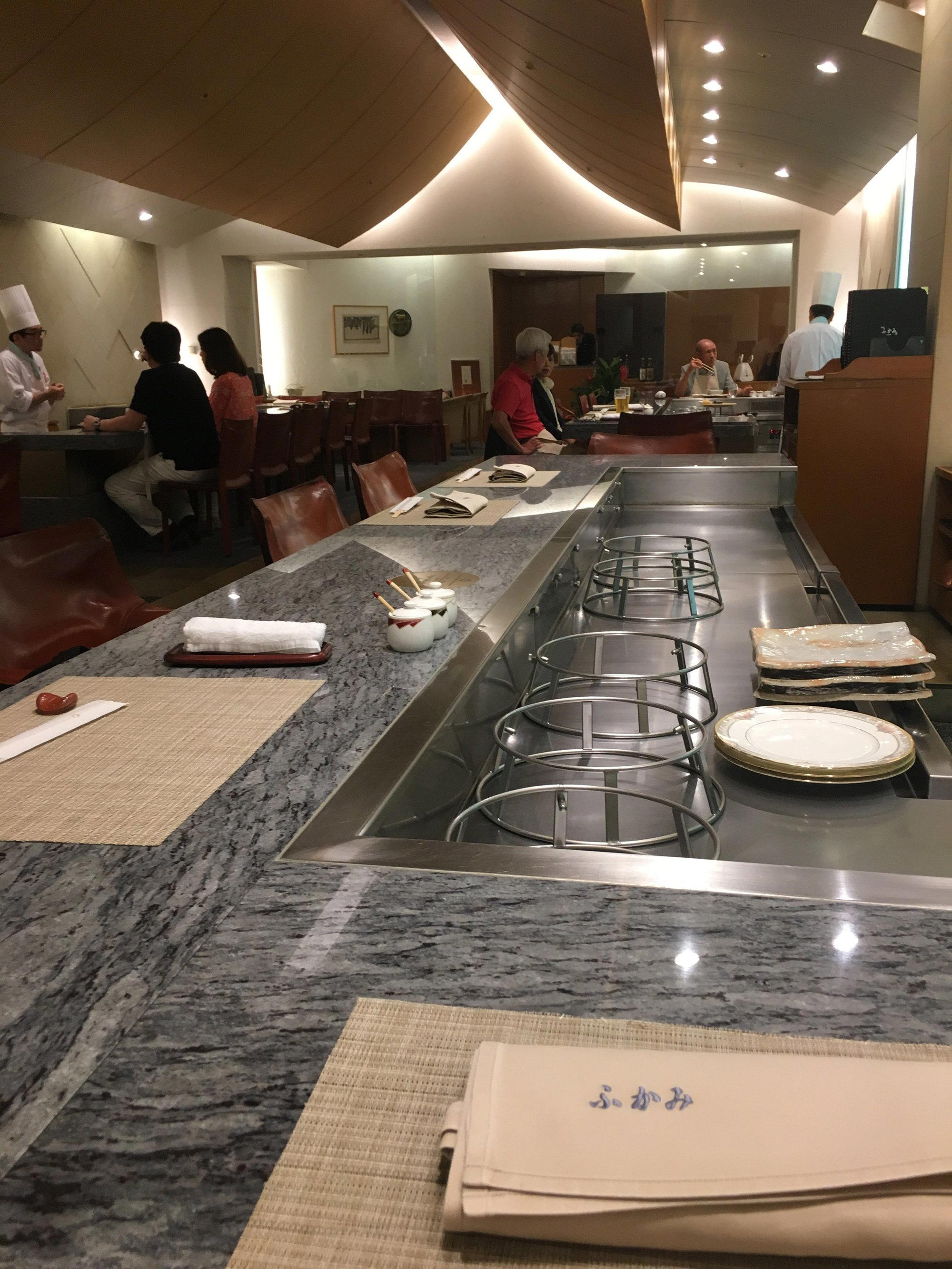
Elegant and serene with soft lighting, minimalist Japanese decor, and an intimate counter dining atmosphere.