Our verdict
Fujiyama Pudding Miyazaki sits within Miyazaki city's growing dessert and specialty sweets culture, where regional dairy and agricultural produce anchor menu identity. The venue draws on a distinctly Japanese approach to Western-influenced confectionery, where precision and restraint matter as much as sweetness. Visitors to Miyazaki's dining scene will find it a useful reference point for understanding the prefecture's food character beyond its famous beef and chicken traditions.

Pearl is the En Primeur Club membership app — saves, bookings, and concierge access live there. Same editors, same standards.
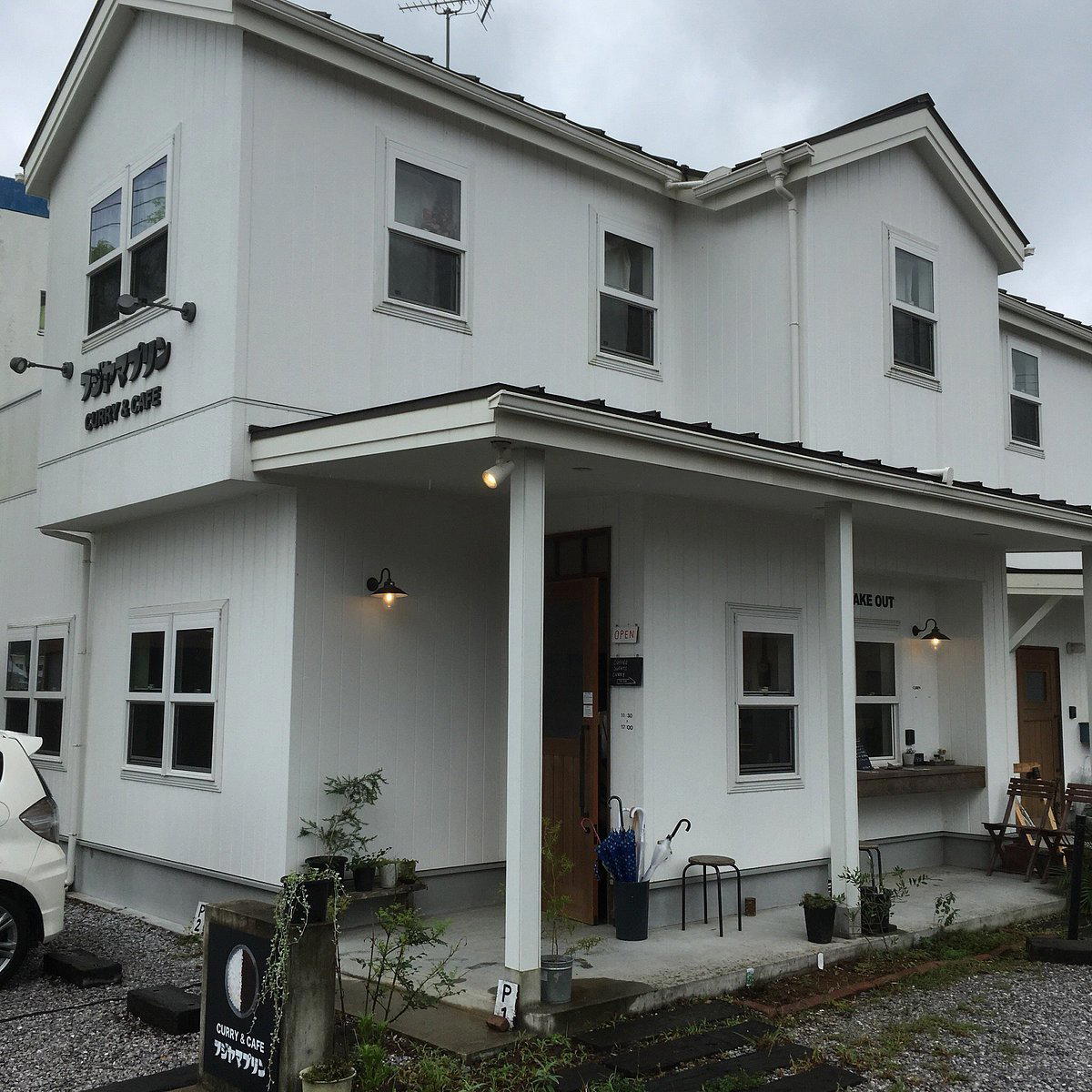
Pudding as a Regional Statement
Miyazaki prefecture occupies a particular position in Japan's food geography. Known primarily for its kuroge wagyu beef, chicken nanban, and subtropical agricultural produce, it sits far enough from the major culinary circuits of Tokyo, Osaka, and Kyoto to develop its own food personality rather than mirror theirs. Within that context, the emergence of specialty dessert venues in Miyazaki city reflects something broader happening across provincial Japan: a growing confidence in hyper-local ingredient identity expressed through formats that were originally imported from the West.
Pudding, in the Japanese culinary tradition, is not what most Western visitors expect. It refers to a set custard, closer to a crème caramel in texture and concept, that Japan absorbed during the Meiji and Taisho periods and then refined into something distinctly its own over the following century. Where French custard desserts tend toward richness and complexity of technique, Japanese pudding prioritises a trembling, silken texture and a clean, precise sweetness — the kind that registers as restraint rather than indulgence. Fujiyama Pudding Miyazaki takes its name from the region and from this tradition, positioning itself within the specialty pudding category that has grown steadily across Japan in the past decade.
The Specialty Pudding Category in Japan
Japan's specialty pudding shops occupy a distinct tier in the dessert market, sitting between mass-produced convenience store formats and the plated dessert courses found at kaiseki restaurants. The format typically centres on a single product executed at high consistency, often sold as a takeaway or in a small retail setting, with regional ingredient provenance as the primary differentiator. Hokkaido dairy, Kyushu eggs, and Okinawan brown sugar are the kinds of sourcing signals that define how these shops position themselves within their local food identity.
Miyazaki's agricultural credentials support this approach credibly. The prefecture produces a significant volume of eggs and dairy in a warm climate that influences flavour profiles in ways that colder regions cannot replicate. Specialty pudding shops in this part of Kyushu have a logical grounding in local supply that their counterparts in urban Tokyo, which must import most primary ingredients, do not always share. Fujiyama Pudding Miyazaki operates within this regional-produce logic, where the dessert itself becomes a vehicle for communicating something about the prefecture's food identity.
For a broader map of where Fujiyama Pudding Miyazaki sits relative to other dining options in the city, the full Miyazaki restaurants guide covers the range from formal Japanese dining to casual regional formats. Elsewhere in Miyazaki city, Chinese Sen operates in the JPY 10,000 to JPY 14,999 dinner range, while Hitotsu, Isshinzushi Koyo, and iwanaga represent different points on the local dining spectrum.
Where This Fits in a Miyazaki Itinerary
Visitors to Miyazaki city tend to organise their eating around the prefecture's meat traditions, particularly the chicken nanban circuit and the beef-focused teppanyaki and yakiniku options that draw food-focused travellers. Dessert venues occupy a secondary tier in most itineraries, functioning as afternoon stops or post-dinner addenda rather than anchor dining experiences. That positioning is not a limitation. Specialty pudding shops in Japan are built for exactly that role: a specific, satisfying moment rather than a multi-hour commitment.
The practical case for including a venue like Fujiyama Pudding Miyazaki in a city visit is about understanding the full range of Miyazaki's food character, not just its most celebrated products. A prefecture that takes its agricultural produce seriously will express that seriousness across multiple food categories, and dessert is often where precision and ingredient quality become most visible precisely because there is nowhere to hide.
For reference points on how Japan's more celebrated restaurant formats operate, HAJIME in Osaka, Harutaka in Tokyo, and Gion Sasaki in Kyoto each demonstrate how Japanese culinary precision scales into the upper tiers of the dining hierarchy. Goh in Fukuoka offers a useful Kyushu-specific comparison, given that region's shared agricultural base with Miyazaki. Beyond Japan, akordu in Nara is worth noting for how it handles local produce within a non-Japanese framework. Further afield, Le Bernardin in New York City and Atomix in New York City represent how Japanese culinary influence travels and transforms in international contexts.
For other regional Japanese dining references, 一本木 石川製 in Nanao, 夕日ヶ丘乃 in Sapporo, 湖畔荘 in Takashima, 庭羽屋 in Nishikawa Machi, and Birdland in Sakai each reflect the depth of Japan's provincial food culture. Also in Miyazaki city, Il Sorriso rounds out the local picture with a European-influenced format.
Planning a Visit
Specialty dessert venues in Japan at this category level are typically compact operations with limited daily production, meaning sell-out risk is real, particularly on weekends and public holidays. Arriving earlier in the day generally reduces that risk. Miyazaki city is accessible by air from Tokyo Haneda and Osaka Itami, and the city centre is navigable on foot or by local bus once there.
Frequently asked questions
Would Fujiyama Pudding Miyazaki be comfortable with kids?
Custard pudding is one of the most child-friendly dessert formats in Japan, and specialty pudding shops in Miyazaki operate on a relaxed, retail basis without the formality of a plated dessert restaurant. The format is low-pressure: walk in, choose, pay, eat. Families with children fit naturally into this kind of venue.
Is Fujiyama Pudding Miyazaki better for a quiet night or a lively one?
Specialty pudding shops in Japan run as daytime or early-evening destinations, not nightlife anchors. Production runs are typically limited and sell out before evening. Plan Fujiyama Pudding Miyazaki as a mid-morning or afternoon stop, not an end-of-night destination.
How does Fujiyama Pudding Miyazaki fit into Miyazaki city's broader food identity beyond its meat traditions?
Miyazaki city's food reputation is anchored in chicken nanban and kuroge wagyu beef, which means its dessert and sweets category receives comparatively little attention from visiting food travellers. Fujiyama Pudding represents the specialty pudding format that has developed a serious following across regional Japanese cities as a distinct category, separate from both convenience-store purin and fine-dining plated desserts. For visitors already working through Miyazaki's meat circuit, a specialty pudding stop rounds out the prefecture's agricultural produce story rather than sitting apart from it.
What should I order at Fujiyama Pudding Miyazaki?
Order the signature pudding. Japanese specialty pudding shops build their identity around one or two core products executed to a consistent standard — the signature is the point. Miyazaki's agricultural output, particularly its dairy and eggs, gives regional pudding shops a credible provenance story that mass-produced formats cannot replicate.
Can I walk in to Fujiyama Pudding Miyazaki?
Japanese specialty pudding venues typically operate on a walk-in, retail basis without reservations. That said, daily production is often capped, and popular formats sell out by early afternoon. Arriving in the morning gives the most reliable access to the full range.
What's the standout thing about Fujiyama Pudding Miyazaki?
The most coherent editorial point is the venue's connection to Miyazaki's agricultural identity. Miyazaki Prefecture is one of Japan's significant producers of eggs and dairy alongside its more publicised wagyu and chicken traditions, and a custard-forward specialty format draws directly on that provenance. That positions Fujiyama Pudding as a regional product, not a generic dessert chain format transplanted into the city.
Is Fujiyama Pudding Miyazaki allergy-friendly?
Custard pudding is structurally built on eggs and dairy, so the core product is incompatible with egg or dairy allergies by definition. Those with lactose intolerance or egg allergies should treat this venue as off-limits rather than assuming alternatives are available.
Cost Snapshot
Comparable venues nearby, for context on price, style, and recognition.
| Venue | Cuisine | Price | Awards | Notes |
|---|---|---|---|---|
| Fujiyama Pudding MiyazakiThis venue (the venue you are viewing) | Japanese Curry & Cafe | $10–20 | Not listed | Not listed |
| GRILL Ranman | Japanese‑style Western grill (yoshoku) | $10–20 | Tabelog 100 #36 | /, Japanese‑style Western grill (yoshoku) |
| Miyachiku | Miyazaki Beef Teppanyaki | $100–150 | Not listed | Shinbeppu-cho, Miyazaki Beef Teppanyaki |
| The BEACH BURGER HOUSE | California-style beach burger & pancake house | $10–20 | Tabelog 100 #6 | Not listed |
| Tori no Sato | Japanese Izakaya (Local Chicken & Seafood) | $30–50 | Tabelog 100 #67 | Kawaramachi, Japanese Izakaya (Local Chicken & Seafood) |
| 宮崎牛鉄板焼ステーキ ミヤチク | Miyazaki Beef Teppanyaki | $100–150 | Not listed | 新別府町, 宮崎牛 Teppanyaki Steakhouse |
Continue exploring
More in Miyazaki
Details
- Cozy
- Modern
- Casual Hangout
- A La Carte
Current opening hours
- Monday
- 11:30 AM–4:30 PM
- Tuesday
- 11:30 AM–4:30 PM
- Wednesday
- 11:30 AM–4:30 PM
- Thursday
- 11:30 AM–4:30 PM
- Friday
- 11:30 AM–4:30 PM
- Saturday
- 11:30 AM–4:30 PM
- Sunday
- 11:30 AM–4:30 PM
Hours can change for holidays and private events. Last verified .
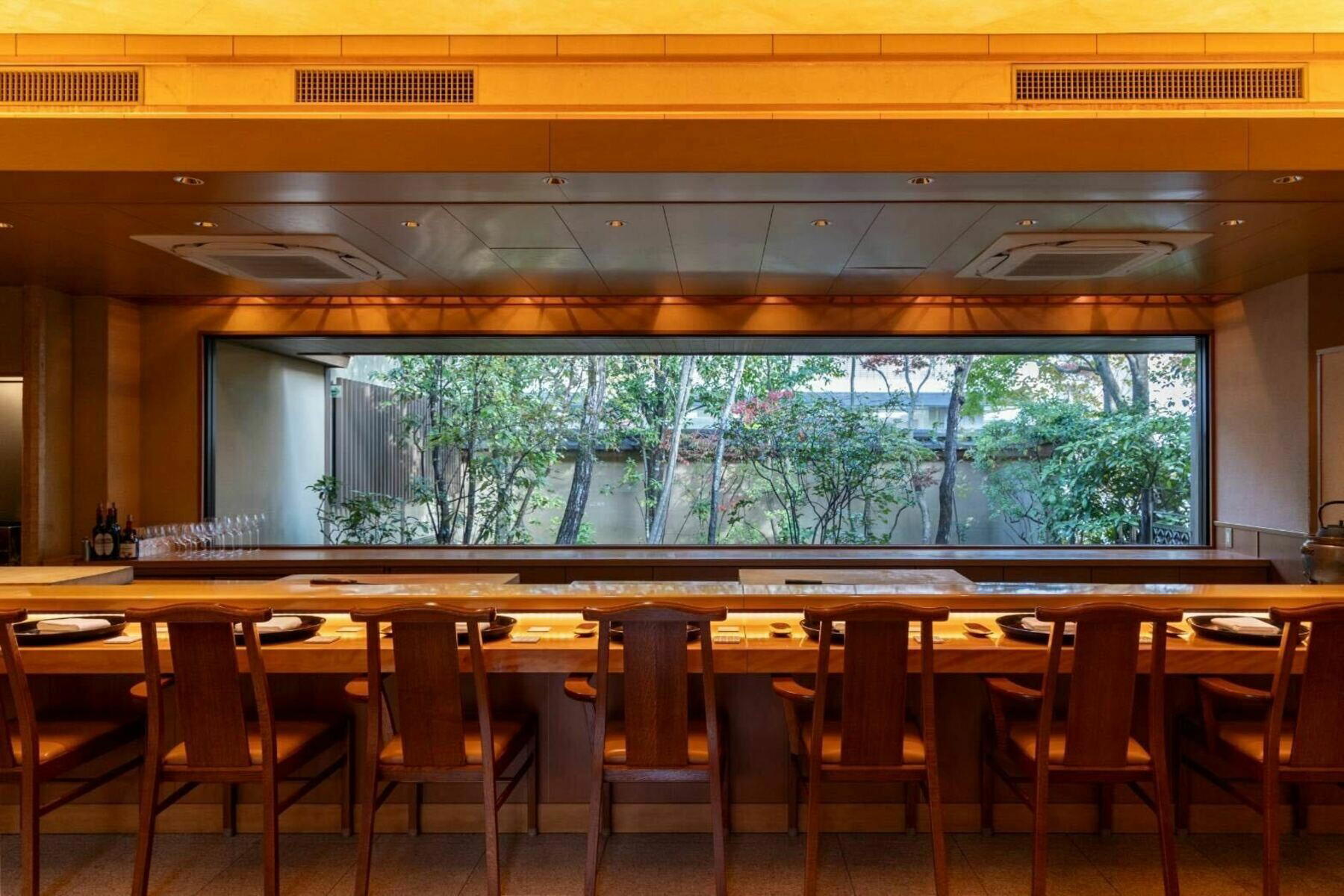
Casual cafe atmosphere in a small non-smoking space with counter seating and ocean views.