
Tabelog Bronze #394
Our verdict
Chinese Sen puts Miyazaki produce through a Chinese course format built for speed, heat, and control rather than banquet sprawl. The draw is its tight scale, Tabelog Award 2026 Bronze recognition, and position inside Japan’s smaller but serious Chinese dining circuit, where technique and pacing matter as much as luxury cues.

Pearl is the En Primeur Club membership app — saves, bookings, and concierge access live there. Same editors, same standards.
- Address
- 3 Chome-4-26-1 Tachibanadorihigashi, Miyazaki, 880-0805, Japan
- Phone
- +81 985-72-3381
- Hours
- Mon ClosedTue–Fri 12–1 PM, 6–9 PMSat 12–1 PMSun 12–1 PM, 6–9 PM
- Website
- chuugoku-ryouri-sen.jp
- Directions
- Get directions
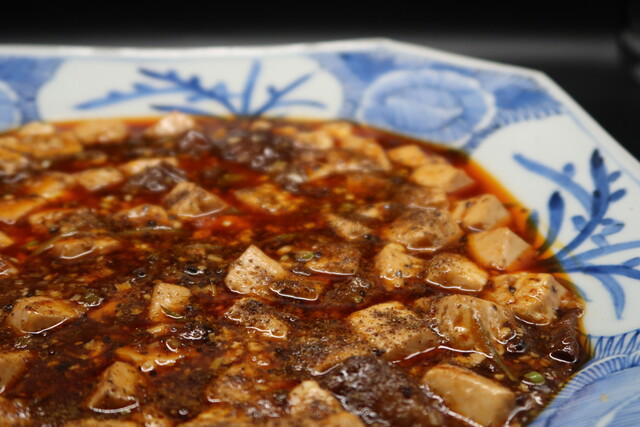
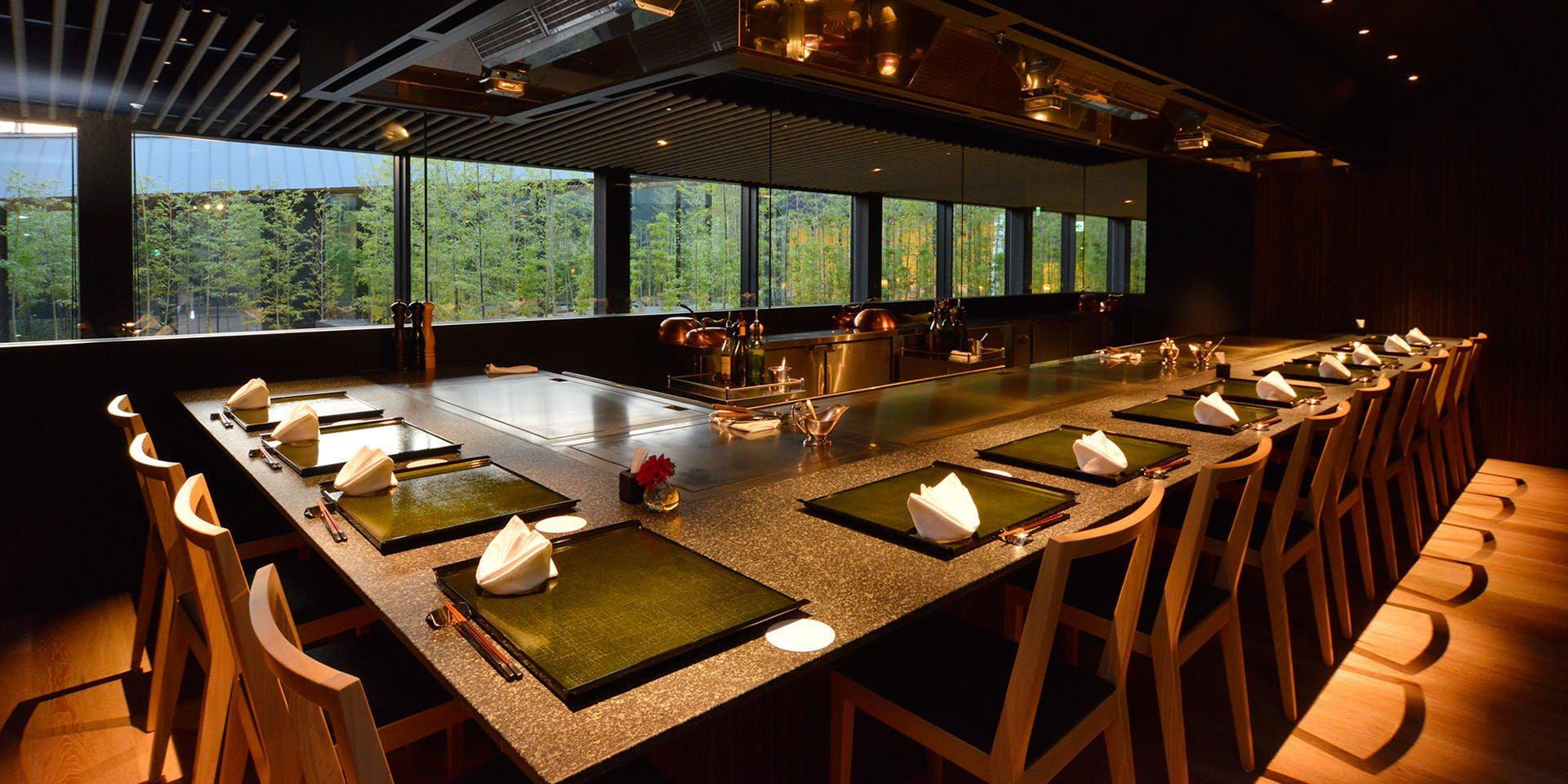
Wood, low light, and a small dining room shift the mood before the cooking does. In Miyazaki, where restaurant identity often means chicken nanban, shochu, beef, and the easy rhythm of a prefectural capital, a compact Chinese counter-and-table format feels sharper than the city’s usual tempo. Chinese Sen sits in the branch of Chinese cooking where heat is the central discipline: ingredients move fast, seasoning cannot hide mistakes, and the sequence depends on timing rather than abundance.
That matters because high-heat Chinese cooking in Japan sits apart from both neighborhood chuka and hotel Cantonese formality. The serious end has become more personal, ingredient-led, and regional in its sourcing. In Miyazaki, the logic is local: fish, vegetables, livestock, citrus, and shochu culture are close at hand, so the format need not imitate Tokyo polish. It can read as a Miyazaki restaurant first, with Chinese technique as structure.
Wok heat gives Miyazaki ingredients a tighter frame
The appeal is compression, not novelty. A small room and unified course format focus attention on sequence, temperature, and contrast. Chinese cooking at this level rewards the short window between raw ingredient and finished dish: oil temperature, wok movement, and sauce reduction must land in minutes. That speed gives local produce a different voice from slower washoku or French-influenced tasting menus. Fish can stay direct, vegetables keep bite, and seasoning move from savory depth to aromatic lift without weight.
Japan’s Chinese dining scene has long split between accessible chuka staples and higher-priced course restaurants influenced by Cantonese, Sichuan, Shanghai, and modern Japanese sourcing. Miyazaki is not the obvious national reference point, which is why this address is useful. Recognition from the Tabelog Award 2026 Bronze tier and selection for Tabelog Chinese WEST in 2023 and 2024 place it in a documented regional conversation, not just a local one. A Tabelog score of 3.88 reinforces its position among diners who track Japan’s rankings.
The price bracket also signals ambition. In regional Japan, Chinese restaurants at this spend level compete less with ramen-and-gyoza culture than with special-occasion sushi, kappo, yakiniku, and French-Japanese tasting formats. Comparable out-of-metro Chinese rooms such as Chuka Ooshige sit in a similar spend band, while MASUKI operates higher. That spread is useful: Chinese Sen is not a grand luxury room, but it is clearly outside everyday dining. The value question is precision, pacing, and ingredient handling, not portion size.
For readers mapping the city, set it against Miyazaki’s broader table culture. Aji no Ogura Honten anchors the local canon, while Aji Kawa, GIGLI, and GRILL Ranman show the city’s varied mid-to-serious range. Fujiyama Pudding Miyazaki sits at the casual end of the same urban appetite for specialty formats. For the wider map, use Our full Miyazaki restaurants guide alongside Our full Miyazaki hotels guide, Our full Miyazaki bars guide, Our full Miyazaki wineries guide, and Our full Miyazaki experiences guide.
A small-room course format, not banquet Chinese
The format matters because travelers may expect either family-style abundance or formal hotel service. Here, the reservation-only structure and shared course progression put everyone on one rhythm. The room feels closer to a compact Japanese tasting counter than to a large Cantonese dining room built for broad-menu ordering. The trade-off is less spontaneity, more control.
The 12-seat scale adds pressure both ways. For the kitchen, it allows focus. For diners, the experience is exposed: pacing, hospitality, and heat management are easy to read. Private rooms are absent, and no parking points to an urban meal rather than a countryside drive-in destination. Casual dress keeps the tone from stiffening, but the course format and award record signal intent.
Family friendliness is notable in a category that often tilts adult. Children are welcomed, and a kids menu is listed, changing the calculus for travelers who want a serious Miyazaki dinner without exclusion. Still, the price level and course pacing suit families comfortable with longer seated meals. This is not a quick-feed stop between sightseeing; it is a controlled room where younger diners need to fit the tempo.
Drinks deepen the local reading. Wine is listed, but shochu matters in Miyazaki, one of Japan’s major shochu regions. Chinese food can work naturally with distilled spirits when cooking has enough aroma, oil, smoke, or spice to meet the drink. That pairing separates the restaurant from Chinese rooms leaning entirely on wine prestige or tea service, and reconnects the meal to place without regional cosplay.
Why it belongs on a serious Miyazaki itinerary
The critical case is simple: Miyazaki lacks the density of Tokyo, Osaka, or Fukuoka, so restaurants with documented national-platform recognition carry extra weight. The Tabelog Award Bronze listing and Chinese WEST selections are not decoration; they show a small Miyazaki room entering a wider ranking culture usually dominated by larger markets. For travelers moving through Kyushu, that makes it a more pointed choice than another generic luxury dinner.
It suits a specific diner. Those seeking theatrical luxury, long wine rituals, or chef-personality storytelling may find the format narrow. Those interested in how Chinese technique adapts to regional Japanese ingredients will understand faster. The category rewards attention to texture and heat, and the room’s size makes dilution difficult. In a city where many visitors bring a short list of local staples, Chinese Sen argues that Miyazaki can support a focused Chinese course restaurant with recognition beyond the prefecture.
For broader Japan planning, compare the category rather than expecting identical experiences. 4000 Chinese Restauranat, Chinese in Tokyo and 4000 Chinese Restaurant, Chinese in Tokyo sit inside a much larger metropolitan Chinese scene, while (Shoku) Vietnam in Kawasaki.know in Kumamoto.cafe in Osaka. 鮪と炭火焼き うお炭 秋葉原店 in Tokyo, [Curry Senmon Ten] Maruyama Kyoju. in Sapporo, and -Grilled beef Sukiyaki- KAMAKURA TANUKIAN 鎌倉 たぬき庵 in Kamakura underline how Japan’s regional dining strength often comes from highly specific formats rather than broad luxury templates.
Frequently asked questions
Would Chinese Sen be comfortable with kids?
Yes. Chinese Sen welcomes children, including babies, preschoolers, and school-age children, and a kids menu is available. The restaurant has 12 seats at 3 Chome-4-26-1 Tachibanadorihigashi, Miyazaki.
What's the vibe at Chinese Sen?
It is a small, reservation-only room with 12 seats, casual dress, and non-smoking service. The setup suits a focused course meal, and the restaurant’s 2026 Tabelog Bronze award gives it added weight in Miyazaki.
What kind of cuisine does Chinese Sen serve?
Chinese Sen serves Chinese cuisine.
Is Chinese Sen more mid-range or high-end?
Pricing at Chinese Sen is listed as JPY 10,000 - JPY 14,999.
Fast Comparison
Comparable venues by cuisine and price in the same metro.
| Venue | Cuisine | Price | Awards | Notes |
|---|---|---|---|---|
| Chinese SenThis venue — the venue you are viewing | Chinese with Miyazaki Ingredients | Not listed | Tabelog Bronze #394 | Not listed |
| 宮崎牛鉄板焼ステーキ ミヤチク | Miyazaki Beef Teppanyaki | $100–150 | Not listed | 新別府町 |
| saint M | Miyazaki Local French Bistronomy with Natural Wine | Not listed | Tabelog 100 #46 | Miyazaki |
| ä¸å¿é®¨ å æ´ | Traditional Japanese Sushi Omakase | $200–300 | Tabelog Bronze #139 | Miyazaki |
| Taban Kusano Ya | Traditional Korean Izakaya | $30–50 | Tabelog 100 #70 | Miyazaki Station area |
| Isshinzushi Koyo | Traditional Japanese Sushi Omakase | $200–300 | Tabelog Bronze #139 | Showacho |
Recognition history
Dated appearances from independent guides and award organizations, with the underlying list record or original source where available.
Tabelog Bronze #394
Tabelog
Continue exploring
More in Miyazaki
Details
- Cozy
- Elegant
- Special Occasion
- Local Sourcing
Current opening hours
- Monday
- Closed
- Tuesday
- 12–1 PM, 6–9 PM
- Wednesday
- 12–1 PM, 6–9 PM
- Thursday
- 12–1 PM, 6–9 PM
- Friday
- 12–1 PM, 6–9 PM
- Saturday
- 12–1 PM
- Sunday
- 12–1 PM, 6–9 PM
Hours can change for holidays and private events. Last verified .
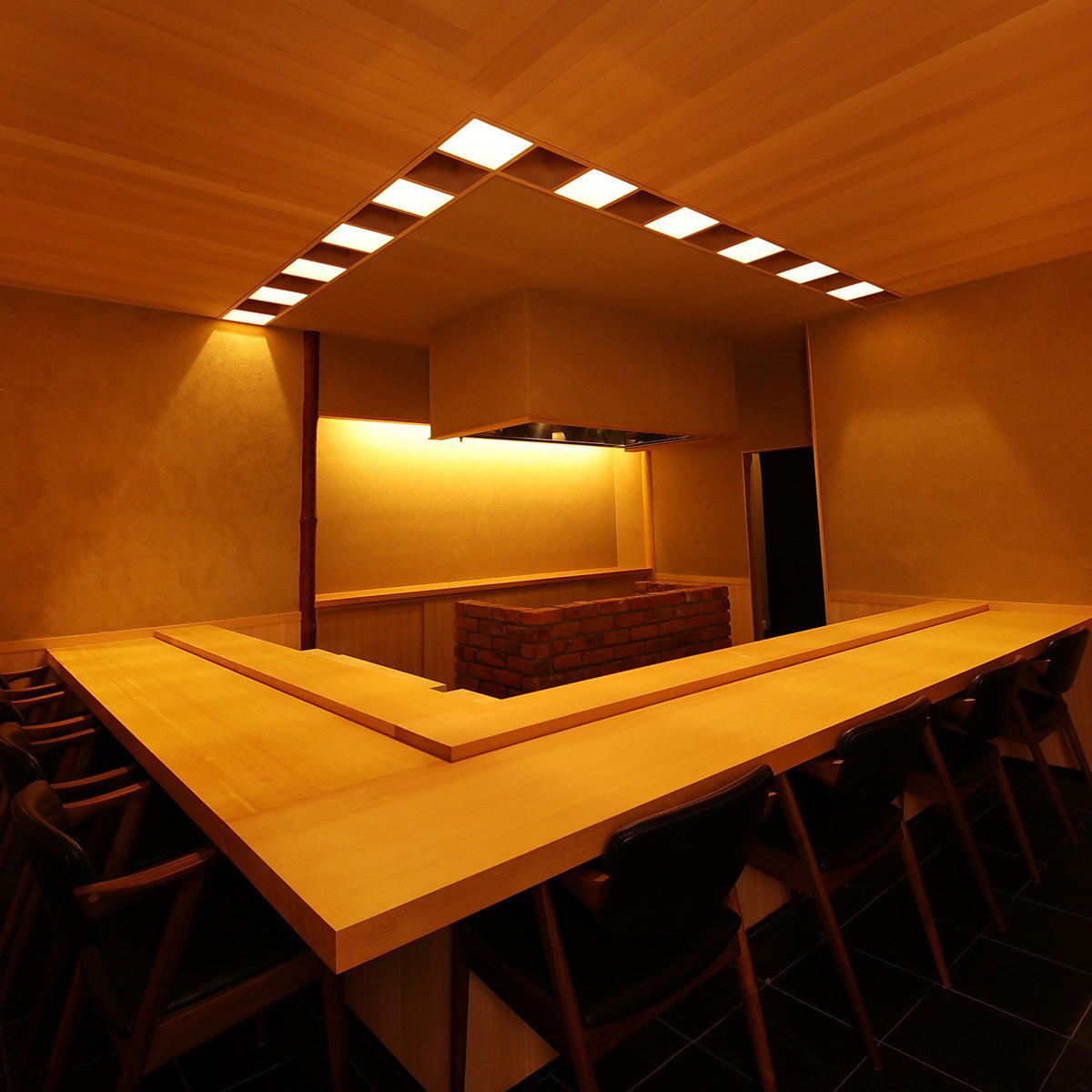
Wooden-themed space offering a cozy and elegant atmosphere.