Our verdict
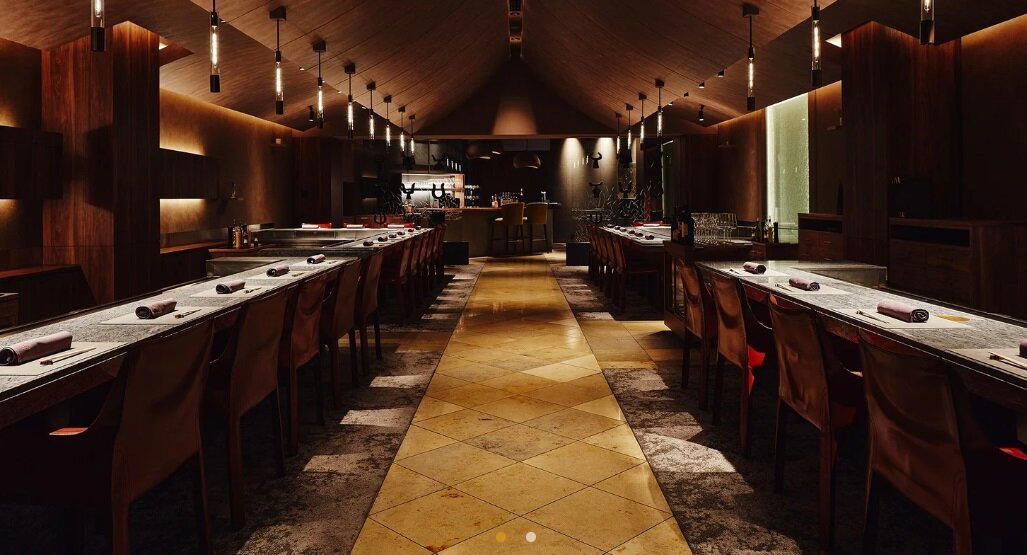
幸魚 focuses on Kaisen Kaiseki, serving seasonal sashimi assortment and local uni chawanmushi alongside a sake program in a quiet, formal setting built for leisurely dinner.

Pearl is the En Primeur Club membership app — saves, bookings, and concierge access live there. Same editors, same standards.
- Address
- 3 Chome-2-18 Tachibanadorinishi, Miyazaki, 880-0001, Japan
- Phone
- +81985285288
- Website
- restaurant.ikyu.com
- Directions
- Get directions
The menu
What to order
- Seasonal sashimi assortment
- Miyazaki wagyu shabu-shabu
- Local uni chawanmushi
Tachibanadorinishi After Dark: Dining as Ritual in Miyazaki
The streets of Tachibanadorinishi carry a particular register at dusk. Miyazaki's central dining corridor shifts from afternoon commerce to something slower and more deliberate as the evening draws in, the kind of neighbourhood where restaurants operate less as drop-in destinations and more as scheduled events. It is within this context that 幸魚 occupies its address at 3 Chome-2-18 Tachibanadorinishi, a location that places it inside the city's established dining spine rather than on its fringes.
Japanese dining at this level of address rarely announces itself through exterior spectacle. The ritual begins before you sit down: the decision to come, the booking, the expectation built in the hours prior. In Miyazaki, a city that does not receive the same volume of international dining press as Fukuoka, Osaka, or Tokyo, venues in the Tachibanadorinishi corridor often rely on a self-reinforcing local reputation rather than inbound tourist traffic. That insularity tends to concentrate quality among a narrow set of operators who answer primarily to a local and regional guest base with consistent expectations.
The Rhythm of the Meal
Japanese dining rituals carry a pacing logic that differs from Western tasting-menu conventions. Where the latter often builds to a protein centrepiece and resolves through dessert, the Japanese counter or kaiseki format distributes attention more evenly across the meal, treating each course as a self-contained argument rather than a step in a linear escalation. The diner is expected to arrive on time, often to the minute, and the kitchen calibrates its output to that shared start point. Conversation with the kitchen, where the format permits it, is woven into service rather than reserved for a final tour of the pass.
At venues operating within this tradition in Japan's regional cities, the sourcing logic tends to be hyperlocal in a way that large urban restaurants cannot always replicate. Miyazaki Prefecture holds a distinctive agricultural and coastal profile: the prefecture is associated with high-grade wagyu, local citrus varieties, and Pacific-caught fish that benefit from the proximity of warm Kuroshio Current waters. Restaurants working at the serious end of the local scene use that geography as a starting constraint rather than a marketing detail. The meal, in that sense, is also a document of the season and the coastline.
For context on how this regional specificity plays out across different formats and price tiers in Miyazaki, our full Miyazaki restaurants guide maps the city's dining options from casual to formal.
Where 幸魚 Sits in Miyazaki's Dining Structure
Miyazaki's mid-to-upper dining tier is less crowded than comparable rungs in Fukuoka or Kyoto, which means individual venues carry more weight in shaping what the city's dining reputation signals to outside observers. Peer references within the city include Hitotsu and Isshinzushi Koyo, both operating in the considered, ingredient-led register that characterises Miyazaki's most deliberate restaurants. At a slightly different register, Chinese Sen (JPY 10,000–14,999) and Il Sorriso round out a scene that is diverse in technique while remaining consistent in its commitment to local sourcing.
The broader Japanese regional dining comparison is instructive. In cities like Fukuoka, venues such as Goh operate with Michelin recognition and draw diners from across Kyushu and beyond. In Osaka, HAJIME positions at the international end of the spectrum. Miyazaki's serious restaurants, by contrast, operate without that external scaffolding and are arguably stronger for it: the guest base self-selects, and the kitchen answers to a stricter local standard rather than managing expectations shaped by guidebook ranking.
The northern Japan comparison extends further: in Nanao, 一本木 石川製 represents a similar pattern of regional seriousness operating outside the main urban circuits, as does 羽根屋 in Nishikawa Machi. Across Japan, the most interesting dining is increasingly happening in exactly these kinds of cities: large enough to sustain a serious restaurant, small enough that the serious restaurant has to earn its standing through product rather than positioning.
Approaching a Reservation
Booking practices in Miyazaki's upper-tier restaurants reflect the city's preference for direct, often Japanese-language communication. Venues at this address level typically operate with fixed seatings rather than rolling reservations, which means availability is genuinely constrained by the format rather than by manufactured scarcity. Visitors planning around 幸魚 should account for this in their broader Miyazaki itinerary. The restaurant sits in the 880-0001 postal zone within Tachibanadorinishi, a walkable district from the city's main transport links, making logistics direct once accommodation is set.
For broader reference on how itinerary planning works in Japan's regional cities, the dining rituals at Gion Sasaki in Kyoto, Harutaka in Tokyo, and akordu in Nara each illustrate how the booking logic, pacing, and format discipline of Japanese dining varies across city types and price tiers. Even internationally, the structural parallels to precision-service formats like Le Bernardin in New York City or Atomix in New York City are worth understanding before approaching any tightly formatted Japanese counter. Closer to home, Fujiyama Pudding Miyazaki offers a lighter register for moments in the itinerary that call for something less structured.
Miyazaki's dining season skews toward the warmer months, when the prefecture's agricultural output is at its broadest and the coastal catch most varied. That said, winter visits carry their own logic: reduced tourist pressure, more concentrated local guest lists, and a kitchen that is working within tighter seasonal constraints, which in Japan tends to produce more focused, not less interesting, menus.
Planning Your Visit
幸魚 is located at 3 Chome-2-18 Tachibanadorinishi, Miyazaki, 880-0001. Given the format and location, visitors should treat this as a fixed-commitment booking: confirm dates, times, and any dietary requirements in the same communication.
Frequently asked questions
What's the address for 幸é?
幸é is located at 3 Chome-2-18 Tachibanadorinishi, Miyazaki, 880-0001, Japan, Miyazaki.
What do people recommend at 幸魚?
The name itself — 幸魚, combining the characters for fortune and fish — points clearly toward a seafood-led format, consistent with what Miyazaki's Tachibanadorinishi corridor tends to support at this tier. Visitors familiar with the city's dining scene often reference the prefecture's Pacific-sourced catch as the throughline at venues of this type.
How far ahead should I plan for 幸é?
Reservations are recommended for 幸é in Miyazaki. Confirm current policy via the venue's official channels.
What's the defining dish or idea at 幸é?
幸é is best approached by focusing on the core concept and signature offerings.
Do they accommodate allergies at 幸é?
Dietary accommodations can vary. Flag restrictions in advance via the venue's official channels.
Cuisine-First Comparison
| Venue | Cuisine | Price | Awards |
|---|---|---|---|
| 幸éThis venue — the venue you are viewing | Kaisen Kaiseki (Seafood Kaiseki) | $100–150 | Not listed |
| Chinese Sen | Chinese with Miyazaki Ingredients | Not listed | Tabelog Bronze #394 |
| Hitotsu | Kyushu Seasonal Sushi Omakase | $100–150 | Tabelog Bronze #121 |
| Isshinzushi Koyo | Traditional Japanese Sushi Omakase | $200–300 | Tabelog Bronze #139 |
| iwanaga | Yoshoku (Japanese-Style Western Cuisine) | $100–150 | Tabelog 100 #67 |
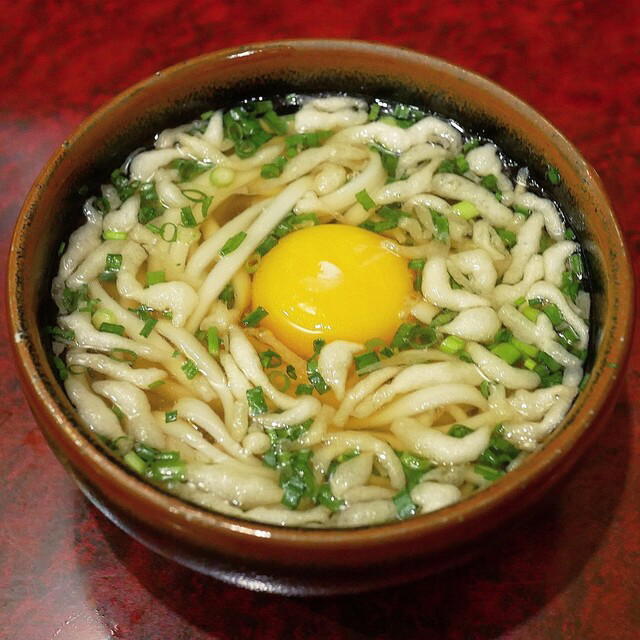
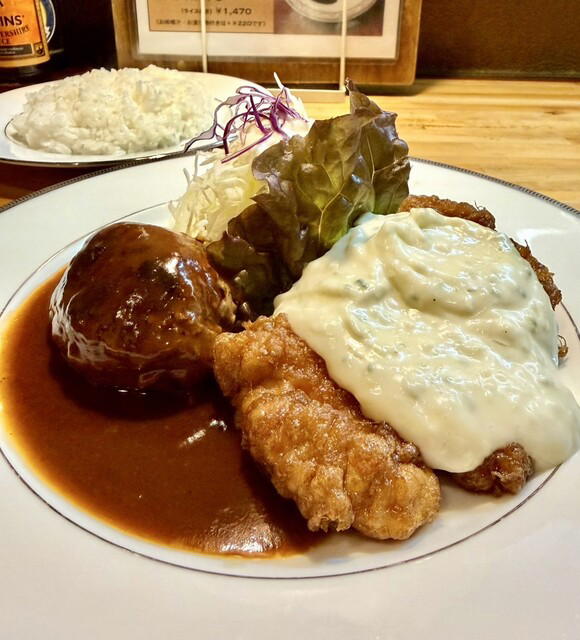
| Ranpu Tei | Yoshoku (Japanese-style Western) | $30–50 | Tabelog Bronze #237 |
Continue exploring
More in Miyazaki
Details
- Elegant
- Intimate
- Sophisticated
- Special Occasion
- Date Night
- Business Dinner
- Sake Program
- Local Sourcing
- Sustainable Seafood
- Tasting Menu
- Set Menu
- Sake
- Pescatarian Friendly
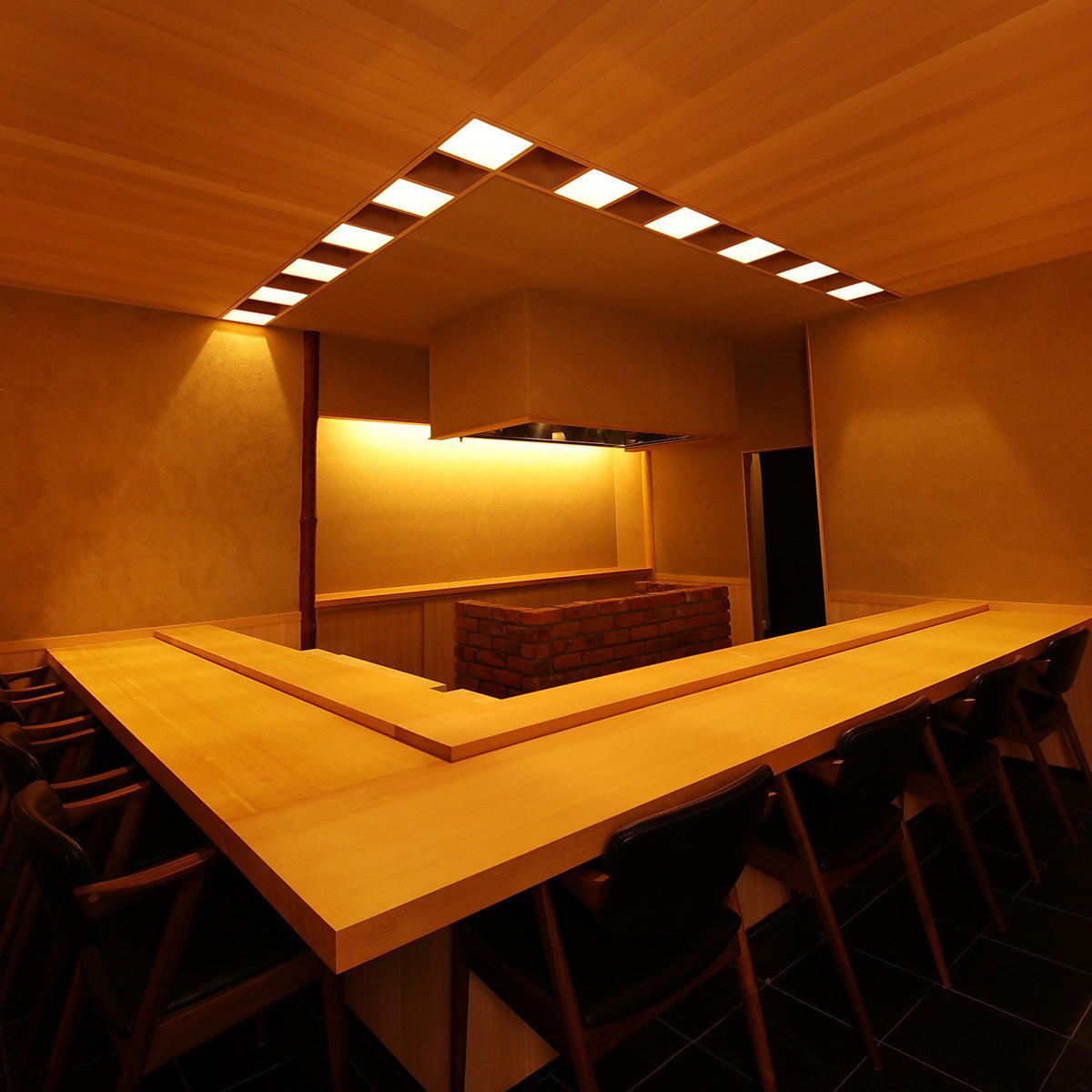
Intimate and elegant with soft lighting and minimalist Japanese decor creating a serene dining atmosphere.