
Soba Tokoro Shimizu gives Miyazaki’s soba culture a serious, ingredient-led address without turning the meal into ceremony. The draw is the craft behind the bowl: buckwheat from several Japanese growing regions, in-house milling, honkarebushi dashi shaved before use, and tempura that keeps Kyushu produce in view. Tabelog 100 Soba WEST 2025 recognition places it in a select western Japan soba bracket.
Pearl is the En Primeur Club membership app — saves, bookings, and concierge access live there. Same editors, same standards.
- Address
- 宮崎県宮崎市橘通東2-6-4
- Phone
- +81985288055
- Website
- tabelog.com
 Saves & bookings on Pearl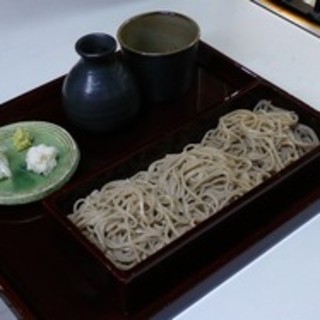
Approach in central Miyazaki and the mood shifts from city movement to the quieter grammar of a soba house: a compact room, tatami associations, and the expectation that the meal will be judged less by decoration than by grain, broth, water, and timing. Soba is a cuisine of narrow margins. The difference between a routine bowl and a serious one often sits in milling, boiling, rinsing, and the way dashi is built before the noodles arrive.
That is the frame for Soba Tokoro Shimizu, a 28-seat soba restaurant selected for Tabelog 100 Soba WEST 2025 and earlier Tabelog 100 soba lists in 2024, 2021, 2019, 2018, and 2017. In a city better known to many travellers for chicken nanban, shochu, coastal produce, and relaxed izakaya eating, this kind of soba address matters because it gives Miyazaki a different register: patient, grain-focused, and closer to the craft traditions associated with specialist soba-ya across Japan.
Why the buckwheat supply matters more than the room
Serious soba begins before the kitchen. Here, the buckwheat is drawn from Miyazaki, Ibaraki, Fukui, and Gunma, then milled in-house. That mix of origins is not decorative sourcing; it is a way to control aroma, texture, and consistency across the year. Miyazaki gives the restaurant a local anchor, while Fukui and Gunma carry strong associations with buckwheat-growing regions that soba specialists often value for structure and fragrance.
The dashi follows the same logic. Honkarebushi, the aged dried bonito that gives classical Japanese broth its depth, is shaved just before use. In soba, that detail matters because tsuyu has to do two jobs at once: it must season the noodles decisively, yet leave enough space for buckwheat character to register. Heavy-handed broth can flatten the dish; a weak one turns precision into politeness. The better soba houses work in the middle, where the noodle and dipping sauce sharpen each other.
Tempura broadens the sourcing story without pulling the meal away from soba. The kitchen lists spring wild vegetables including tara no me when available, live shrimp from Kagoshima, fresh wasabi from Shizuoka and Nagano, spicy daikon radish, and Takemoto sesame oil. Those details point to a familiar Japanese specialist pattern: local identity is important, but so is the willingness to bring in produce from regions with a stronger claim to a given ingredient. Miyazaki supplies part of the story, not the whole pantry.
This is also where travellers should read the restaurant against Miyazaki’s wider dining culture. The city’s casual strengths are substantial, from local set meals to drinking food, but soba demands a different tempo. For a broader city comparison, Aji no Ogura Honten points toward Miyazaki’s comfort-food identity, while Aji Kawa sits in a higher-spend local bracket. Soba Tokoro Shimizu occupies another lane: specialist craft rather than broad regional abundance.
A Kyushu soba stop with national craft signals
Tabelog’s Hyakumeiten selections are useful in Japan because they often catch category specialists outside the international fine-dining circuit. A soba house in Miyazaki selected for Tabelog 100 Soba WEST 2025 is not being judged on luxury cues; it is being placed among western Japan soba addresses where noodle quality, broth work, and category credibility carry the argument. The restaurant’s Tabelog score of 3.69 adds another signal, but the repeat selection history is the stronger marker.
The format also resists the tasting-menu inflation that has reshaped parts of Japanese dining. Soba remains accessible by design: a focused meal built around noodles, dipping sauce or broth, seasonal sides, and drinks such as sake or shochu. That makes it particularly useful for travellers who want a serious Japanese meal without committing an entire evening to counter theatre. The presence of private rooms for two and a family-friendly listing broadens its role, but the core appeal remains craft rather than occasion dressing.
Compared with Miyazaki’s broader restaurant field, the price tier and format put it closer to everyday specialist dining than to celebratory dining. Chinese Sen, GIGLI, and Fujiyama Pudding Miyazaki show how varied the city’s casual-to-specialist map has become, but soba remains more exacting than its modest appearance suggests. The craft is quiet because the cuisine demands it.
How to place it in a Miyazaki itinerary
The restaurant works well as a focused soba meal within a day spent in central Miyazaki, especially for travellers who want one meal that explains Japanese ingredient discipline without requiring a long-form kaiseki structure. It is close enough to the city’s ordinary rhythms to feel local, but the sourcing and recognition give it weight beyond convenience. For those mapping a food-led stay, the city rewards contrast: soba at lunch, regional chicken or izakaya cooking later, then shochu-led drinking if the evening continues.
Planning should account for the realities of a small specialist restaurant: 28 seats, no parking, non-smoking, card and cashless payment options, and a reservation policy with restrictions around holidays and Saturday timing. The restaurant has operated since 1990, which gives its 2025 recognition a different meaning from a new opening riding novelty. Longevity in soba is not sentimental; it usually reflects repetition, supplier discipline, and a clientele willing to return for small improvements rather than spectacle.
For a wider Miyazaki edit, start with Our full Miyazaki restaurants guide, then use Our full Miyazaki hotels guide, Our full Miyazaki bars guide, Our full Miyazaki wineries guide, and Our full Miyazaki experiences guide to build the trip around more than meals. Readers comparing Japanese specialist formats beyond Kyushu can also look at -Grilled beef Sukiyaki- KAMAKURA TANUKIAN 鎌倉 たぬき庵 in Kamakura,. 鮪と炭火焼き うお炭 秋葉原店 in Tokyo,.cafe in Osaka,.know in Kumamoto, (Shoku) Vietnam in Kawasaki, [Curry Senmon Ten] Maruyama Kyoju. in Sapporo, Jōdo Saké Bar in Los Angeles, and Onigiri Time in Pasadena.
Fast Comparison
Comparable venues by cuisine and price in the same metro.
| Venue | Cuisine | Price | Awards | Notes |
|---|---|---|---|---|
| Soba Tokoro ShimizuThis venue — the venue you are viewing | Traditional Soba Restaurant | $$ | , | |
| 宮崎牛鉄板焼ステーキ ミヤチク | 宮崎牛 Teppanyaki Steakhouse | $$$ | , | 新別府町 |
| Aji Kawa | Traditional Yakitori Counter | $$ | , | .null |
| Aji no Ogura Honten | Japanese-style Western Cuisine (Yoshoku) | $ | , | Miyazaki Station area |
| Tori no Sato | Japanese Izakaya (Local Chicken & Seafood) | $$ | , | Kawaramachi |
| イワナガ食堂 | Yoshoku (Japanese-Style Western Cuisine) | $$$ | , | Tachibanadōri Higashi |
Continue exploring
More in Miyazaki
At a Glance
- Cozy
- Classic
- Hidden Gem
- Family
- Casual Hangout
- Group Dining
- Solo
- After Work
- Standalone
- Private Dining
- Sake Program
- Beer Program
- Local Sourcing
A relaxed, traditional soba house atmosphere with tatami rooms and a calm, homey feel, designed for unhurried meals with family or friends rather than a quick bite.