
iwanaga gives Miyazaki’s yoshoku tradition a small-room, reservation-only expression, with steak and beef dishes framed by the Japanese habit of adapting Western forms to local appetite. Tabelog recognition, including Bronze in 2025 and selection for the 2025 Yoshoku WEST 100, places it in a serious regional bracket rather than the casual comfort-food tier.
 Discover on Pearl
Pearl is the En Primeur Club membership app — saves, bookings, and concierge access live there. Same editors, same standards.
- Address
- Japan, 〒880-0805 Miyazaki, Tachibanadorihigashi, 3 Chome−3−7 福田ビル 1F
- Phone
- +81 80-2790-8679
- Website
- tabelog.com
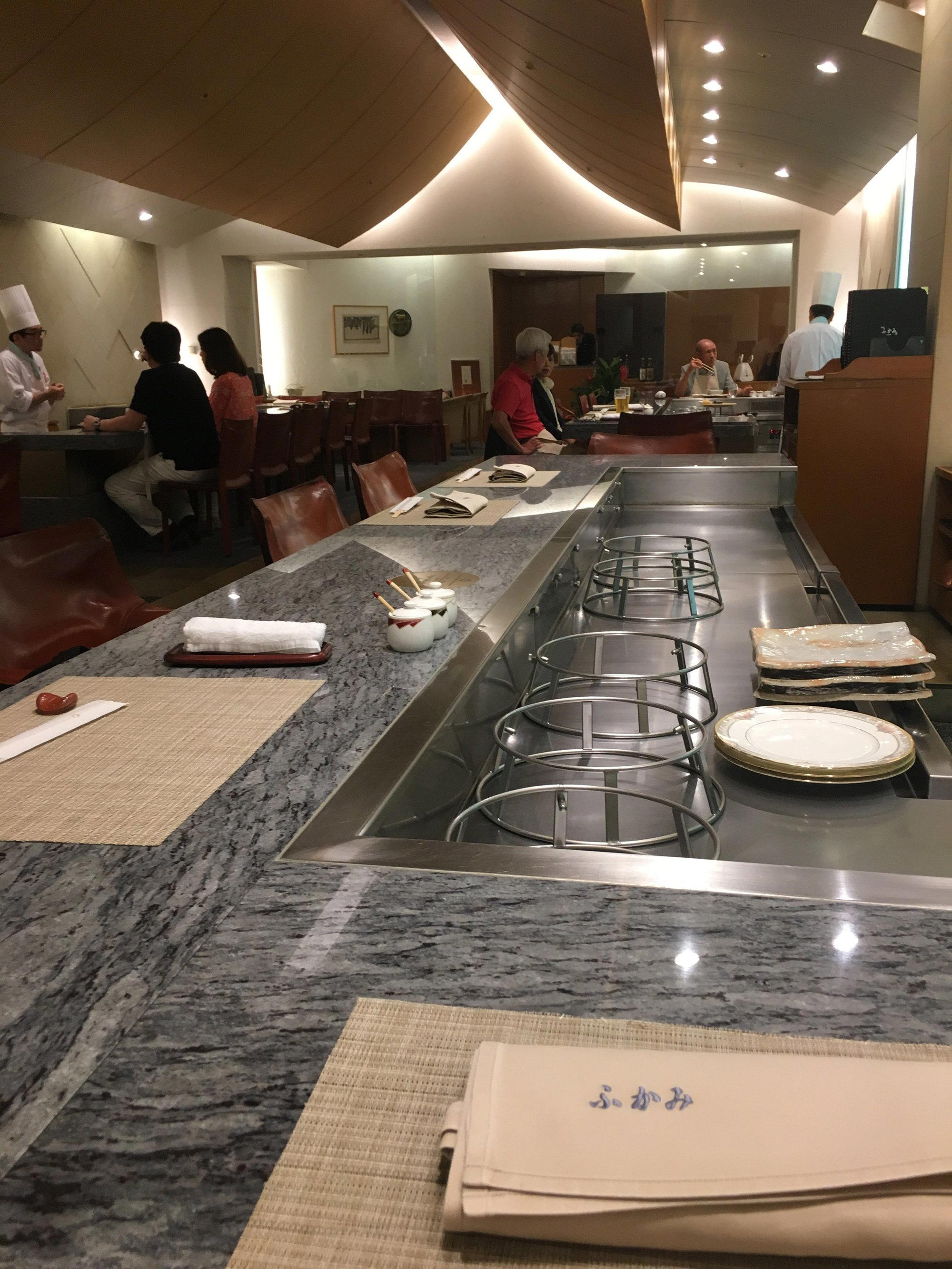
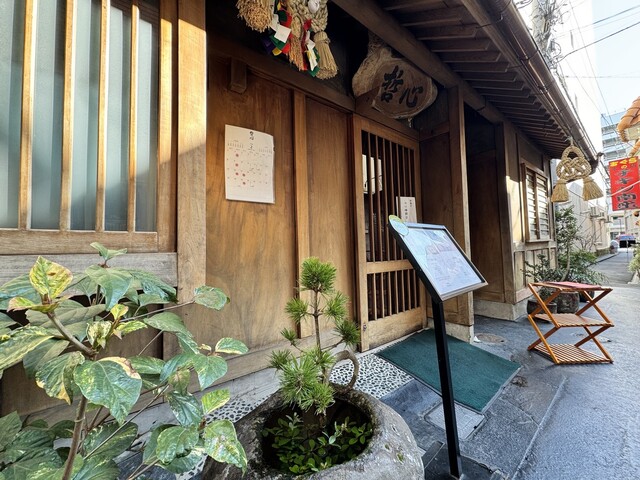
Approaching a small first-floor room in Tachibanadorihigashi, the signal is not spectacle but compression: a compact counter, a few table seats, and the quiet focus that Japanese dining often reserves for sushi, kappo, or tempura. Here, that format is applied to yoshoku, the Japan-born category that turned Western techniques into domestic restaurant culture. iwanaga belongs to the narrower end of that field, where steak, beef dishes, and shared plates move yoshoku away from nostalgia and into the territory of destination dining.
Yoshoku is often misunderstood by visitors as a loose translation of Western food. In Japan, it is its own canon: rice beside demi-glace, cutlets treated with the seriousness of tonkatsu, beef presented through techniques learned, adapted, and naturalized over generations. Miyazaki adds another layer because beef is part of the prefecture’s identity, not a decorative luxury cue. The stronger argument for eating here is not that it mimics European cooking, but that it shows how local Japanese restaurant culture absorbs Western grammar without surrendering its own pacing, portion logic, or drinking habits.
Yoshoku treated with counter-room seriousness
The room’s scale changes the category. With 11 seats, including eight at the counter, the experience sits closer to a compact specialist restaurant than to the everyday yoshoku rooms found near stations across Japan. That matters because the genre can swing from quick lunch culture to high-attention beef cookery. iwanaga’s placement in the Tabelog Award Bronze class for 2025 and its selection for Tabelog’s 2025 Yoshoku WEST 100 make the case that this is not simply a local comfort-food address with loyal regulars. It is being judged inside a regional conversation about serious yoshoku.
The menu context is equally specific. Yoshoku, steak, and beef dishes form the core categories, with large plates generally set up for sharing, while some dishes can be adjusted for solo diners. That shared-plate structure gives the meal a different rhythm from a tasting menu: less procession, more negotiation across the table. It also suits the beverage range, which spans sake, shochu, and wine. That mix is one of yoshoku’s pleasures in Japan, where a Western-derived kitchen does not automatically demand a Western drinking script.
For travelers building a Miyazaki dining itinerary, the comparison is useful. Chinese Sen (Chinese) occupies a different premium lane in the city at a similar spend level, while Aji no Ogura Honten speaks more directly to Miyazaki’s familiar local-dish circuit. Aji Kawa, GIGLI, and Fujiyama Pudding Miyazaki help show how broad the city’s table has become, from specialist meals to casual sweets. The useful point is not hierarchy; it is fit. iwanaga makes sense when the evening calls for a compact room, beef-led yoshoku, and a slower meal built around sharing rather than quick local sampling.
Why Miyazaki changes the reading of the meal
Miyazaki’s food identity is often flattened into a short checklist by visitors moving through Kyushu: chicken nanban, mango, shochu, beef. The better reading is agricultural and coastal at once, with a restaurant culture that prizes regional products without always turning them into tasting-menu theatre. Yoshoku fits that pattern because it is already a cuisine of adaptation. In a city where local dining often feels practical before it feels performative, a small yoshoku counter can carry more cultural weight than its category name suggests.
The award context sharpens that point. Tabelog’s Yoshoku WEST selection is not a broad tourist stamp; it groups restaurants across western Japan within a specific Japanese-Western category. Bronze recognition in 2023 and 2025 adds another trust signal, especially for a city outside the Tokyo-Kyoto-Osaka dining triangle. For international travelers, that matters. Regional Japan has many excellent rooms that do not read clearly from abroad because they lack English-facing websites, global awards, or chef-driven media narratives. Recognition within a domestic platform can be a stronger indicator of local seriousness than a translated press trail.
That does not make the restaurant a universal fit. The room is small, children are not accepted, private rooms are unavailable, and the format favors diners comfortable with reservation-led Japanese restaurant etiquette. Those constraints are not incidental; they define the experience. A group looking for a loud, flexible family dinner will read the same details as friction. A pair or small adult party looking for Miyazaki beef through a yoshoku lens will read them as focus.
How to place it in a Miyazaki trip
In practical itinerary terms, this is an evening anchor rather than a casual add-on. The nearest rail reference is Miyazaki Station, and the Tachibanadorihigashi setting puts the meal in the city’s central dining zone rather than a resort bubble. That makes it easy to pair with a broader night in town, though the restaurant itself should be treated as the main plan, not a walk-in fallback.
The wider city context is worth mapping before committing nights. Use Our full Miyazaki restaurants guide for dining structure, then cross-check the trip around Our full Miyazaki hotels guide, Our full Miyazaki bars guide, Our full Miyazaki wineries guide, and Our full Miyazaki experiences guide. Readers comparing Japanese beef and comfort-food traditions beyond Kyushu can also look at -Grilled beef Sukiyaki- KAMAKURA TANUKIAN 鎌倉 たぬき庵 in Kamakura,. 鮪と炭火焼き うお炭 秋葉原店 in Tokyo,.cafe in Osaka,.know in Kumamoto, (Shoku) Vietnam in Kawasaki, [Curry Senmon Ten] Maruyama Kyoju. in Sapporo, Jōdo Saké Bar in Los Angeles, and Onigiri Time in Pasadena for parallel examples of Japanese categories traveling across formats and cities.
The editorial verdict is simple: iwanaga is strongest for adults who want Miyazaki’s beef culture filtered through yoshoku rather than steakhouse convention. Its appeal rests on category fluency, small-room discipline, domestic recognition, and a format that asks diners to slow down. In a city often approached through regional specialties, it offers a more precise lesson: yoshoku is not imitation Western cooking, but a Japanese tradition with its own rules.
Price and Positioning
Comparable venues by cuisine and price in the same metro.
| Venue | Cuisine | Price | Awards | Notes |
|---|---|---|---|---|
| iwanagaThis venue — the venue you are viewing | $$$ | |||
| Hitotsu | $$$ | near Miyazaki Station, Kyushu Seasonal Sushi Omakase | ||
| Tenichi | $$$ | , | Nishitachibanadori, Seasonal Miyazaki Izakaya | |
| ä¸å¿é®¨ å æ´ | Kaiseki Seafood | $$$ | , | |
| Teppanyaki Steak Hitotsuba Miyachiku | Shinbeppu-cho, Teppanyaki Steakhouse | $$$ | , | |
| Teppanyaki Fukami | $$$$ | , | Hamayama, Yamasakicho, Modern teppanyaki focused on Miyazaki beef |
Continue exploring
More in Miyazaki
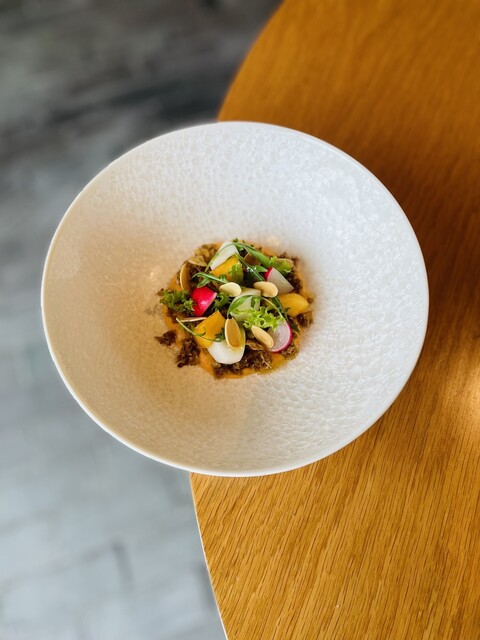
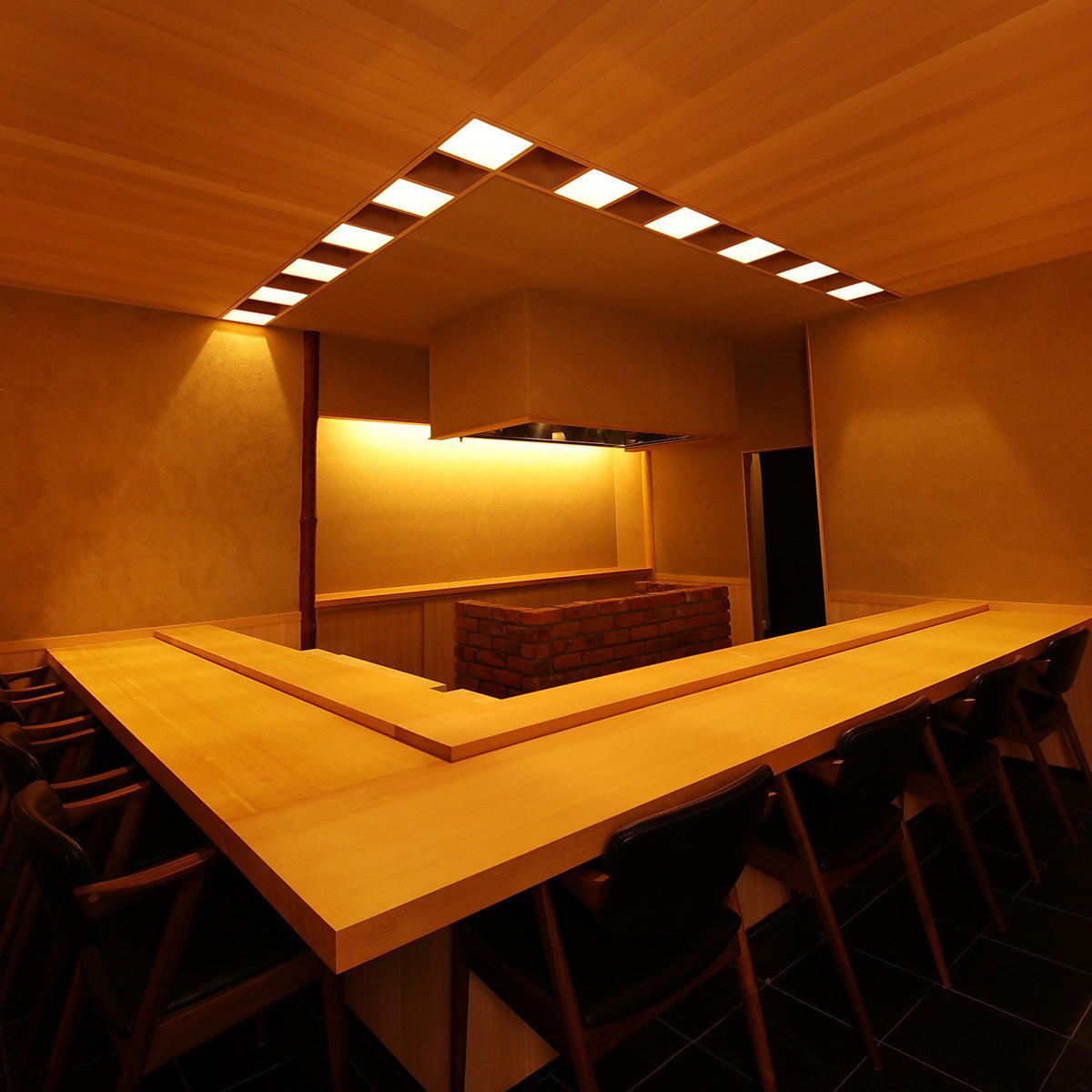
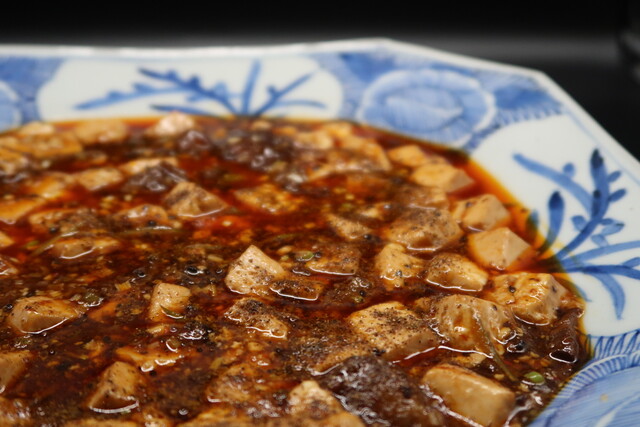
At a Glance
- Hidden Gem
- Elegant
- Sophisticated
- Date Night
- Special Occasion
- Open Kitchen
- Local Sourcing
Intimate and refined setting focused on showcasing high-quality beef dishes with traditional Japanese-Western culinary techniques.