
Tabelog Bronze #139
Our verdict
Miyazaki sushi sits closer to the source than the big-city counters, and Isshinzushi Koyo uses that advantage with unusual seriousness. Its reputation rests on fish-led sushi, a 12-seat counter within a larger 40-seat house restaurant, and a long run of Tabelog recognition, including a 2026 Bronze Award and selection for Tabelog Sushi WEST 100 in 2025.

Pearl is the En Primeur Club membership app — saves, bookings, and concierge access live there. Same editors, same standards.
- Address
- 21 Showacho, Miyazaki, 880-0874, Japan
- Phone
- +81 985-60-5005
- Hours
- Mon–Tue 12–2 PM, 5–10 PMWed ClosedThu 5–10 PMFri 12–2 PM, 5–10 PMSat–Sun 11:30 AM–2 PM, 5–10 PM
- Website
- isshinzushi.com
- Directions
- Get directions
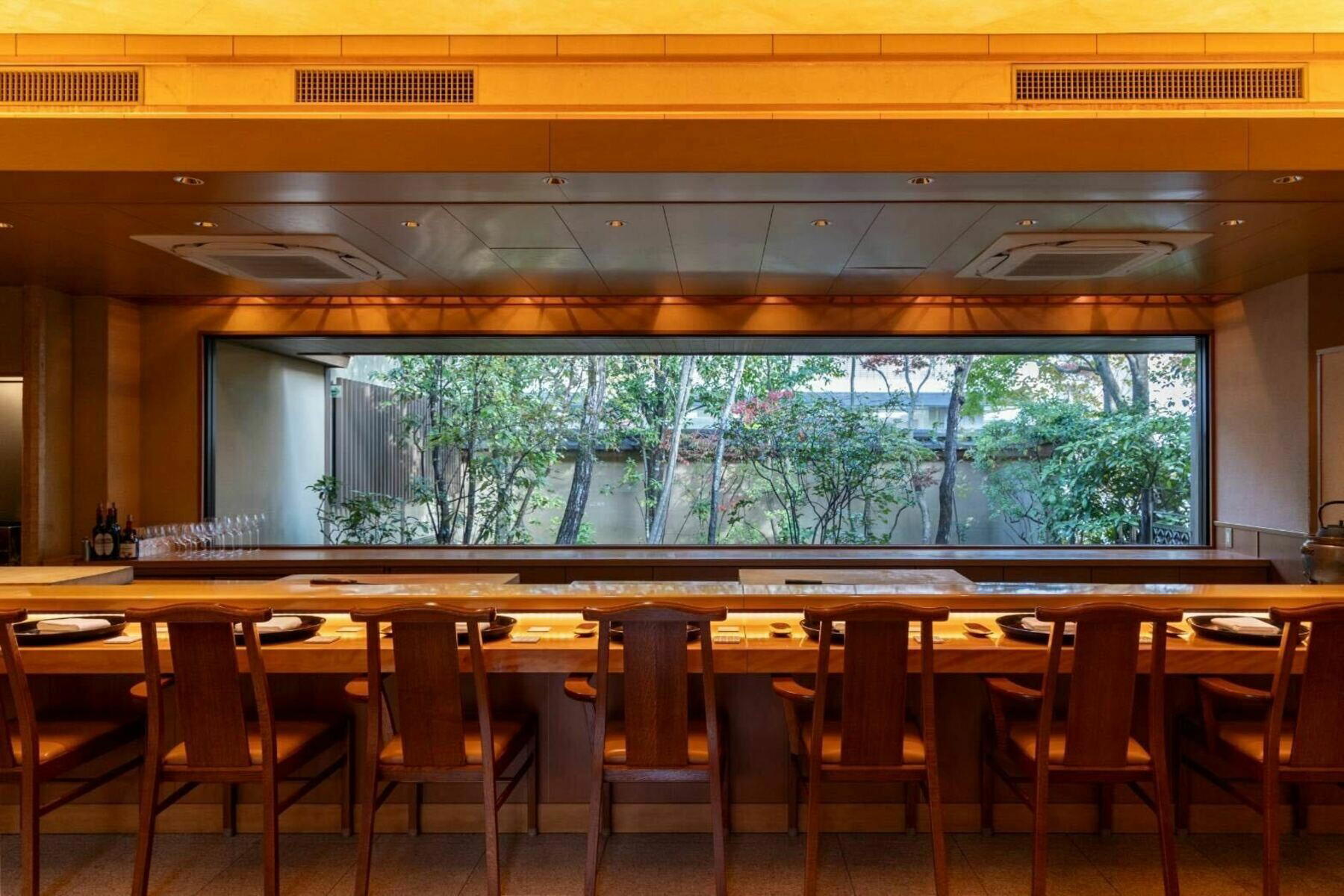
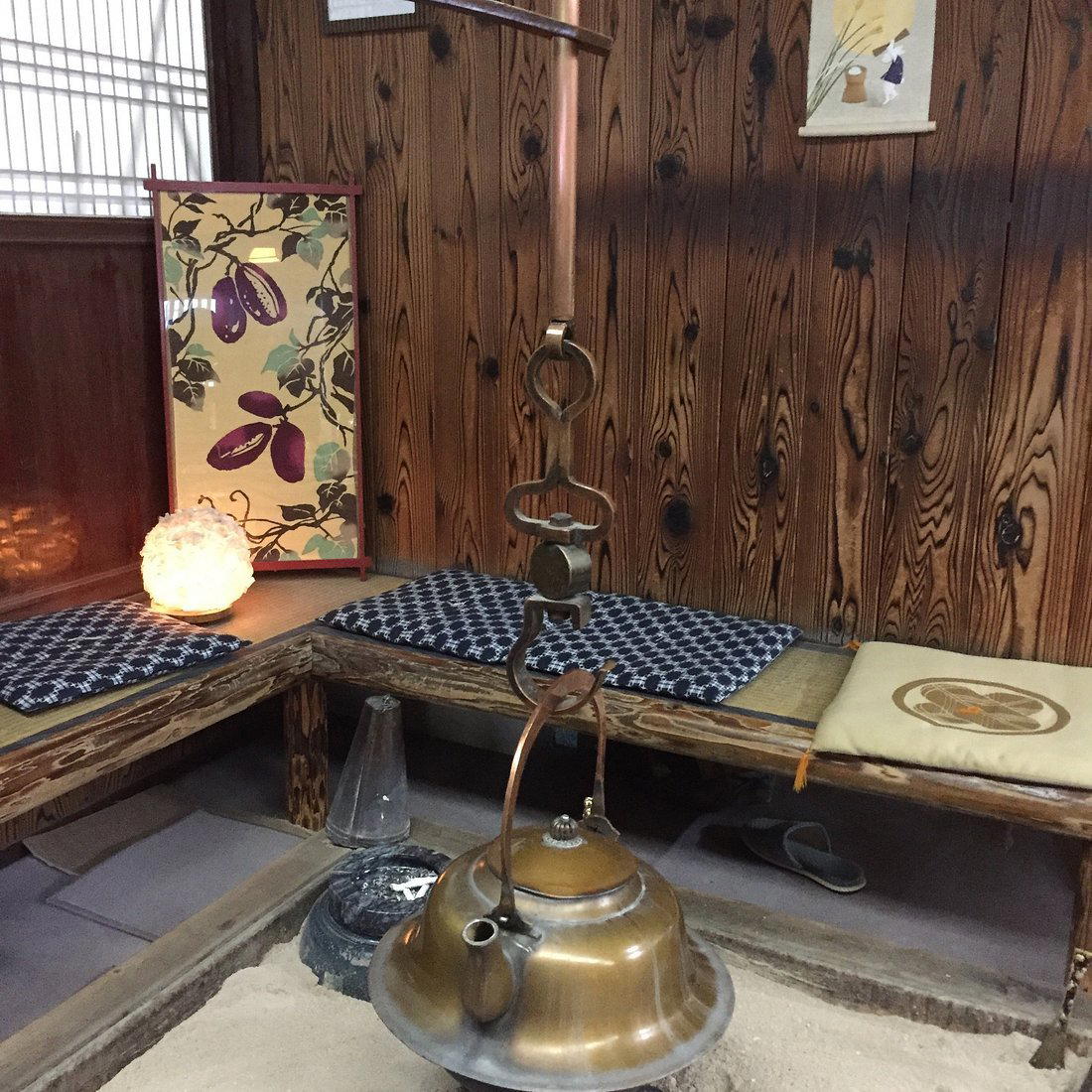
Approaching a house restaurant in Showacho sets a different expectation from the hushed elevator counters of Ginza or Kitashinchi. Miyazaki’s sushi culture is less metropolitan theatre than proximity: warm seas, fishing ports, shochu country, and locals who know when fish has been handled carefully. Isshinzushi Koyo fits that tradition, combining counter seats, private rooms, tatami and sunken seating rather than forcing every diner into one ceremonial mould.
The distinction matters because sushi outside Japan’s major dining capitals is often misread as secondary. In Kyushu, the argument can run the other way: coastal supply, local drinking culture and direct hospitality create a style where sourcing carries as much weight as performance. The restaurant’s public notes are blunt: the kitchen is particular about fish, and the drinks program covers sake, shochu and wine, with a sommelier available. That places it in a specific Japanese tier: serious sushi with regional breadth, not a minimalist trophy counter for inbound collectors.
Fish-led Miyazaki sushi with room beyond the counter
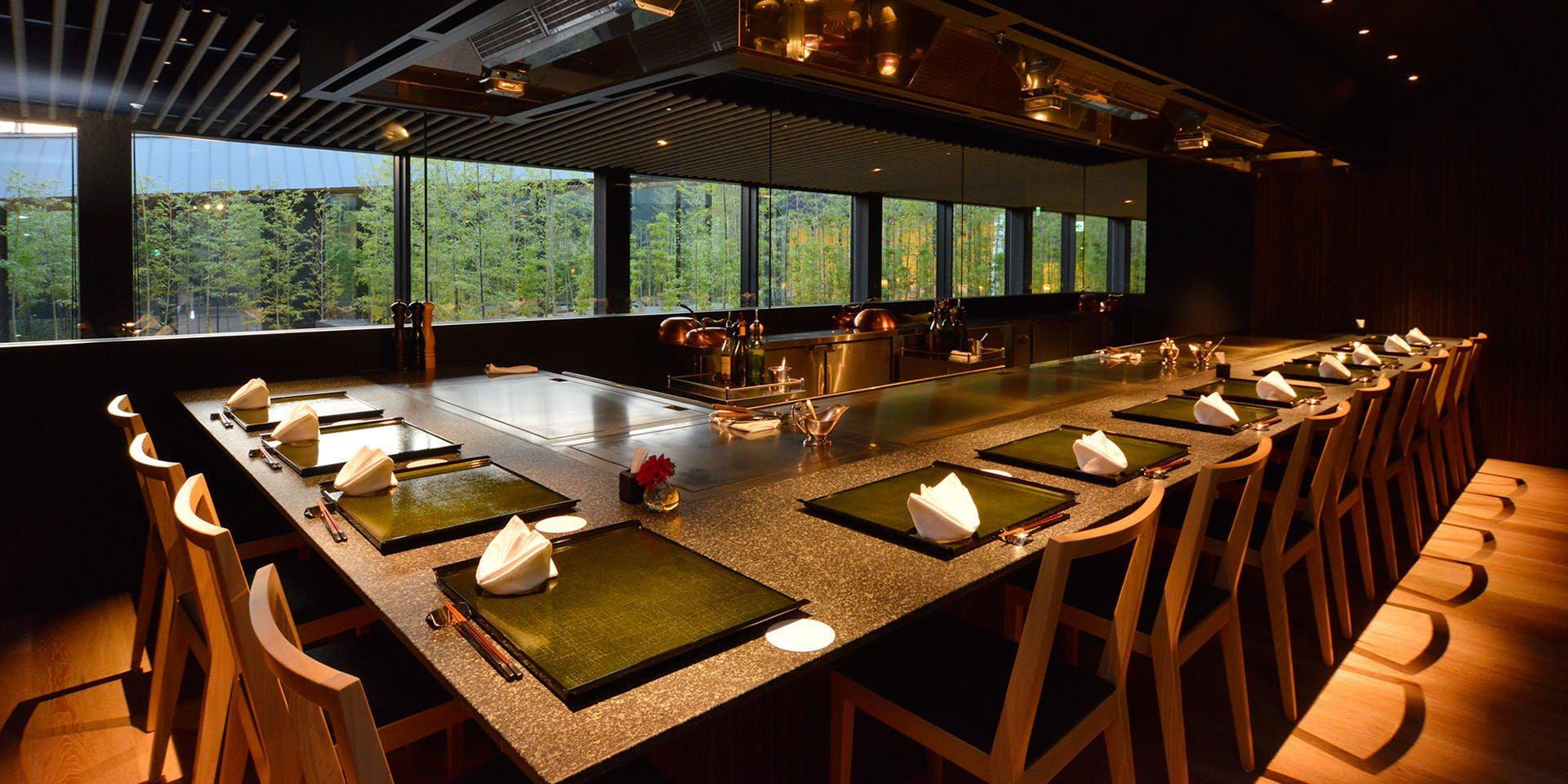
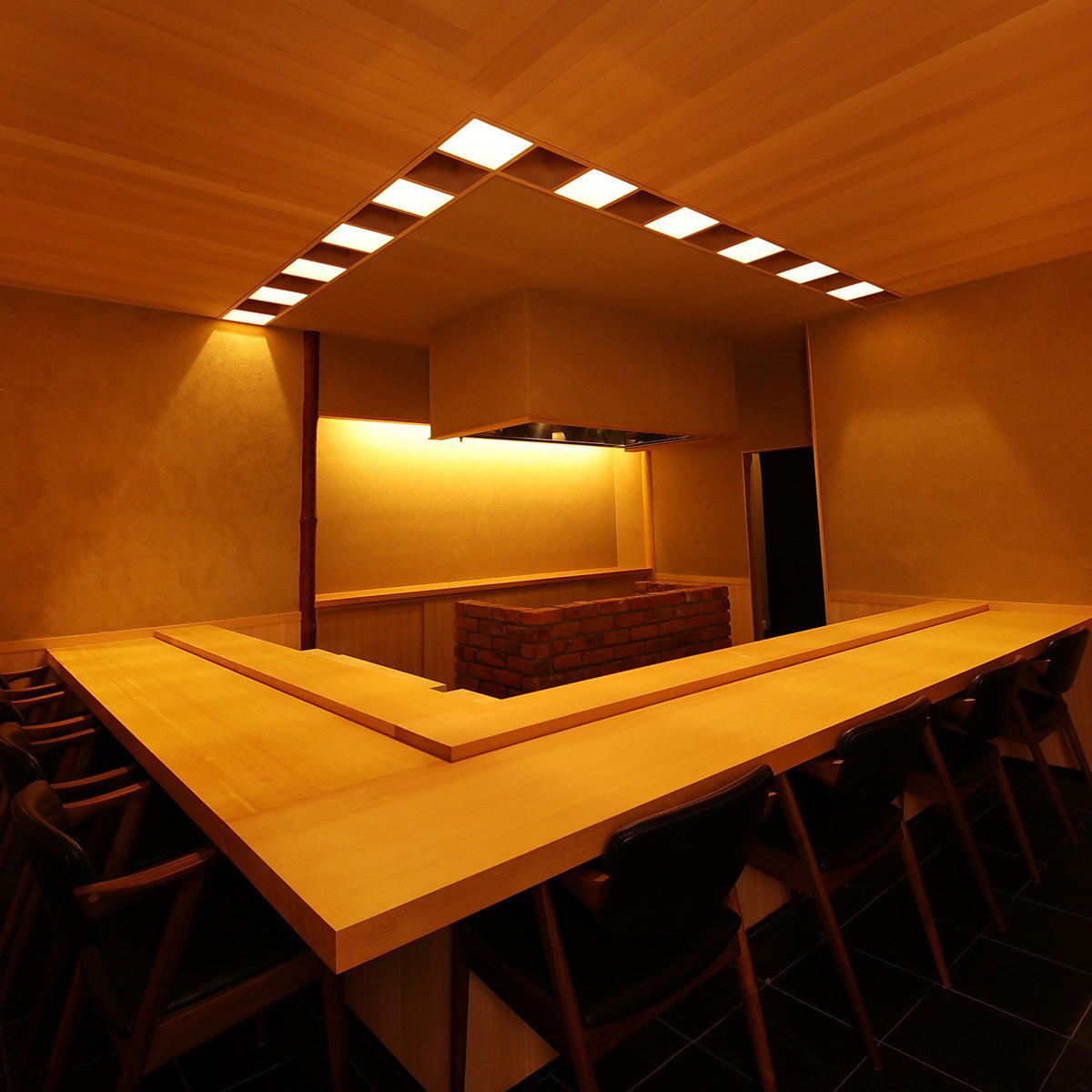
Japan’s premium sushi conversation often narrows to eight or ten seats, one chef and a booking chase. Miyazaki moves differently. Isshinzushi Koyo has 40 seats, including 12 at the counter, changing the meal’s social shape. Counter dining remains the serious format for watching the sushi progression, while private rooms for small and larger groups make the restaurant legible to families, business dinners, local regulars and visiting sushi devotees.
The broader room does not make the recognition casual. The restaurant holds a Tabelog score of 4.34 and received The Tabelog Award 2026 Bronze, after Bronze awards across multiple recent years and a Silver award in 2018. It was also selected for Tabelog Sushi WEST 100 in 2025, 2022 and 2021. In Japan, where Tabelog user culture is exacting and regional categories competitive, that pattern signals sustained local and national attention, not a single hot year.
The sourcing angle is the reason to pay attention. Miyazaki sits on Kyushu’s Pacific side, associated with seafood, charcoal cooking, chicken, beef and shochu rather than the imported luxury vocabulary of some capital-city dining rooms. A sushi counter here is judged by fish procurement and seasoning discipline before spectacle. The restaurant’s fish focus and long award run frame the meal clearly: a regional sushi address using Miyazaki’s food culture as an asset, not apologising for being outside Tokyo.
That reading also helps place it within the city. Miyazaki dining moves from chicken nanban and local beef to Chinese cooking, Italian-leaning rooms and dessert stops, without a larger metropolis’s density. For a broader map, see Our full Miyazaki restaurants guide, then compare nearby moods through Aji Kawa, Aji no Ogura Honten, Chinese Sen (Chinese), GIGLI and Fujiyama Pudding Miyazaki.
Recognition without the big-city script
The price band confirms the ambition: dinner is JPY 30,000 to JPY 39,999, lunch JPY 10,000 to JPY 14,999, with review-based spending sometimes higher. A separate 10 percent service charge applies. Those numbers put it above casual local sushi and into premium planning, though the structure differs from tiny counters that make scarcity part of the drama.
That distinction helps when comparing Miyazaki dining. Tori no Sato sits in a lower evening spend band of JPY 3,000 to JPY 3,999, while out-of-metro reference points such as Suisen and Ooyodo Kahan Miyachiku occupy different price and category territory. Isshinzushi Koyo is not competing with everyday izakaya economics; it is closer to the regional destination model, where award recognition, fish sourcing and several meal styles under one roof create the appeal.
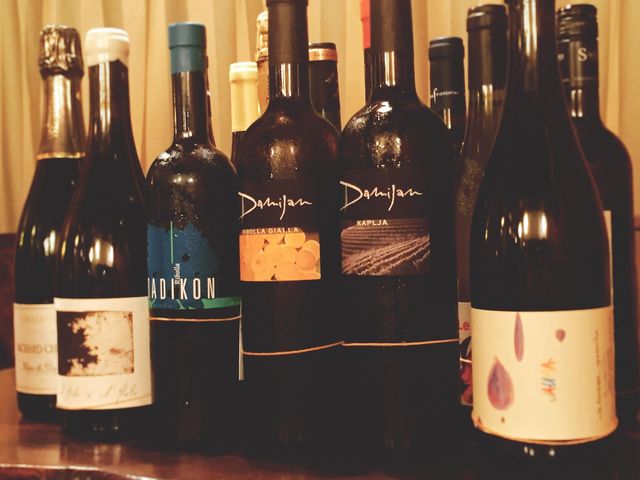
The drinks list adds a Kyushu clue. Sake is expected at sushi and wine is now normal at ambitious counters, but shochu gives the room a local accent. Miyazaki is one of Japan’s serious shochu prefectures, and a sushi restaurant that treats shochu as part of the program, not an afterthought, reads differently from one built only around sake pairings. The meal is not rustic; it speaks in a regional register.
For travellers building a Miyazaki itinerary, the restaurant belongs in a day that respects the city’s slower dining geography. The area around Miyazaki Station is practical, but the point is not to race between addresses. Lunch or dinner here works better as the day’s anchor, with hotels, bars and other experiences arranged around it. For planning beyond the meal, use Our full Miyazaki hotels guide, Our full Miyazaki bars guide, Our full Miyazaki wineries guide and Our full Miyazaki experiences guide.
How to read it against Japan's wider dining map
The useful comparison is not only with other sushi counters. Japan’s regional dining strength often appears in specialised formats: beef sukiyaki in Kamakura, casual tuna and charcoal grilling in Tokyo, curry in Sapporo, Vietnamese cooking in Kawasaki, or sake-led Japanese dining in Los Angeles. Isshinzushi Koyo fits that pattern: serious Japanese food culture is distributed across local expertise, not concentrated only in the capital’s luxury districts.
That wider lens makes cross-city references useful without turning the meal into a checklist. Readers comparing formats might look at -Grilled beef Sukiyaki- KAMAKURA TANUKIAN 鎌倉 たぬき庵 in Kamakura. 鮪と炭火焼き うお炭 秋葉原店 in Tokyo.cafe in Osaka.know in Kumamoto, (Shoku) Vietnam in Kawasaki, [Curry Senmon Ten] Maruyama Kyoju. in Sapporo, Jōdo Saké Bar in Los Angeles and Onigiri Time in Pasadena as examples of focused formats defining a meal more clearly than broad luxury language.
The verdict is direct: choose Isshinzushi Koyo for Miyazaki sushi with proven recognition, a fish-first identity and a room that accommodates counter seriousness and local hospitality. It is not the austere micro-counter model, which is precisely the point. Its strength is how regional sourcing, shochu-country drinking habits and sustained Tabelog recognition meet in a format broad enough to feel rooted in the city, not imported from elsewhere.
Frequently asked questions
When can I go to Isshinzushi Koyo?
Hours at Isshinzushi Koyo: Mon, Tue, Fri 12:00 - 14:00 L.O. 13:00 17:00 - 22:00 L.O. 20:00.
Where do I go for Isshinzushi Koyo?
Isshinzushi Koyo is located in Miyazaki.
What has Isshinzushi Koyo built its reputation on?
Its reputation rests on repeated Tabelog recognition, including Bronze awards in 2026 and selection for Tabelog Sushi WEST "Tabelog 100" in 2025. The restaurant also lists 40 seats, a 12-seat counter, and lunch from JPY 10,000 to JPY 14,999, which places it firmly in Miyazaki’s serious sushi tier.
What is Isshinzushi Koyo known for?
Isshinzushi Koyo is primarily known for its core concept and execution in Miyazaki.
Comparable venues nearby, for context on price, style, and recognition.
| Venue | Cuisine | Price | Awards | Notes |
|---|---|---|---|---|
| Isshinzushi KoyoThis venue — the venue you are viewing | Traditional Japanese Sushi Omakase | $200–300 | Tabelog Bronze #139 | Not listed |
| Hitotsu | Kyushu Seasonal Sushi Omakase | $100–150 | Tabelog Bronze #121 | near Miyazaki Station |
| Miyachiku | Miyazaki Beef Teppanyaki | $100–150 | Not listed | Shinbeppu-cho |
| 燠火kawaguchi∴ | Charcoal-Grilled Miyazaki Omakase | Not listed | Not listed | Hasugaike |
| 㐂泉 | Kaiseki Japanese Cuisine | $150–200 | Tabelog 100 #86 | 橘通東 |
| 幸魚 | Kaisen Kaiseki (Seafood Kaiseki) | $100–150 | Not listed | central Miyazaki |
Recognition history
Dated appearances from independent guides and award organizations, with the underlying list record or original source where available.
Tabelog Bronze #139
Tabelog
Full recognition history (3 entries)
Tabelog 100 #3 · No. 3
Tabelog · Tabelog 100 - Sushi - WEST - 2025
Tabelog Bronze
Tabelog
Continue exploring
More in Miyazaki
Details
- Elegant
- Cozy
- Intimate
- Sophisticated
- Business Dinner
- Special Occasion
- Date Night
- Chefs Counter
- Garden
- Open Kitchen
- Sake Program
- Local Sourcing
- Garden
- Omakase
- Counter Dining
- Sake
- Wine
Current opening hours
- Monday
- 12–2 PM, 5–10 PM
- Tuesday
- 12–2 PM, 5–10 PM
- Wednesday
- Closed
- Thursday
- 5–10 PM
- Friday
- 12–2 PM, 5–10 PM
- Saturday
- 11:30 AM–2 PM, 5–10 PM
- Sunday
- 11:30 AM–2 PM, 5–10 PM
Hours can change for holidays and private events. Last verified .
Relaxing and tranquil with stylish space, tatami rooms, sunken seating, and beautiful Japanese garden views creating a Zen-like atmosphere.