
Tabelog 100 #94
Our verdict
An Italian-named restaurant on Tachibanadorihigashi in central Miyazaki, Il Sorriso sits in a city whose dining scene has quietly built one of Kyushu's more interesting provincial restaurant cultures. The address places it within walking distance of Miyazaki's main commercial corridor, situating it among a range of mid-to-upper-tier dining options that draw on the prefecture's exceptional agricultural and livestock output.

Pearl is the En Primeur Club membership app — saves, bookings, and concierge access live there. Same editors, same standards.
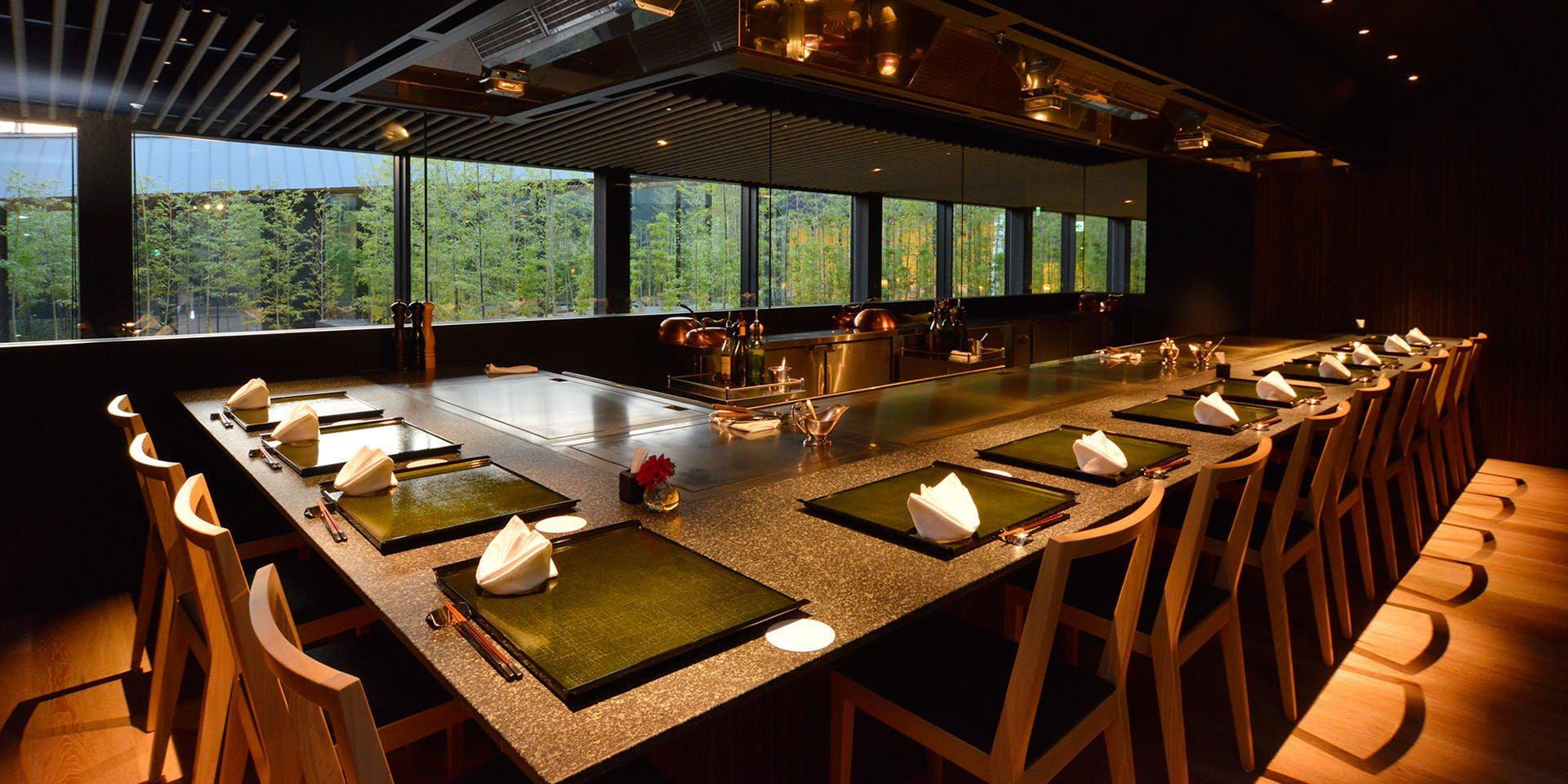
Miyazaki's Dining Character and Where Il Sorriso Fits
Miyazaki Prefecture occupies a specific position in Japan's food supply chain that most diners in Tokyo or Osaka rarely think about, yet frequently benefit from. The prefecture produces some of Japan's most sought-after wagyu — Miyazaki Beef has won the national wagyu competition, the Zenkoku Wagyu Noryoku Kyoshin-kai, multiple times, defeating Kobe and other better-marketed rivals in blind evaluation. Its chicken, grown under distinct regional farming conditions, carries a depth of flavour that has kept it a recurring reference point for chefs working in the Japanese-Western hybrid register. Its subtropical climate produces vegetables and citrus that arrive earlier in the season than most of Honshu, giving local kitchens an agricultural calendar that doesn't match the national rhythm.
Restaurants that work seriously with these ingredients — rather than importing prestige produce from elsewhere, tend to operate in a different register from the prefecture's tourist-facing yakitori and gyoza spots. Il Sorriso, on Tachibanadorihigashi in central Miyazaki, takes an Italian name in a city where that framing remains comparatively rare outside the yoshoku tradition. That positioning is itself a signal: Italian, or Italian-influenced cooking in a Japanese regional context, tends to function as a format for showcasing local produce under European culinary logic, letting the sourcing do the argumentative work rather than the technique.
The Ingredient Argument in Regional Japanese-Italian Cooking
Across Japan's regional cities, a durable pattern has emerged in restaurants that occupy the Italian or European-influenced tier: the menu's credibility rests almost entirely on whether the kitchen can source at the level its format implies. In Fukuoka, Kyoto, and Nara, restaurants like Goh in Fukuoka, Gion Sasaki in Kyoto, and akordu in Nara have demonstrated that the most compelling argument for dining outside Tokyo's concentration of starred kitchens is access to prefectural produce that simply isn't available at that proximity in the capital. The logic is direct: local sourcing is not a marketing position but a structural advantage that urban flagship restaurants cannot replicate.
Miyazaki's produce profile, wagyu, jidori chicken, seasonal vegetables from a warm-climate growing cycle, and seafood from the Pacific coast, constitutes the kind of sourcing environment that European-format kitchens are well-positioned to articulate. The Italian framing, whether expressed through pasta, antipasti, or wood-fired technique, provides a grammar for presenting single-ingredient quality: a clean backdrop against which the chicken's texture or the beef's fat distribution becomes the subject, rather than being subsumed into more complex Japanese seasoning structures.
Among Miyazaki's dining options, this places Il Sorriso in a different competitive tier from the prefecture's Chinese and Chinese-influenced restaurants, see Chinese Sen for reference on that side of the city's dining range, and aligns it more closely with restaurants working the yoshoku and European register, a category that in Miyazaki includes venues like Ranpu Tei, which operates in the JPY 8,000–9,999 per-person range.
Tachibanadorihigashi: Central Miyazaki's Commercial and Dining Corridor
The Tachibanadorihigashi address places Il Sorriso in central Miyazaki's main commercial zone, a stretch that concentrates much of the city's mid-to-upper dining density. This is the corridor where Miyazaki's more serious restaurants tend to cluster, within reasonable distance of the main station and the hotel district, drawing both local regulars and visitors arriving from Miyazaki Airport, which sits roughly 8 kilometres from the city centre and connects domestically to Tokyo, Osaka, and Nagoya.
Central Miyazaki's dining scene rewards attention that most visitors don't give it. The city sits far enough from Fukuoka's gravitational pull to have developed its own restaurant culture rather than functioning as a satellite. The result is a cluster of independent kitchens operating with a degree of specificity about regional produce that you find more often in smaller Japanese cities than in the major urban centres, where supply chains have become more generic. Diners considering the full range of the city's options should consult our full Miyazaki restaurants guide for mapped coverage of the corridor and surrounding neighbourhoods.
For sushi in this part of the city, Isshinzushi Koyo and Hitotsu represent the prefecture's approach to seafood-led counter dining. For a different register again, iwanaga operates in the zone between traditional Japanese formats and contemporary presentation. Fujiyama Pudding Miyazaki functions as a local dessert institution worth factoring into a longer afternoon in the area.
Contextualising Il Sorriso in Japan's Regional Fine Dining Picture
The broader Japanese restaurant scene has over the past decade produced a clear pattern: serious kitchens outside the three major metropolitan areas have increasingly been recognised on their own terms rather than as provincial approximations of Tokyo or Osaka standards. HAJIME in Osaka and Harutaka in Tokyo represent the high end of that metropolitan tier. Regionally, venues like 一本杉 川嶋製 in Nanao, 古代山乃 in Sapporo, 湖邸庄屋 in Takashima, 羽根屋 in Nishikawa Machi, and Birdland in Sakai demonstrate how prefectural specificity has become a credible alternative to metropolitan prestige. Internationally, the comparison points for produce-driven European cooking at this level include Le Bernardin in New York City and Atomix in New York City, both of which demonstrate how sourcing logic can anchor menus across very different cultural frameworks.
Il Sorriso sits within this broader regional picture as a Miyazaki representative of the Italian-registered format, a category small enough in Kyushu's provincial cities that its execution carries weight simply by existing at a serious level. The address on Tachibanadorihigashi, the Italian name, and its position relative to Miyazaki's other mid-to-upper tier tables all suggest a kitchen operating with a clear sense of its own context.
Planning a Visit
Il Sorriso is located at 3-chome 5-28 Tachibanadorihigashi, Miyazaki 880-0805. Given Miyazaki's dining culture and the format implied by an Italian-registered restaurant at this address tier, reservations are likely preferable to walk-ins, particularly on weekends when the Tachibanadorihigashi corridor attracts significant local dining traffic. Miyazaki Airport's domestic connections make the city an accessible short-break destination from multiple Japanese cities, and the central location of this address means most accommodation options in the city centre are within easy reach on foot or by taxi.
Frequently asked questions
What part of town is Il Sorriso in?
Il Sorriso is located at Japan, 〒880-0805 Miyazaki, Tachibanadorihigashi, 3 Chome−5−28 長ビル 1階, Miyazaki.
Is Il Sorriso a good option for Italian food in Miyazaki city centre?
Among the Italian-register restaurants in central Miyazaki, Il Sorriso's Tachibanadorihigashi address puts it at the heart of the city's main dining corridor, the stretch that concentrates most of Miyazaki's mid-to-upper tier restaurant trade. Miyazaki city has a smaller restaurant density than Fukuoka or Kagoshima, which means kitchens that hold their position in this district over time tend to do so on the strength of a consistent kitchen rather than foot-traffic convenience. No current awards data is confirmed for the venue.
What should I order at Il Sorriso?
Miyazaki Prefecture is one of Japan's primary production zones for wagyu beef, pork, and subtropical produce, and restaurants operating in the Italian register here typically build their menus around those regional ingredients. At Il Sorriso on Tachibanadorihigashi, the logical approach is to follow whatever the kitchen is featuring from local supply that season. Current menu details are not published online, so asking at the time of reservation about the chef's current focus will give you the most accurate steer.
Do they take walk-ins at Il Sorriso?
Given the venue's position in central Miyazaki's main dining corridor on Tachibanadorihigashi, it is worth contacting the restaurant directly before arriving, particularly on weekend evenings when the area's mid-to-upper tier restaurants tend to fill. Walking in without a booking is a reasonable option at quieter midweek lunches, but carries risk at dinner.
What is Il Sorriso known for?
Il Sorriso occupies the Italian-influenced tier of Miyazaki city's dining scene, a category that in regional Japanese cities has increasingly built its credibility on local ingredient sourcing rather than imported European produce. Miyazaki's reputation as a supplier of premium proteins and produce to Tokyo and Osaka kitchens gives restaurants here a strong argument for keeping the supply chain short. Il Sorriso's address in the Tachibanadorihigashi commercial zone places it among the more established dining options in central Miyazaki.
In Context: Similar Options
Comparable venues nearby, for context on price, style, and recognition.
| Venue | Cuisine | Price | Awards | Notes |
|---|---|---|---|---|
| Il SorrisoThis venue (the venue you are viewing) | Regional Japanese-Italian Fusion with Handmade Pasta | $100–150 | Tabelog 100 #94 | Not listed |
| GIGLI | Seasonal Italian Fine Dining | $100–150 | Tabelog 100 #48 | Chuo-dori / Miyazaki City Center |
| Teppanyaki Steak Hitotsuba Miyachiku | Teppanyaki Steakhouse | $30–50 | Tabelog 100 #8 | Shinbeppu-cho |
| 幸魚 | Kaisen Kaiseki (Seafood Kaiseki) | $100–150 | Not listed | central Miyazaki |
| Chinese Sen | Chinese with Miyazaki Ingredients | Not listed | Tabelog Bronze #394 | Miyazaki City |
| 宮崎牛鉄板焼ステーキ ミヤチク | Miyazaki Beef Teppanyaki | $100–150 | Not listed | 新別府町 |
Recognition history
Dated appearances from independent guides and award organizations, with the underlying list record or original source where available.
Tabelog 100 #94 · No. 94
Tabelog · Tabelog 100 - Italian - WEST - 2025
Details
- Intimate
- Elegant
- Quiet
- Date Night
- Special Occasion
- Business Dinner
- Open Kitchen
- Standalone
- Local Sourcing
- A La Carte
- Set Menu
Current opening hours
- Monday
- Closed
- Tuesday
- 6–10 PM
- Wednesday
- 6–10 PM
- Thursday
- 6–10 PM
- Friday
- 6–10 PM
- Saturday
- 6–10 PM
- Sunday
- Closed
Hours can change for holidays and private events. Last verified .
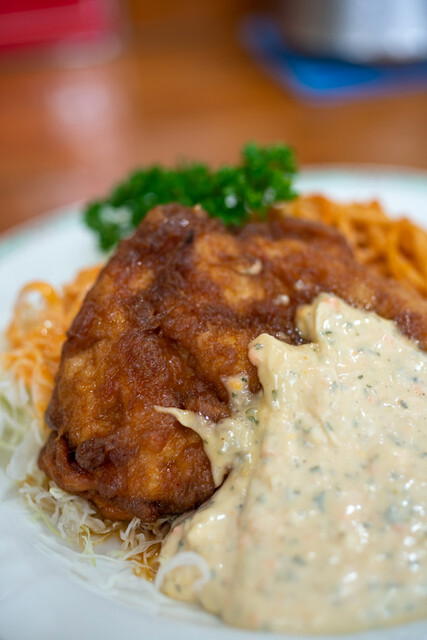
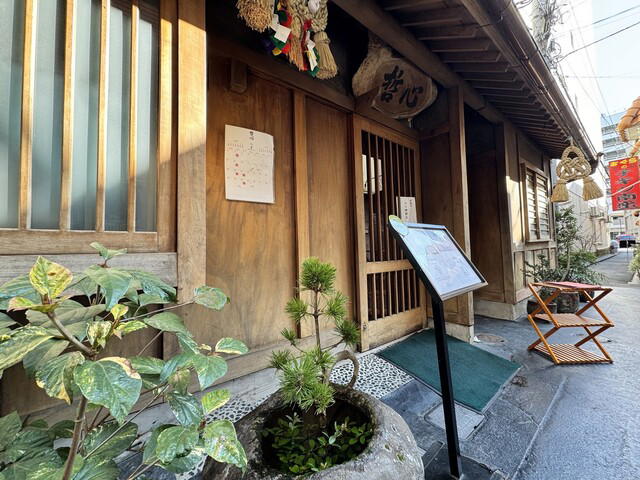
Intimate and comfortable space with a blissful, refined atmosphere tucked away in an alley behind Tachibana Street.