Situated in Osaka's Chuo Ward on the refined Uemachi Plateau, 旬膳季らく represents the quieter register of Osaka's washoku tradition: seasonal Japanese cooking served in a neighbourhood setting removed from the Namba and Shinsaibashi circuits. For travellers who read Osaka primarily through its louder food culture, this address in Tohei offers a different calibration entirely.
Pearl is the En Primeur Club membership app — saves, bookings, and concierge access live there. Same editors, same standards.
- Address
- Japan, 〒542-0063 Osaka, Chuo Ward, Tohei, 1 Chome−3 16W上町台 1階
- Phone
- +819032389696
- Website
- shunzen-kiraku.com
- Directions
- Get directions
 Saves & bookings on Pearl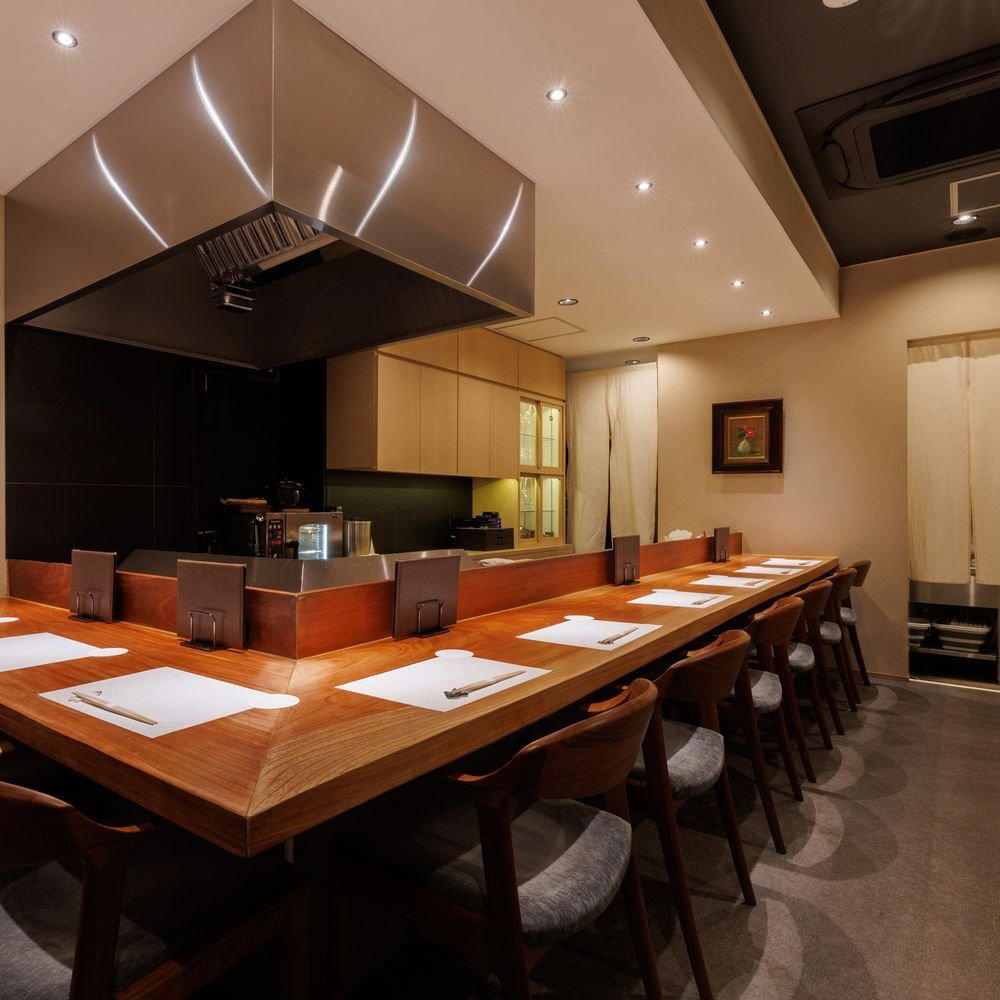
The Uemachi Plateau and the Quieter Side of Osaka's Washoku Tradition
Osaka's food identity is most often told through volume and density: the takoyaki counters of Dotonbori, the kushikatsu bars of Shinsekai, the high-end kaiseki rooms that compete in the same tier as Ajikitcho Bunbuan and HAJIME. But the city has a parallel current, less photographed and less discussed in international food media, that runs through residential neighbourhoods on the Uemachi Plateau. Here, on the refined ridge that once formed the backbone of castle-town Osaka, the streets are quieter, the buildings lower, and the restaurants less concerned with drawing attention to themselves.
旬膳季らく sits in this context, on Tohei in Chuo Ward, at the base of what the address designates as 16W Uemachi-dai. The plateau's character is distinct from the flatlands below: a neighbourhood frequency that prioritises permanence over spectacle. Restaurants in this register tend to serve regulars, observe seasons closely, and keep their dining rooms small. The name itself signals the approach. 旬 (shun) means peak season; 膳 (zen) refers to a tray set meal; 季 (ki) marks seasonal time; らく (raku) suggests ease and pleasure. Taken together, the name describes a cuisine orientation rather than a concept: food aligned to what is available at its leading, served in a format that does not demand ceremony.
What the Setting Communicates Before You Order
In Japanese restaurant culture, the physical approach to a room does considerable work before a single dish appears. The ground-floor position on Uemachi-dai, identified in the address as 1階 (first floor, street level), removes the altitude theatrics common to high-rise Osaka dining and places the experience directly in the street fabric of the neighbourhood. Walking to a restaurant like this, through a residential quarter rather than a commercial one, recalibrates expectations in ways that a lift ride to a tower dining room cannot.
The category of restaurant that 旬膳季らく appears to occupy, seasonal Japanese home-style or light kaiseki in a neighbourhood setting, is one where the room's atmosphere is built from understatement: natural materials, contained scale, the smell of dashi rather than open flame, the sound of a kitchen at measured work rather than the percussion of a robata grill. These are not aesthetic accidents. They are the grammar of a particular kind of Japanese dining room, one that asks the guest to slow down and pay closer attention to what arrives on the tray.
For travellers moving between Osaka's better-documented dining addresses, including the French-Japanese registers at Calendrier or the contemporary approaches at Aka to Shiro, a meal in this neighbourhood tier offers a counterpoint: cooking that earns its authority through seasonal discipline rather than technique display.
Seasonal Cooking as an Organising Principle
The shun concept that anchors this restaurant's name is not decorative. Japanese culinary culture has codified seasonal eating more rigorously than almost any other tradition, with specific ingredients carrying not just flavour associations but cultural timing. Takenoko (bamboo shoots) in spring, ayu (sweetfish) in early summer, matsutake in autumn, buri (yellowtail) in winter, these are the markers by which a kitchen committed to shun orients its entire offering. The menu at any given visit is less a fixed document than a position statement about what the season is doing.
This approach connects 旬膳季らく to a broader washoku tradition that extends across the Kansai region. The restaurants of this type in Kyoto, Nara, and Osaka's quieter quarters share a common grammar: small dishes assembled around a seasonal anchor, dashi as the foundational flavour register, visual presentation that reflects the season's palette. Gion Sasaki in Kyoto operates in a related but more formally refined register; akordu in Nara applies a different cultural lens to similar seasonal logic. 旬膳季らく sits closer to the neighbourhood end of this spectrum, where the cooking is less about demonstration and more about hospitality.
Osaka Chuo Ward: Reading the Neighbourhood
Chuo Ward encompasses an unusually wide range of Osaka's food culture, from the tourist-facing density of Dotonbori in the south to the quieter residential and temple-adjacent streets of the Uemachi area in the east. The ward's internal geography matters when reading any restaurant address within it. A venue on Namba's main drag and a venue on the Uemachi Plateau are technically in the same administrative unit but occupy completely different urban registers.
Tohei, where 旬膳季らく is located, sits in the plateau section of Chuo Ward, closer in character to the streets around Osaka Castle's southern approaches than to the entertainment districts most visitors map the area by. Restaurants in this part of the ward tend to operate on local reputation and word of mouth rather than tourism traffic, which in Japan often functions as a proxy for a certain kind of quality signal: the kitchen is cooking for people who will return, not for first-time visitors unlikely to come back.
Other Osaka addresses that operate in a comparable neighbourhood frequency include Ajihei Sonezaki and Az, though each occupies a different cuisine register. Across Japan more broadly, the pattern of serious seasonal cooking in low-key residential settings appears in restaurants like 一本杉 川島料理店 in Nanao and 湖畔荘 in Takashima, where geography and setting are themselves part of the offer.
Know Before You Go
Location: 1 Chome-3, Tohei, Chuo Ward, Osaka (16W Uemachi-dai, 1階)
Neighbourhood: Uemachi Plateau, eastern Chuo Ward, residential in character, distinct from the Namba and Shinsaibashi commercial corridors
Cuisine orientation: Seasonal Japanese (shun-zen), based on the restaurant's name and neighbourhood category
Booking: Reservations are recommended
Access: Chuo Ward is served by Osaka Metro's Tanimachi and Nagahori Tsurumi-ryokuchi lines; the Uemachi area is reached via Tanimachi 6-chome or Tanimachi 4-chome stations
Season timing: A restaurant built around the shun principle rewards visits timed to a seasonal transition, when the menu reflects the season's best ingredients
How It Stacks Up
Comparable venues nearby, for context on price, style, and recognition.
| Venue | Cuisine | Price | Notes |
|---|---|---|---|
| 旬膳季らくThis venue — the venue you are viewing | 浪速割烹 Japanese Kaiseki | $$$ | Not listed |
| Shugetsu | Okonomiyaki Teppanyaki | $$$ | Higashiyodogawa |
| Shimanouchi Ichiyo | Creative Kappo Seafood | $$$ | Chūō |
| 片町 川口 | japanese | $$$ | Miyakojima |
| Daibon | Modern Seafood Kushikatsu | $$$ | Kita |
| 澤田 | Traditional Japanese Kaiseki | $$$ | Fukushima |
Continue exploring
More in Osaka
Restaurants in Osaka
Browse all →




Bars in Osaka
Browse all →


Hotels in Osaka
Browse all →




Wineries in Osaka
Browse all →
At a Glance
- Elegant
- Sophisticated
- Intimate
- Date Night
- Business Dinner
- Special Occasion
- Sake Program
Current opening hours
- Monday
- 5–11 PM
- Tuesday
- 5–11 PM
- Wednesday
- 5–11 PM
- Thursday
- 5–11 PM
- Friday
- 5–11 PM
- Saturday
- 5–11 PM
- Sunday
- Closed
Hours can change for holidays and private events. Last verified .
上質な時間を気楽に楽しめる暖簾を掲げる純和食の空間。