
Tabelog 100 #58
Our verdict
Located in Nishitenma, one of Osaka's most serious dining corridors, 彩翠 occupies a first-floor space in Kita Ward where the neighbourhood's kappo and kaiseki traditions run deep.

Pearl is the En Primeur Club membership app, where members save venues, book tables and use the concierge.
Nishitenma and the Weight of Occasion Dining in Osaka
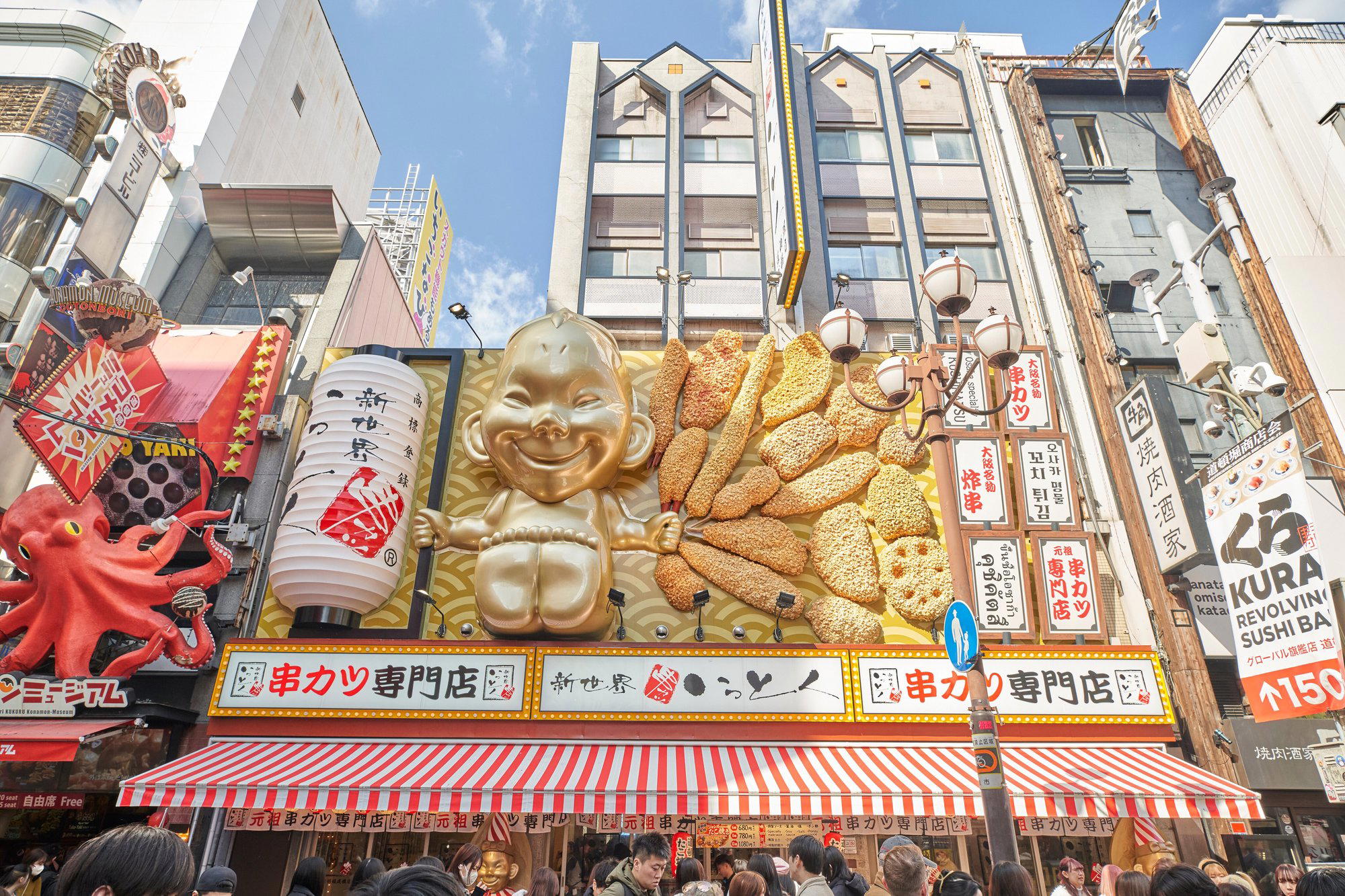
Osaka's Nishitenma district does not announce itself the way Dotonbori does. There are no lit-up facades or queues spilling onto the pavement. Instead, the streets around Kita Ward's quieter northern reach carry a different kind of density: private dining rooms behind frosted glass, counters that seat fewer than a dozen, restaurants where the booking itself is a form of due diligence. This is where Osaka's occasion dining concentrates, meals timed to engagements, significant anniversaries, business milestones, and the particular Japanese tradition of marking life's turns with food prepared at a level that signals the weight of the moment. 彩翠, at 2-7-26 Nishitenma in the Tokusen Building's ground floor, sits inside that geography.
The neighbourhood comparison matters here. Nishitenma runs adjacent to the legal district and draws a clientele accustomed to discretion and precision. Restaurants in this corridor, including Ajikitcho Bunbuan and Ajihei Sonezaki, have built reputations around exactly that kind of calibrated formality. The bar for occasion dining in this part of the city is set by places where the room itself communicates that something significant is happening at the table.
What the Address Signals
In Osaka's fine dining geography, a ground-floor address in a mid-rise building on a Nishitenma side street is a familiar format for smaller, counter-led restaurants that prioritise intimacy over visibility. The city's most discussed meals often happen behind unmarked doors or in spaces that read as residential from the outside. That physical restraint is deliberate: it filters for guests who arrive with intent rather than impulse. For occasions where the setting needs to match the gravity of what's being celebrated, that filtering function is part of the value.
Osaka's broader dining scene has a structural advantage for this kind of experience. HAJIME in Osaka represents the upper extreme of that ambition, but the mid-tier of Nishitenma addresses often delivers comparable precision in smaller, more personal formats.
Occasion Dining in the Kansai Context
The Kansai region has its own grammar for celebratory meals. Where Tokyo's occasion dining tends toward formality and hierarchy, the kaiseki counter as a kind of performance, Osaka and Kyoto express the same impulse through a warmer register. Gion Sasaki in Kyoto exemplifies the Kyoto version of this: deeply seasonal, referential, unhurried. Osaka's version, including the counters of Nishitenma, tends to carry a slightly less austere energy, the host-guest relationship is more conversational, the pacing more flexible. For diners marking a milestone, that distinction matters: Tokyo-style formality can feel ceremonial in a way that keeps guests at a remove, while the Osaka variant more often generates the kind of warmth that makes a meal feel genuinely commemorative rather than merely impressive.
This regional character extends across the broader circuit. akordu in Nara brings a European-inflected perspective to the same occasion-dining impulse, while Goh in Fukuoka demonstrates how the format travels down Kyushu with its own local inflection. The common thread is small capacity, deliberate pacing, and menus constructed around a single sitting rather than continuous table turns, all features that align naturally with milestone meals.
Planning a Milestone Meal at This Address
This is not unusual for smaller Nishitenma restaurants, which frequently rely on word-of-mouth routing and reservation-by-introduction rather than open online booking. In fact, that opacity often tracks with the quality tier: restaurants that do not need to advertise availability tend to be the ones that do not have it.
The planning horizon for this kind of address in Osaka typically runs four to eight weeks ahead for regular seatings, and longer for weekend dates tied to Japanese national holidays or the culturally significant gift-giving seasons around o-bon and year-end. Anyone planning a meal here around a specific date, a birthday, an anniversary, a farewell dinner, should treat the booking as the first item on the itinerary, not the last. The comparable counters in the city's serious dining tier, including Aka to Shiro and Calendrier, operate on similar lead times.
For international visitors, the logistics of Nishitenma are direct: the area sits north of Osaka's central interchange and is accessible from both Namba and Umeda within fifteen to twenty minutes. The neighbourhood rewards arrival with enough time to walk, the transition from the commercial density of central Osaka to the quieter residential-commercial mix of Nishitenma is part of what makes the dining experience feel intentional rather than transactional.
Where 彩翠 Sits in the Broader Picture
For those building a Japan itinerary around a series of meaningful meals, the Nishitenma address connects logically to a wider circuit. Harutaka in Tokyo represents the capital's approach to the same counter-led, occasion-appropriate format. Further afield, Abon in Ashiya, affetto akita in Akita, Aji Arai in Oita, Ajidocoro in Yubari District, and Akakichi in Imabari each demonstrate how Japan's serious dining culture distributes itself well beyond the major cities. Internationally, the occasion-dining model has its own parallel at places like Le Bernardin in New York City and Lazy Bear in San Francisco, where the commitment to a single sitting and a constructed progression of courses serves a similar commemorative function. The format, intimate, deliberate, built around the idea that the meal itself is the occasion, is a consistent international signal for the tier of experience that occasion dining demands.
For a full picture of where 彩翠 sits among Osaka's serious restaurants, see our full Osaka Shi restaurants guide, which covers the city's dining corridors from Namba to the quieter streets of Kita Ward in detail. Also consider Az as a point of comparison within the same city tier.
Frequently asked questions
What part of town is 十皿 in?
十皿 is located at Japan, 〒530-0047 Osaka, Kita Ward, Nishitenma, 2 Chome−7−26 徳矢ビル1F, Osaka Shi.
What is 彩翠 known for?
彩翠 holds a ground-floor counter address on a Nishitenma side street in Osaka's Kita Ward, a format strongly associated with focused, occasion-oriented dining in the Kansai region. Within the Nishitenma district, that positioning signals a deliberate, intimate operation.
How far ahead should I plan for 十皿?
Reservations are recommended for 十皿 in Osaka Shi. Confirm current policy via the venue's official channels.
What is 十皿 known for?
十皿 is best approached by focusing on the core concept and signature offerings.
Budget Reality Check
Comparable venues nearby, for context on price, style, and recognition.
| Venue | Cuisine | Price | Awards | Notes |
|---|---|---|---|---|
| 十皿This venue (the venue you are viewing) | Traditional Japanese Kaiseki | Not listed | Tabelog 100 #58 | Not listed |
| かしわや泰 美酒佳鶏 | Japanese Yakitori | $50–100 | Not listed | Fukushima, Yakitori |
| Wagyu Japanese BBQ Yakiniku & Hamburger Ramen Dotonbori Restaurant Namba-Beef | Halal Wagyu Yakiniku & Ramen | $20–30 | Not listed | Chūō, Halal Wagyu Yakiniku & Ramen |
| 旬膳季らく | 浪速割烹 Japanese Kaiseki | $100–150 | Michelin Plate | Chūō, 浪速割烹 Japanese Kaiseki |
| 新地やま本 | Modern Japanese Kaiseki Omakase | $300–500 | 1 Michelin Star | Kita, Traditional Japanese Kaiseki |
| 割鮮 入たに | Naniwa Kappo | $150–200 | Michelin Plate | Kita, Naniwa Kappo |
Recognition history
Dated appearances from independent guides and award organizations, with the underlying list record or original source where available.
Tabelog 100 #58 · No. 58
Tabelog · Tabelog 100 - Innovative / Creative cuisine - 2025
Continue exploring
More in Osaka
Restaurants in Osaka
All restaurants in Osaka →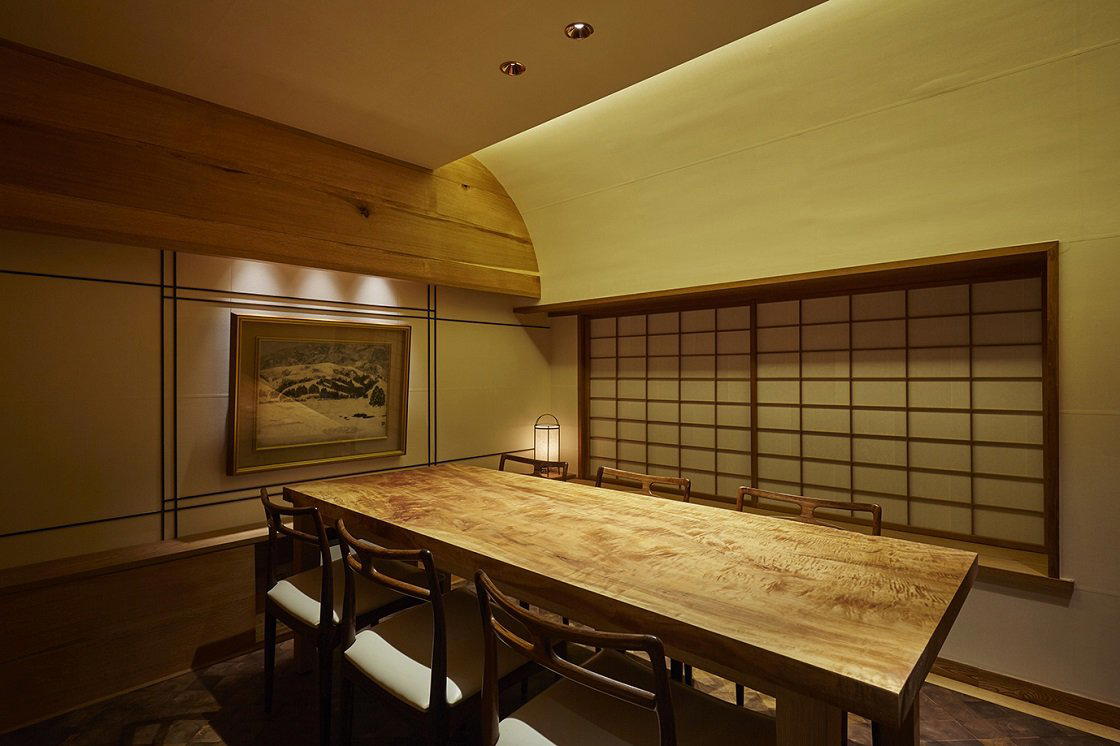



Bars in Osaka
All bars in Osaka →



Hotels in Osaka
All hotels in Osaka →


Wineries in Osaka
Browse all →
Details
- Elegant
- Sophisticated
- Modern
- Date Night
- Special Occasion
- Business Dinner
- Open Kitchen
- Sake Program
- Local Sourcing
- Omakase
- A La Carte
- Sake
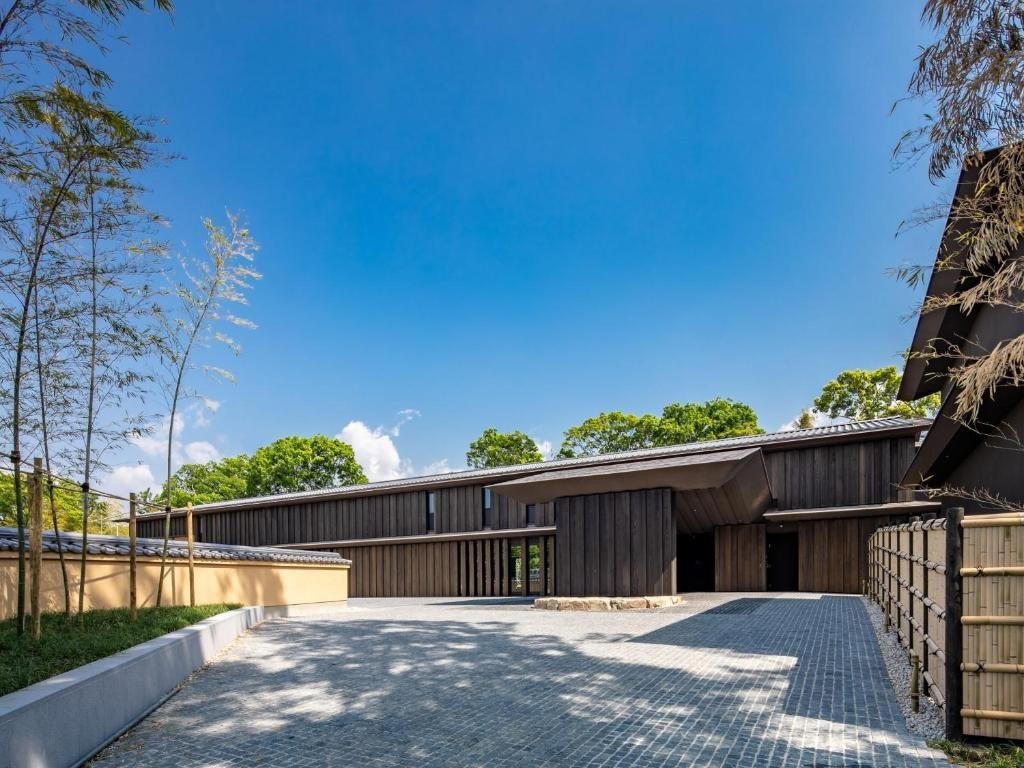
Minimalist and refined atmosphere with warm lighting and traditional Japanese design elements.