里山十帖 -早苗饗-
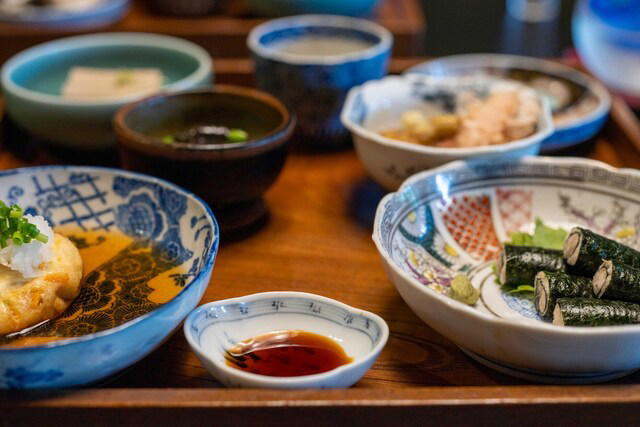
Sitting in Minamiuonuma, Niigata Prefecture, one of Japan's most celebrated rice-producing regions, 越山かぶ市 (橡亭飯) operates at the intersection of serious regional sourcing and considered Japanese dining. The snowmelt-fed paddy fields and mountain produce of Uonuma define what arrives on the plate here, placing this address within a small cohort of destination restaurants anchored to a specific agricultural terroir.
Pearl is the En Primeur Club membership app — saves, bookings, and concierge access live there. Same editors, same standards.
- Address
- 1209-6 Osawa, Minamiuonuma, Niigata 949-6361, Japan
- Phone
- +81570001810
- Website
- satoyama-jujo.com
- Directions
- Get directions
 Saves & bookings on Pearl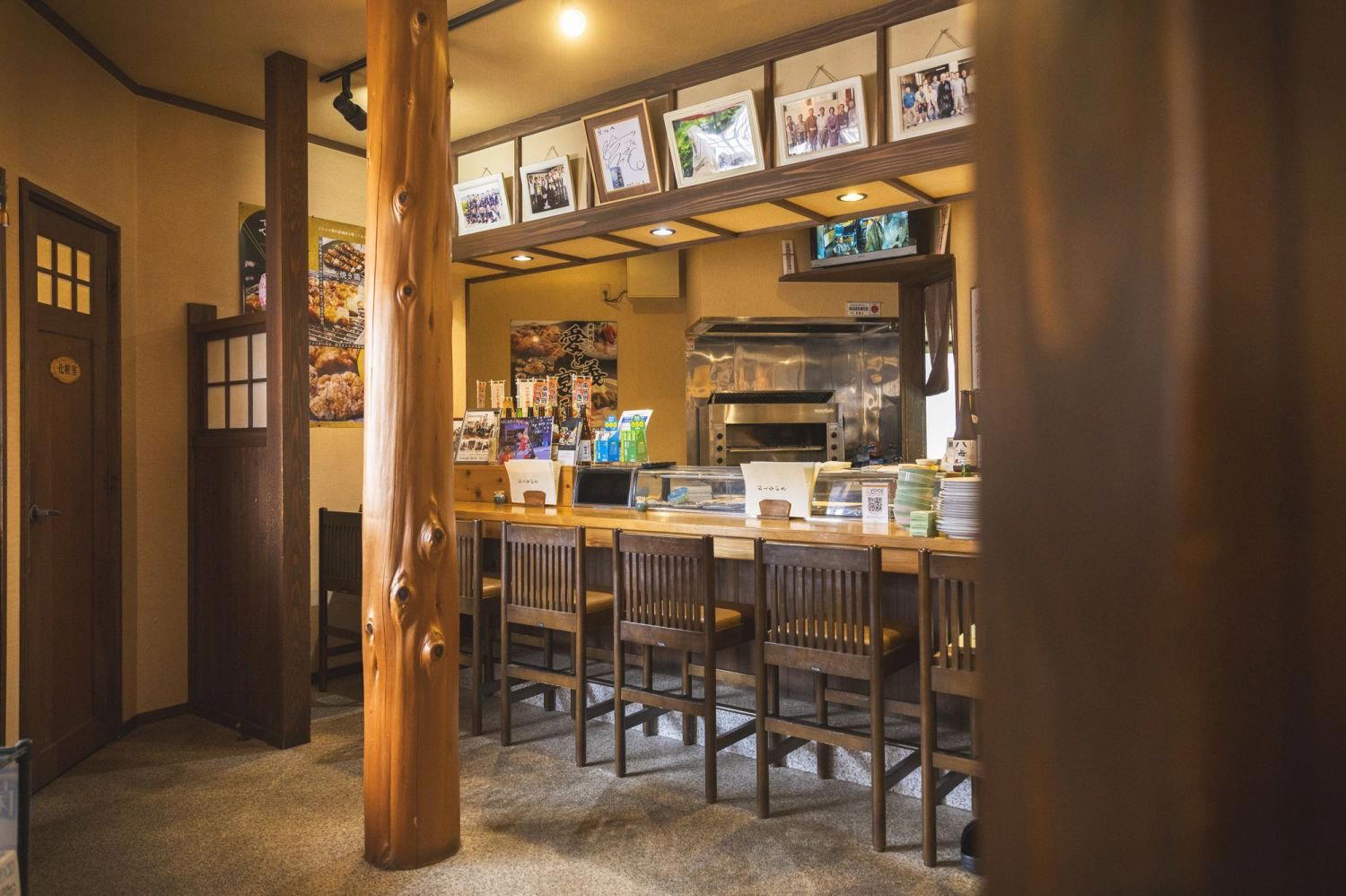
Rice Country, Serious Table
Niigata Prefecture has a claim on Japanese culinary geography that goes beyond reputation. The Uonuma basin, fed by snowmelt from the Echigo mountain range and shaped by a clay-heavy soil composition, produces Koshihikari rice that has held premium status in Japan for decades. Minamiuonuma sits at the heart of that production zone, and any restaurant operating here is either drawing on that provenance or ignoring a significant advantage. 里山十帖 -早苗饗- does not ignore it. The address at 1209-6 Osawa places it in the agricultural corridor where the raw material quality that defines Uonuma dining is a geographical fact.
For context, sourcing geography has reshaped Japan's restaurant hierarchy over the past fifteen years. Restaurants such as Gion Sasaki in Kyoto and Harutaka in Tokyo built reputations on the back of supplier relationships and ingredient specificity, not just technique. The logic at work in Minamiuonuma is parallel: proximity to source material is not incidental. It is the editorial premise of the meal.
The Ingredient Case for Uonuma
Japan's premium rice narrative is well documented, but the full agricultural picture of Minamiuonuma is broader. The Echigo region's cold winters and temperature differentials produce mountain vegetables, mushrooms, and river fish that appear in local cooking with a regularity that reflects genuine seasonal constraint rather than menu theatrics. Snow country cuisine, known in Japanese culinary tradition as yukiguni ryori, has its own logic: preservation techniques, root vegetables, fermented ingredients, and a reliance on what the land gives through long winters. A restaurant grounded in this tradition is working within parameters that urban kaiseki establishments can reference but cannot replicate with the same material honesty.
This places 里山十帖 -早苗饗- within a small category of Japanese dining destinations where the journey is part of the context. Like Ajidocoro in Yubari District or affetto akita in Akita, the restaurant's location is not peripheral to its identity. It is the argument. Reaching Minamiuonuma requires intent, the area sits roughly two hours from Tokyo by Shinkansen to Urasa or Muikamachi stations, which filters the audience toward those who have made a deliberate decision to eat here rather than those who wandered in.
Regional Dining in a National Frame
Japan's fine dining tier has increasingly split between the metropolitan concentration of Michelin-recognised counters and a smaller, less-mapped category of regional specialists that draw on local agricultural systems in ways that city restaurants structurally cannot. HAJIME in Osaka and Goh in Fukuoka represent the urban end of that spectrum, where technique and pedigree carry greater weight. The Minamiuonuma position is different: the competitive logic here is not about accumulating critical credentials in a dense dining market. It is about serving a specific terroir with sufficient discipline that the place itself becomes the credential.
That does not mean the cooking is provincial in the diminishing sense. Niigata's culinary culture has depth: sake brewing, preserved fish, soy production, and rice-centred cooking traditions that run parallel to but distinct from Kyoto's kaiseki lineage. A restaurant working seriously within that tradition is not operating at the margins of Japanese gastronomy. It is drawing on a regional food culture with its own rigour. For comparison, akordu in Nara demonstrates how a non-metropolitan address can anchor serious dining to a specific regional identity without conceding critical standing.
What the Sourcing Frame Implies for the Diner
When a restaurant's location is this specific, the seasonal question matters more than at a city address. Minamiuonuma's agricultural year is shaped by heavy snowfall, some of the highest in Japan's populated areas, which compresses the growing season and concentrates the production of mountain vegetables, wild plants, and river ingredients into a narrower window. Late spring through early autumn represents the period of maximum ingredient variety. Winter dining here operates under different conditions: preserved, fermented, and root-based ingredients come forward, and the kitchen works with what the land holds through cold months rather than what can be sourced from distant suppliers.
That seasonal logic is a meaningful data point for planning. Travelers weighing a Minamiuonuma visit from a culinary perspective should factor in which part of the agricultural calendar aligns with their itinerary. The same reasoning applies to regional specialists elsewhere in Japan's snow country: aki nagao in Sapporo and Akakichi in Imabari each operate within seasonal frameworks where timing changes the proposition materially.
Planning a Visit
Minamiuonuma is accessible via the Joetsu Shinkansen line from Tokyo, with Urasa and Muikamachi stations serving the wider area. The address at 1209-6 Osawa, Minamiuonuma, Niigata 949-6361 is in the Osawa district, which sits outside the main town centres and is best reached by car or taxi from the station. Given the rural setting, confirming reservations and arrival logistics in advance is more than routine courtesy, it is logistically necessary. Reaching the restaurant through local accommodation concierge services or regional tourism boards is one reliable approach.
Diners accustomed to the booking infrastructure of Tokyo counters such as Harutaka or the online reservation systems common at urban addresses will find that regional Japanese dining often operates on different terms. Personal introduction, hotel concierge assistance, or Japanese-language outreach tends to be the practical path at establishments of this type.
International comparisons for the sourcing-led, remote-location dining model include Lazy Bear in San Francisco, where ingredient philosophy drives the format, and Le Bernardin in New York City, which demonstrates how a single-ingredient focus, in that case seafood, can sustain a serious culinary identity at the highest level. The ambition at 里山十帖 -早苗饗- operates on a smaller scale but within the same underlying logic: the leading version of a specific ingredient, served with enough discipline that the sourcing argument is clear on the plate.
Further regional restaurant reading: Abon in Ashiya, Amaki in Aichi, Amegen in Saga, anchoa in Kanagawa, Arakawa in Hyogo, and Aji Arai in Oita.
How It Stacks Up
Comparable venues nearby, for context on price, style, and recognition.
| Venue | Cuisine | Price | Notes |
|---|---|---|---|
| 里山十帖 -早苗饗-This venue — the venue you are viewing | Minamiuonuma Specialty Cuisine | $$ | Not listed |
| 早苗饗 | Local Niigata Gastronomy Kaiseki | $$$$ | 大沢 |
| Miyano Ya | Traditional soba noodle shop | $$ | Osaki / Hakkaisan area |
| Keyaki En | Japanese Kaiseki | $$$ | Nagamori |
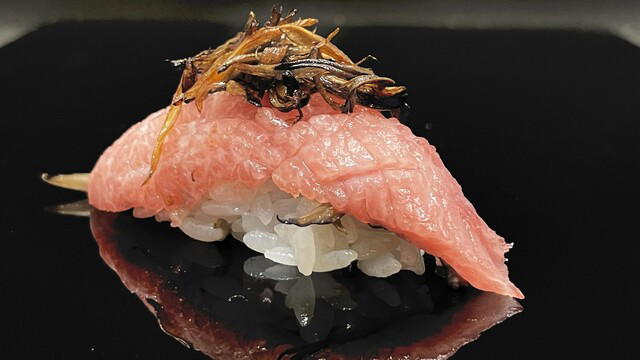
| Ryu Zushi | Niigata mountain sushi omakase | $$$$ | Hakkaisan / Ozaki area |
| RED HOUSE (レッドハウス) | Japanese Slope-Side Casual | $$ | 安比高原 |
Continue exploring
More in Minamiuonuma
Restaurants in Minamiuonuma
Browse all →
Hotels in Minamiuonuma
Browse all →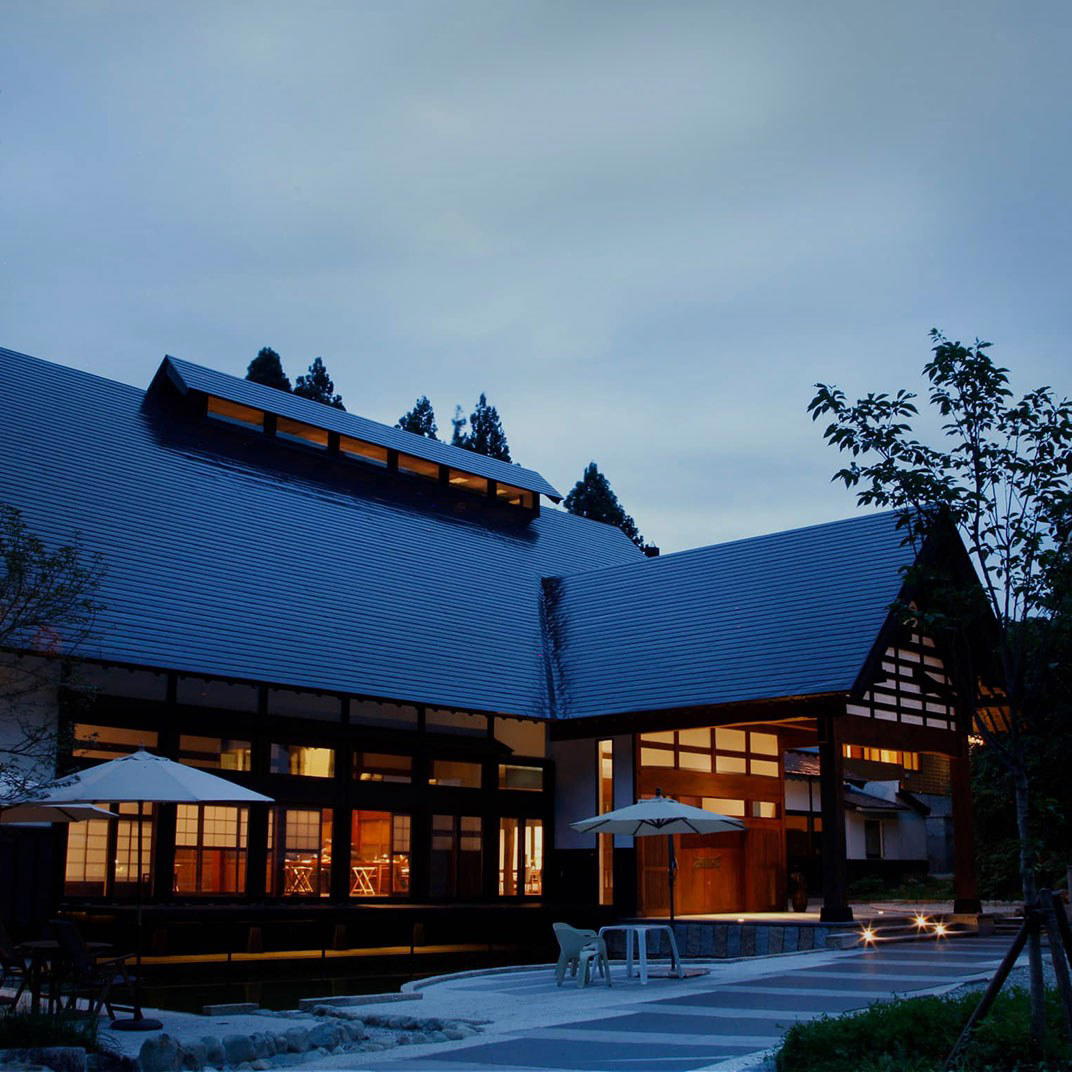
At a Glance
- Rustic
- Cozy
- Scenic
- Special Occasion
- Historic Building
- Sake Program
- Local Sourcing
- Mountain
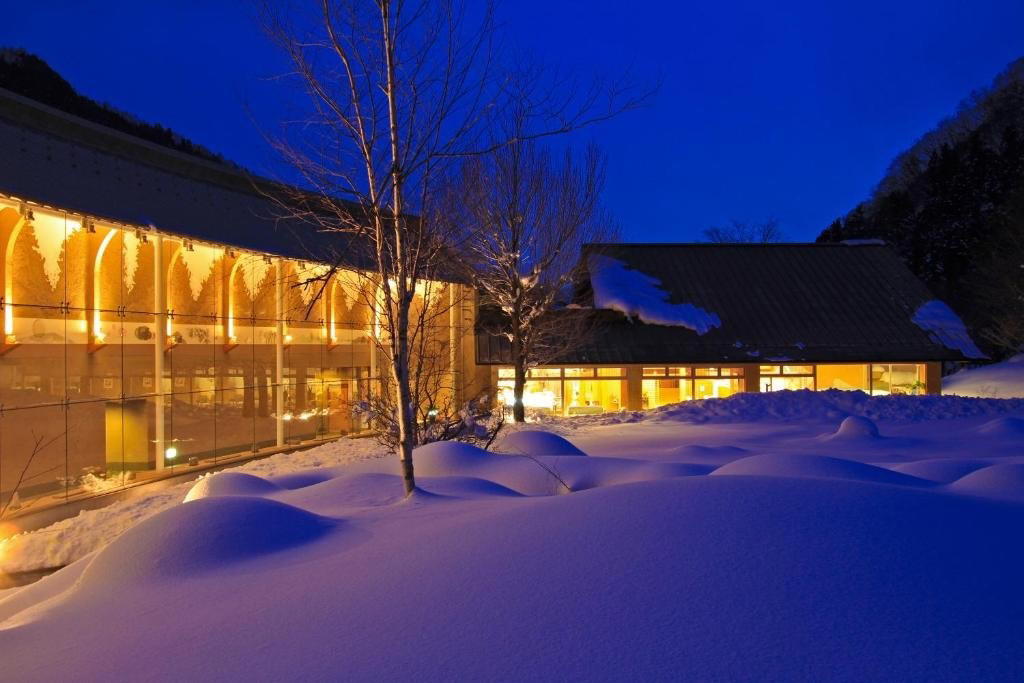
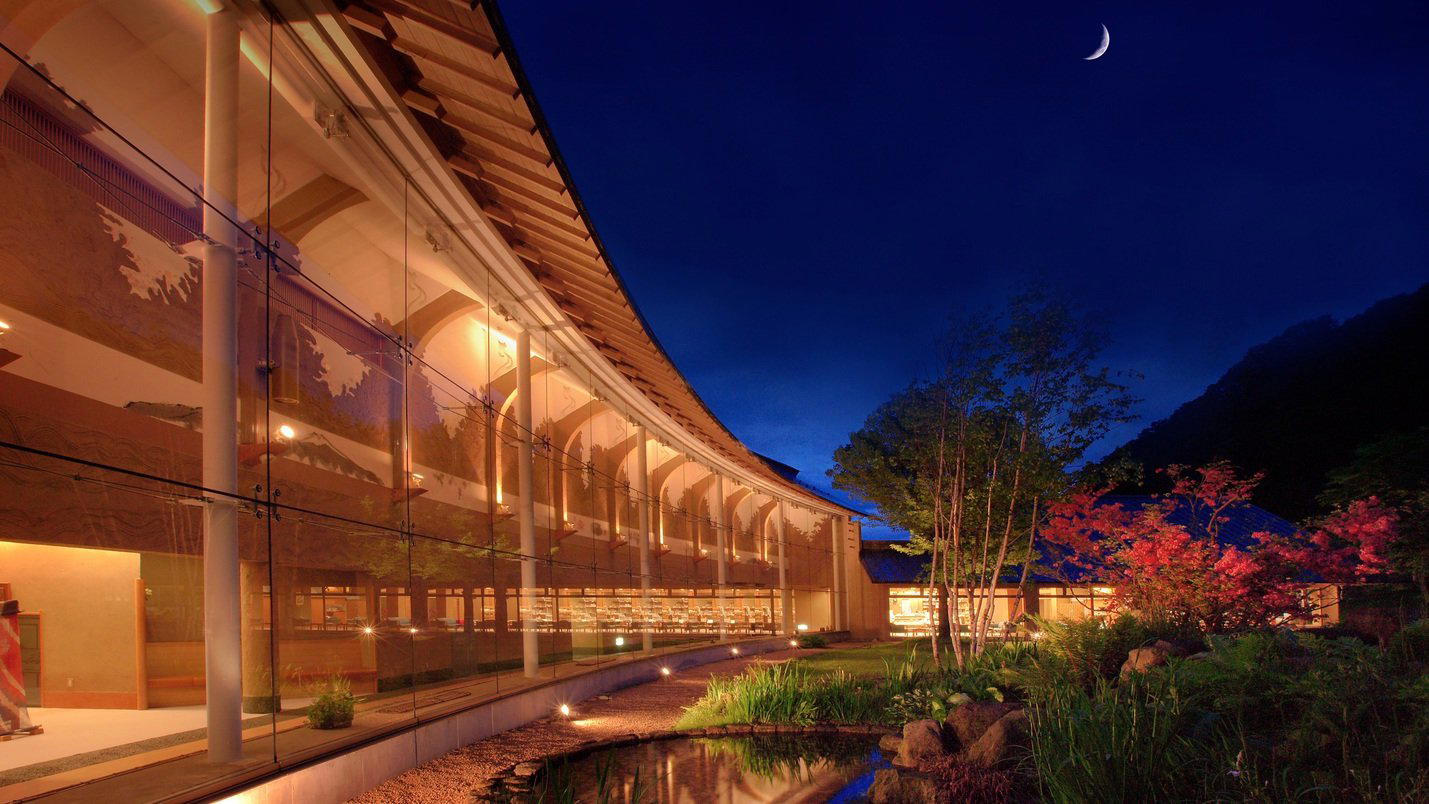
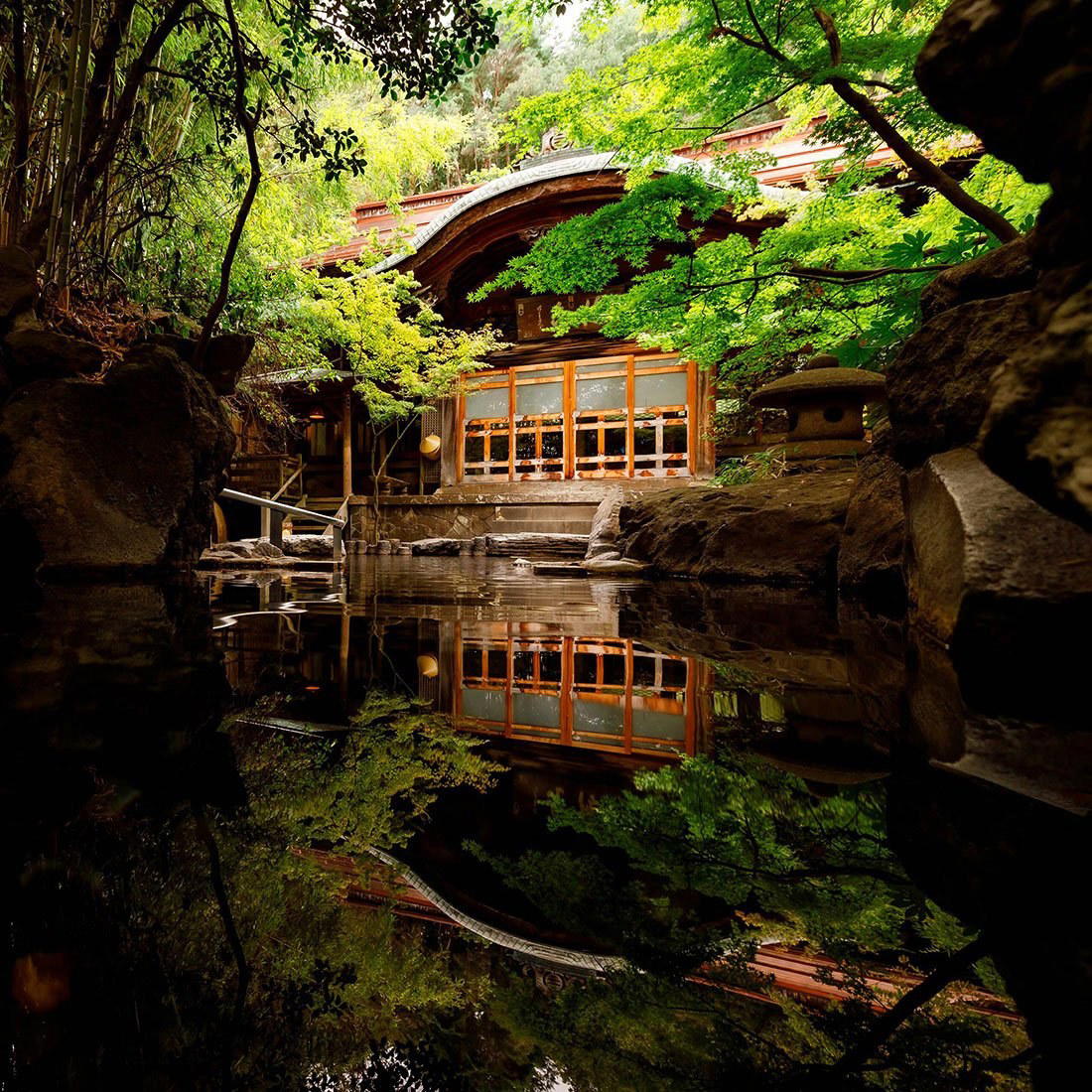
Historic rustic atmosphere in a traditional country farmhouse with scenic mountain views.