Miyano Ya

Miyano Ya gives Minamiuonuma’s soba culture a serious anchor: buckwheat noodles in a rice-country town better known to outsiders for Koshihikari, snow, and mountain inns. Its Tabelog 100 Soba EAST selections in 2024 and 2025 place it among eastern Japan’s notable soba addresses, with the appeal resting on regional ingredients, rural setting, and a format that suits both focused noodle pilgrims and relaxed local meals.
Pearl is the En Primeur Club membership app — saves, bookings, and concierge access live there. Same editors, same standards.
- Address
- 3742 Osaki, Minamiuonuma, Niigata 949-7251, Japan
- Phone
- +81 25-779-2145
- Website
- miyanoya.jp
- Directions
- Get directions
 Saves & bookings on Pearl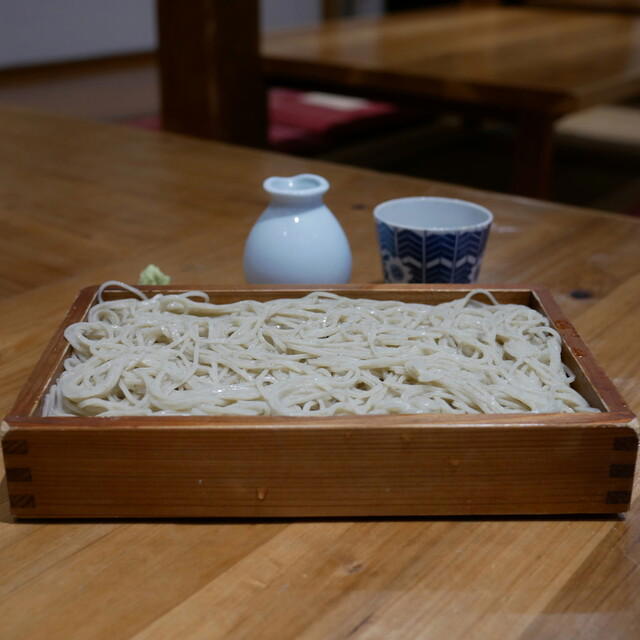
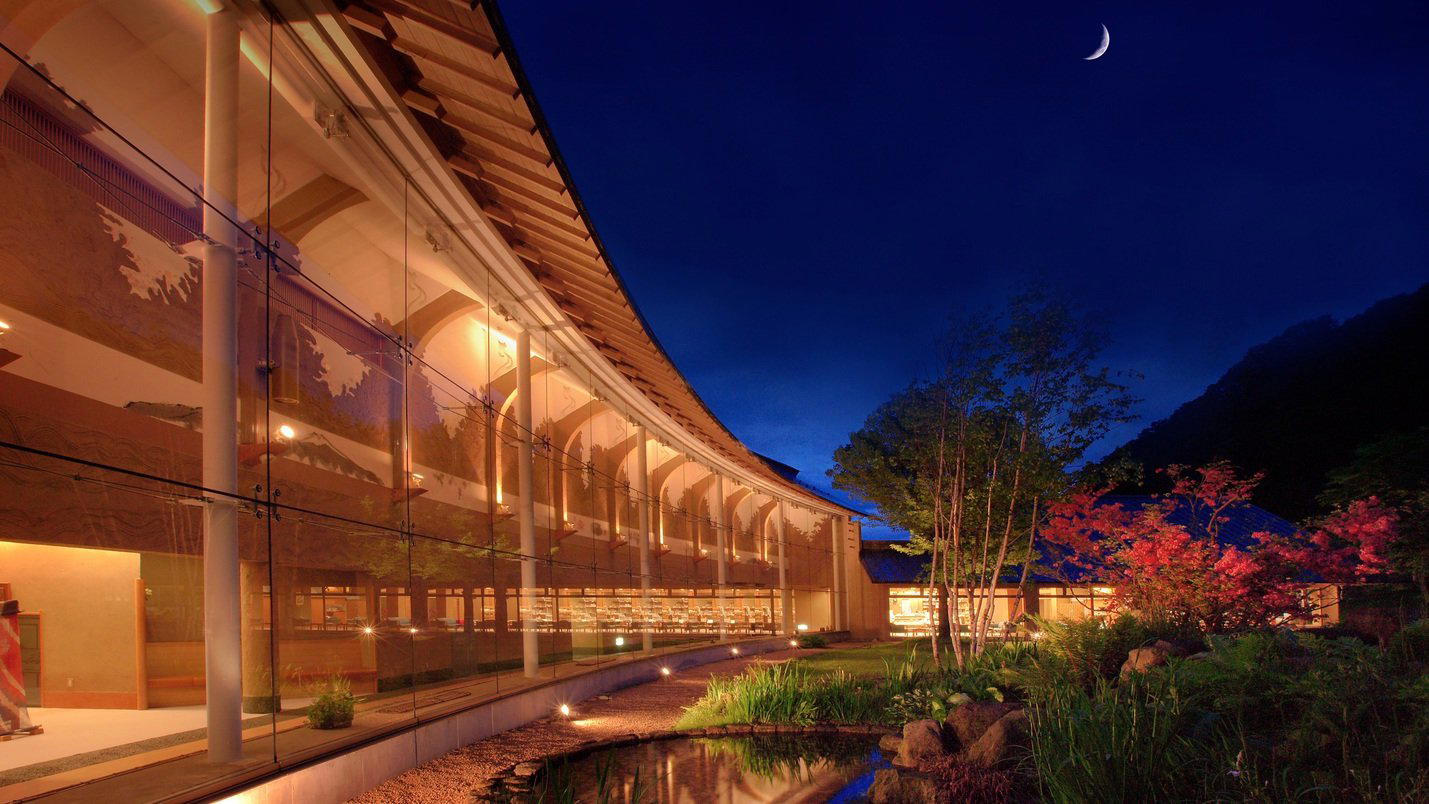
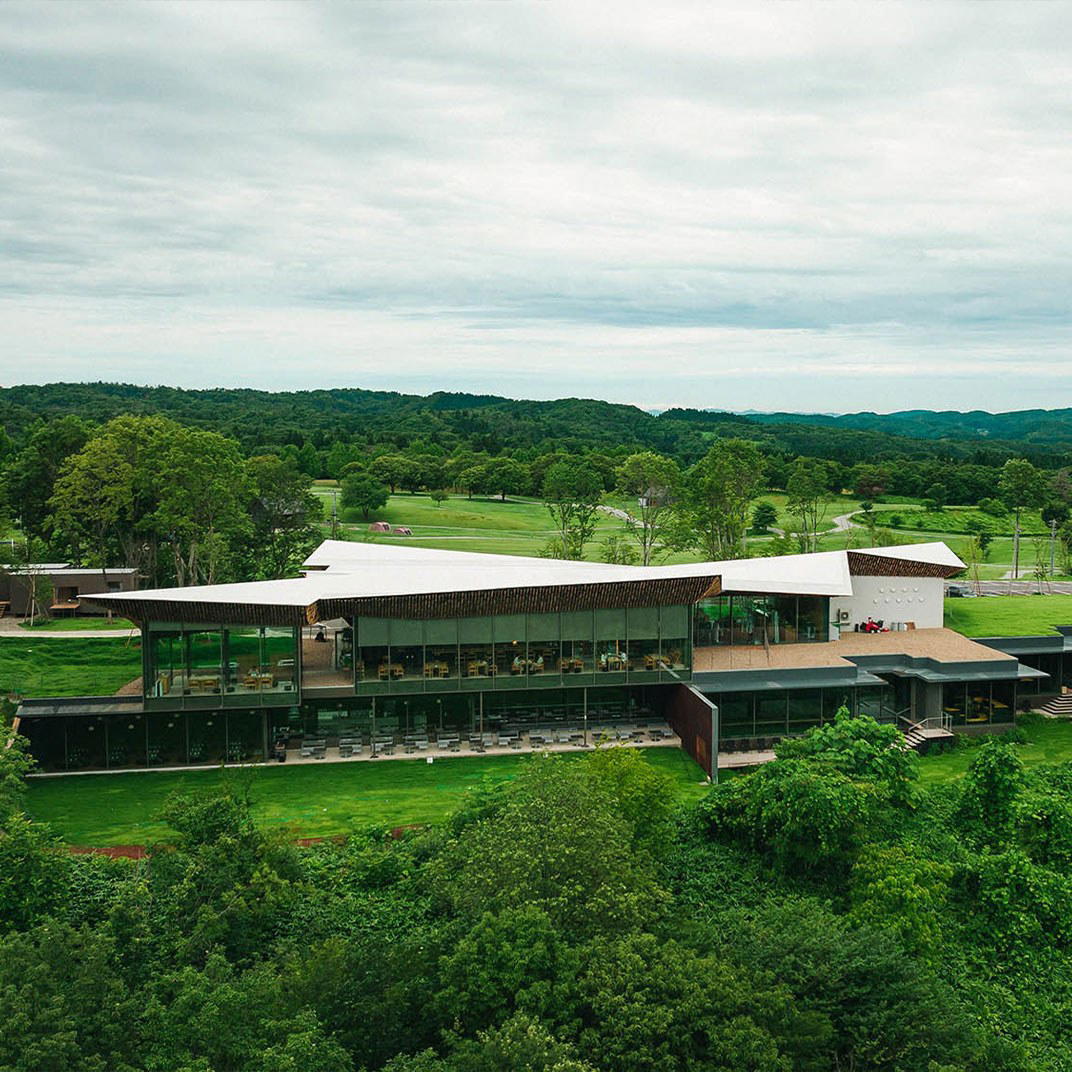
Approaching a house restaurant in Osaki, the point is not urban theatre but agricultural proximity. Minamiuonuma sits in a part of Niigata where food reputation begins with fields, water, and winter snowpack; soba belongs naturally in that conversation because buckwheat has long occupied the spaces between mountain weather, small-scale milling, and rural lunch culture. Miyano Ya fits that setting without needing the language of luxury dining: the experience is grounded in noodles, sake, and the quieter confidence of a restaurant whose appeal depends on the grain rather than the room.
That matters in a region often reduced to rice. Minamiuonuma’s Koshihikari fame can overshadow other staples, but soba offers a different reading of place: less polished, more seasonal in spirit, and closer to the everyday table. In eastern Japan, serious soba shops are judged by texture, aroma, water, and restraint. The category rewards discipline rather than embellishment, which is why a selection in Tabelog 100 Soba EAST in both 2024 and 2025 carries weight. It places Miyano Ya inside a competitive field of soba specialists rather than merely among pleasant rural restaurants.
Niigata buckwheat culture, read through the noodle bowl
The ingredient angle is the reason to pay attention here. Soba is a cuisine of margins: the flour-to-wheat ratio, the freshness of milling, the handling of water, and the timing between cutting and serving all change the result. In snow-country Niigata, that framework has extra force because water and climate are not background details. They shape rice, sake, vegetables, and noodles alike. Miyano Ya’s category is listed simply as soba, but simplicity is the category’s main test. A soba restaurant does not need an extended menu narrative when the noodle itself carries the argument.
The presence of sake on the drinks side also makes regional sense. Niigata is one of Japan’s serious sake prefectures, and soba restaurants have long been natural companions to nihonshu: the format suits measured drinking, small dishes if offered, and a meal that can be either brisk or unhurried. That pairing gives the restaurant a different rhythm from Minamiuonuma’s higher-spend dining rooms. Compared with Ryu Zushi, where the spend sits in a sushi bracket, and Keyaki En, which occupies a higher lunch and dinner tier, the restaurant reads as ingredient-focused rather than ceremony-led.
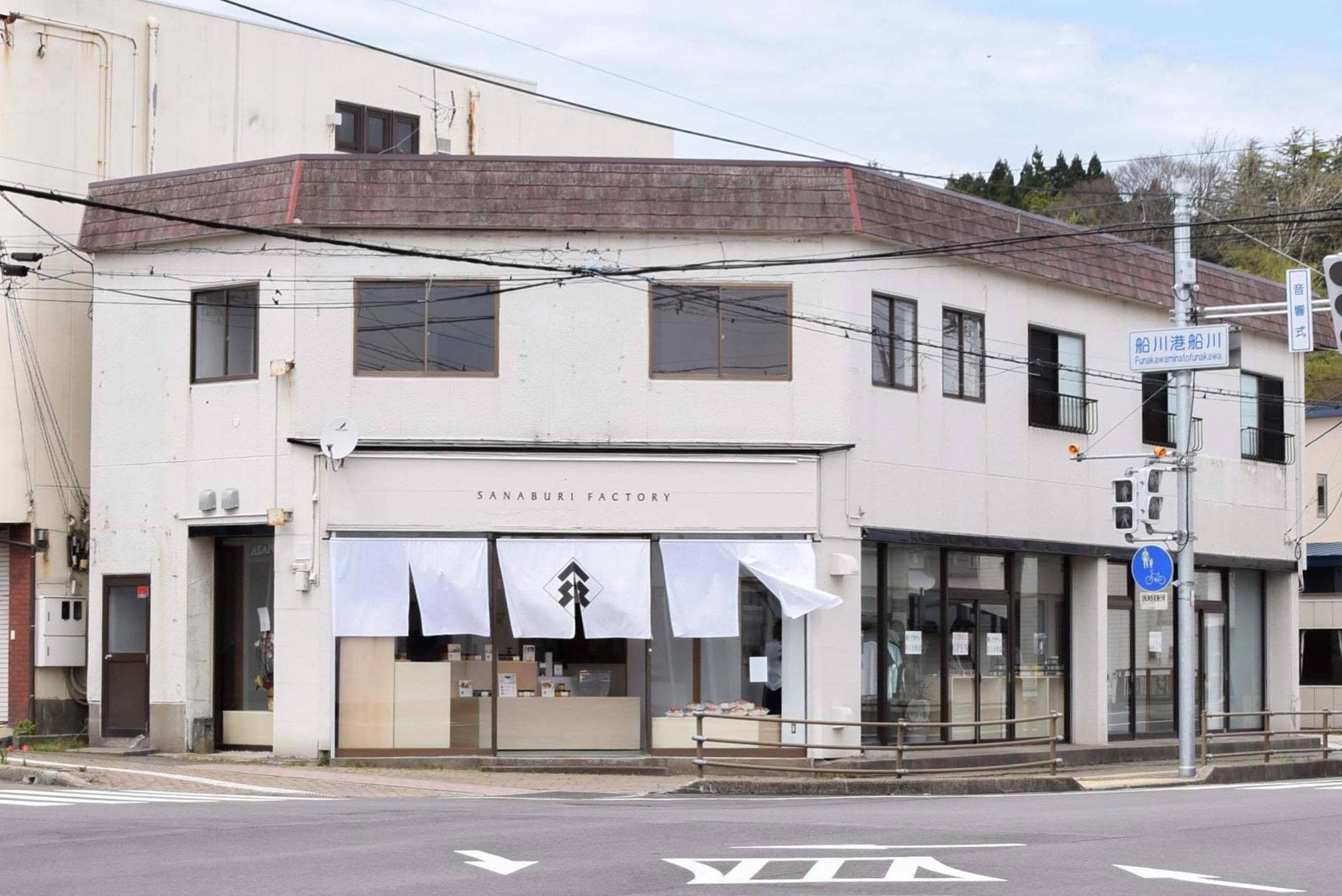
That distinction is useful for travellers building a food itinerary around the area. The region’s stronger dining addresses are not all chasing the same occasion. 里山十帖 -早苗饗- speaks to the satoyama inn-and-table tradition, while soba keeps the emphasis closer to grain, water, and local appetite. For a broader map of the city’s dining patterns, Our full Minamiuonuma restaurants guide is the useful companion, especially when balancing rural noodle houses with sushi, ryokan dining, and seasonal Japanese cooking.
A rural room with enough structure for serious eating
The house-restaurant format is part of the appeal because it lowers the volume around the meal. There are 30 seats, private rooms for small groups, non-smoking service, and parking, all of which point to a restaurant built for local repeat use as much as destination dining. Children are welcome, so the tone is not hushed-counter exclusivity. That does not make the cooking casual in ambition. In Japan, soba often operates exactly this way: a modest room can hold a demanding craft, and recognition follows precision rather than polish.
The Tabelog score of 3.80 and repeat Tabelog 100 Soba EAST selection give the clearest external signals. Tabelog’s soba lists are category-specific, which is more useful here than a broad restaurant ranking because the comparison is against noodle specialists. The restaurant’s 2025 listing in the EAST scope also places it in a wide regional field, not just within Minamiuonuma. For travellers who care about category depth, that is the relevant credential: this is a soba stop with recognition from a platform that separates the genre from general Japanese dining.
Minamiuonuma rewards planning beyond the meal. The city’s hospitality scene is tied to snow season, hot-spring stays, and countryside pacing, so a soba lunch can sit between ryokan check-in, temple visits, sake shopping, or a drive through the valley. Use Our full Minamiuonuma hotels guide for lodging context, then widen the itinerary through Our full Minamiuonuma bars guide, Our full Minamiuonuma wineries guide, and Our full Minamiuonuma experiences guide. The strongest version of a meal here is not isolated; it is part of understanding how Niigata’s rural food culture works across rice, noodles, sake, and mountain-season travel.
Where it sits in a Japan-wide noodle itinerary
For visitors moving through Japan, the restaurant belongs in the category of regional specialists rather than city dining trophies. That makes it different from a Tokyo counter meal, an Osaka café stop, or a Kyoto small-plate evening. The value is in the narrowness: soba, a rural address, and a region where ingredient identity has real consequence. Travellers comparing formats can place it alongside broader Japan stops such as -Grilled beef Sukiyaki- KAMAKURA TANUKIAN 鎌倉 たぬき庵 in Kamakura. 鮪と炭火焼き うお炭 秋葉原店 in Tokyo.cafe in Osaka.know in Kumamoto, (Shoku) Vietnam in Kawasaki, [Curry Senmon Ten] Maruyama Kyoju. in Sapporo, [ki:] in Kyoto, and #肉といえば松田 奈良本店 in Kashihara. Those names underline how varied Japanese dining becomes when meals are chosen by craft and setting rather than by city prestige alone.
There is also a useful overseas comparison for readers coming from North America. Japanese food abroad often foregrounds sake bars, onigiri shops, ramen counters, and sushi rooms, each translating one part of the culture into a city format. Jōdo Saké Bar in Los Angeles and Onigiri Time in Pasadena sit in that diaspora conversation. A Minamiuonuma soba meal works differently: it asks the traveller to read the ingredient in its native rural context, where the surrounding fields and water systems are not decorative background but part of the reason the bowl makes sense.
Comparison Snapshot
Comparable venues by cuisine and price in the same metro.
| Venue | Cuisine | Price | Notes |
|---|---|---|---|
| Miyano Ya | Traditional soba noodle shop | $$ | Osaki / Hakkaisan area |
| Keyaki En | Japanese Kaiseki | $$$ | Nagamori |
| 里山十帖 -早苗饗- | Minamiuonuma Specialty Cuisine | $$ | Nagamori |
| Ryu Zushi | Niigata mountain sushi omakase | $$$$ | Hakkaisan / Ozaki area |
| 早苗饗 | Local Niigata Gastronomy Kaiseki | $$$$ | 大沢 |
| Boteyan (ぼてやん多奈加) | Square Okonomiyaki Specialist | $$ | Toyama Station area |
Recognition history
Dated appearances from independent guides and award organizations, with the underlying list record or original source where available.
Tabelog 100 #63 · No. 63
Tabelog · Tabelog 100 - Soba - EAST - 2025
Continue exploring
More in Minamiuonuma
Restaurants in Minamiuonuma
Browse all →
At a Glance
- Rustic
- Classic
- Scenic
- Cozy
- Solo
- Family
- Casual Hangout
- Group Dining
- Historic Building
- Standalone
- Panoramic View
- Sake Program
- Local Sourcing
- Mountain
Current opening hours
- Monday
- 11 AM–3 PM
- Tuesday
- 11 AM–3 PM
- Wednesday
- 11 AM–3 PM
- Thursday
- Closed
- Friday
- 11 AM–3 PM
- Saturday
- 11 AM–3 PM
- Sunday
- 11 AM–3 PM
Hours can change for holidays and private events. Last verified .
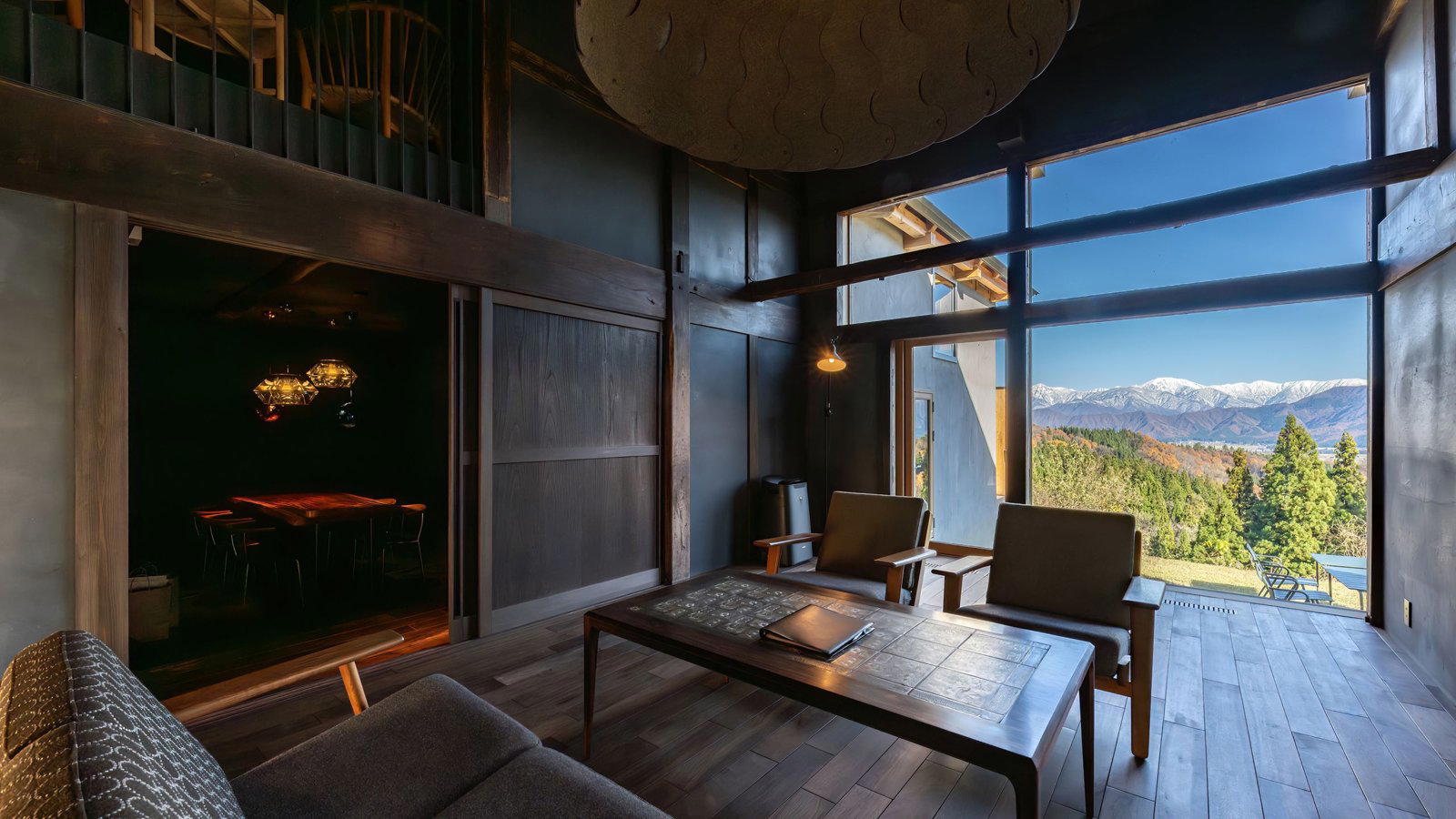
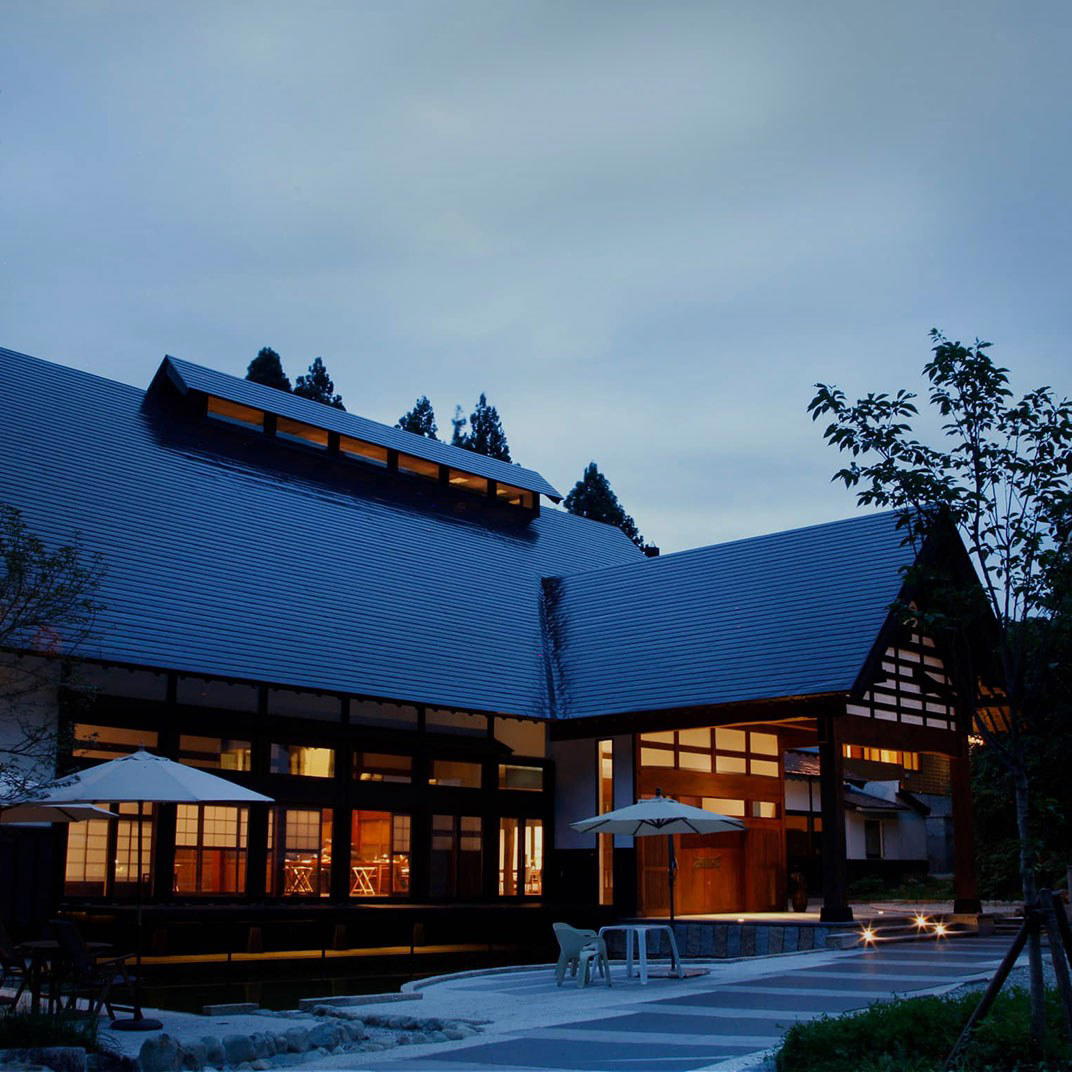
A quiet, country-style house restaurant with a warm, rustic interior that reflects its long history as a mountain gateway eatery near Hakkaisan Shrine; the atmosphere is simple, traditional, and serene, focused on soba, water, and the local landscape.