
We're Smart World 5 Radishes
Our verdict
Set in the mountains of Minami-uonuma in Niigata Prefecture, Sanaburi is a vegetable-forward dining destination recognised as We're Smart's Discovery of the Year for Japan in 2022. The kitchen, led by Yutaka Kitazaki and Keiko Kuwakino, centres its menus on organic mountain vegetables, wild foraged plants, and traditional preservation techniques. Guests requiring vegan, vegetarian, or macrobiotic menus must book at least five days in advance.

Pearl is the En Primeur Club membership app — saves, bookings, and concierge access live there. Same editors, same standards.
- Address
- 1209-6 Ōsawa, Minami-uonuma-shi, 949-6361 Niigata, Japan
- Phone
- +81257836777
- Website
- en.satoyama-jujo.com
- Directions
- Get directions
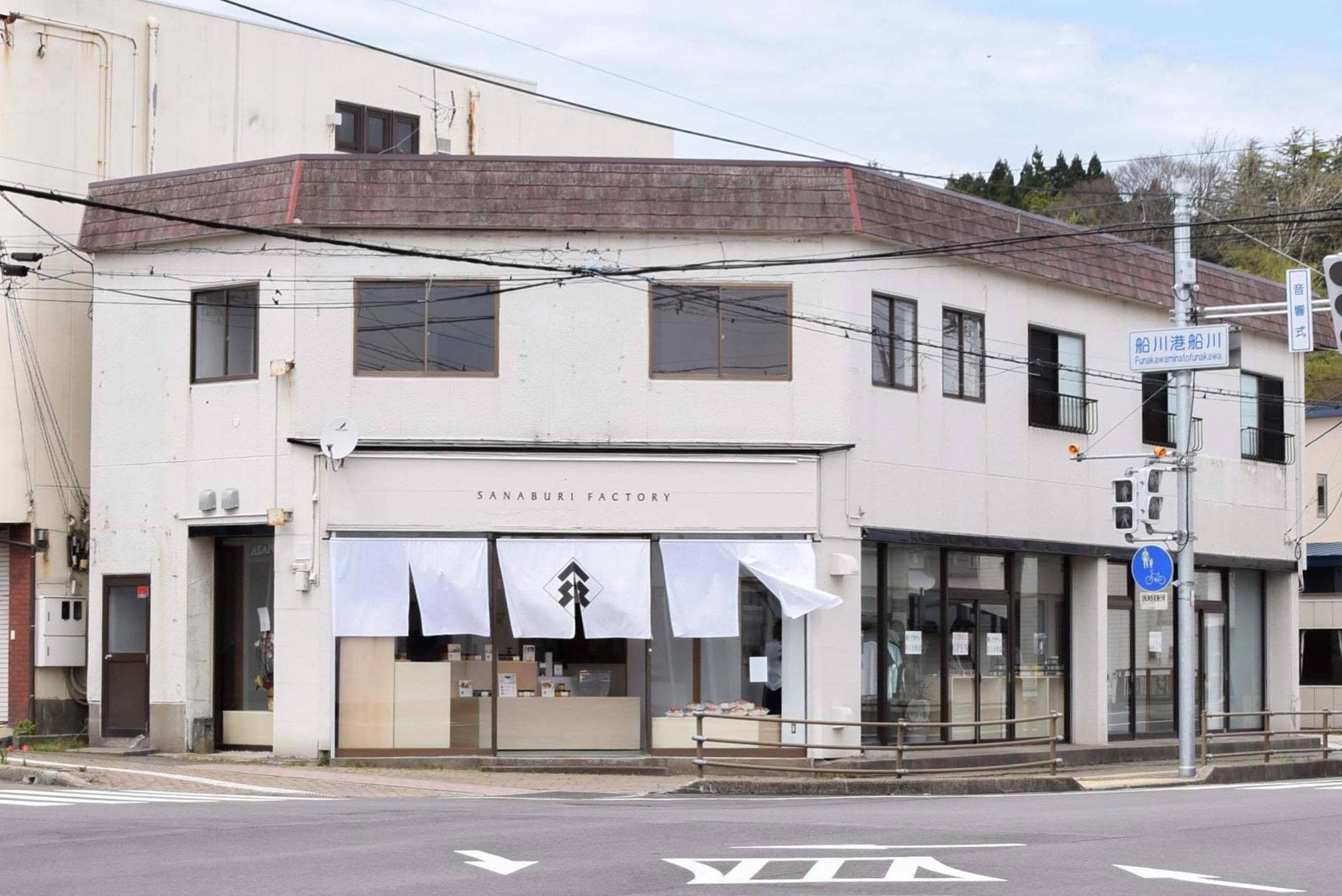
The menu
What to order
- Sansai nabe hotpot
- Wild mountain vegetable course
- Koshihikari rice
- Pickled sansai
- Fugu shirako with nanohana
Mountain Cooking as Cultural Practice: Sanaburi in Minami-uonuma
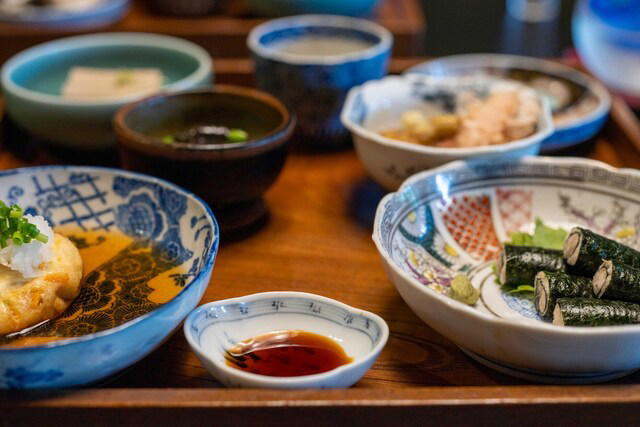
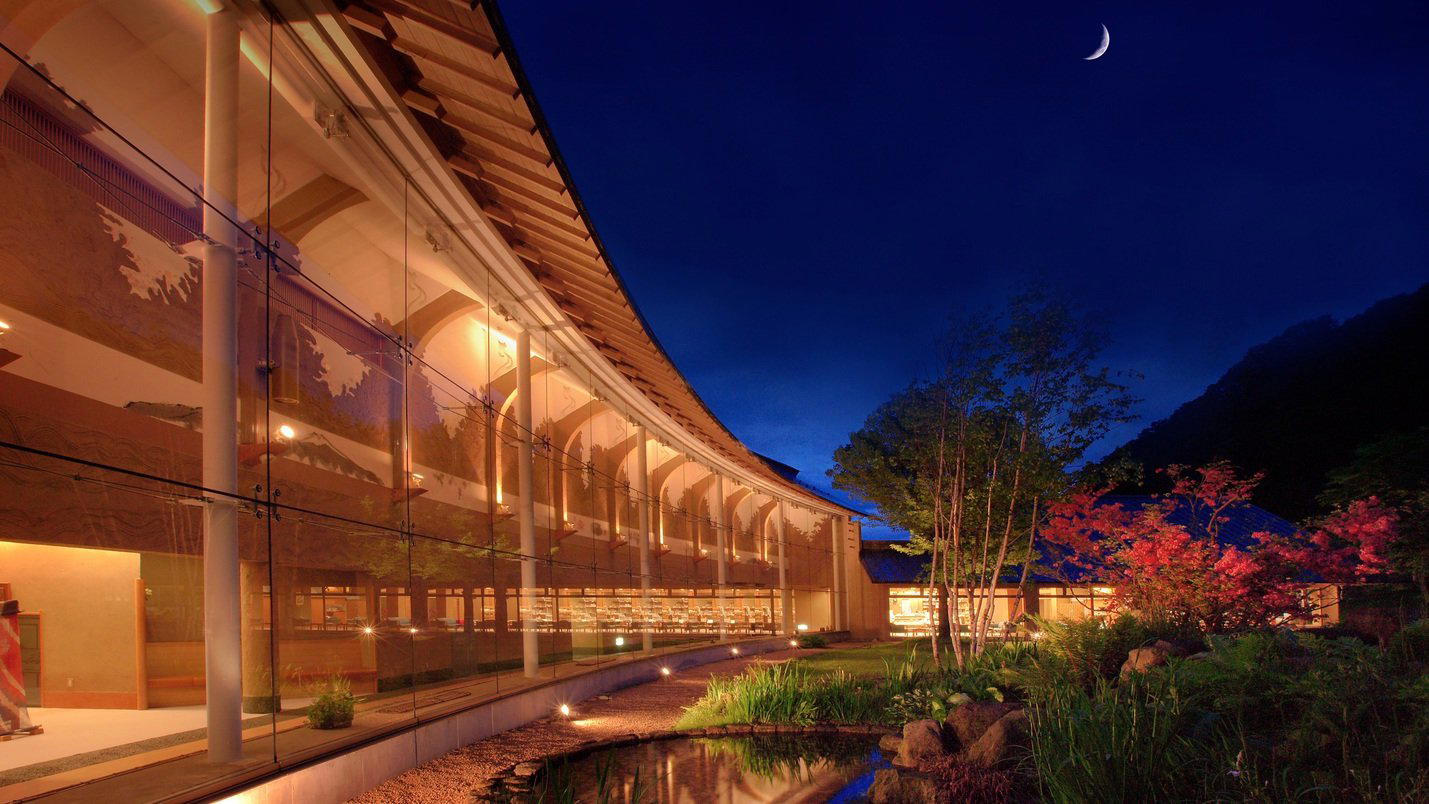
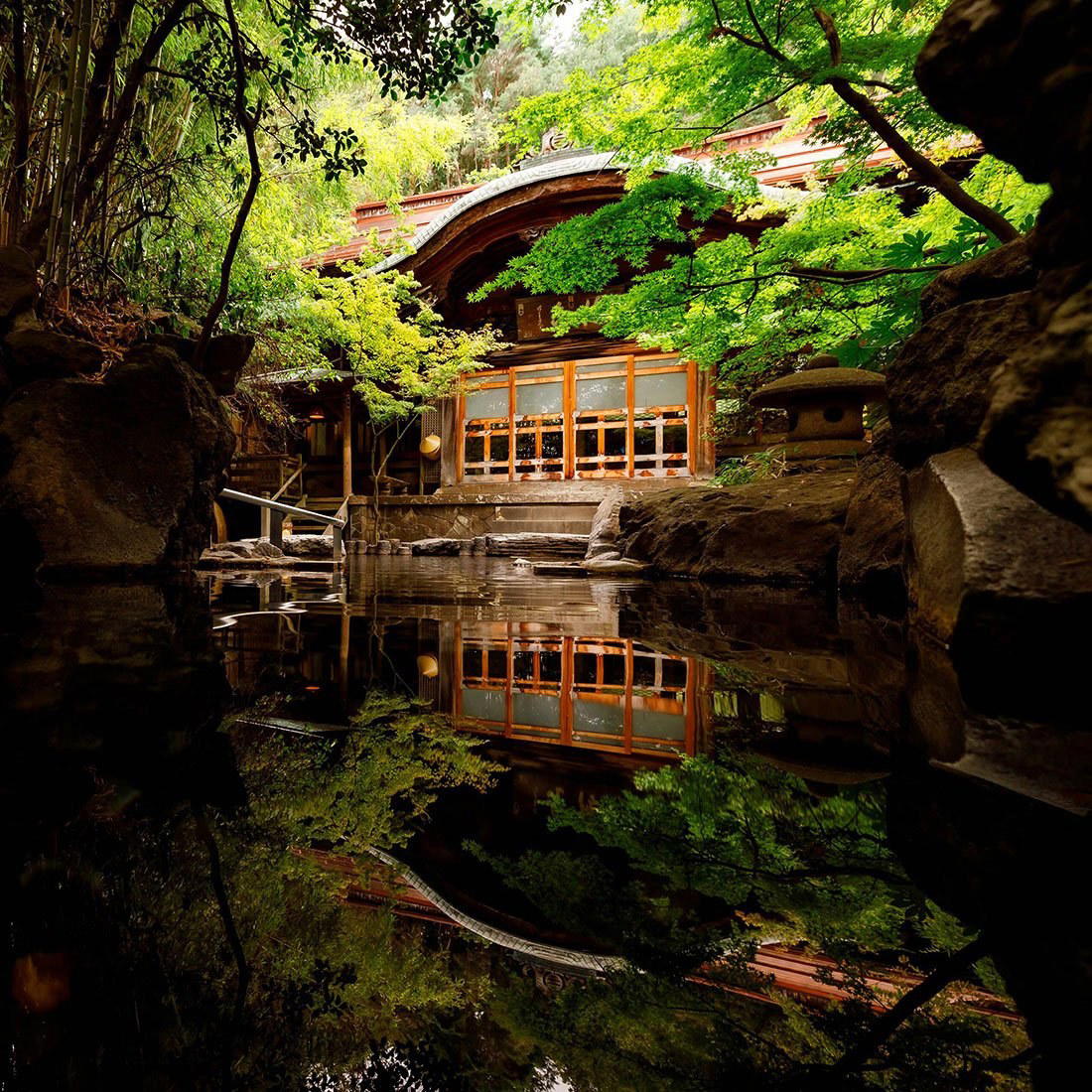
The drive into Minami-uonuma from Niigata city takes you through rice-paddy flatlands before the terrain rises sharply into the Echigo mountain range. By the time you reach Ōsawa, the altitude and tree cover have changed the quality of the air and, by extension, the logic of what grows here. This is the landscape Sanaburi cooks from, not as a concept but as a practical commitment to what the surrounding forests and mountain fields actually produce across the seasons. In a country where kaiseki has long refined the local and the seasonal into formal ritual, Sanaburi occupies a position slightly apart from that tradition, drawing instead on the older, less codified repertoire of mountain village cooking, fermentation, and wild-plant knowledge.
That distinction matters. Urban Japan has produced a wave of high-end vegetable-driven restaurants in the past decade, many of them importing local-forager aesthetics without direct connection to specific terrain. Sanaburi's setting in Niigata Prefecture, one of the country's historically significant food regions because of its rice culture and preserved-food traditions, gives its kitchen access to ingredients with genuine provenance. The mountain vegetables and wild plants that appear on the menu are not sourced through specialist distributors in Tokyo; they come from the surrounding forests and organic producers in this specific valley.
The Kitchen and Its Philosophy
The culinary team at Sanaburi is led by Yutaka Kitazaki and Keiko Kuwakino, with Toru Iwasa serving as CEO and creative director responsible for the visual language of the dishes. Kuwakino's particular expertise lies in wild plants from the forests surrounding the restaurant, a body of knowledge that covers identification, seasonality, edibility, and preservation. That kind of deep, place-specific botanical literacy is rare in professional kitchens, and it shifts the menu's relationship to foraging from aesthetic flourish to genuine structural ingredient sourcing.
The kitchen incorporates traditional preservation methods alongside fresh seasonal produce, a combination that reflects how mountain communities in this part of Japan have historically managed ingredients across the winter months. Fermentation, pickling, and drying are not decorative techniques here; they represent a way of extending the productive season and building flavour depth that no amount of fresh sourcing can replicate. Across Japan's premium restaurant scene, from Gion Sasaki in Kyoto to HAJIME in Osaka, preservation and fermentation have become markers of serious kitchens, but few can anchor those techniques to a specific mountain territory the way Sanaburi does.
Recognition and Peer Context
In 2022, We're Smart, the Belgian research organisation that tracks vegetable-driven restaurants globally, named Sanaburi its Discovery of the Year for Japan. This is a different competitive frame from Michelin, which rewards technical precision and service formality; We're Smart recognition signals depth of vegetable knowledge and sourcing commitment.
Within Niigata's dining scene, Sanaburi sits in a distinct tier from the city's more classical Japanese and French restaurants. Niigata's food reputation has historically centred on its Koshihikari rice, fresh-water fish, and Sea of Japan seafood, which venues like Kyodaizushi and Shintaku engage with directly. Sanaburi works from a different part of the prefecture's identity: the mountains rather than the coast, wild plants rather than fish, preservation rather than freshness as the primary culinary value. Mûrir and Restaurant UOZEN represent Niigata's French-influenced fine dining strand; Sanaburi has no obvious local counterpart, which is part of what the We're Smart designation was acknowledging.
For comparison outside the prefecture, Japan's vegetable-forward fine dining conversation includes akordu in Nara and, at the more French-inflected end, Bleston Court Yukawatan in Nagano, which similarly draws on alpine regional ingredients. Internationally, the shift toward vegetable-centred tasting menus at serious restaurants, from Le Bernardin in New York City to Emeril's in New Orleans, reflects a broader movement that Sanaburi predates in its own regional way. Goh in Fukuoka and Harutaka in Tokyo represent the depth of Japan's premium dining culture more broadly, but neither operates in the specific mountain-foraging territory that defines Sanaburi's position.
The Satoyama Connection
The concept of satoyama, the transitional zone between mountain forest and cultivated village land, is central to how much of rural Japan has historically managed its food supply. This zone produces the wild vegetables, mushrooms, and herbs that appear in traditional mountain cooking across Niigata, Nagano, and Yamagata prefectures. Sanaburi operates directly within this tradition, which connects it to a broader cultural practice that predates modern gastronomy by centuries. Nearby, Satoyama Jujo engages with similar regional food values from a different format, illustrating that the Minami-uonuma area supports a cluster of serious food destinations organised around place-specific ingredients.
The satoyama framework also explains why the restaurant's approach to vegan, vegetarian, and macrobiotic dining is coherent rather than accommodating. Mountain cooking in this region has always been largely plant-based by practical necessity, and the kitchen's depth in wild plants and preserved vegetables means those menus draw from the same core repertoire rather than a separate, substitution-driven menu. Guests requiring one of those formats should note that a minimum five-day advance request is required.
Planning Your Visit
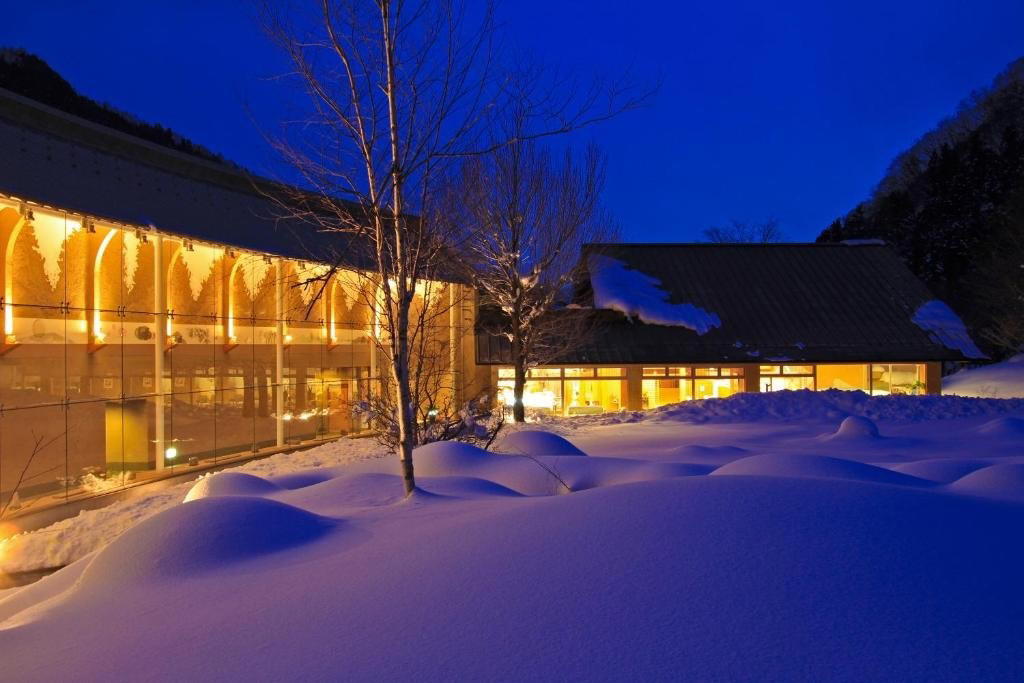
Sanaburi is located at 1209-6 Ōsawa, Minami-uonuma-shi, in Niigata Prefecture, approximately an hour and a half from Niigata city by road. Minami-uonuma is accessible by Shinkansen from Tokyo via Echigo-Yuzawa station, making the restaurant reachable as part of a broader Niigata itinerary. The mountain setting means seasonal access and conditions vary significantly; winter in this part of Niigata brings heavy snowfall, which affects both the drive and the menu's ingredient range. Given the restaurant's recognition and the specificity of its advance-order requirement for dietary formats, contacting the venue well ahead of any intended visit is essential. For a broader view of what the region offers, see our full Niigata restaurants guide, our full Niigata hotels guide, our full Niigata bars guide, our full Niigata wineries guide, and our full Niigata experiences guide.
Frequently asked questions
Is Sanaburi okay with children?
Nothing in the available record bars children, but the format tilts toward deliberate, course-based dining centered on seasonal mountain vegetables and traditional preservation methods. Families planning to visit should check the venue's official channels, particularly given the five-day advance notice required for vegan, vegetarian, or macrobiotic menu arrangements.
What kind of setting is Sanaburi?
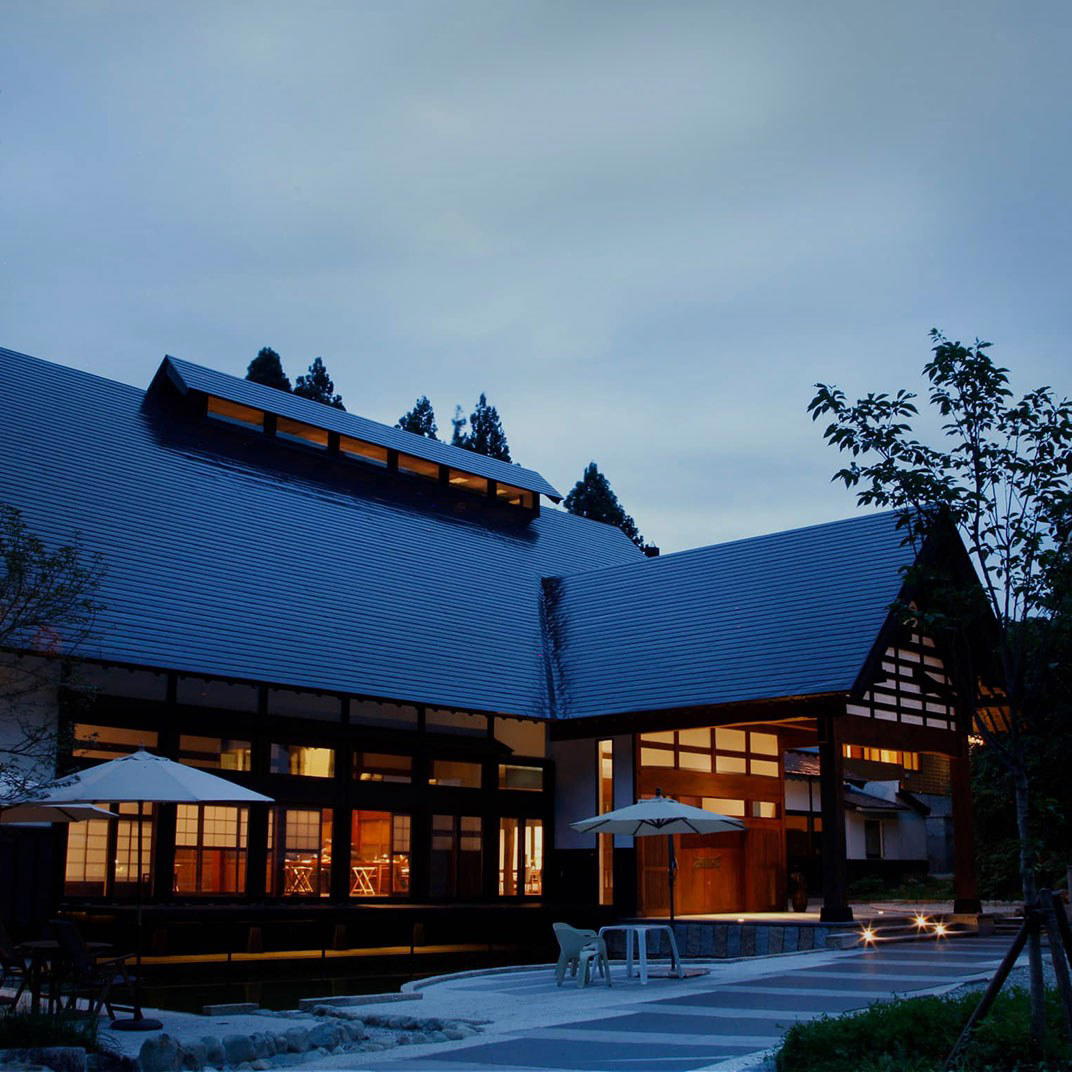
Sanaburi sits at 1209-6 Ōsawa in Minami-uonuma-shi, deep in the Echigo mountain range of Niigata Prefecture, roughly an hour and a half from Niigata city. The setting is rural and intentional: the location shapes the menu, with surrounding forests supplying the wild plants that chef Keiko Kuwakino has built her cooking around. Creative director Toru Iwasa oversees dish design, which gives the experience a considered visual dimension alongside its foraging-led philosophy.
Is Sanaburi award-winning?
Sanaburi has received recognition including: This is more than a restaurant. You come here to enjoy a total experience. The culinary team led by Yutaka Kitazaki and Keiko Kuwakino bring together the best organic products, including seasonal mountain vegetables and traditional preserva….
What's the best thing to order at Sanaburi?
The kitchen's identity rests on seasonal mountain vegetables, wild foraged plants, and traditional preservation techniques assembled by chefs Yutaka Kitazaki and Keiko Kuwakino. We're Smart, the Belgian organisation tracking vegetable-driven restaurants globally, named Sanaburi its Discovery of the Year for Japan in 2022, specifically recognising Kuwakino's command of wild forest plants. If dietary preferences lean vegan, vegetarian, or macrobiotic, those menus require five days' advance notice.
Where is Sanaburi in Niigata?
Sanaburi is located at 1209-6 Ōsawa, Minami-uonuma-shi, 949-6361 Niigata, Japan, Niigata.
Can I walk in to Sanaburi?
Walk-ins are unlikely to be practical here. Sanaburi is located in a rural mountain address in Minami-uonuma, and the kitchen's use of seasonal, foraged, and organic produce implies a structured menu that requires preparation time. The five-day advance requirement for vegan, vegetarian, and macrobiotic menus signals that reservations are central to how the restaurant operates.
Budget Reality Check
| Venue | Cuisine | Price | Awards | Notes |
|---|---|---|---|---|
| SanaburiThis venue — the venue you are viewing | Seasonal Mountain Vegetable Kaiseki | $300–500 | We're Smart World 5 Radishes | Not listed |
| Kyodaizushi | Niigata-style Omakase Sushi | Not listed | Tabelog Silver #66 | Sushi |
| Shintaku | Japanese Cuisine | Not listed | Not listed | Not listed |
| Restaurant UOZEN | Innovative Local French | $150–200 | Tabelog Silver #110 · We're Smart World 1 Radish | French |
| Tokiwa Sushi Nigata Ten | Niigata Local Omakase Sushi | $200–300 | Tabelog Bronze #460 | Sushi, JPY 30,000 - JPY 39,999 JPY 15,000 - JPY 19,999 |
Recognition history
Dated appearances from independent guides and award organizations, with the underlying list record or original source where available.
We're Smart World 5 Radishes
We're Smart World
Full recognition history (2 entries)
We're Smart World Top 100 #13
We're Smart World
Continue exploring
More in Niigata
Restaurants in Niigata
Browse all →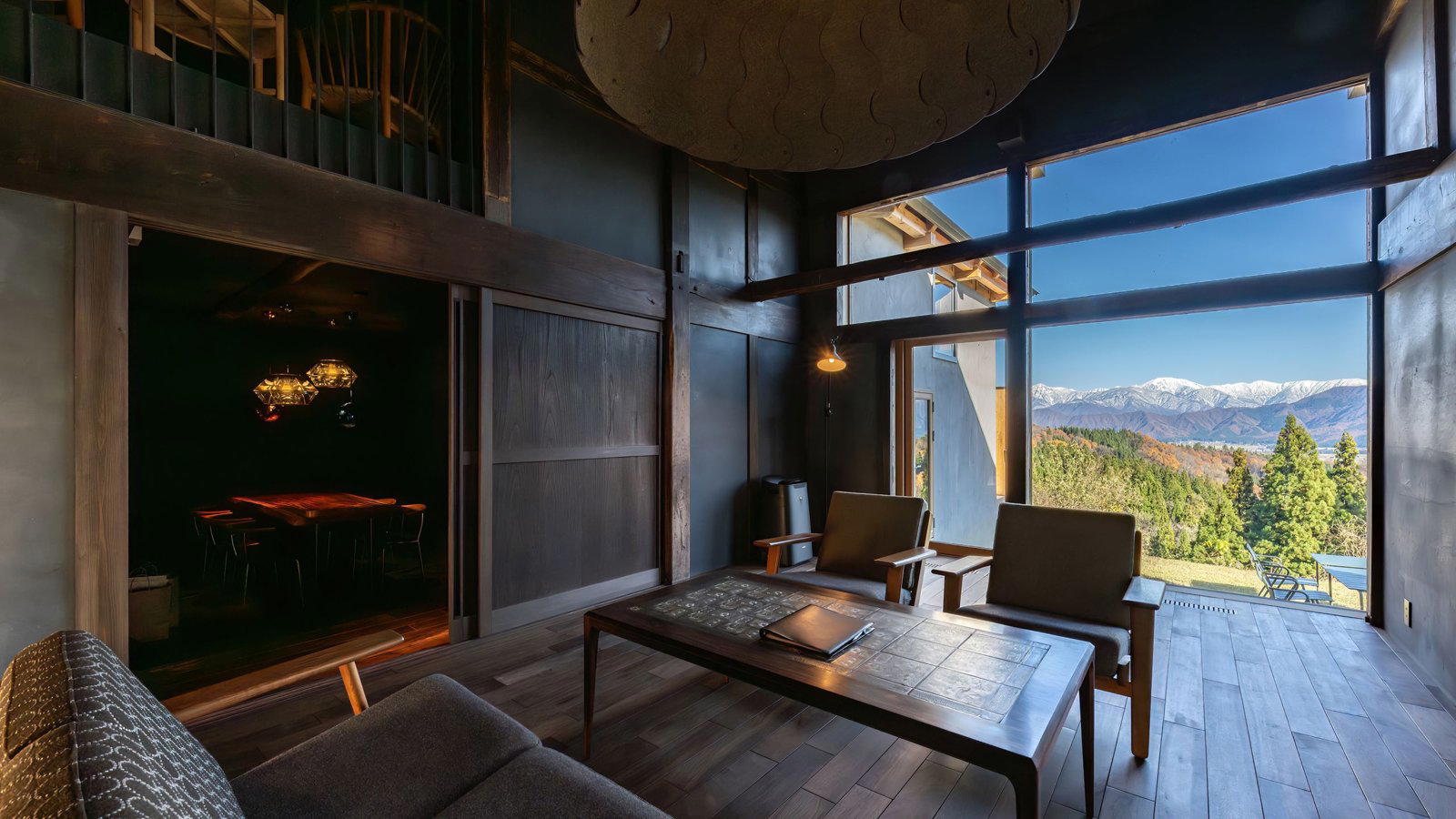
Details
- Scenic
- Elegant
- Quiet
- Intimate
- Sophisticated
- Special Occasion
- Celebration
- Date Night
- Hotel Restaurant
- Garden
- Panoramic View
- Historic Building
- Design Destination
- Sake Program
- Natural Wine
- Sommelier Led
- Farm To Table
- Organic
- Local Sourcing
- Natural Wine
- Mountain
- Garden
- Tasting Menu
- Prix Fixe
- Sake
- Natural Wine
- Local Niigata Wine
- Vegetarian Friendly
- Vegan Options
- Organic Focus
- Allergy Accommodating
Serene and healing retreat set in a renovated historic Japanese structure with stylish, relaxing spaces overlooking mountain views; designed for disconnection and wellness.