Our verdict
バルーン occupies a quiet address in Yoshidacho, one of Kochi's more settled residential stretches, where the city's celebrated Pacific larder meets techniques drawn from well beyond Shikoku. The kitchen operates at the intersection of indigenous product and imported method, a position that defines a small but growing cohort of restaurants reshaping how provincial Japanese dining reads to serious travellers. See our full Kochi restaurants guide for broader context.

Pearl is the En Primeur Club membership app — saves, bookings, and concierge access live there. Same editors, same standards.
- Address
- 2-10 Yoshidacho, Kochi, 780-0048, Japan
- Phone
- +81888027744
- Hours
- Mon–Fri 11:30 AM–10:30 PMSat 6–10:30 PMSun Closed
- Website
- balloon-yoshidachou.com
- Directions
- Get directions
- Booking
- Book on the venue's website
Where Kochi's Larder Meets the Outside World
Kochi Prefecture sits on Shikoku's southern coast with its face turned toward the Pacific, and the consequences for its food culture are hard to overstate. The prefecture produces an outsized share of Japan's bonito catch, grows subtropical vegetables that rarely reach the main island markets in prime condition, and raises Tosa Jiro chicken under conditions specific enough to carry the bird into the same conversation as regional breed programs in France or the American Pacific Northwest. This is not a larder that needs embellishment. What it needs, and what a small cohort of Kochi kitchens now supplies, is technique precise enough to honour the material without flattening it.
バルーン, addressed at 2-10 Yoshidacho in the 780-0048 district, sits within this moment in Kochi dining. The Yoshidacho address places it away from the tourist circuit around Hirome Market and the covered arcades near Harimaya Bridge, in a quieter residential register where the city feels more local and less performed. Restaurants that choose this kind of address tend to rely on reputation rather than foot traffic, which is itself an editorial signal about the intended audience.
The Technique Argument in Provincial Japanese Cooking
Japan's regional restaurant scene has been running a quiet experiment for roughly two decades. Chefs trained in Tokyo, Osaka, or abroad return to their home prefectures carrying European or contemporary Asian frameworks, then apply those frameworks to ingredients that urban-market pricing has never quite captured. The results, when they work, produce food that reads as neither fusion nor nostalgia but as something more specific: a localized fluency. Gion Sasaki in Kyoto and HAJIME in Osaka represent the high-recognition end of this tendency, where imported rigor applied to Japanese product has earned international validation. The Shikoku version of this pattern is less documented but no less active.
Kochi's position within that pattern is worth examining. The prefecture is not historically associated with fine dining in the way that Kyoto or Kanazawa is, which means the reference points for what a serious Kochi meal should look like are still being written. That relative openness creates room for kitchens to define their own terms. akordu in Nara offers a useful parallel: a similarly non-metropolitan address, a similarly local-ingredient focus, and a similar willingness to import structural ideas from European cooking without making the European framework the story. The story, in both cases, is the place.
At the more technically ambitious end of the Kochi dining range, this means bonito that arrives with the precision of a Tokyo counter, or subtropical vegetables treated with the care that French kitchens give to their primeurs. For context on how other serious Japanese kitchens approach the gap between provincial product and global technique, Harutaka in Tokyo and Goh in Fukuoka both illustrate how product sourcing and technique can operate in productive tension without either dominating.
Reading the Kochi Dining Scene
To understand where バルーン fits, it helps to map the broader field. Hirome Market anchors the casual, communal end of Kochi eating: a covered food hall where bonito tataki is ordered by the plate and sake flows at midday without apology. That format is essential Kochi and makes no claim to refinement. Kochi Izariya represents the izakaya middle ground, where quality ingredients appear in a convivial, lower-formality setting. Brasserie 中法 brings a French brasserie format to the city, and Canvas Restaurant & Pizzeria represents the Italian-influenced end of the Western-technique contingent. MIKI ドゥーブル adds another layer to this picture.
These options collectively suggest that Kochi's dining scene has moved beyond the binary of traditional Japanese or tourist-facing casual. There is now a recognizable tier of restaurants where the conversation is more specifically about product, technique, and the relationship between the two. バルーン operates within that tier, at a Yoshidacho address that keeps it oriented toward a local and destination audience rather than the passing trade.
For travellers who have used venues like Le Bernardin in New York City or Atomix in New York City as reference points for technique-led cooking, the Kochi iteration will feel different in scale and register but aligned in spirit: the argument being made is about what serious cooking can do with exceptional raw material, not about spectacle or theatre. Similar logic applies at 一本杉川嶋 in Nanao, 夕佳亭山乃 in Sapporo, 湖鱒亭 in Takashima, 若鷺屋 in Nishikawa Machi, and Birdland in Sakai, all of which represent regional Japan's growing confidence in applying serious culinary frameworks to hyper-local product.
Seasonal Timing and the Kochi Pantry
Kochi's subtropical climate produces a seasonal rhythm that differs markedly from the rest of Japan. Early spring brings myoga and new-harvest citrus from the Tosa interior; summer amplifies the bonito season that defines the prefecture's food identity; autumn brings the kind of freshwater fish and mountain vegetables that rarely travel well and must be eaten close to source. For any kitchen working with local ingredients and imported technique, these cycles are not background detail but structural material. The menu changes because the prefecture changes, and timing a visit to align with Kochi's seasonal peaks, rather than a general Japan trip itinerary, produces a materially different meal.
Visitors planning around the bonito season, roughly spring through early autumn, will find the city's product at its most expressive. For broader orientation on what the city offers across price points and formats, our full Kochi restaurants guide maps the dining scene by neighbourhood and category.
Planning Your Visit
The Yoshidacho address sits within Kochi City's walkable core, accessible from Kochi Station by local streetcar or a short taxi ride. Reservations are advisable given the scale typical of this restaurant tier in smaller Japanese cities, where seat counts tend to be low and demand from both local regulars and visiting diners is real. Arriving without a booking at the kind of address that relies on reputation rather than footfall is a risk not worth taking.
Frequently asked questions
What's the address for バルーン?
バルーン is located at 2-10 Yoshidacho, Kochi, 780-0048, Japan, Kochi.
Is バルーン suitable for visitors unfamiliar with Kochi cuisine?
Kochi's food culture is product-specific and rooted in ingredients that carry real regional identity, which makes a restaurant like バルーン in Yoshidacho a practical entry point rather than an obstacle. The prefecture's Pacific-coast seafood and subtropical produce are distinct enough from mainstream Japanese restaurant fare that first-time visitors will encounter something genuinely different. Letting the kitchen or staff guide the order is the most direct way to understand what Shikoku's larder actually produces.
What should I order at バルーン?
The kitchen's focus on Kochi Prefecture's raw materials means the most considered choices will track Shikoku's Pacific coast and subtropical growing calendar. Kochi is one of Japan's foremost producing prefectures for bonito, yuzu, and myoga, so dishes built around those ingredients are the ones most likely to show the kitchen's reasoning. Ask staff what is arriving from the market that week rather than anchoring to a fixed list.
Should I book バルーン in advance?
Yes. Smaller Japanese restaurants operating at this register in a city of Kochi's scale typically run limited covers, and walk-in availability is unreliable. The Yoshidacho address is reachable from Kochi Station by streetcar or taxi, but arriving without a reservation risks a wasted journey. check the venue's official channels to confirm current booking arrangements before visiting.
What is バルーン known for?
バルーン occupies a position in Kochi's dining scene defined by the application of technique to the prefecture's exceptional local produce. Kochi's food culture is among Japan's most product-specific, built around ingredients with genuine regional identity, and restaurants at this level in the city tend to reflect that orientation in their menus. It represents the strand of provincial Japanese cooking where trained culinary skill is directed toward the local pantry rather than imported reference points.
City Peers
Comparable venues nearby, for context on price, style, and recognition.
| Venue | Cuisine | Price | Awards | Notes |
|---|---|---|---|---|
| バルーンThis venue — the venue you are viewing | French Fine Dining | $50–100 | Not listed | Not listed |
| うますし | Kochi Sushi Omakase | $500+ | Not listed | Horizume |
| MIKI ドゥーブル | French Bistro | $10–20 | Not listed | 帯屋町 |
| トラットリア リーベロ | Contemporary Italian with Kochi Local Ingredients | $50–100 | Not listed | Otesuji (追手筋) |
| アンナータ | Modern Italian with Local Kochi Ingredients | $100–150 | Tabelog 100 #52 | Minami Harimaya-cho |
| Myojinmaru (明神丸) | Straw-Fire Grilled Bonito Izakaya | $20–30 | Not listed | 本町 |
Details
- Elegant
- Sophisticated
- Date Night
- Special Occasion
- Standalone
- A La Carte
Current opening hours
- Monday
- 11:30 AM–10:30 PM
- Tuesday
- 11:30 AM–10:30 PM
- Wednesday
- 11:30 AM–10:30 PM
- Thursday
- 11:30 AM–10:30 PM
- Friday
- 11:30 AM–10:30 PM
- Saturday
- 6–10:30 PM
- Sunday
- Closed
Hours can change for holidays and private events. Last verified .
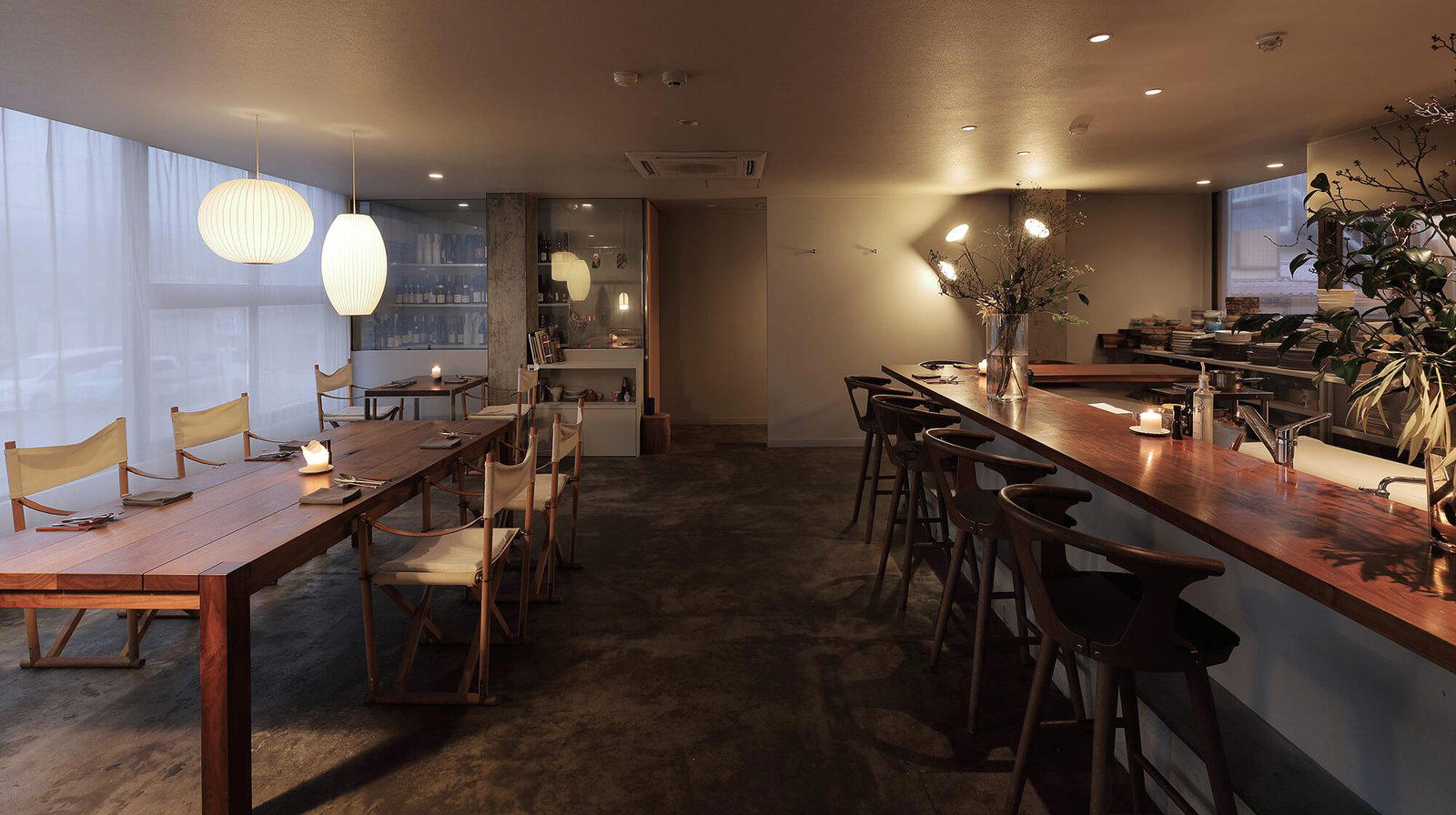
Elegant and sophisticated French dining atmosphere.