
Tabelog 100 #82
Our verdict
Hirome de Yasubee places Kochi’s dumpling culture inside the communal churn of Hirome Market, with a low-price format, no-reservation setup, and recognition in Tabelog’s Dumplings 100 selections for 2019, 2021, and 2024. It is a casual, cash-only stop built for quick plates, shared market seating, and the city’s appetite for drinking food with local rhythm rather than ceremony.

Pearl is the En Primeur Club membership app — saves, bookings, and concierge access live there. Same editors, same standards.
- Address
- 2 Chome-3-1 Obiyamachi, Kochi, 780-0841, Japan
- Phone
- +81 88-822-0222
- Hours
- Mon–Tue 12–9 PMWed ClosedThu–Sat 12–9 PMSun 11 AM–8 PM
- Website
- mfc-group.jp
- Directions
- Get directions
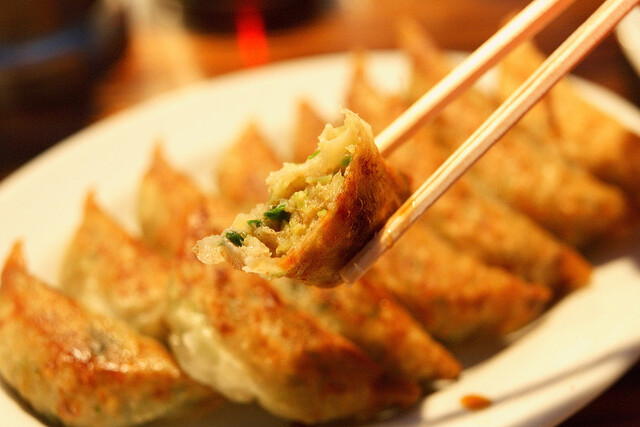
The menu
What to order
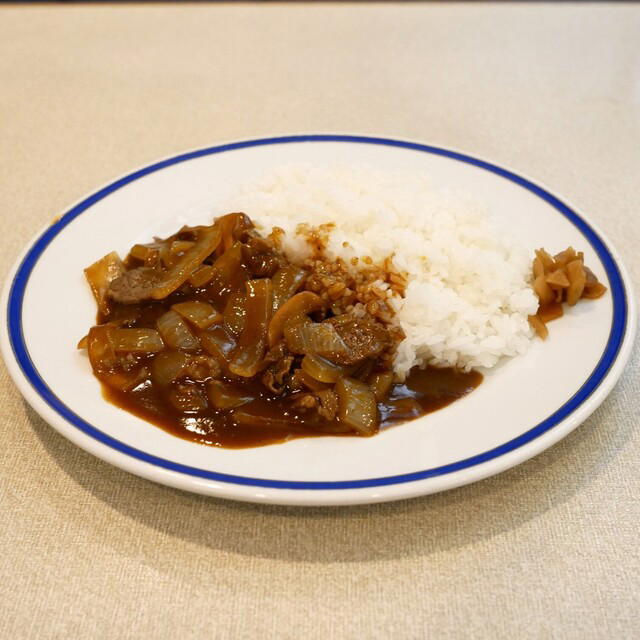
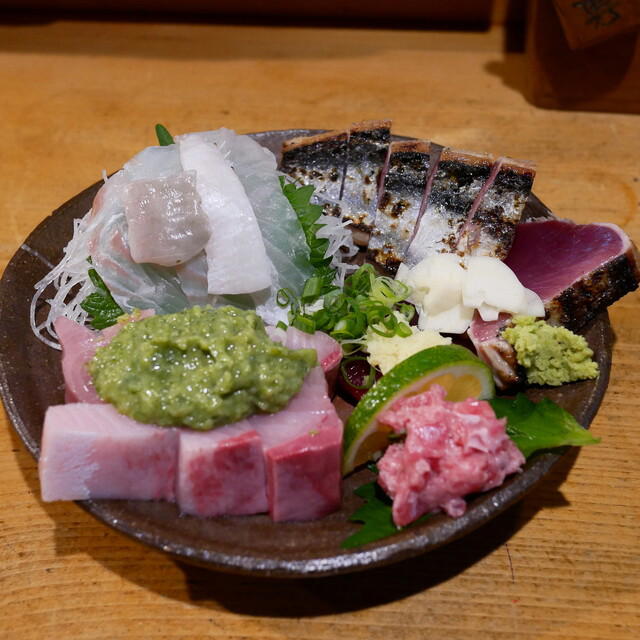
- Kochi yatai gyoza
- Boiled gyoza
- Ramen
- Oden assortment
- Katsuo rice
- Char siu rice
- Jako rice
- Yakan beer
- Lemon chuhai
Hirome de Yasubee is not best understood as a hushed destination built around ceremony; it belongs to Kochi’s more immediate, appetite-led side. The appeal is direct: dumplings, a casual rhythm, and the kind of food that works best when it is ordered without overthinking. In that setting, Hirome de Yasubee works because dumplings are exactly the kind of food the city’s everyday dining culture understands: fast, social, inexpensive, and better when they sit beside conversation rather than a long explanation.
Kochi’s dining culture has a looser pulse than the reservation-heavy restaurants of Tokyo or Kyoto. The city’s casual restaurant habits reward immediacy, and Hirome de Yasubee offers a clear example of local eating without the formality of a controlled counter. For broader mapping, the Kochi restaurants guide is the anchor; this venue is one of the sharper arguments for treating the city as a dining ecosystem rather than a single special-occasion itinerary.
Dumplings built for Kochi's casual drinking culture
Japanese gyoza occupies a different register from banquet dumplings in China or the refined tasting-menu small plates that now appear across major cities. In Japan, it is democratic casual food: compact, hot, quick to share, and priced to repeat. That cultural role matters here. Hirome de Yasubee was selected for Tabelog’s Dumplings 100 in 2024, a useful signal because the category rewards a narrow, everyday form rather than luxury dining theatrics.
The venue’s listed price band is - JPY 999 - JPY 999, with both dinner and lunch shown at - JPY 999. That places the emphasis firmly on repeatable, low-friction eating rather than occasion dining. Compared with Kochi names such as Yairo Tei, Cock Doll, Kuroson, MIKI ドゥーブル, and うますし, the useful distinction is not hierarchy but mood: Kochi can support many kinds of meals, while Hirome de Yasubee makes its case through an everyday dumpling format.
The appeal is not breadth. The category is dumplings, and the format is compact in spirit: this is not a venue to approach as a long formal tasting menu. It is a specialist stop within Kochi’s broader casual dining rhythm, which makes it more comparable to a strong everyday meal than to a conventional restaurant framed around ceremony.
The casual format is the point, not a compromise
For travellers, the mistake is judging this kind of address by the criteria of a stand-alone fine-dining room. A casual dumpling venue has different strengths: low friction, quick turnover, and a style that lets different appetites solve themselves without much planning. The point is not polish for its own sake, but the direct satisfaction of a hot, inexpensive order in a city that rewards relaxed eating.
The experience also changes how to read value. In a city where premium dining can mean planning around counters and fixed menus, Hirome de Yasubee is approachable while still carrying award recognition. That combination is increasingly rare in Japan’s better-known food cities, where demand often pushes casual specialists into queues, advance systems, or inflated expectations. In Kochi, the value lies in the collision of credible dumplings and informal energy.
Location should be kept simple: Kochi. Rather than building the case around a street address, station, or landmark, the stronger reading is cultural. Hirome de Yasubee belongs to the city’s casual, repeatable eating pattern, where a small order can be the whole stop or part of a longer evening. Timing is worth checking before you go, as casual venues can shift their rhythm, but the essential proposition remains straightforward.
How to place it within a Kochi eating itinerary
Hirome de Yasubee makes sense as a first-night orientation stop or a between-meals correction after heavier seafood and izakaya sessions. Kochi is better read through contrasts than through a single grand meal: dumplings, local counters, casual restaurants, and simple drinking food all reveal different parts of the city. Pair this with the broader Kochi restaurants guide rather than treating it as a complete portrait of the city.
Travellers building a longer food crawl can use nearby and citywide references to calibrate mood and spend. Yairo Tei, Cock Doll, Kuroson, MIKI ドゥーブル, and うますし all point to different ways of reading Kochi dining, while other unnamed local restaurants fill in the city’s non-dumpling side. For sleeping, drinking, and non-restaurant planning, broader Kochi travel pages can keep the trip from becoming only a table chase.
The verdict is practical and cultural at once: choose this for a low-cost, award-recognised dumpling stop in Kochi. It is not the address to approach with fine-dining expectations or a need for elaborate ceremony. It is the address for understanding why a plate of gyoza, a casual setting, and the city’s easygoing appetite can tell a clearer story about Kochi than another expensive dinner.
- Related Japan and casual-dining references: other casual dining rooms in Japan, unnamed drinking spots, and simple everyday restaurants that help frame how informal food culture can matter as much as formal destination dining.
Frequently asked questions
Can I bring kids to Hirome de Yasubee?
Hirome de Yasubee is in Kochi. Treat it as a casual dumpling stop, and check current operating details directly before visiting with children.
What should I expect atmosphere-wise at Hirome de Yasubee?
Expect a casual dumpling-focused venue rather than a private fine-dining room. It is best approached as a quick, informal Kochi stop built around an inexpensive order.
What's the price range at Hirome de Yasubee?
Pricing at Hirome de Yasubee is listed as - JPY 999 - JPY 999.
What is Hirome de Yasubee known for?
Hirome de Yasubee is known for dumplings in Kochi and was selected for Tabelog’s Dumplings 100 in 2024.
Budget and Context
Nearby venues at a similar price tier for orientation.
| Venue | Cuisine | Price | Awards | Notes |
|---|---|---|---|---|
| Hirome de YasubeeThis venue — the venue you are viewing | Kochi yatai gyoza & Japanese snack bar | $1–10 | Tabelog 100 #82 | Not listed |
| Imadoki Yasubee | Gyoza-focused Japanese izakaya | $10–20 | Tabelog 100 #95 | Not listed |
| ひろめで安兵衛 | Kochi yatai gyoza & Japanese snack bar | $1–10 | Tabelog 100 #82 | 帯屋町, High Kochi Yatai Gyoza |
| Myojinmaru (明神丸) | Straw-Fire Grilled Bonito Izakaya | $20–30 | Not listed | 本町, Straw-Fire Grilled Bonito Izakaya |
| Hungry Bear | Japanese-Western Hamburger Steak | $10–20 | Tabelog 100 #30 | Kozaki, Japanese-Western Hamburger Steak |
| Yairo Tei | Not listed | Not listed | Not listed | Obiyamachi / Hirome Market, Kochi seafood izakaya specializing in seared bonito |
Recognition history
Dated appearances from independent guides and award organizations, with the underlying list record or original source where available.
Tabelog 100 #82 · No. 82
Tabelog · Tabelog 100 - Dumplings - 2024
Details
- Lively
- Energetic
- Well Known
- Casual Hangout
- After Work
- Group Dining
- Solo
- Late Night
- Standalone
- Beer Program
- A La Carte
- Counter Dining
- Small Plates
- Beer
- Shochu
- Chuhai
Current opening hours
- Monday
- 12–9 PM
- Tuesday
- 12–9 PM
- Wednesday
- Closed
- Thursday
- 12–9 PM
- Friday
- 12–9 PM
- Saturday
- 12–9 PM
- Sunday
- 11 AM–8 PM
Hours can change for holidays and private events. Last verified .
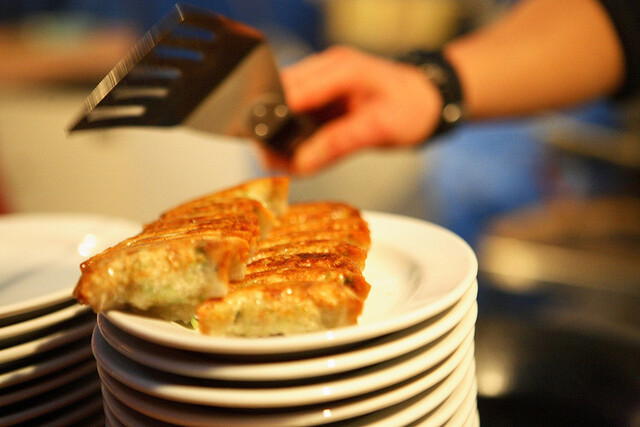
Bright, busy indoor market stall atmosphere with constant foot traffic, shared communal tables in Hirome Market, and an energetic, casual feel rather than a sit-down restaurant vibe.