
Yairo Tei belongs to Kochi’s market-driven izakaya culture, where seafood and regional cooking matter more than ceremony. Its selection for Tabelog 100 Izakaya WEST 2025 gives it a clear credibility signal, while the Hirome Market setting keeps the experience casual, compact, and rooted in the city’s appetite for fish-led drinking food.
Pearl is the En Primeur Club membership app — saves, bookings, and concierge access live there. Same editors, same standards.
- Address
- 高知県高知市帯屋町2-3-1 ひろめ市場
- Phone
- +81888713434
- Website
- hirome.co.jp
 Saves & bookings on Pearl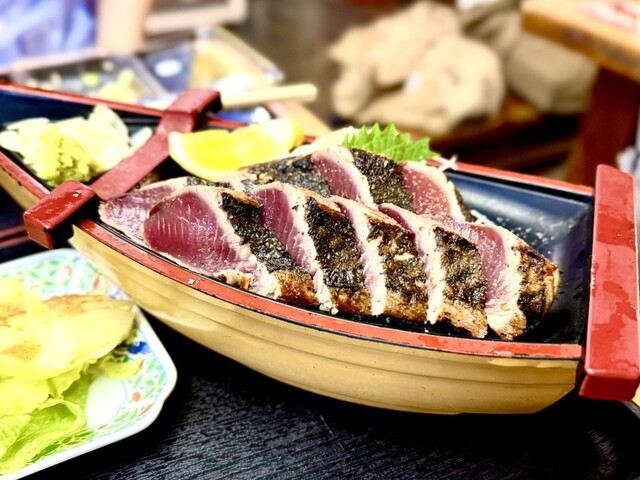
Hirome Market works on volume, clatter, and appetite: shared tables, quick decisions, and the steady pull of local seafood through a room built for grazing rather than lingering formality. In that setting, Yairo Tei fits Kochi’s stronger dining identity: fish-first izakaya cooking, regional dishes, and a service rhythm closer to a market stall than a hushed restaurant. The point is not polish. The point is proximity to what Kochi eats well.
Kochi’s food culture has always leaned toward ingredients with a clear sense of origin. The city faces the Pacific, sits within one of Japan’s stronger fishing prefectures, and treats seafood as everyday food rather than occasion dining. That matters for visitors because the izakaya category here is not simply a drinking format. It is one of the more direct ways to read the local table, especially when the cooking is built around fish and regional dishes rather than imported luxury signals.
Fish-led izakaya cooking inside Kochi's market culture
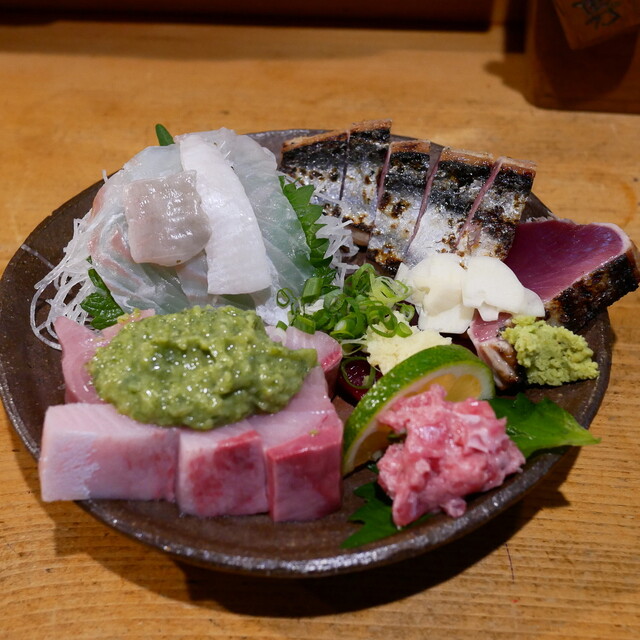
The venue’s category tells the story with unusual economy: izakaya, seafood, regional cuisine. That combination places it in a practical Kochi lane, where the meal is assembled around fish, shared plates, and drink rather than a tasting-menu sequence. Tabelog’s 2025 selection for its Izakaya WEST 100 list gives the place a public recognition signal within western Japan’s casual dining tier, not a fine-dining badge. That distinction is useful. It points to consistency and local relevance in a crowded everyday category.
Yairo Tei is especially interesting because it sits at the point where travel dining and resident dining overlap. Hirome Market is easy to misread as a tourist stop because it concentrates food stalls and tables in one place, but the better reason to eat there is structural: it lets Kochi’s drinking-food grammar happen in public. Fish, regional cooking, quick turnover, and mixed groups define the room. Compared with a higher-spend seafood counter such as Kuroson, this is the looser end of the same city conversation. Compared with Hirome de Yasubee, it sits in the same market ecosystem but carries a different signal through its fish-oriented izakaya recognition.
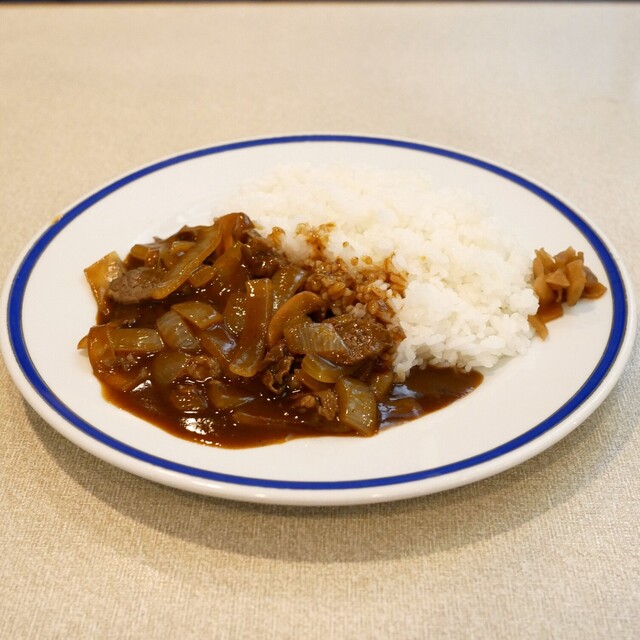
The ordering logic should stay simple: treat the meal as a Kochi izakaya session rather than a checklist. The attraction is not a named chef narrative or elaborate menu architecture; it is the way a compact, fish-conscious stall can function inside a public food hall. That makes it a useful counterweight to more restaurant-like Kochi addresses such as Brasserie 一柳, Canvas Restaurant & Pizzeria, Cock Doll, and Donko. The comparison is not about ranking them; it is about reading Kochi through format. A market izakaya gives a different answer than a brasserie, pizzeria, curry shop, or standalone seafood room.
A compact room, public energy, and a low-ceremony meal
The physical experience is part of the editorial case. A small table-seating operation inside a larger market does not ask diners to suspend the city outside the door. It folds the city into the meal: groups moving between counters, families eating early, friends treating food and drink as a shared plan rather than a reservation-bound event. That makes the atmosphere more open and kinetic than a controlled counter meal, and it rewards diners who are comfortable with noise, proximity, and quick choices.
This is also where Kochi’s ingredient culture becomes legible without explanation. In many Japanese cities, regional cuisine gets packaged for visitors as a set course or souvenir narrative. Here, the market setting keeps it closer to everyday use. Fish is not presented as luxury theater; it is the basis of the izakaya proposition. Tabelog’s 3.58 score and 2025 Izakaya WEST 100 selection are useful because they sit beside that informality, not above it. They suggest that recognition in this category can attach to directness, not only to rarity.
For travelers building a wider Kochi itinerary, the venue makes more sense as part of a city map than as a standalone pilgrimage. Use Our full Kochi restaurants guide to balance market dining with more structured meals, then pair the city’s food planning with Our full Kochi hotels guide, Our full Kochi bars guide, Our full Kochi wineries guide, and Our full Kochi experiences guide. For a wider Japan-and-beyond comparison of casual formats, the useful contrast runs from -Grilled beef Sukiyaki- KAMAKURA TANUKIAN 鎌倉 たぬき庵 in Kamakura and. 鮪と炭火焼き うお炭 秋葉原店 in Tokyo to.cafe in Osaka,.know in Kumamoto, (Shoku) Vietnam in Kawasaki, [Curry Senmon Ten] Maruyama Kyoju. in Sapporo, Jōdo Saké Bar in Los Angeles, and Onigiri Time in Pasadena. Each shows how format changes the way a city’s food is read.
Who should put it on a Kochi eating plan
Yairo Tei suits diners who want Kochi through ingredients and atmosphere rather than ceremony. The strongest case is for visitors who value seafood-led regional cooking, casual pacing, and the social charge of a market room. It is less suited to anyone looking for a quiet, chef-driven narrative or a long-form destination dinner. In Kochi, that distinction matters: the city’s serious eating is not confined to expensive rooms.
The critical read is direct. This is a recognized izakaya in a public market, with fish as the anchor and regional cooking as the frame. Its value lies in how clearly it expresses Kochi’s casual dining instincts: local appetite, accessible format, and a room that makes the meal feel connected to the city rather than staged apart from it.
Fast Comparison
Comparable venues by cuisine and price in the same metro.
| Venue | Cuisine | Price | Awards | Notes |
|---|---|---|---|---|
| Yairo TeiThis venue — the venue you are viewing | Kochi seafood izakaya specializing in seared bonito | $$ | , | |
| Hirome Market | Kochi Street Food Market with Seared Bonito | $$ | , | Obiyamachi |
| Myojinmaru (明神丸) | Straw-Fire Grilled Bonito Izakaya | $$ | , | 本町 |
| ひろめで安兵衛 | High Kochi Yatai Gyoza | $ | , | 帯屋町 |
| Tanaka-sengyoten Ryoshigoya | Traditional Japanese Seafood | $$ | , | Taisho-machi market |
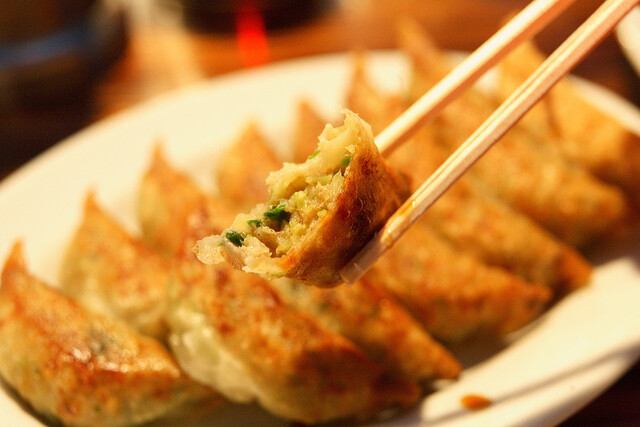
| Imadoki Yasubee | Gyoza-focused Japanese izakaya | $ | , | Kochi |

At a Glance
- Lively
- Energetic
- Iconic
- Rustic
- Casual Hangout
- After Work
- Group Dining
- Family
- Solo
- Late Night
- Standalone
- Historic Building
- Beer Program
- Sake Program
- Local Sourcing
- Sustainable Seafood
Bustling food-hall stall with counter-style seating and simple décor, filled with smoke and aroma from straw-grilling bonito; bright, casual, and communal rather than intimate.