동백삼계탕
Our verdict
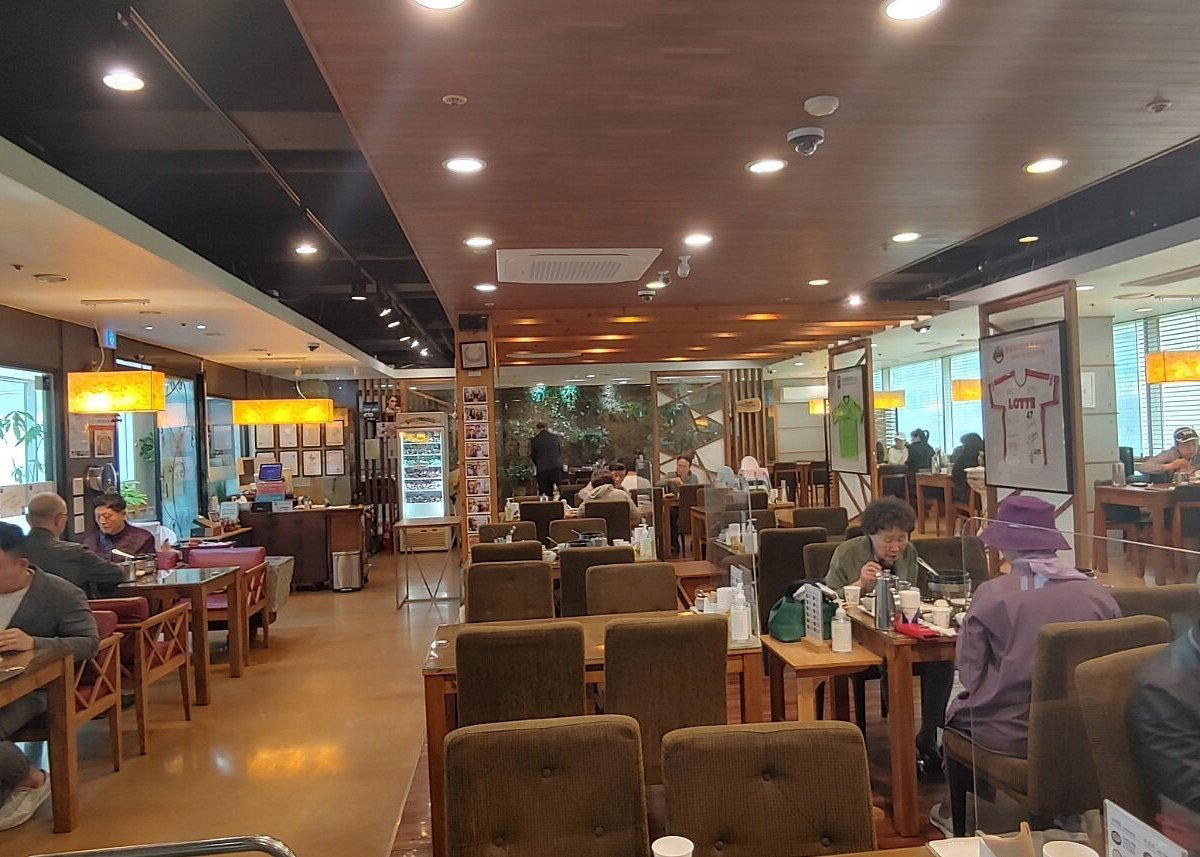
동백삼계탕 occupies a quiet stretch of Haeundae's Marine City district, serving ginseng chicken soup in a neighbourhood better known for high-rise hotels and upmarket dining. The restaurant anchors a tradition that sits outside Busan's trendier food conversation, offering a restorative Korean classic to a local clientele that returns by habit rather than hype.

Pearl is the En Primeur Club membership app, where members save venues, book tables and use the concierge.
The menu
What to order
- Dongbaek Samgyetang
- Mung Bean Samgyetang
- Black Garlic Samgyetang
- Abalone Samgyetang
Marine City, Off the Main Stage
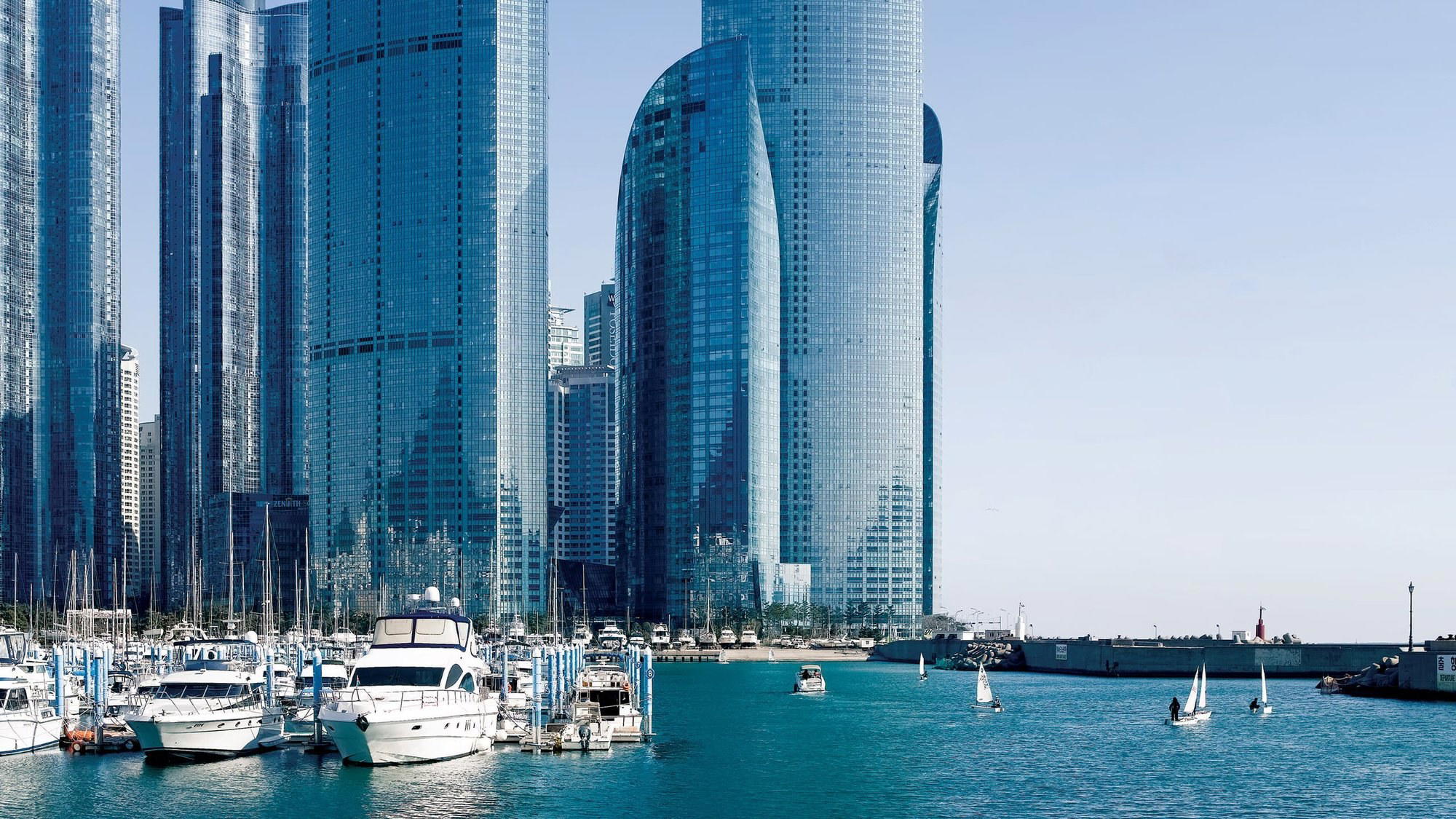
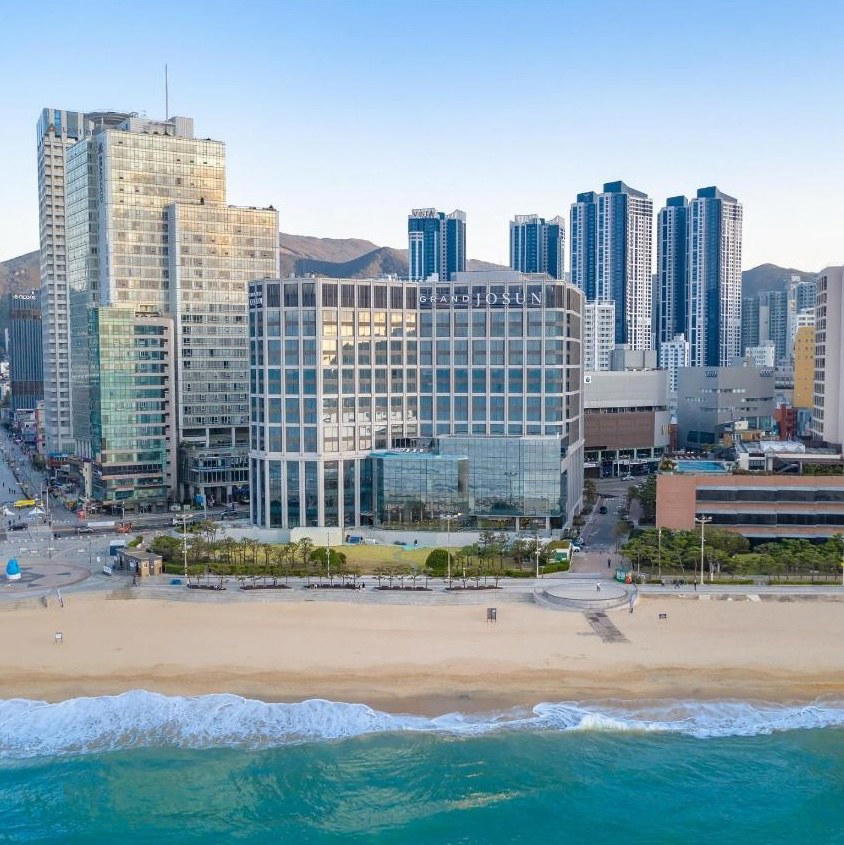
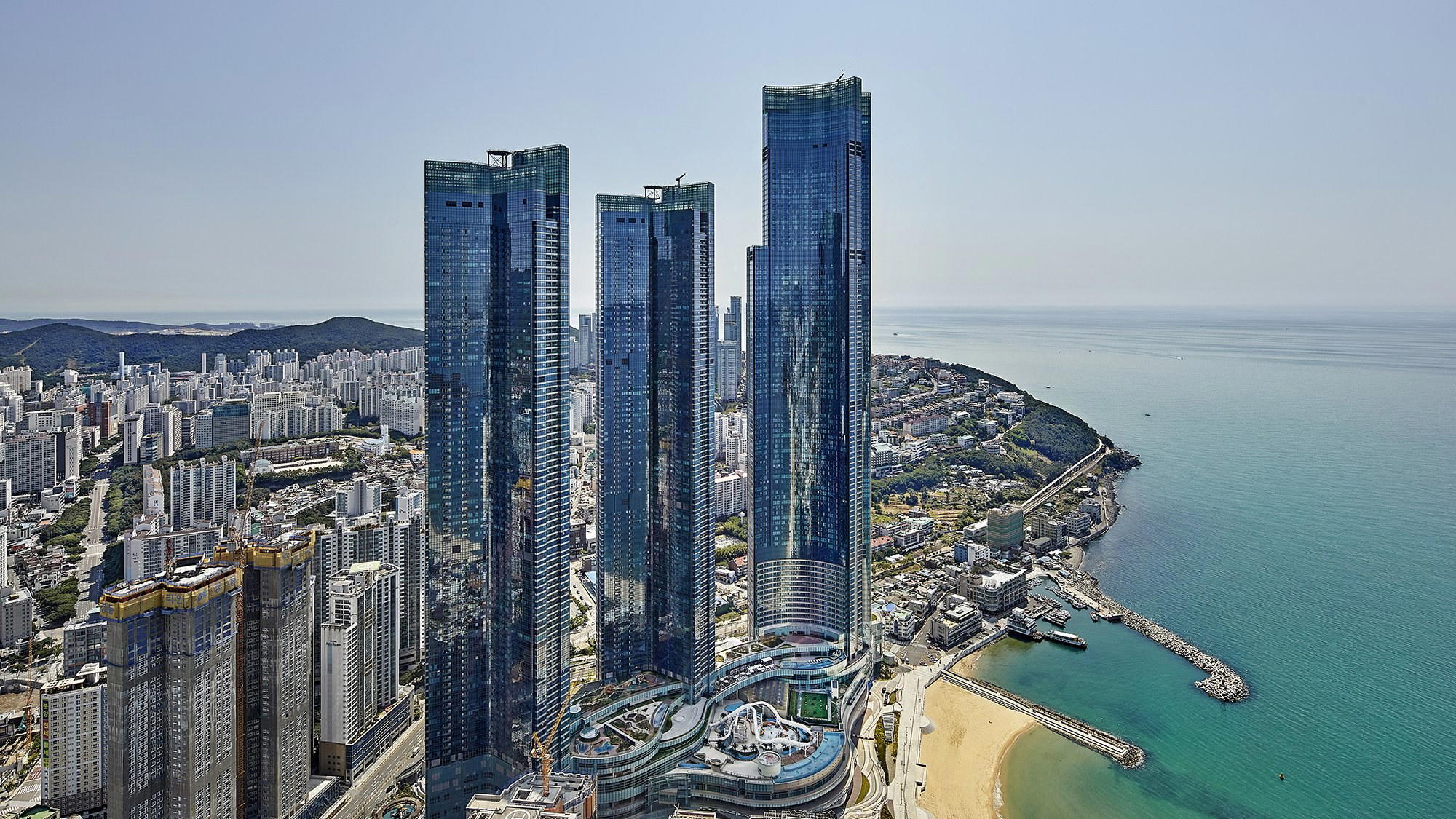
Haeundae is most often discussed through the lens of its coastline hotels, its summer crowds, and an increasingly ambitious restaurant scene that includes addresses like Mori and Palate pulling in diners from across the city. Marine City, the reclaimed-land development that occupies the western edge of that district, adds a different register: high-density residential towers, a marina, and the kind of neighbourhood restaurants that exist for people who live nearby rather than for visitors working through a list. 동백삼계탕, addressed at 마린시티3로 23, sits in that category. The location tells you something important before you eat a single bite.
Samgyetang, the soup of whole young chicken stuffed with glutinous rice, ginseng root, jujubes, and garlic, has a long and unambiguous place in Korean food culture. It is eaten hot in summer, with particular concentration around the three hottest days of the lunar calendar, a practice called 이열치열, or fighting heat with heat. But across the peninsula's cities, it is also everyday restorative food, taken year-round at lunch counters and family restaurants that measure their reputation in decades of returning customers rather than in columns of press coverage. 동백삼계탕 belongs to that second, quieter tradition.
What the Neighbourhood Frames
Marine City did not exist thirty years ago. The area was developed from the late 1990s onward, and the restaurant density that followed reflects a particular social character: upper-middle residential, with a high proportion of long-term residents and a dining culture skewed toward reliability over novelty. In this context, a samgyetang specialist carries a different social weight than it would in a tourist-facing street or a food-market setting. The clientele is largely local, which in Korean restaurant culture functions as its own quality signal. Restaurants in residential pockets without walk-in tourist traffic survive on neighbourhood loyalty, and that loyalty is rarely extended without justification.
This contrasts with the mode of dining at, say, Born and Bred or the noodle institution 1969 Buwondong Kalguksu, where the draw is explicit and the audience wider. For those interested in how Busan eats when it is not performing for an audience, neighbourhood specialists like 동백삼계탕 are the more instructive category. The full range of what the city offers is mapped in our Busan restaurants guide.
Samgyetang in the Broader Korean Soup Tradition
Korea's soup-and-stew culture is one of the more demanding to assess from outside, because quality differences are often subtle and the format is consistent across hundreds of restaurants. Samgyetang in particular is a dish where technique and sourcing matter more than originality. The variables are the quality of the young chicken, the ginseng grade, the ratio of rice stuffing, the depth of the broth, and the cooking time. None of these is visible from a menu, and most are not perceptible without a working reference point.
Within Busan specifically, the soup tradition is anchored more heavily in dwaeji-gukbap, the pork bone broth soup that functions almost as a civic food for the city. Samgyetang occupies a different niche: lighter, more associated with health and restoration, and less regionally specific to Busan than to Korean food culture broadly. This means that a samgyetang restaurant in Busan is less likely to be trading on local culinary identity and more likely to be serving a constant demand for the dish from residents who eat it as functional food, not as a statement about place. That dynamic shapes what you should expect: consistency and care, not creative expression.
For comparison points across Korean cuisine in different registers, 100.1. Pyeongnaeng represents Busan's naengmyeon tradition at a single-dish specialist level, while Mingles in Seoul shows what happens when Korean culinary logic is pushed toward fine dining ambition. The spectrum is wide. For regional pork dishes that carry a similar everyday-specialist energy, 88돼지 in Jeju and Black Pork BBQ in Seogwipo offer parallel context. In Suwon, Gobojeong Galbi and Doosoogobang represent similar single-focus Korean specialists with strong local followings. The pattern is consistent: specialist, residential, reputation-driven.
Planning a Visit
The restaurant's address in Marine City places it within Haeundae-gu, accessible from the main Haeundae area by a short taxi ride or by local bus. Marine City has limited street parking, and the area's residential character means daytime foot traffic is modest. Samgyetang restaurants in Korea typically serve from late morning through mid-afternoon, with a secondary dinner service; confirming hours directly before visiting is advisable given that no booking or contact information is publicly listed for this address. Walk-in is the standard format for this restaurant category in Korea, advance reservations are not the norm for soup specialists at this price tier, but arrival timing matters during peak periods, particularly summer. No dress code applies.
Those building a wider itinerary around Haeundae and Marine City should note that the neighbourhood also contains more formally ambitious options: Dining Room (다이닝룸) sits within the broader Busan area for a contrasting register. Further afield in the broader Korean geography, Hwangnam Bread and Busan Steamed Bun in Gyeongju, Gyeongju Wonjo Kongguk, Hinode in Seogwipo, and Badang Lounge in Jeju suggest how Korean regional dining extends beyond the city. For those who want to understand how Korean culinary precision translates into a Western fine-dining framework, Atomix in New York or the technical rigor of Le Bernardin offer an entirely different register of comparison.
Frequently asked questions
What's 동백삼계탕's location?
동백삼계탕 is located at 해운대구 마린시티3로 23 (본점), Haeundae - gu, 부산광역시, 48118, Busan.
How does 동백삼계탕's Marine City location compare to eating samgyetang elsewhere in Busan?
Marine City sits within Haeundae-gu, a short taxi ride from the main beach strip, in a neighbourhood built primarily from scratch after the late 1990s reclamation and development. Most of Busan's older samgyetang institutions are concentrated further inland, near traditional markets or residential districts. A Marine City address places 동백삼계탕 in a different context: a newer, higher-density dining zone where the customer base is split between apartment residents, hotel guests from the nearby waterfront towers, and visitors exploring beyond the Haeundae beachfront.
What should I order at 동백삼계탕?
The name says it directly: samgyetang is the focus here, a whole young chicken stuffed with glutinous rice, ginseng, jujube, and garlic, simmered in a clear broth. In Korean soup culture, this is a dish where stock depth and bird quality determine the result, so the house version at this Marine City address is the starting point. Dongbaek translates to camellia, which signals a degree of local identity rather than generic chain positioning.
What is 동백삼계탕 known for?
동백삼계탕 is a samgyetang specialist operating from Marine City in Haeundae-gu, Busan, a district that developed from the late 1990s onward and now holds a concentrated cluster of restaurants serving both residents and the broader Haeundae visitor base. Samgyetang as a format demands consistency across a narrow set of variables: broth clarity, rice texture, and the quality of the bird. A venue that builds its identity around a single dish in a competitive neighbourhood is making a deliberate argument about focus over range.
Is 동백삼계탕 good for vegetarians?
Samgyetang is a chicken-based dish by definition, and the broth is built on long-simmered poultry. This is not a restaurant with a vegetarian-compatible core menu. Visitors with dietary restrictions should treat this as a specialist meat-and-broth destination and plan accordingly.
Cuisine and Recognition
| Venue | Cuisine | Price | Awards | Notes |
|---|---|---|---|---|
| 동백삼계탕This venue (the venue you are viewing) | Korean Samgyetang (Ginseng Chicken Soup) | $10–20 | Not listed | Not listed |
| Palate | Contemporary French with Korean Fusion | $150–200 | 1 Michelin Star · La Liste Top Restaurants | Contemporary |
| Mori | Japanese Kaiseki | $200–300 | 1 Michelin Star | Japanese |
| Born and Bred | Modern Hanwoo Beef Omakase Steakhouse | $100–150 | Michelin Plate · World's 50 Best #51 | Steakhouse |
| 100.1. Pyeongnaeng | Pyongyang-style Naengmyeon | $10–20 | Michelin Bib Gourmand | Not listed |
| Anmok | Modern Korean Dwaeji-Gukbap | $10–20 | Michelin Bib Gourmand | Not listed |