ぷーれ occupies a quiet address in Fukushima Ward, one of Osaka's most quietly serious dining neighbourhoods. The venue sits within a residential block where small, focused restaurants have built steady local followings without the visibility of Namba or Shinsaibashi. Details on format, price, and menu architecture remain sparse in public records, which itself signals something about how the place operates.
Pearl is the En Primeur Club membership app — saves, bookings, and concierge access live there. Same editors, same standards.
- Address
- Japan, 〒553-0003 Osaka, Fukushima Ward, Fukushima, 7 Chome−7−22 古高第二マンション 1階
- Phone
- +81664501522
- Website
- facebook.com
- Directions
- Get directions
 Saves & bookings on Pearl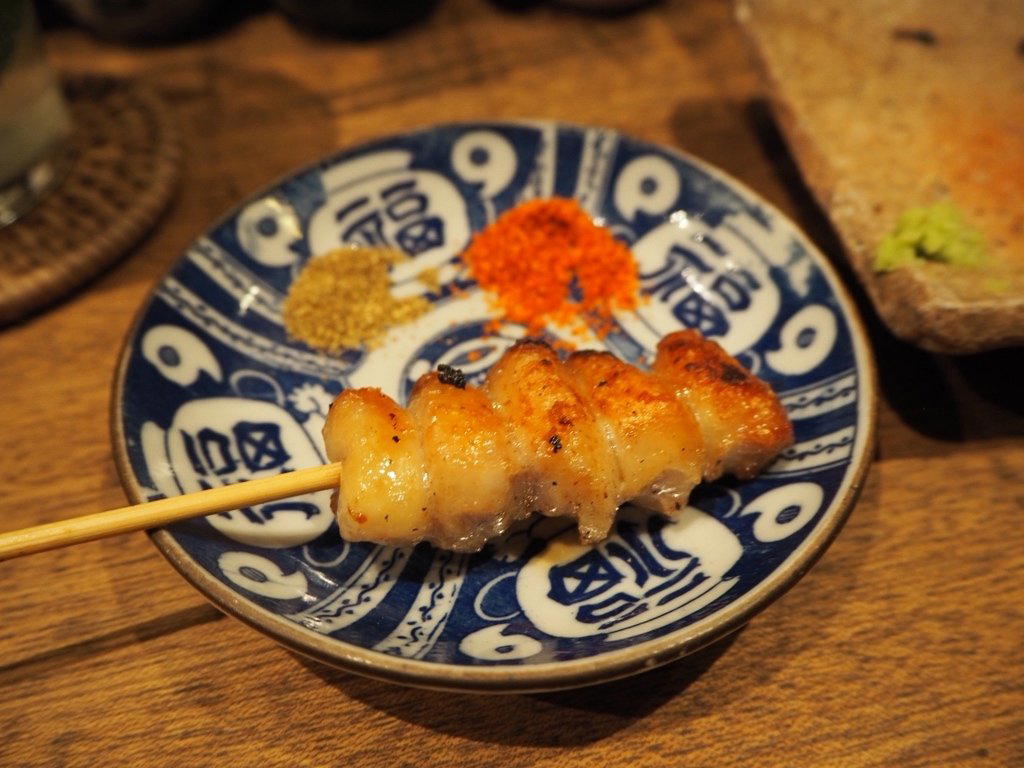
Fukushima Ward and the Quiet End of Osaka Dining
Osaka's dining identity is most loudly associated with the eating-until-broke philosophy of Dotonbori, but the city's more considered restaurant culture has long anchored itself in Fukushima Ward, a compact neighbourhood just west of Umeda where the density of serious small restaurants per city block rivals anything the more photographed districts can offer. The ward has attracted a specific type of operator: low-key, format-conscious, often counter-based, with menus that communicate through restraint rather than spectacle. ぷーれ holds an address in Fukushima 7-chome, a sub-district of the ward where residential blocks and neighbourhood restaurants exist in close proximity, the kind of setting where repeat customers outnumber tourists by a wide margin.
This neighbourhood dynamic matters when assessing a venue like ぷーれ, because Fukushima's restaurant culture tends to reward consistency and local loyalty over media coverage. Restaurants here rarely advertise aggressively; they fill through word-of-mouth and the reliable custom of nearby residents and professionals. Compare that to the high-turnover visibility of venues in Namba or the self-conscious ambition of Kitahama's French-inflected dining rooms, and Fukushima reads as the part of Osaka that eats seriously and quietly. For those travelling from further afield, nearby reference points include Ajihei Sonezaki and Aka to Shiro, both of which operate within the broader Fukushima-Umeda corridor and represent the range of ambition the area sustains.
What Menu Architecture Reveals When the Details Are Sparse
In Japan, the structure of a restaurant's menu is rarely incidental. Whether a kitchen organises around a single protein, a seasonal kaiseki rhythm, a French-influenced progression, or a shorter izakaya-style selection communicates as much as any individual dish. In Fukushima Ward, it more plausibly reflects a place that simply has not pursued the kind of documentation that feeds aggregator platforms and travel guides.
Small Osaka restaurants operating without active web presence or aggregator listings are not unusual at the neighbourhood level. The venues that do appear in more formal records tend to be those with award credentials, higher price points that attract expense-account diners, or formats explicitly targeting visitors rather than locals. Restaurants sitting below or outside that threshold often operate through reservations taken by phone, fixed menus built around what arrives from suppliers that week, and a customer base that already knows what to expect. Its address and the character of its immediate neighbourhood suggest that pattern.
For context on what serious dining at various price tiers looks like elsewhere in the city, Ajikitcho Bunbuan represents the kaiseki end of Osaka's formal dining register, while Calendrier and Az operate in the French-influenced contemporary space. ぷーれ sits in a different tier of information availability than any of those, which places it closer to the neighbourhood-specialist category than the destination-restaurant one.
Osaka as a Reference Point for the Region
Placing ぷーれ within the broader Kansai dining context helps establish what kind of visit it might anchor. Osaka functions differently from Kyoto in restaurant terms: where Kyoto's dining culture tilts toward formal kaiseki and the weight of established tradition, Osaka sustains a wider spectrum from elite counter dining down to deeply local, format-light neighbourhood spots. The city's most internationally recognised restaurants, such as HAJIME in Osaka, occupy a rarefied tier with Michelin recognition and international reach. Most of Fukushima Ward operates nowhere near that tier, and that is precisely its function in the city's dining ecosystem.
Visitors building a broader Japan itinerary might frame Osaka as a pairing with Kyoto's Gion Sasaki, Nara's akordu, or Fukuoka's Goh. Each city in the Kansai-Kyushu corridor has its own register of neighbourhood-level eating, and the cumulative effect of dining across those registers gives a more complete picture of how Japan's restaurant culture works below the Michelin-starred surface. Tokyo's equivalent neighbourhood density is visible in places like Harutaka in Tokyo, where counter dining at a high level remains accessible in form even when demanding in price. Further afield, the regional restaurant cultures documented across venues such as 一本杉 川島酒造 in Nanao and 湖畔荘 in Takashima illustrate how Japan's eating culture extends well into smaller cities and towns, with neighbourhood loyalty and seasonal supply chains driving menus in ways that mirror what the Fukushima Ward pattern suggests. See our full Osaka Shi restaurants guide for broader context across the city.
How to Approach a Visit
Given the absence of a confirmed website, online booking platform, or published hours in the record, the practical approach to ぷーれ requires more direct planning than most restaurants. Phone contact or a walk-in visit are particularly likely routes to confirmation. The address places the venue in a residential-commercial block in 7-chome, which is walkable from Fukushima Station on the JR Osaka Loop Line and from Noda-Hanshin Station on the Hanshin Main Line. Both connections make the area easy to reach from central Osaka.
For planning purposes, Fukushima Ward's restaurant density means that building a contingency option into any visit is sensible. The ward's street-level character makes discovery realistic on foot: if ぷーれ proves inaccessible or fully booked on a given day, the surrounding blocks support further exploration without a long transit back to another part of the city. Restaurants in the ward tend to operate on dinner-focused hours, with lunch service less consistent at the neighbourhood level, though this cannot be confirmed for this venue specifically without direct contact.
Know Before You Go
Address: Fukushima 7-chome, Fukushima Ward, Osaka (residential-commercial block; confirm building number on arrival)
Getting There: Fukushima Station (JR Osaka Loop Line) or Noda-Hanshin Station (Hanshin Main Line); both within walking distance
Booking: No website or online reservation platform confirmed; phone contact or walk-in recommended
Hours: Mon-Sun 6 to 11 PM
Price Range: About $40 per person
Awards: No awards listed in the record
Comparable Venues
Comparable venues nearby, for context on price, style, and recognition.
| Venue | Cuisine | Price | Notes |
|---|---|---|---|
| ぷーれThis venue — the venue you are viewing | Charcoal-Grilled Yakitori | $$ | Not listed |
| Gojoya | Fusion Kushikatsu Omakase | $$ | Chūō |
| Yoshino Sushi | Traditional Osaka Hakozushi | $$ | Chūō |
| Okonomiyaki Kiji | Osaka-Style Okonomiyaki | $$ | Kita |
| 鮨 三心 | Kushikatsu | Not listed | Chūō |
| Yomogi | Polished Udon and Japanese Courses | $$ | Fukushima |
Continue exploring
More in Osaka
Restaurants in Osaka
Browse all →




Bars in Osaka
Browse all →




Hotels in Osaka
Browse all →




Wineries in Osaka
Browse all →
At a Glance
- Cozy
- Trendy
- Elegant
- Intimate
- Casual Hangout
- Date Night
- After Work
- Open Kitchen
- Sake Program
Current opening hours
- Monday
- 6–11 PM
- Tuesday
- 6–11 PM
- Wednesday
- 6–11 PM
- Thursday
- 6–11 PM
- Friday
- 6–11 PM
- Saturday
- 6–11 PM
- Sunday
- 6–11 PM
Hours can change for holidays and private events. Last verified .
Stylish and relaxing counter and table seating in a cozy, trendy space