
Tabelog 100 #67
Our verdict
ミオオルト occupies a corner of Nagoya's Nishi Ward that rewards those paying attention to the city's quieter dining shifts. Set in Nagono, a district that has drawn independent operators away from the Sakae mainstream, the restaurant sits at an address that signals deliberate distance from the conventional circuit. Details on cuisine and format remain closely held, which itself says something about how the venue positions itself.

Pearl is the En Primeur Club membership app, where members save venues, book tables and use the concierge.
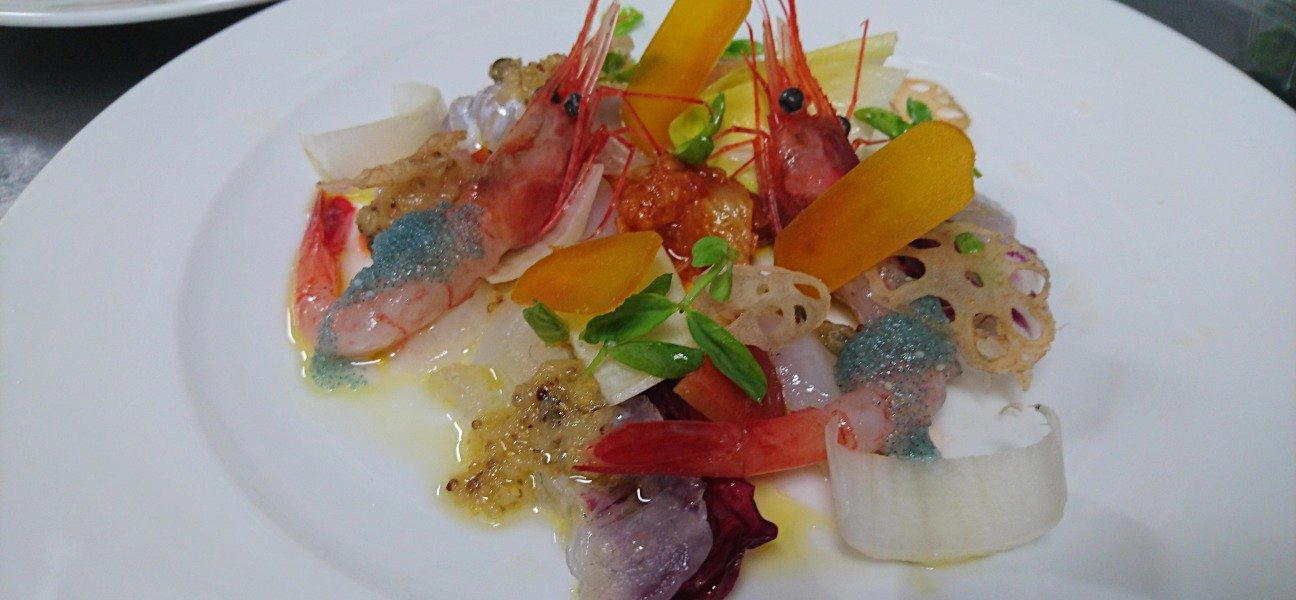
The menu
What to order
- Hida beef
- Fugu carpaccio
- Nagoya chicken
Nagoya's Quieter Dining Shift and Where ミオオルト Sits Within It
Nagoya has spent the better part of two decades operating in the shadow of Tokyo and Osaka when it comes to international dining attention, yet the city's restaurant culture has been rewriting its own terms with some consistency. The headline story is the one everyone knows: Nagoya meshi, the city's native comfort food tradition anchored by hatcho miso, kishimen, and hitsumabushi eel rice at places like Atsuta Horaiken (あつた蓬莱軒 本店). But the more interesting development over the past several years is what has been happening in the spaces between that tradition and the high-end formal dining that Japan's guide culture rewards. A class of smaller, harder-to-categorise operators has been consolidating in neighbourhoods outside the Sakae and Fushimi centres, particularly in the Nagono area of Nishi Ward, where light-industrial conversion and reasonable rents have attracted restaurants that would rather build a regular following than chase a listing.
ミオオルト, at 1 Chome-36-47 Nagono, sits directly inside that pattern. The address is specific enough to locate it within a district that has become a reference point for Nagoya's independent dining class, even if the venue itself remains deliberate about what it shares publicly.
The Nagono Context: What This District Signals
Understanding ミオオルト requires understanding what Nagono has become. Nishi Ward sits immediately northwest of central Nagoya, close enough to the Sakae entertainment district to draw from it but far enough to develop its own character. The neighbourhood has attracted a cluster of independent operators across food, coffee, and design retail over the past decade, drawing comparisons to what happened in Tokyo's Shimokitazawa in an earlier era: a ward-level shift driven by lower costs, creative density, and a clientele that has already decided it prefers searching to stumbling. For Nagoya diners, this represents a meaningful departure from the traditional logic of the city's restaurant geography, which long concentrated serious dining inside department store upper floors and hotel basements.
Restaurants that choose Nagono over those conventional addresses are making an implicit editorial statement about their audience. They are not positioning for walk-in traffic from Sakae's weekend crowds. They are positioning for regulars who book ahead, who navigate by recommendation, and who tend to spread the word through channels that do not show up in standard discovery platforms. This is the same quiet-circulation model that has sustained well-regarded neighbourhood restaurants across Japan's secondary cities, from Goh in Fukuoka to smaller operators in Sapporo and Kanazawa.
The Evolution Frame: How Venues Like This Change
Restaurants that open in districts like Nagono typically pass through recognisable phases. The first is low-visibility accumulation, where the venue builds its reservation base almost entirely through word of mouth, with minimal digital presence and no deliberate press strategy. The second, when it arrives, is selective visibility: a venue begins to appear in guide considerations, regional food media, or the social-media circles of specific dining communities, without necessarily having sought that attention. The third phase is harder to predict and depends almost entirely on whether the kitchen has the depth to sustain scrutiny at a different scale.
ミオオルト, based on what its address and public-facing posture suggest, appears to be operating in the first or early second phase of that arc. The venue's data profile remains sparse not because it is new but because it has not yet, or has chosen not to, step into the circuits that generate that kind of density. This is not unusual in Nagoya. The city's dining culture has historically been slower to engage with external validation systems than Osaka or Kyoto, where restaurants at a comparable stage of development are more likely to have sought guide attention or international food-media coverage.
How ミオオルト Reads Against Nagoya's Current Italian and European Wave
One of the more telling shifts in Nagoya's dining scene over recent years has been the arrival of serious Italian and European kitchens operating outside the hotel format. Venues like Bacio, cucina Wada, and Chez Kobe represent different points in that spectrum, from Italian cooking with local sourcing logic to French-influenced formats that sit closer to kaiseki in their structural discipline. Cucina Italiana Gallura adds another reference point, with a kitchen that operates in the Italian mode while engaging directly with Japanese ingredient seasons. This European-inflected tier in Nagoya is small and competitive, and the venues that have established themselves within it have done so by building format clarity rather than by competing on volume or price.
Planning a Visit: What to Know Before You Go
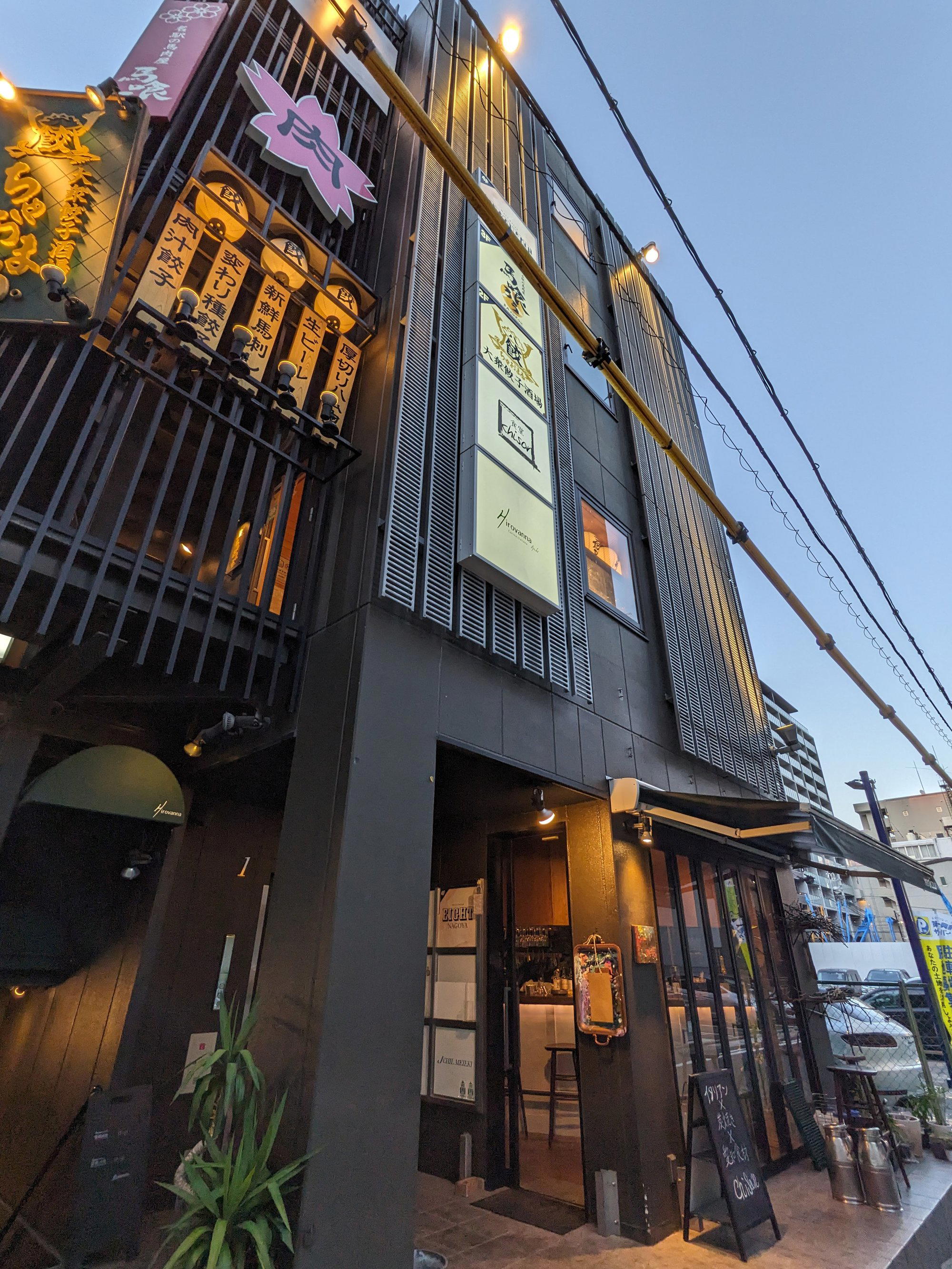
ミオオルト is located at 1 Chome-36-47 Nagono, Nishi Ward, Nagoya. The Nagono area is accessible from central Nagoya by subway or taxi, with the Tsurumai Line's Marunouchi station providing a reasonable walking distance. Because the venue does not maintain a listed phone number or website in public directories, approaching the reservation process requires either a direct walk-in inquiry or a contact through a third-party dining concierge service, both of which are standard routes for smaller independent restaurants in this part of Nagoya. Visitors planning around the venue should build in flexibility, as formats and availability at restaurants of this type typically reward local knowledge and advance planning over spontaneous booking. For a fuller map of what Nagoya's dining scene offers across formats and price points, our full Nagoya restaurants guide provides the broader context.
Frequently asked questions
What should I eat at ミオオルト?
How hard is it to get a table at ミオオルト?
What's the standout thing about ミオオルト?
Can ミオオルト handle vegetarian requests?
Is ミオオルト comparable to other serious independent restaurants operating outside Japan's main dining cities?
Cuisine Context
Comparable venues nearby, for context on price, style, and recognition.
| Venue | Cuisine | Price | Awards | Notes |
|---|---|---|---|---|
| ミオオルトThis venue (the venue you are viewing) | Authentic Italian Regional | $50–100 | Tabelog 100 #67 | Not listed |
| prospero | Modern Italian | $50–100 | Tabelog 100 #46 | Naka |
| Trattoria Tope | Italian Trattoria | $20–30 | Tabelog 100 #24 | Higashi |
| La Violetta | Italian | Not listed | Tabelog 100 #84 | Higashi |
| ガイーナ | Teppanyaki Italian | $50–100 | Not listed | Nakamura |
| ヴィチーノ | Modern Natural Italian | $50–100 | Tabelog 100 #32 | Chikusa |
Recognition history
Dated appearances from independent guides and award organizations, with the underlying list record or original source where available.
Tabelog 100 #67 · No. 67
Tabelog · Tabelog 100 - Italian - EAST - 2025
Continue exploring
More in Nagoya
Details
- Cozy
- Rustic
- Intimate
- Elegant
- Date Night
- Special Occasion
- Historic Building
- Open Kitchen
- Sake Program
- Local Sourcing
- A La Carte
- Wine
Current opening hours
- Monday
- 6–11 PM
- Tuesday
- 6–11 PM
- Wednesday
- 6–11 PM
- Thursday
- 6–11 PM
- Friday
- 6–11 PM
- Saturday
- 6–11 PM
- Sunday
- 6–11 PM
Hours can change for holidays and private events. Hours as of .
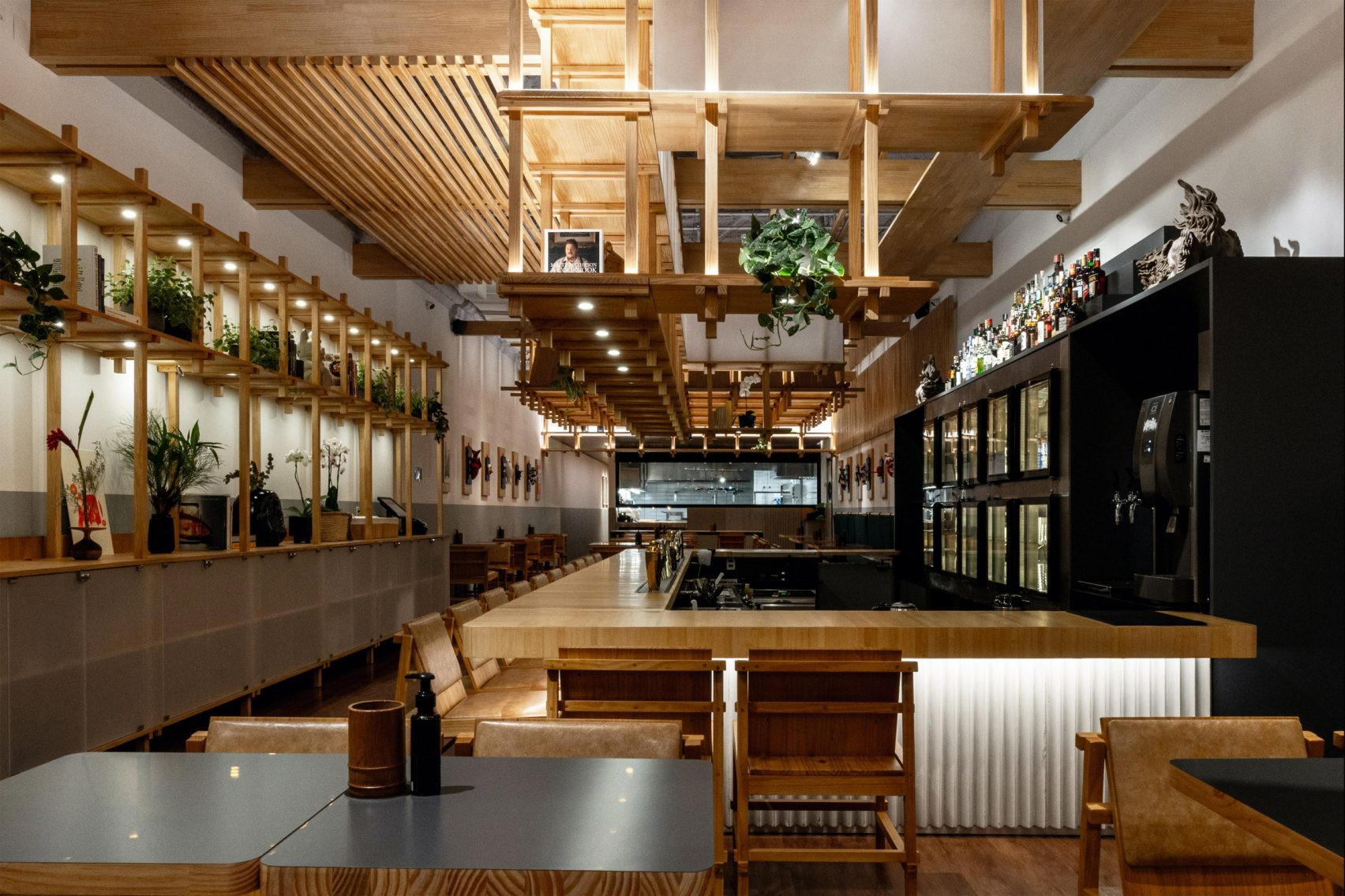
Cozy and intimate atmosphere in a historic renovated warehouse with a quiet, low-profile address feel.