Our verdict
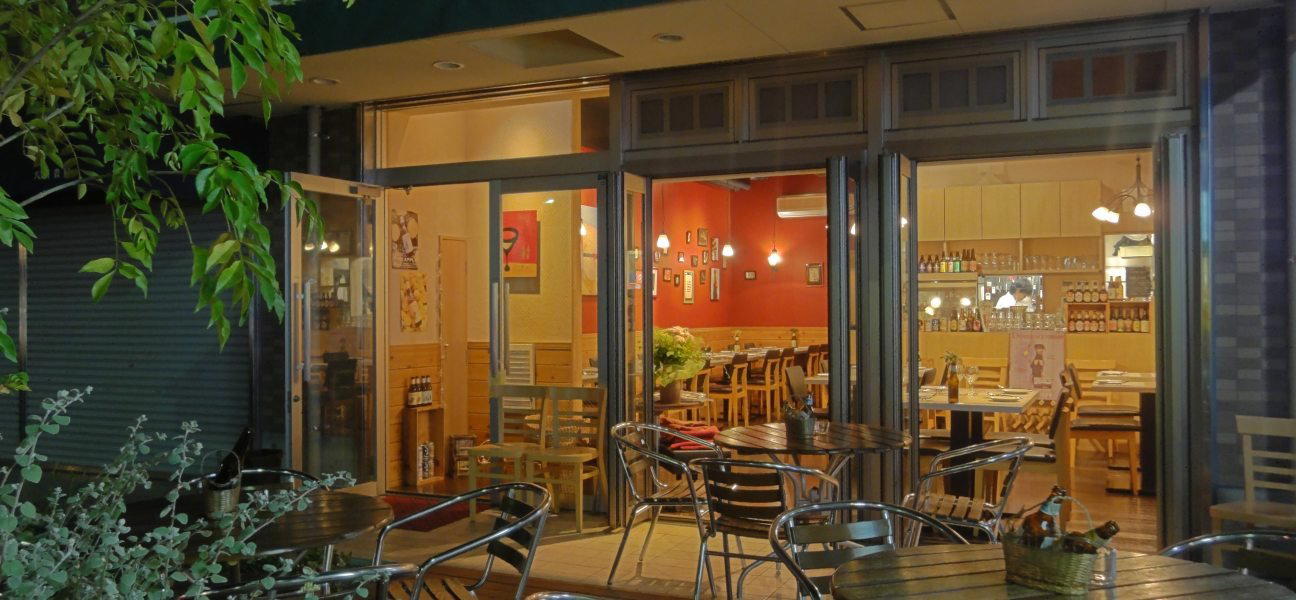
An Italian osteria operating quietly on a Harimayacho side street in Kochi, オステリア ビベール draws a loyal local following rather than tourist traffic. The format sits closer to a neighbourhood trattoria than a destination restaurant, which is precisely what keeps regulars returning. For visitors willing to step outside Kochi's well-mapped dining circuit, it offers a different register entirely.

Pearl is the En Primeur Club membership app — saves, bookings, and concierge access live there. Same editors, same standards.
- Address
- Japan, 〒780-0822 Kochi, Harimayacho, 2 Chome−5−1 フローラはりまや町
- Phone
- +81888556265
- Hours
- Mon 12–2 PM, 6–11 PMTue ClosedWed–Sun 12–2 PM, 6–11 PM
- Directions
- Get directions
The menu
What to order
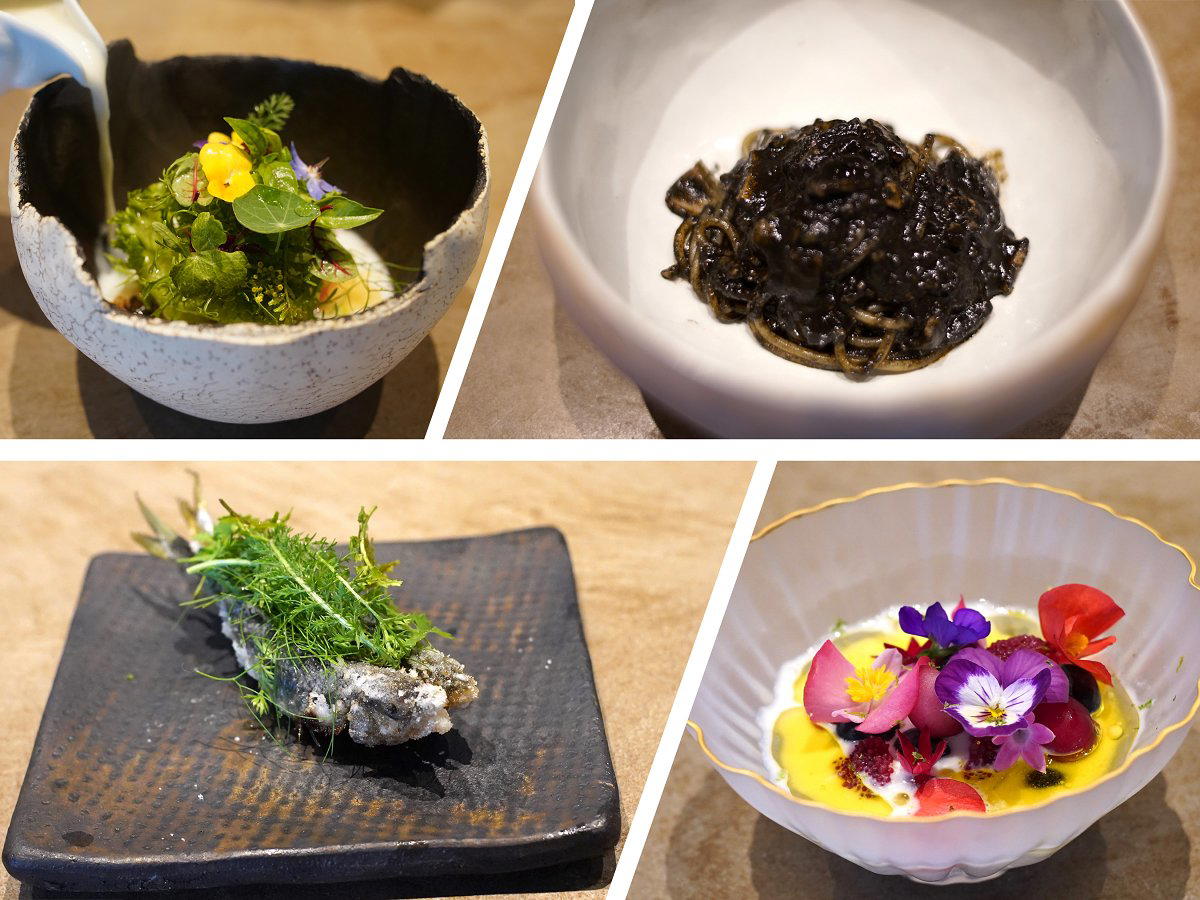
- House-made pasta
- Grilled seafood
What a Kochi Regulars' Table Looks Like
Kochi's dining reputation is built on a specific kind of social ritual: the sawachi feast, the late-night hachikin drinking culture, the communal sprawl of Hirome Market. Against that backdrop, a quietly positioned Italian osteria on a Harimayacho side street reads almost like a counter-argument. オステリア ビベール occupies that role: a place where the regulars arrive not because there is nowhere else to go, but because they have already been everywhere else and decided to stay.
The address, 2-chome in Harimayacho, places the restaurant within easy reach of central Kochi, in a commercial block that sees more commuter foot traffic than tourist maps. That positioning is part of what shapes the clientele. This is not a restaurant that someone stumbles into on a first night in the city. It is the kind of address exchanged between colleagues at the end of a long week, or kept close by the sort of person who prefers a table they recognise over a reservation they campaigned for.
The Italian Register in a Japanese Regional City
Running a European kitchen in a regional Japanese city away from Tokyo, Osaka, or Kyoto involves a different set of pressures than operating in a metropolitan market. In cities like Kochi, where the dining identity is grounded in local seafood, katsuo no tataki, and izakaya formats, an Italian-style establishment has to earn its place on different terms. It cannot rely on neighbourhood density or a cosmopolitan diner base. What it can rely on is consistency and the kind of familiarity that comes from years of the same faces at the same tables.
Across Japan, this phenomenon is well-documented at the higher end: restaurants like akordu in Nara have demonstrated that European fine dining can find a committed audience in smaller Japanese cities, provided the kitchen maintains a clear identity. At the neighbourhood level, the dynamic is different but the logic holds: regulars form around reliability, not spectacle. The osteria format, with its roots in informal Italian hospitality, translates well to that kind of loyalty. It is a format built for repeat visits rather than singular occasions.
For comparison, Kochi's broader Italian and Western dining options include Canvas Restaurant & Pizzeria, which occupies a more casual, pizza-forward position, and Brasserie 三法, which leans toward French brasserie conventions. オステリア ビベール sits in a different tier of that local map: the osteria designation signals something more committed to the Italian table tradition than a pizzeria, and less architecturally formal than a French brasserie.
What Regulars Know That First-Timers Don't
The regulars' perspective at any osteria is shaped less by the printed menu than by accumulated knowledge: which dishes the kitchen executes with particular confidence, when to arrive, how to read the seasonal shifts. In a city the size of Kochi, that knowledge circulates through word of mouth rather than press coverage or award listings. The absence of documented awards or Michelin recognition for オステリア ビベール places it firmly in the category of restaurants that earn their standing through local reputation rather than external validation.
That is a meaningful distinction. In Japan's most decorated dining markets, restaurants like HAJIME in Osaka or Harutaka in Tokyo operate with the weight of institutional recognition behind every service. The pressure and the promise of that recognition shapes how those kitchens work. A neighbourhood osteria in Kochi operates without that apparatus, which can mean more latitude for the kind of incremental, relationship-driven evolution that regulars notice over years rather than seasons.
The Kochi dining scene at large offers its own loyal-local institutions: Kochi Izariya anchors one end of the local commitment spectrum, and MIKI ドゥーブル has built its own following. What オステリア ビベール offers is a quieter version of that same dynamic, filtered through an Italian idiom rather than a Japanese one.
Placing It in the Wider Japanese Restaurant Picture
Japan's regional dining circuit, at the level below the major metropolitan markets, contains some of the country's most interesting restaurants precisely because they operate without the infrastructure of tourism or critical attention. Venues like 一本木仲川製 in Nanao, 湖畔庵 in Takashima, and 庄羽屋 in Nishikawa Machi each illustrate how regional Japanese restaurants build their identities from local specificity rather than national positioning. An Italian osteria in Kochi does not fit neatly into that tradition, but it participates in the same broader logic: a restaurant defined by its community rather than its category.
For context further afield, Gion Sasaki in Kyoto and Goh in Fukuoka demonstrate what local-legend status looks like when it intersects with formal recognition. オステリア ビベール operates well below that visibility threshold, but the underlying mechanism, a restaurant that earns return visits through something other than novelty, is the same.
Getting There and Planning a Visit
The Harimayacho address puts オステリア ビベール within the central commercial district of Kochi, accessible from Harimayabashi tram stop on the Tosa Electric Railway. For visitors using Kochi as a base while exploring Shikoku, the location is practical: close to central accommodation and easily combined with an evening that begins at Hirome Market or along the Obiyamachi arcade. Given the limited publicly available booking information, contacting the restaurant directly through in-person enquiry or a local hotel concierge is the most reliable approach.
For a broader orientation to what Kochi's dining circuit offers across formats and price points, our full Kochi restaurants guide covers the range from market eating to sit-down dining. Internationally, the osteria format at its most refined can be benchmarked against Le Bernardin in New York City for European fine dining ambition, or Atomix in New York City for what tasting-menu commitment looks like at the far end of the spectrum; オステリア ビベール operates at neither of those registers, which is precisely its appeal to the regulars who keep returning.
Also worth noting: 夕付山乃 in Sapporo and Birdland in Sakai illustrate how Japanese regional restaurants with distinct specialisms build loyal local audiences outside the metropolitan dining press. オステリア ビベール's position in Kochi follows a similar pattern at smaller scale.
Frequently asked questions
Where exactly is オステリア ビベール?
オステリア ビベール is located at Japan, 〒780-0822 Kochi, Harimayacho, 2 Chome−5−1 フローラはりまや町, Kochi.
Is オステリア ビベール a good option for visitors to Kochi who want to eat Italian without leaving the city centre?
The Harimayacho address puts the restaurant squarely in Kochi's central commercial district, making it a practical choice for visitors staying near the tram network. Italian-format dining in Shikoku's regional cities is sparse compared to the metropolitan markets, so an osteria at this location fills a gap that visitors from outside the region will notice.
What's the best thing to order at オステリア ビベール?
Because no current menu documentation is published, the clearest route is to ask the kitchen directly what is driving the day's cooking. At a Kochi osteria operating within a city built around seasonal, producer-led ingredients, dishes tied to local sourcing tend to reflect the kitchen's strengths. Regulars consistently find that following the staff's lead on daily specials yields better results than working from a fixed selection.
How far ahead should I plan for オステリア ビベール?
The venue is located in Kochi's central Harimayacho district, accessible via the Harimayabashi tram stop, which places it within reach of both city-centre visitors and those passing through Shikoku. Contacting the venue directly before your travel dates is the practical approach.
What's the standout thing about オステリア ビベール?
Operating a European kitchen in a regional Japanese city outside the Tokyo-Osaka-Kyoto corridor is a specific kind of commitment. Kochi has its own deeply embedded dining culture built around sawachi feasts and local drinking rituals, and an Italian osteria sustaining itself within that context is making a distinct argument about what the city's appetite accommodates. That positioning, rather than any single dish or award, is what marks it out.
Category Peers
Comparable venues nearby, for context on price, style, and recognition.
| Venue | Cuisine | Price | Awards | Notes |
|---|---|---|---|---|
| オステリア ビベールThis venue — the venue you are viewing | Italian Osteria | $20–30 | Not listed | Not listed |
| ラ・プリマヴォルタ | Kochi Local Italian Fine Dining | $100–150 | Tabelog 100 #36 | Harimaya-cho |
| トラットリア リーベロ | Contemporary Italian with Kochi Local Ingredients | $50–100 | Not listed | Otesuji (追手筋) |
| ピーニャ・アルテッツァ | Italian Trattoria | $50–100 | Not listed | Minamino Kawazoe |
| Hirome Market | Kochi Street Food Market with Seared Bonito | $10–20 | Not listed | Obiyamachi |
| やいろ亭 | Kochi Izakaya / Seared Bonito | $10–20 | Tabelog 100 #80 | 帯屋町 |
Details
- Cozy
- Intimate
- Rustic
- Date Night
- Casual Hangout
- Special Occasion
- Open Kitchen
- Sake Program
- A La Carte
- Small Plates
- Wine
- Sake
- Vegetarian Friendly
Current opening hours
- Monday
- 12–2 PM, 6–11 PM
- Tuesday
- Closed
- Wednesday
- 12–2 PM, 6–11 PM
- Thursday
- 12–2 PM, 6–11 PM
- Friday
- 12–2 PM, 6–11 PM
- Saturday
- 12–2 PM, 6–11 PM
- Sunday
- 12–2 PM, 6–11 PM
Hours can change for holidays and private events. Last verified .
Warm and cozy with soft lighting, wooden accents, and a welcoming neighborhood feel.