
Imadoki Yasubee belongs to Kochi’s low-cost, high-turnover dumpling-and-izakaya culture rather than the city’s formal dining tier. Its Tabelog 100 - Dumplings - 2024 selection, 35-seat scale, counter seating, take-out service, and cash-only payment profile make it a precise read on how casual gyoza culture operates in Harimayacho.
Pearl is the En Primeur Club membership app — saves, bookings, and concierge access live there. Same editors, same standards.
- Address
- 2 Chome-7-6 Harimayacho, Kochi, 780-0822, Japan
- Phone
- +81 88-885-7762
- Website
- mfc-group.jp
 Saves & bookings on Pearl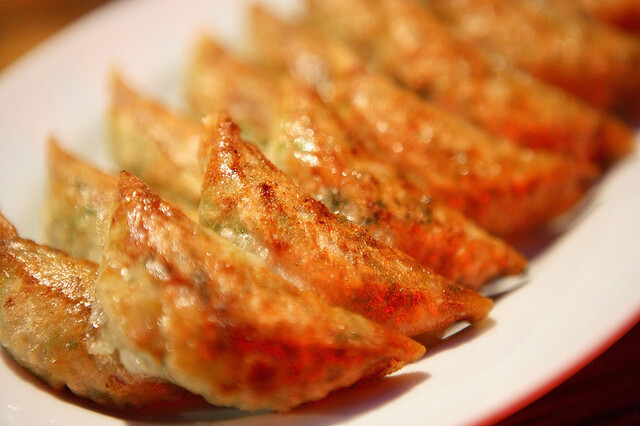
Harimayacho’s evening rhythm suits food that moves fast: tram stops, narrow streets, drinkers cutting between taverns, and small counters built for short decisions rather than ceremony. In Kochi, that matters. The city’s eating culture has a strong communal streak, but its serious casual addresses often work through compression: compact rooms, clipped menus, local drinking habits, and prices that keep the door moving. Imadoki Yasubee fits that pattern through dumplings and izakaya service, a category where sourcing is less about luxury ingredients than repetition, heat, turnover, and a supply chain tuned to volume.
Japan’s gyoza culture has always rewarded places that understand logistics. A dumpling shop lives or fails on wrapper condition, filling consistency, pan timing, and the ability to serve a round before the table’s first drinks are gone. Kochi adds its own pressure: the city is not Tokyo, where scarcity can become the point, and not Kyoto, where refinement often gets framed as heritage. Here, value and conviviality carry more weight. A Tabelog 100 - Dumplings - 2024 selection puts this address inside a national dumpling conversation, but the more useful reading is local: this is casual Kochi cooking judged seriously by a platform that separates specialist categories from general dining noise.
Gyoza as Kochi after-work food, not formal dining theatre
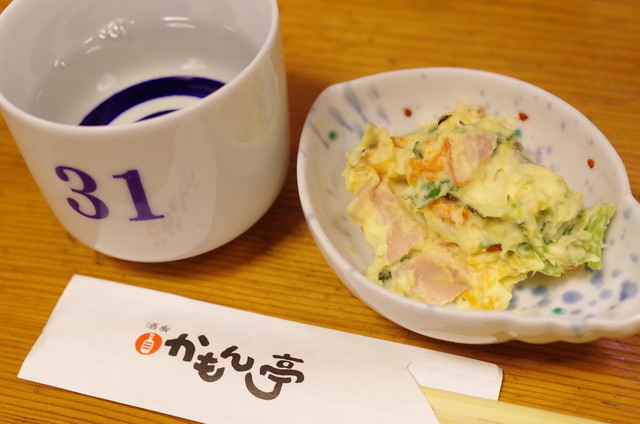
The important comparison is not a tasting-menu restaurant. Kochi has higher-spend dining in its orbit, including Kamon Tei, where listed dinner spend sits in a far higher bracket, and European-leaning rooms such as Brasserie 一柳. Dumplings operate by a different code. The price band here keeps the decision casual, while the izakaya category signals a meal that can stretch or stop quickly depending on the table. Counter seating sharpens that economy: it narrows the distance between cooking and eating, and it makes pace part of the format.
Ingredient sourcing, in this context, is judged by utility rather than display. Dumpling houses need ingredients that behave predictably under direct heat and repeated production. The filling has to hold, the wrapper has to survive the pan, and the drinks list has to support salt, fat, and browned edges without becoming the point of the evening. Sake, shochu, and wine are listed, which places the room closer to an izakaya than a single-product snack counter. That distinction matters for travellers: the meal is not just a plate of dumplings grabbed between plans, but a small drinking format built around them.
The Tabelog score of 3.66 is also worth reading in Japanese context. On Tabelog, scores in the mid-threes can reflect meaningful traction, especially in specialist casual categories where review culture is stricter than tourist-facing star systems. The 2024 Tabelog 100 dumpling selection supplies the clearer trust signal. It says the shop is being assessed among dumpling specialists, not padded by ambience, hotel service, or imported prestige cues.
Harimayacho rewards compact rooms with a clear job
Harimayacho sits in the practical heart of Kochi dining, where places often have to serve workers, families, friends, and late-evening drinkers without changing identity for each group. A 35-seat room is large enough to avoid the preciousness of a tiny counter, but small enough that the cooking rhythm remains visible. Take-out service extends that rhythm into the street, another reminder that gyoza in Japan moves between meal, snack, and drinking companion depending on hour and company.
The address is also a useful counterpoint to Kochi’s broader dining spread. Travellers building a city itinerary might use Our full Kochi restaurants guide for the restaurant map, then compare casual dinner energy against places such as Canvas Restaurant & Pizzeria, Cock Doll, Donko, and Hirome de Yasubee. The point is not to rank them against one another, but to understand Kochi’s range: tavern food, casual specialist cooking, Western formats, and market-adjacent drinking all coexist in a city where the evening often starts earlier and less formally than in Japan’s larger dining capitals.
That informality has practical consequences. Reservations are unavailable, so this is a timing decision rather than a concierge problem. Tuesday closure and evening-only service shape the week, while the no-parking listing and proximity to Hasuikemachi Dori station make public transport or walking the more sensible approach. Credit cards, electronic money, and QR payments are not accepted, which keeps the transaction style as old-school as the format. Children are welcome, and the listed occasions lean toward family and friends rather than business dining.
How to place it inside a wider Kochi itinerary
For a visitor, the editorial case is strongest when the meal is treated as a read on Kochi’s casual food mechanics. This is where a specialist dumpling selection, low spend, and izakaya drinks create a sharper cultural signal than a polished room with a longer bill. It works before or after a wider night in central Kochi, especially for travellers who want one meal that explains how local after-work eating can be serious without becoming formal.
The surrounding itinerary can widen beyond restaurants. Our full Kochi hotels guide helps anchor the overnight decision, while Our full Kochi bars guide, Our full Kochi wineries guide, and Our full Kochi experiences guide round out the city beyond dinner. Readers planning broader Japan food travel can also compare category-driven casual dining with -Grilled beef Sukiyaki- KAMAKURA TANUKIAN 鎌倉 たぬき庵 in Kamakura,. 鮪と炭火焼き うお炭 秋葉原店 in Tokyo,.cafe in Osaka,.know in Kumamoto, (Shoku) Vietnam in Kawasaki, and [Curry Senmon Ten] Maruyama Kyoju. in Sapporo. For a trans-Pacific contrast in compact, drink-friendly Japanese formats, Jōdo Saké Bar in Los Angeles and Onigiri Time in Pasadena show how Japanese casual grammar changes once it leaves Japan.
How It Stacks Up
Comparable venues by cuisine and price in the same metro.
| Venue | Cuisine | Price | Awards | Notes |
|---|---|---|---|---|
| Imadoki YasubeeThis venue — the venue you are viewing | Gyoza-focused Japanese izakaya | $ | , | |
| Hirome de Yasubee | Kochi yatai gyoza & Japanese snack bar | $ | , | Obiyamachi / Hirome Market |
| Kamon Tei | Traditional Japanese Izakaya & Seafood | $$ | , | / |
| Tanaka-sengyoten Ryoshigoya | Traditional Japanese Seafood | $$ | , | Taisho-machi market |
| Myojinmaru (明神丸) | Straw-Fire Grilled Bonito Izakaya | $$ | , | 本町 |
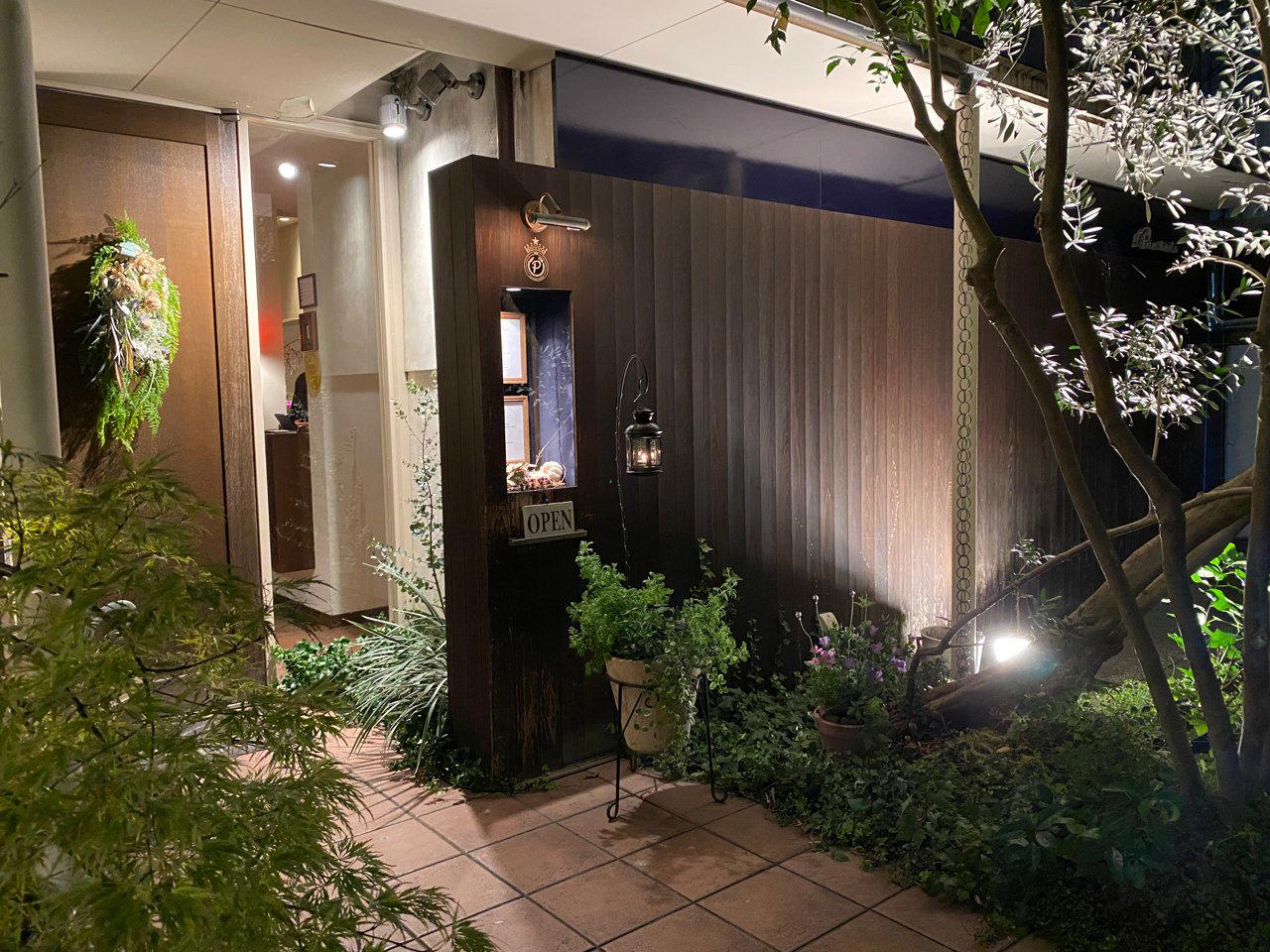
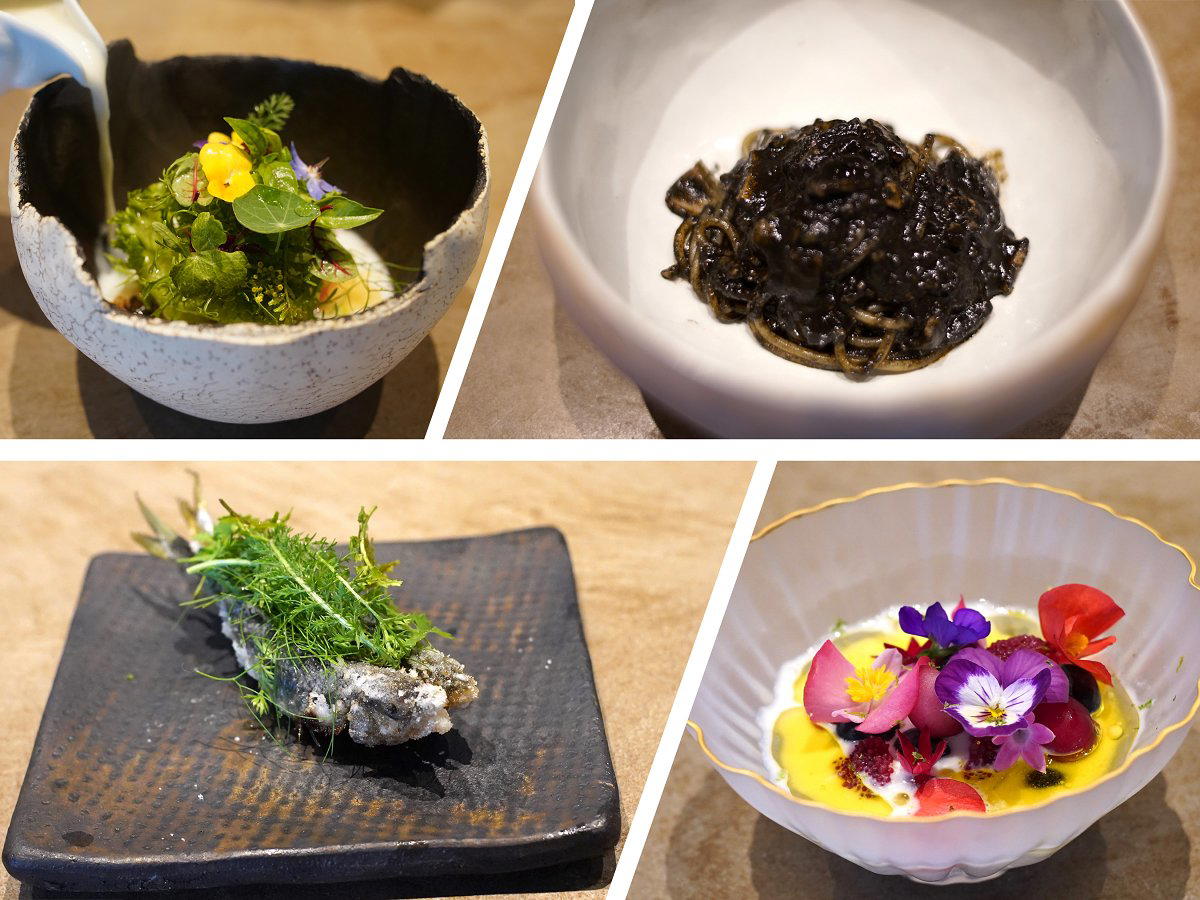
| Brasserie 一柳 | Seasonal Kaiseki | $$$ | , | Katsurahama |

At a Glance
- Lively
- Cozy
- Classic
- Hidden Gem
- Energetic
- Casual Hangout
- After Work
- Group Dining
- Late Night
- Solo
- Standalone
- Beer Program
Bustling, beer‑friendly izakaya atmosphere with the feel of an old street‑stall gyoza joint: close tables, informal service, and a lively crowd focused on dumplings and drinks.