
Tabelog Bronze #196
Our verdict
A kaiseki counter in Nagoya's Higashi Ward, Kojitsu earned a Tabelog Award 2026 Bronze and a place in the Tabelog Japanese Cuisine EAST Top 100 within two years of opening. The eight-seat omakase format runs on seasonal 'shun' principles, with lunch courses from JPY 8,800 and dinner from JPY 16,500. Private room availability makes it a reliable choice for business entertaining.

Pearl is the En Primeur Club membership app, where members save venues, book tables and use the concierge.
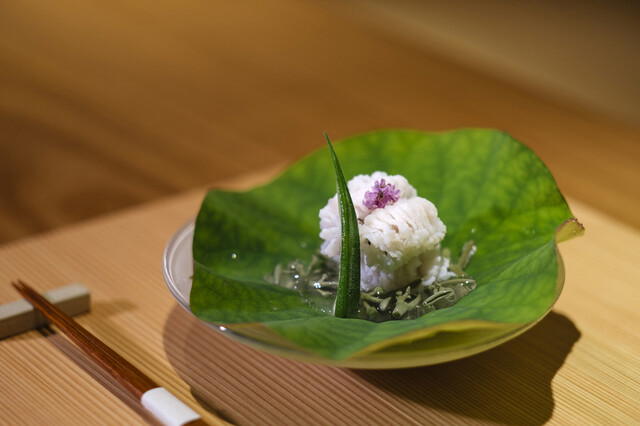
A Counter in the Residential Margin
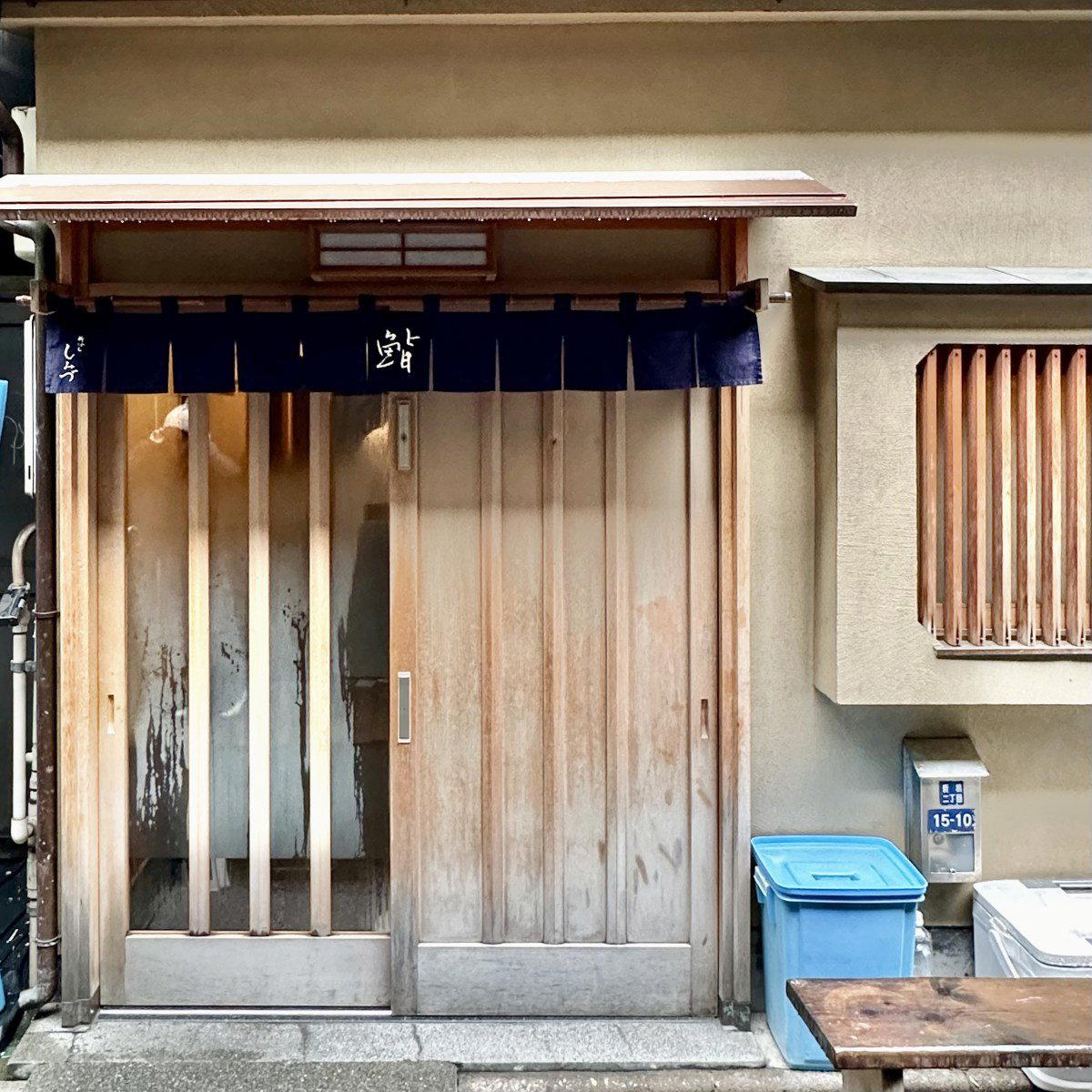
Nagoya's kaiseki scene has quietly developed an alternative geography to its Sakae and Nishiki core. A number of the city's more focused Japanese cuisine restaurants have established themselves in residential wards, occupying ground-floor spaces in apartment buildings or quiet side streets where the surroundings reinforce rather than compete with the dining experience. Kojitsu, in Higashi Ward's Higashiozonecho, sits precisely in this tradition. The address, ground floor of a residential mansion building, six minutes on foot from Ozone Station, signals the format before you arrive: small, reservation-only, oriented entirely around the meal rather than the foot-traffic economics of a busier district.
That physical remove is not incidental. Kaiseki in Japan has long been associated with spaces that slow the guest down, that require a degree of intention to reach. The walk from Ozone Station, accessible via the Meijo Line, the Meitetsu Seto Line, or the JR Chuo Main Line, functions as a kind of threshold. By the time guests take their seats at the eight-seat counter, the city has receded. The counter format itself, with a maximum party size of eight, means every service is a single, coherent event rather than a rotating floor. That constraint is the point.
What Kaiseki's Seasonal Logic Means in Practice
The concept of shun, the precise seasonal peak of an ingredient, is central to how kaiseki is understood in Japan, and it shapes the omakase format at counters like Kojitsu in ways that make menu-planning conversations with guests both necessary and, by design, limited. The course menu is built around whatever is at seasonal peak, which means requests based on dislikes or ingredient avoidances can only be partially accommodated. Severe allergies fall outside what the kitchen can reliably address. This is not an unusual position for a kaiseki counter operating at this level; it reflects the structural logic of a cuisine that treats seasonal availability as the organising principle rather than as one variable among many.
That orientation toward fish, noted explicitly in the venue's food philosophy, places Kojitsu in a lineage of Japanese cuisine restaurants that anchor their seasonal progression in seafood, tracking the year through the movement of species across their peak periods. Spring brings its own catches; autumn and winter, theirs. Sake selection at this tier of kaiseki counter is typically approached with similar seriousness, and Kojitsu's particular emphasis on nihonshu (sake) alongside shochu and wine reflects the expectation that the beverage program should respond to the same seasonal and ingredient logic as the food. A first drink order is required at both lunch and dinner services, which effectively integrates the beverage into the meal from the outset rather than treating it as optional.
Comparable seasonal omakase counters across Japan, Gion Sasaki in Kyoto, Harutaka in Tokyo, Goh in Fukuoka, operate within the same seasonal constraint, treating the inability to fully customise as a feature of the format rather than a limitation. What distinguishes counters within this tier is typically the sourcing logic, the beverage program's depth, and the spatial quality of the experience. At eight seats, Kojitsu operates in the smaller cohort of that format.
Recognition Within Two Years
Kojitsu opened in July 2023. By 2025 it had been selected for the Tabelog Japanese Cuisine EAST Top 100, a peer-reviewed ranking that covers Japanese cuisine restaurants across eastern Japan and carries meaningful weight among Japanese dining audiences. The 2026 Tabelog Award added a Bronze designation, with a score of 4.13. That trajectory, from opening to double recognition inside twenty-four months, reflects either strong consistent execution or a pre-existing reputation that transferred to a new address. Without further biographical data in the record, the more conservative reading is the former: the format, the sourcing approach, and the seasonal discipline have produced a consistent experience that has registered clearly in Tabelog's review ecosystem.
Within Nagoya's Japanese cuisine scene, that recognition places Kojitsu in a comparable tier to Kyoaji Motoi and Oryori Hisamatsu, two other Tabelog-recognised Japanese cuisine restaurants in the city. The city also supports strong adjacent traditions, Hachisen represents the Kyoto cuisine strand, while Cucina Italiana Gallura and French Ryori Kochuten demonstrate how seriously Nagoya takes European formats alongside its Japanese ones. Kojitsu's recognition situates it firmly in the Japanese cuisine core of that ecosystem.
Nationally, the Tabelog Top 100 selection places it in a conversation with recognised Japanese cuisine counters across the country, including HAJIME in Osaka, akordu in Nara, 1000 in Yokohama, Mitsuyasu in Kyoto, and Beppu Hirokado in Oita, though the formats and cuisine categories vary across that group.
The Business Occasion Dynamic
Tabelog's own reviewer-generated occasion data marks Kojitsu as particularly recommended for business entertaining, a designation that reflects something real about how the restaurant functions within the city's professional culture. Nagoya is Japan's third-largest metropolitan economy, with a manufacturing and corporate density that generates significant demand for high-quality private dining. The availability of a private room for up to four guests, alongside private use of the full space for up to twenty people, positions Kojitsu as a credible option for that segment without compromising the counter format that defines the primary experience.
The cancellation and conduct policies, two days' advance notice required, same-day cancellations charged at 100% of the course fee, reservations non-transferable, strong fragrances discouraged, reflect the norms of a tightly managed small counter where no-shows and last-minute changes have a disproportionate operational impact. These are standard at this tier of kaiseki, and experienced guests will recognise them immediately. First-timers should read the reservation terms carefully before booking.
Planning Your Visit
Kojitsu operates on a reservation-only basis, reachable by phone at +81-52-908-3227. Lunch service begins at 12:00, with the omakase course priced at JPY 8,800; dinner begins at 18:30, with the omakase course at JPY 16,500 plus a 10% service charge. Review-based averages suggest actual spend typically lands in the JPY 8,000–9,999 range at lunch and JPY 15,000–19,999 range at dinner, indicating the listed course prices represent the floor rather than the ceiling of the full experience once drinks are factored in. Lunch payments are cash only; dinner accepts credit cards. Closing days are not fixed, so confirming availability at the time of booking is advisable.
The venue is a six-minute walk from Ozone Station, served by three lines: the Meijo subway line, the Meitetsu Seto Line, and the JR Chuo Main Line. No parking is available on-site, though coin parking can be found nearby. The space is non-smoking throughout. For those building a broader Nagoya itinerary, EP Club's guides to Nagoya restaurants, Nagoya hotels, Nagoya bars, Nagoya wineries, and Nagoya experiences provide additional context across the city's hospitality range.
What Should I Eat at Kojitsu?
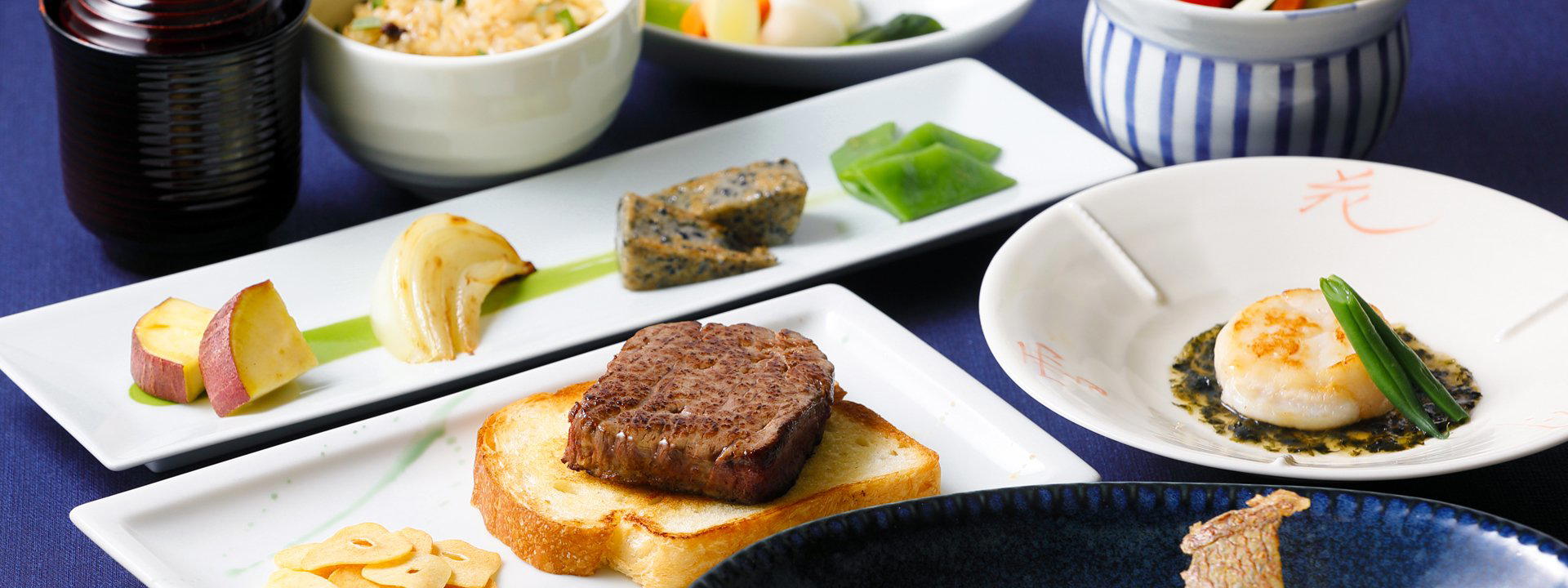
Kojitsu runs a single omakase course at both lunch and dinner, structured around seasonal shun ingredients with a particular emphasis on fish. There is no à la carte selection. The menu changes with the season, so the specific dishes on any given visit depend entirely on what is at peak at that time of year, autumn and winter services will differ substantially from spring and summer ones. The kitchen's noted attention to nihonshu means pairing the course with sake is the most coherent approach to the meal. Guests with allergies or strong ingredient dislikes should communicate these clearly at the time of reservation, understanding that the seasonal and ingredient-driven format limits how fully such requests can be accommodated. The format is closest in spirit to a traditional kaiseki counter; guests familiar with that structure at venues like Gion Sasaki or Mitsuyasu will find the cadence recognisable.
Frequently asked questions
What's the pricing like at Kojitsu?
Pricing at Kojitsu is listed as JPY 20,000 - JPY 29,999 JPY 10,000 - JPY 14,999.
Peers in This Market
Comparable venues nearby, for context on price, style, and recognition.
| Venue | Cuisine | Price | Awards | Notes |
|---|---|---|---|---|
| KojitsuThis venue (the venue you are viewing) | Seasonal Kaiseki | $100–150 | Tabelog Bronze #196 | Not listed |
| Hama Gen | Edomae Omakase Sushi | $300–500 | Tabelog Bronze #94 | Shōwa |
| Ueda | Michelin 3-Star Sushi | $200–300 | Tabelog Bronze #495 | Nakagawa |
| Sushi Daisaku | Seasonal Edomae Sushi Omakase | $150–200 | Tabelog 100 #69 | Naka |
| か茂免 | Traditional Japanese Kaiseki & Fugu | $150–200 | Not listed | Higashi |
| Setsugekka Nagoya | Premium Wagyu Niku Kappo | Not listed | Not listed | Nakamura |
Recognition history
Dated appearances from independent guides and award organizations, with the underlying list record or original source where available.
Tabelog Bronze #196
Tabelog
Full recognition history (2 entries)
Tabelog 100 #30 · No. 30
Tabelog · Tabelog 100 - Japanese cuisine - EAST - 2025
Continue exploring
More in Nagoya
Restaurants in Nagoya
All restaurants in Nagoya →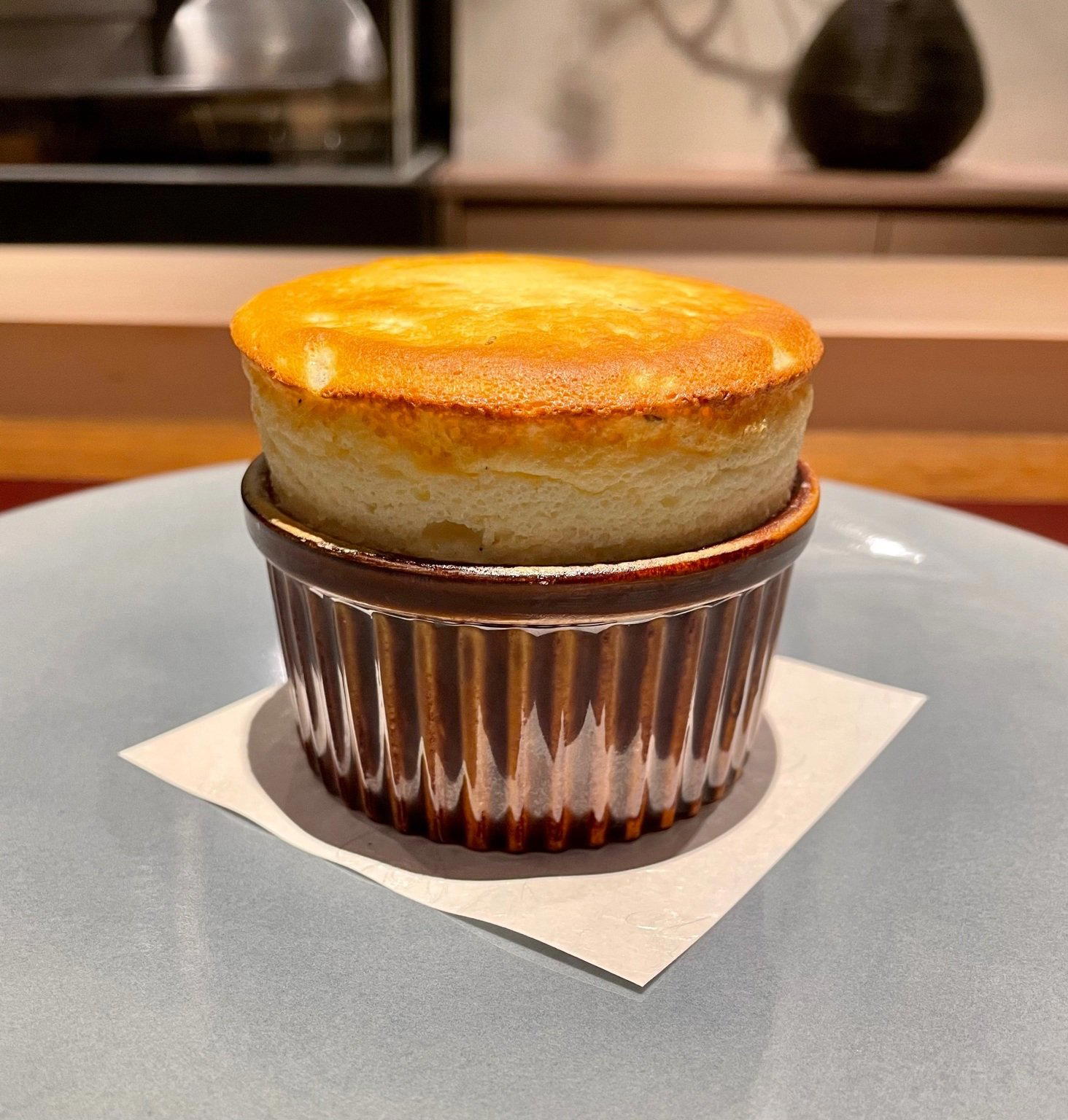
Details
- Elegant
- Intimate
- Sophisticated
- Special Occasion
- Sake Program
- Local Sourcing
- Omakase
- Sake
Current opening hours
- Monday
- 12–2 PM, 6:30–9:30 PM
- Tuesday
- 12–2 PM, 6:30–9:30 PM
- Wednesday
- 12–2 PM, 6:30–9:30 PM
- Thursday
- 12–2 PM, 6:30–9:30 PM
- Friday
- 12–2 PM, 6:30–9:30 PM
- Saturday
- 12–2 PM, 6:30–9:30 PM
- Sunday
- 12–2 PM, 6:30–9:30 PM
Hours can change for holidays and private events. Hours as of .
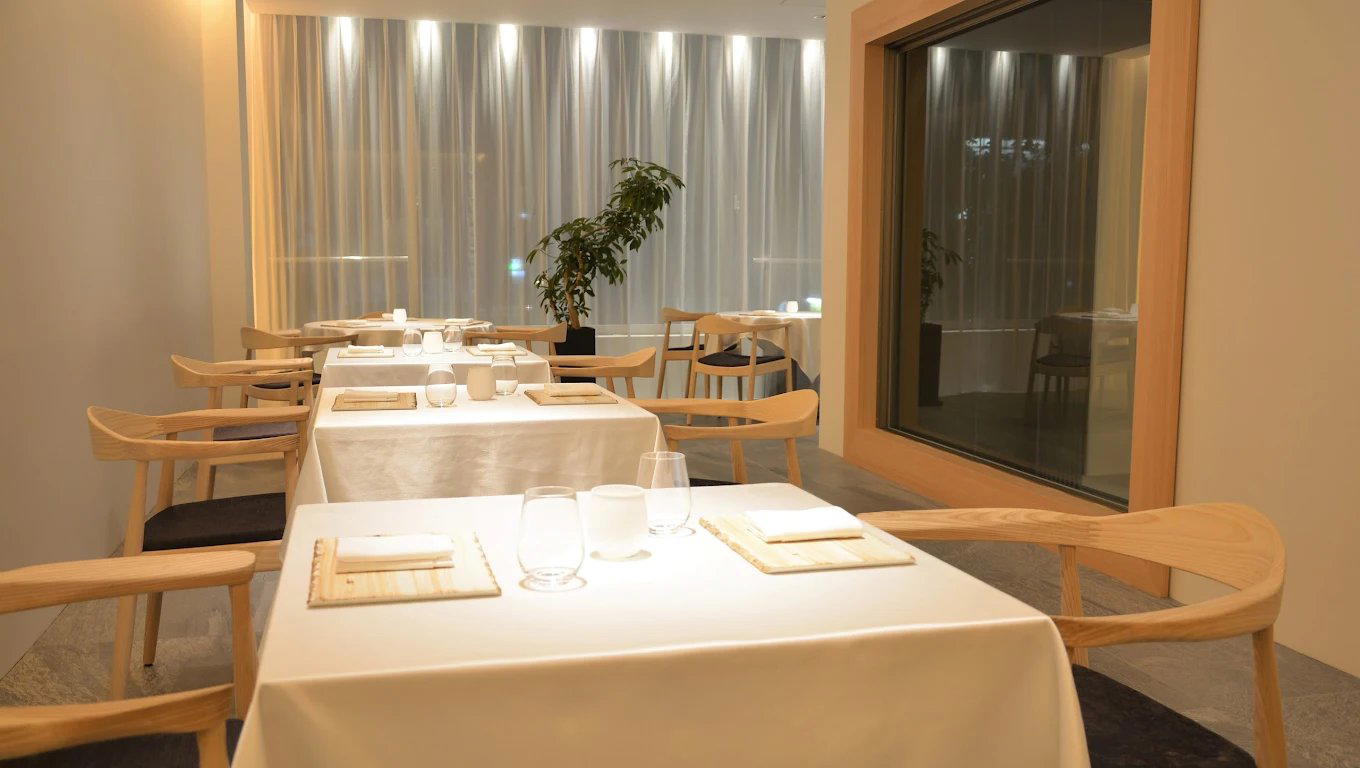
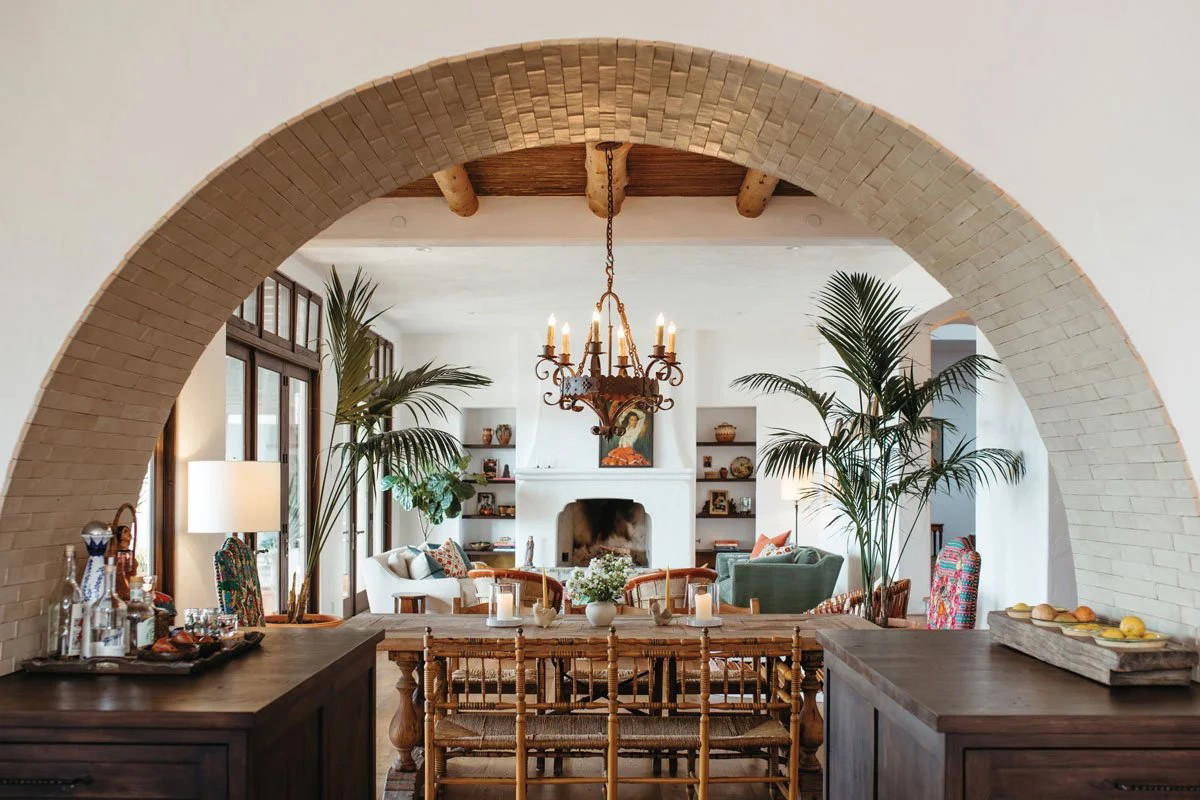
Elegant and tranquil interior with 8 counter seats in a refined, stylish space.