
Tabelog 100 #57
Our verdict
In Tsubame, Niigata — a city defined by its metalwork heritage and proximity to the Echigo agricultural belt — 日本料理 魚幸 occupies a quiet address in the Yonozu district. The restaurant operates within a regional dining tradition where ingredient provenance and seasonal discipline carry more weight than spectacle. For visitors planning around Niigata's food culture, it belongs on the itinerary alongside the prefecture's sake and rice traditions.

Pearl is the En Primeur Club membership app — saves, bookings, and concierge access live there. Same editors, same standards.
- Address
- 3216 Yonozu, Tsubame, Niigata 959-0206, Japan
- Phone
- +81256932657
- Website
- restaurant.ikyu.com
- Directions
- Get directions
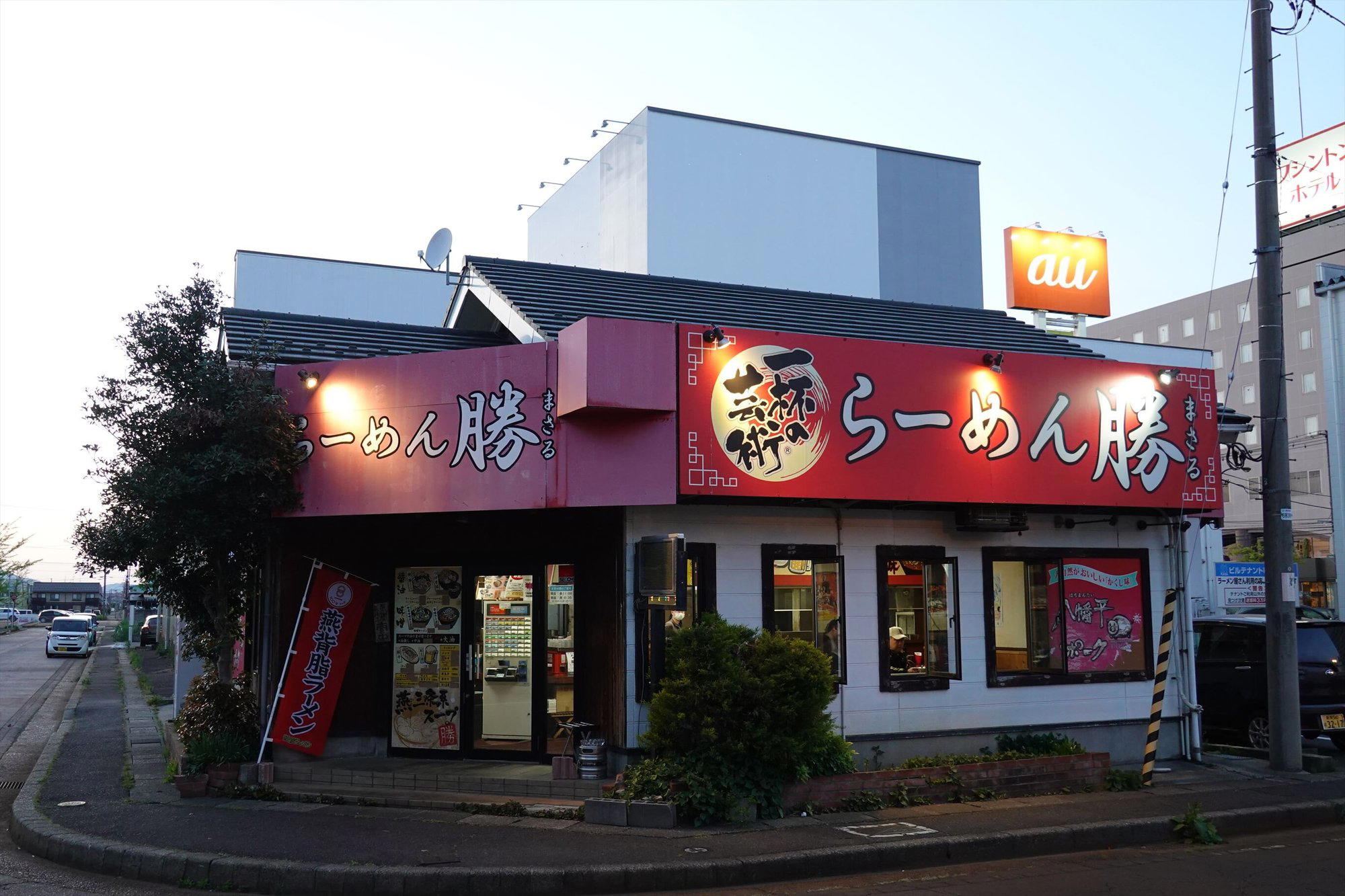
Tsubame's Dining Context: Where Agriculture Meets Craft
Tsubame is leading known internationally for its cutlery and metalwork manufacturing, but the city sits inside one of Japan's most consequential food-producing regions. Niigata Prefecture grows what many Japanese consumers consider the country's finest short-grain rice, and the Echigo plain that surrounds Tsubame feeds a local restaurant culture with direct access to produce, river fish, and coastal seafood from the Sea of Japan. That agricultural proximity shapes how restaurants in this area operate: sourcing is not a marketing angle here, it is the baseline expectation. Venues that do not reflect the quality of what grows nearby tend not to hold local loyalty for long. For a broader picture of where 日本料理 魚幸 fits within the city's dining options, see our full Tsubame restaurants guide.
The Yonozu Address and What It Signals
The restaurant sits at 3216 Yonozu, a district address that places it away from Tsubame's commercial centre and closer to the quieter residential and semi-rural fabric of the city's outskirts. In Japanese dining culture, this kind of location carries a specific signal. Destination restaurants in secondary cities — those that draw guests specifically to eat rather than catching passing trade — tend to occupy exactly these kinds of addresses. The journey out to Yonozu is part of the framing: the setting tells you before you walk in that the food, not the foot traffic, is the operating logic. This positioning is common among regional Japanese restaurants that prioritise ingredient-led cooking over visibility, in the same way that rural French auberges built their reputations around proximity to their own larders rather than proximity to cities.
Japan's regional dining scene has matured considerably over the past decade, with serious practitioners operating at distance from Tokyo and Osaka's recognised circuits. Restaurants like affetto akita in Akita and Ajidocoro in Yubari District demonstrate that prefectural depth has real culinary weight, and Niigata's food culture fits the same pattern.
Ingredient Sourcing in Niigata: The Regional Logic
Understanding what 日本料理 魚幸 likely draws on requires understanding what Niigata produces. The prefecture's Koshihikari rice is grown in conditions, snowmelt-fed irrigation, wide temperature swings between day and night, that produce a grain with higher sweetness and lower moisture content than most other growing regions. The Shinano River, which meets the Sea of Japan near Niigata City, supports iwana, yamame, and other river fish that appear on regional menus as a matter of seasonal course. The Sea of Japan coastline delivers snow crab in winter, yellowtail during the cold months, and a rotation of shellfish and white fish through spring and autumn. A restaurant named 魚幸, the characters meaning fish and good fortune or contentment, positions itself squarely within this seafood-centred tradition.
This ingredient sourcing logic mirrors what distinguishes the most thoughtful regional Japanese restaurants nationally. Aji Arai in Oita and Akakichi in Imabari both operate on the same principle: the region's waters and land define the menu's structure, and the kitchen's role is to express rather than override that seasonal logic. At a higher tier nationally, Gion Sasaki in Kyoto and Goh in Fukuoka show how rigorous ingredient discipline translates into critical recognition, though they operate in significantly different competitive environments than a Tsubame address implies.
Regional Japanese Dining and the Question of Scale
Japan's fine dining tier has always been distributed across the country in ways that other national restaurant cultures are not. Cities like Tsubame are not afterthoughts on the map, they are part of a broader network where culinary seriousness shows up in proportion to the quality of what the surrounding land and water produce. The Niigata model, built on rice, sake, and Sea of Japan seafood, has supported this kind of regional depth for generations. Restaurants in this environment compete with local expectations as much as with peer establishments, and those expectations are often more demanding than external audiences assume.
At the more formally recognised end of the Japanese restaurant spectrum, venues like HAJIME in Osaka, Harutaka in Tokyo, and akordu in Nara carry verified award credentials that place them in assessable competitive tiers. 日本料理 魚幸 operates without that publicly available recognition data, which makes peer-set positioning difficult to confirm. What the address and naming convention suggest is a restaurant oriented toward traditional Japanese fish cookery in a region with the raw material to support it seriously. For international reference points in sourcing-focused cooking, Le Bernardin in New York City and Lazy Bear in San Francisco show how ingredient provenance can anchor an entire restaurant's identity at the highest recognition levels, even if the format and cultural context differ substantially from a Niigata Japanese restaurant.
Planning a Visit to Yonozu
Tsubame is accessible via the Hokuriku Shinkansen to Tsubame-Sanjo Station, with the Yonozu district requiring onward transport, local taxi or rental car is the practical route, as public connections to this address are limited. Visitors combining 日本料理 魚幸 with broader Niigata food travel might structure their itinerary around Niigata City's sake breweries and the prefecture's fish markets before arriving in Tsubame. Given the absence of published booking, hours, and pricing information in the available record, direct contact with the restaurant before arrival is advisable, particularly for visitors travelling from outside the region. Restaurants at this address type in Japan frequently operate on set hours with fixed seatings rather than continuous service, and reservation-only formats are common. Checking locally or through a Japanese-language hotel concierge in Niigata will produce more reliable logistics than online research alone.
For other regional Japanese restaurants operating in less-trafficked prefectures with strong local sourcing traditions, Amaki in Aichi, Amegen in Saga, Abon in Ashiya, anchoa in Kanagawa, Arakawa in Hyogo, and aki nagao in Sapporo all represent comparable regional formats worth considering as part of a deeper Japan itinerary.
Frequently asked questions
Is 日本料理 魚幸 child-friendly?
Traditional Japanese ryori restaurants at the Yonozu address level tend to maintain a quieter, formal register that suits adults and older children more naturally than young ones. check the venue's official channels before visiting with children, as seating arrangements and course formats in this style of dining are typically designed around adult guests. No specific child policy is documented for 魚幸.
Where do I go for æ¥æ¬æç é幸?
æ¥æ¬æç é幸 is located at 3216 Yonozu, Tsubame, Niigata 959-0206, Japan, Tsubame.
Can I walk in to æ¥æ¬æç é幸?
Reservations are recommended for æ¥æ¬æç é幸 in Tsubame. Confirm current policy via the venue's official channels.
What kind of setting is 日本料理 魚幸?
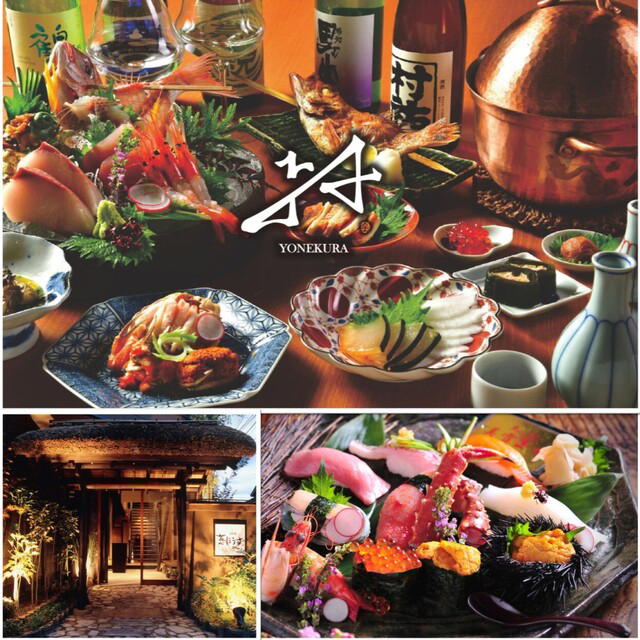
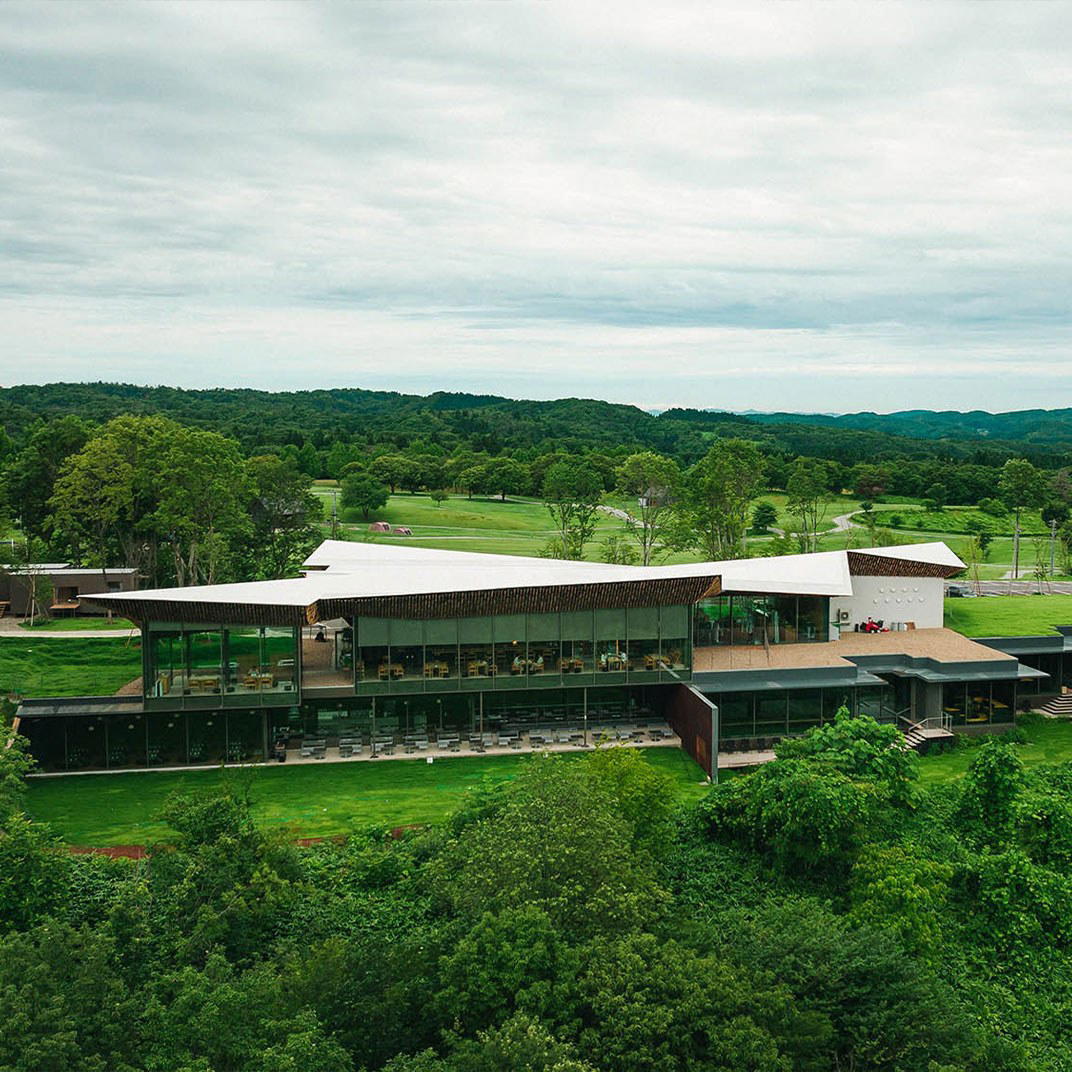
The restaurant sits at 3216 Yonozu, away from Tsubame's commercial centre in a quieter residential district — a location pattern common among destination-oriented Japanese ryori restaurants that prioritise atmosphere over foot traffic. Expect a setting calibrated to the traditions of washoku dining rather than a casual neighbourhood meal. The Yonozu address places it closer to the agricultural and craft heritage of the Niigata region than to any urban dining strip.
At-a-Glance Comparison
| Venue | Cuisine | Price | Awards | Notes |
|---|---|---|---|---|
| æ¥æ¬æç é幸This venue — the venue you are viewing | Traditional Japanese Kaiseki | $100–150 | Tabelog 100 #57 | Not listed |
| HAJIME | Avant-Garde Japanese Fine Dining | $300–500 | 3 Michelin Stars · World's 50 Best #83 | French, Innovative |
| Harutaka | Edo-Style Omakase Sushi | $200–300 | 3 Michelin Stars · World's 50 Best #76 | Sushi |
| L'Effervescence | Modern French with Japanese Influences | $200–300 | 3 Michelin Stars · World's 50 Best #69 | French |
| RyuGin | Modern Kaiseki | $500+ | 3 Michelin Stars · World's 50 Best #41 | Kaiseki, Japanese |
| Crony | Modern French with Japanese Influences | $150–200 | 2 Michelin Stars · World's 50 Best #34 | Innovative, French |
Recognition history
Dated appearances from independent guides and award organizations, with the underlying list record or original source where available.
Tabelog 100 #57 · No. 57
Tabelog · Tabelog 100 - Japanese cuisine - EAST - 2025

Details
- Elegant
- Intimate
- Sophisticated
- Special Occasion
- Date Night
- Business Dinner
- Sake Program
- Tasting Menu
- Set Menu
- Sake
- Vegetarian Friendly
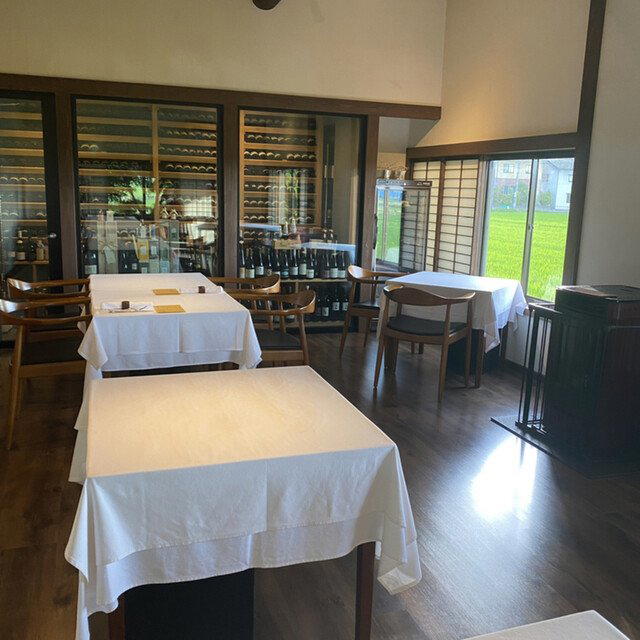
Intimate and refined with soft lighting and traditional Japanese aesthetics creating a serene dining atmosphere.