라면편의점
Our verdict
라면편의점 sits in Jongno-gu, one of Seoul's most historically layered districts, where convenience-format ramen occupies a different tier from the city's fine-dining circuit. Compared to the tasting-menu rooms along Cheongdam or Bukchon, this address positions itself as an everyday counter rather than a destination occasion — a counterpoint worth understanding before booking elsewhere in the capital.

Pearl is the En Primeur Club membership app — saves, bookings, and concierge access live there. Same editors, same standards.
- Address
- 종로구 돈화문로 11, 종로1.2.3.4가동, 종로구, 서울특별시, 03192
- Directions
- Get directions
The menu
What to order
- Shin Ramyun Stir-fried Noodles
- Cheese Buldak Fried Noodles
- Chapagetti
Jongno's Ramen Counter in Context
Seoul's dining identity is rarely monolithic. The city that hosts Mingles, Jungsik, and Soigné at the top of its contemporary Korean circuit also sustains a parallel economy of fast, affordable, counter-style eating that draws just as much foot traffic on any given evening. 라면편의점 — which translates roughly as "Ramen Convenience Store" — operates inside that second register, occupying an address in Jongno-gu at 종로구 돈화문로 11, one of the capital's oldest and most layered districts. The name itself signals the format: this is not a destination tasting room or a place that requires advance booking strategy. It is a ramen counter whose framing borrows deliberately from the convenience-store idiom, a format that has gathered considerable cultural momentum in South Korea over the past decade.
That framing matters for placement. Seoul's dining spectrum runs from multi-course Korean cuisine at places like Kwonsooksoo and alla prima down to quick-service formats where the price point and pace are the point. 라면편의점 sits toward the latter end of that range, and understanding where it sits is the first piece of useful intelligence for any visitor weighing how to spend a meal in Jongno. For the full picture of where this address fits within the capital's eating options, our full Seoul restaurants guide maps the city's price tiers and neighbourhoods in greater detail.
The Convenience-Format Ramen Tradition
The convenience-store ramen format is not a gimmick in South Korea, it is a deeply embedded social ritual. Korean convenience chains have sold instant ramen cooked on-site for decades, and that preparation method, the paper cup or plastic container on a hot-water dispenser, carries genuine cultural weight. A generation of Koreans has eaten late-night ramen this way, often standing or perched on a plastic stool outside a GS25 or CU. 라면편의점 appears to draw on that sensibility as an aesthetic and conceptual starting point, occupying territory somewhere between the raw convenience-store experience and a dedicated ramen shop.
This positions the venue in a category that looks different from Japan's ramen-shop tradition, where broth depth and regional style (tonkotsu, shio, shoyu, miso) dominate the conversation. Korean ramen culture is closer to the instant noodle tradition, ramyeon rather than ramen in the strictest sense, and venues that lean into that framing are operating within a distinct culinary logic, one that values speed, familiarity, and the specific comfort of a product most Koreans grew up eating. In that context, the Jongno location makes geographic sense: the district draws a broad mix of workers, tourists, and students passing between Gyeongbokgung, Insadong, and the Cheonggyecheon stream.
Wine, Pairing, and What a Ramen Counter Actually Offers
From a beverage standpoint, the convenience-format ramen counter occupies a category where wine curation is not the operative consideration. Seoul's serious cellar depth sits elsewhere: the contemporary Korean rooms that have built international reputations, places like those within the tasting-menu circuit, tend to maintain sommelier programs and curated Korean and French wine lists calibrated to multi-course progression. At that level, pairings are considered and deliberate. The contrast operators like Atomix in New York City, which draws heavily on Korean flavour frameworks while supporting an ambitious beverage program, or Le Bernardin in terms of the discipline applied to pairing at fine-dining level, illustrate what beverage integration looks like when it becomes a formal part of the offer.
At a ramen counter, the drink is more likely a cold beer, a soju, or a barley tea than anything pulled from a cellar. That is not a failing of the format, it is simply what the format is for. Visitors arriving at 라면편의점 expecting a somm consultation are reading the room incorrectly. The pairing intelligence here is atmospheric rather than oenological: the right beer with a spicy ramyeon broth on a cold Jongno evening is a specific pleasure that requires no further apparatus.
Placing 라면편의점 in the Broader Korean Dining Map
Across South Korea, price and format diversity is one of the more underappreciated features of the dining culture. The same country that produces the kind of restrained, produce-driven cooking you find at Jeju's coastal tables, explored across our coverage of Badang Lounge in Jeju and Hinode in 서귀포시, also sustains an entire ecosystem of quick-service, counter, and street-adjacent formats. Busan's galbi and pork traditions, covered at Mori in Busan and Dining Room in 부산광역시, represent yet another register. Jeju's black pork, as at Black Pork BBQ in Seogwipo and 88돼지 in 제주시, is different again. And the regional specialties tracked at addresses like Gyeongju Wonjo Kongguk in 경주시 or Hwangnam Bread and Busan Steamed Bun in Gyeongju show how deeply localised the country's food identity runs at every price tier.
라면편의점 belongs to the accessible, everyday end of this spectrum, alongside the kind of galbi counters covered at Gobojeong Galbi in 수원시 and Doosoogobang in Suwon. These are formats where the meal itself costs a fraction of a tasting menu and delivers something the tasting menu cannot: immediacy, informality, and a direct line into how a large portion of the city actually eats on a Tuesday.
Know Before You Go
| Detail | Information |
|---|---|
| Address | 종로구 돈화문로 11, 종로1.2.3.4가동, 종로구, 서울특별시 03192 |
| District | Jongno-gu, central Seoul |
| Format | Quick-service ramen counter; convenience-store concept |
| Price Range | Not confirmed; format suggests accessible pricing |
| Booking | No booking data available; walk-in format likely |
| Hours | Not confirmed; check directly before visiting |
| Phone / Website | Not publicly listed |
Frequently asked questions
Is 라면편의점 suitable for children?
The convenience-store ramen format is one of the more child-accessible dining options in Jongno. Counter seating is informal, ordering is simple, and the food comes fast. Parents should note the venue sits on Donhwamun-ro in central Seoul, a busy urban corridor rather than a quiet neighbourhood street.
What's the vibe at 라면편의점?
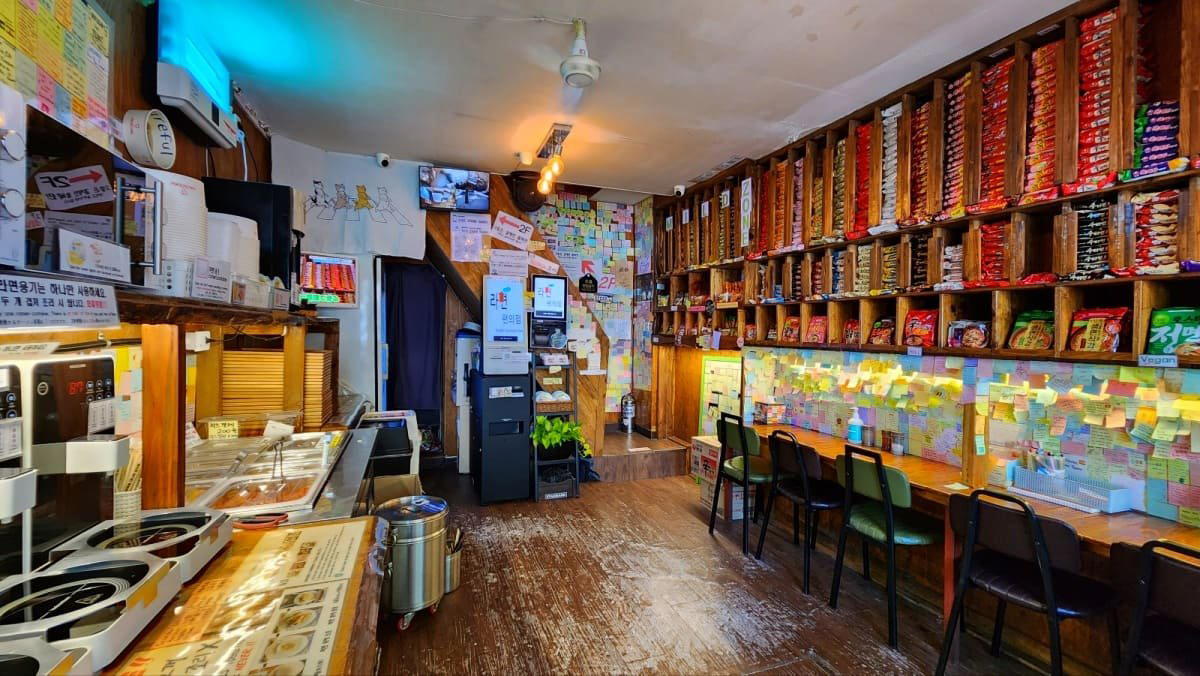
The format mirrors the Korean convenience-store ramen ritual: functional, unsentimental, and quick. Expect counter seating, a compact footprint, and the low-level hum of central Jongno rather than curated atmosphere. This is the Donhwamun-ro stretch of Seoul, where the surrounding mix of old commercial lanes and foot traffic sets the tone more than any interior design decision.
Is 라면편의점 in Jongno worth visiting if you're already exploring Insadong or Changdeokgung?
The address on Donhwamun-ro in Jongno places it within walking distance of both Changdeokgung Palace and the Insadong corridor, making it a practical stop between cultural sites. The convenience-ramen format suits a short break rather than a planned meal, and the price point is among the lowest in the neighbourhood. For travellers covering central Seoul on foot, the location alone makes it a logical detour.
What dish is 라면편의점 famous for?
The venue's premise is the convenience-store ramen format itself rather than a single signature dish. In South Korea, this tradition centres on instant ramen cooked to order, often customised with toppings, and eaten at a counter or standing space. The format is the offering.
At a Glance
| Venue | Cuisine | Price | Awards | Notes |
|---|---|---|---|---|
| 라면편의점This venue — the venue you are viewing | Korean Instant Ramen Bar | $1–10 | Not listed | Not listed |
| 7th Door | Modern Korean Fermentation Fine Dining | $100–150 | 1 Michelin Star · World's 50 Best #49 | Korean, Contemporary |
| Eatanic Garden | Modern Korean Contemporary | $100–150 | 1 Michelin Star · World's 50 Best #26 | Contemporary |
| Onjium | Modern Korean Royal Court Cuisine | Not listed | 1 Michelin Star · World's 50 Best #14 | Korean |
| L'Amitié | Classic French Fine Dining | $100–150 | 1 Michelin Star · La Liste Top Restaurants | French |
| Zero Complex | Modern French Neo-Bistro | $100–150 | 1 Michelin Star · La Liste Top Restaurants | Korean-French, Innovative |
Continue exploring
More in Seoul
Restaurants in Seoul
Browse all →

Details
- Trendy
- Lively
- Modern
- Casual Hangout
- Late Night
- Solo
- Group Dining
- Open Kitchen
- A La Carte
- Vegetarian Friendly
- Vegan Options
- Halal
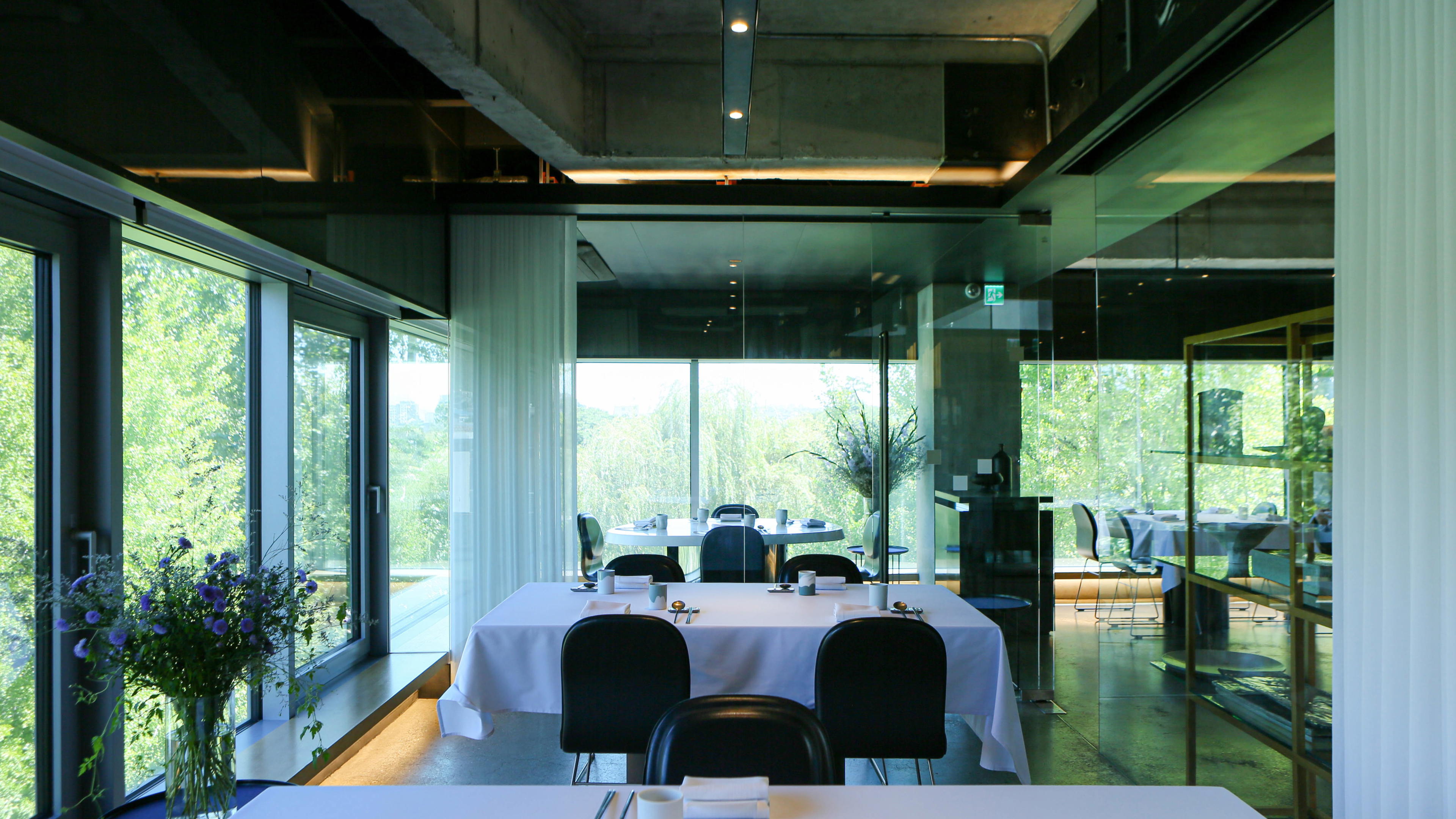
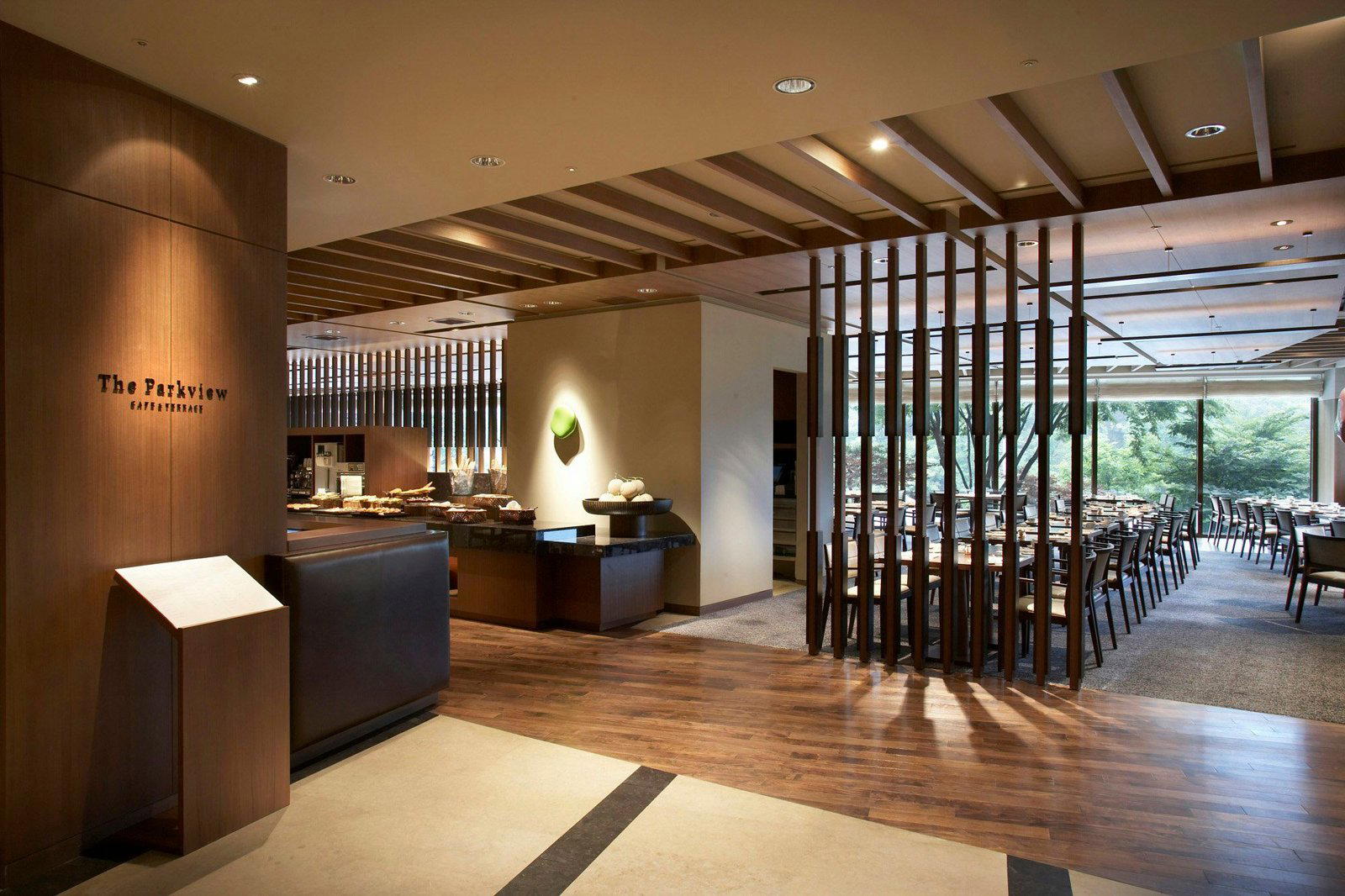
Bright, clean, self-service casual environment with minimal staff presence; two-floor layout with cooking stations and casual seating areas.