Jinokhwa Halmae Wonjo Dakhanmari
Jinokhwa Halmae Wonjo Dakhanmari is a Seoul institution built around dakhanmari, the whole-chicken hotpot that defines a particular strain of Korean communal eating. The format is spare and the room is loud, drawing the kind of repeat visitors who know the unwritten rules before they sit down. It belongs to a category of Seoul dining where the dish, not the decor, has sustained the crowd for decades.

Pearl is the En Primeur Club membership app — saves, bookings, and concierge access live there. Same editors, same standards.
The Room Before the Pot Arrives
There is a particular kind of Seoul restaurant that announces itself not through signage or staging but through the sound escaping its doors: the low boil of broth, the clatter of metal bowls, and the overlapping voices of tables who are already on their second round. Jinokhwa Halmae Wonjo Dakhanmari operates in exactly that register. The name itself is a piece of institutional shorthand, halmae meaning grandmother, wonjo meaning original, dakhanmari meaning one whole chicken, and in Seoul's Nakseongdae and Dongdaemun-adjacent dakhanmari districts, where this format was codified over several decades, names like this carry the weight of tenure.
Dakhanmari as a category sits at the intersection of pojangmacha informality and the deeper Korean tradition of communal hotpot, where a single central vessel feeds the table and the meal unfolds in stages rather than courses. The format belongs to a different register than the tasting menus at Mingles or Jungsik, or the ingredient-led innovation at alla prima and Soigné. Those restaurants are building arguments about Korean cuisine's future. Places like Jinokhwa Halmae Wonjo Dakhanmari are executing a form that was already settled before most of their chefs were trained.
What the Regulars Actually Order
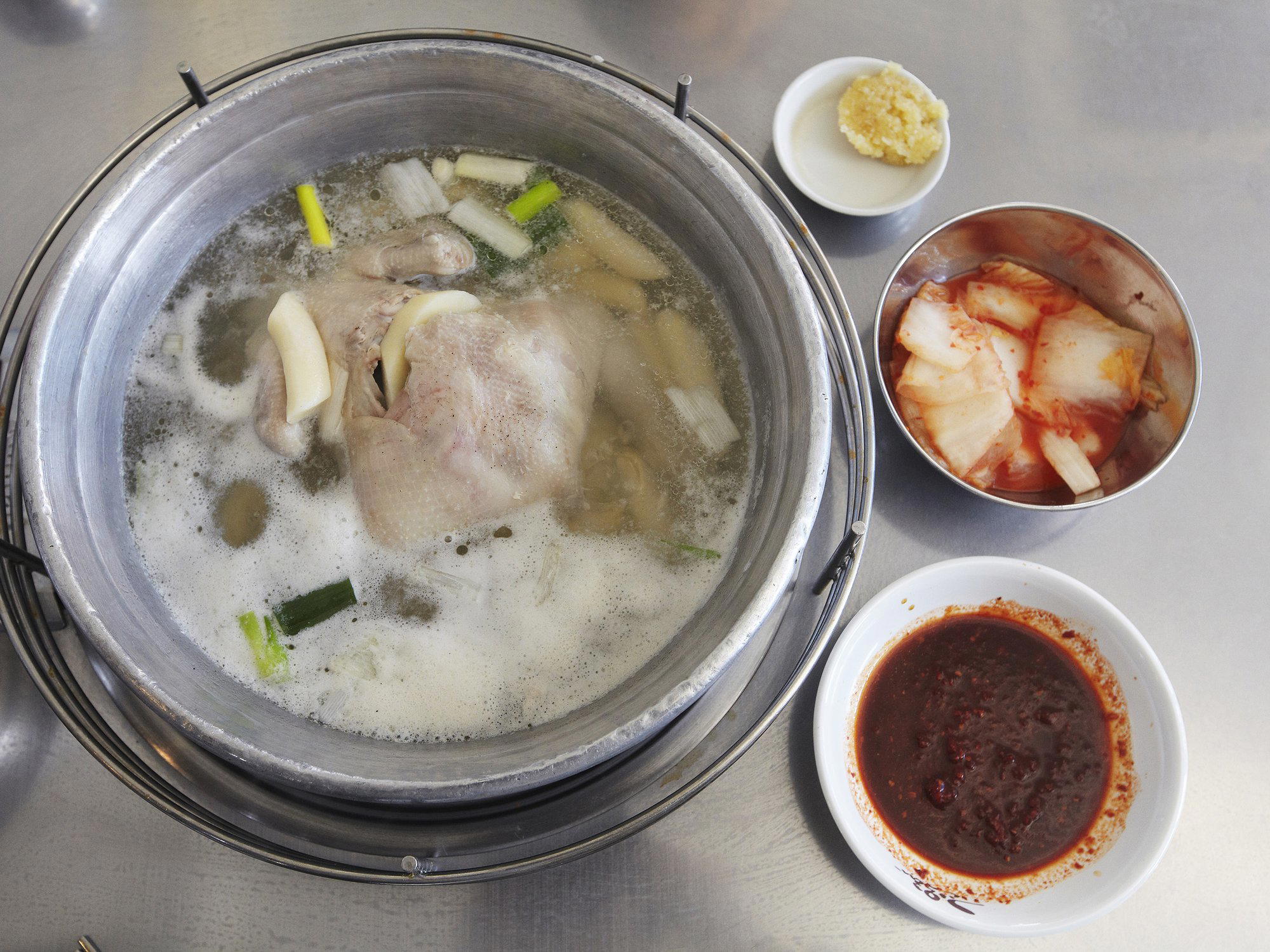
The menu at a dakhanmari specialist is deliberately compressed. The whole chicken arrives in a clear, gently spiced broth, ginger, garlic, and often a base of dashima, and sits at the table over a low flame as it finishes cooking. The regulars at a place like this do not need to read the menu. They know the order of operations: you pull the meat from the bone as the broth deepens, you add the accompanying dipping sauces at your own pace, and you finish with kalguksu noodles or rice dropped into the remaining broth, which by that point has concentrated into something considerably richer than what arrived at the table.
The unwritten menu at these counters is largely about timing and confidence. First-timers wait for instruction; regulars work the pot without hesitation, managing the flame themselves and signalling for the noodle addition without being prompted. That self-sufficiency is part of what defines loyalty to a specific dakhanmari house, each kitchen calibrates its broth seasoning and sauce ratios slightly differently, and regulars are calibrated to that specific version. Switching restaurants feels like recalibrating. For comparison, the approach at Kwonsooksoo rewards a similarly patient, format-literate diner, though through a different culinary idiom.
Side dishes that accompany dakhanmari at established houses tend toward simplicity: a sharp mustard-based dipping sauce, a gochujang variant, kimchi, and pickled vegetables that cut through the fat of the chicken. None of these are incidental. The balance between broth richness and acidic counterpoint is where a kitchen's identity lives, and regulars at Jinokhwa Halmae Wonjo Dakhanmari have reached their own conclusions about which sauce ratio works at which stage of the meal.
Seoul's Casual Hotpot Tradition in Context
Seoul's dining culture operates across sharply differentiated tiers, and the dakhanmari category has historically lived in the middle register: not the late-night street food of tteokbokki carts, but not the reservation-required fine dining of Gangnam's contemporary Korean scene either. That middle register is where some of the city's most durable eating habits persist. The same logic applies to Korean BBQ specialists in other cities, see Gobojeong Galbi #1 in Suwon or Doosoogobang, where the format's familiarity is itself the draw. Across the country, from Mori in Busan to regional specialists like Gyeongju Wonjo Kongguk, the pattern holds: a narrow menu, a practiced format, and a crowd that returns because consistency is the point.
What distinguishes the better houses in any of these categories is not ambition but precision. The broth is always the tell. In dakhanmari, a broth that arrives too heavily pre-seasoned leaves no room for the table-side evolution that defines the format. One that is under-developed forces the dipping sauces to do too much work. The leading versions land in a calibrated middle, pale and clean at arrival, deepening as the chicken releases its collagen over twenty to thirty minutes of gentle simmering. Whether the restaurant executes at that level is a question answered by the composition of its regular clientele, and by the line, if there is one, that forms outside its door.
For readers mapping Seoul's broader food scene, Jeju-inflected cooking (see Badang Lounge and 88돼지), and the international reference points that Seoul's contemporary kitchens now benchmark against, including Le Bernardin and Atomix in New York. The range makes clear that Seoul supports genuinely distinct dining cultures in parallel, and that a dakhanmari house and a three-course tasting menu occupy the same city without competing for the same diner.
Planning Your Visit
The restaurant is a casual, recommended-reservation restaurant, with a price tier of about $15 per person. Dakhanmari restaurants in Seoul generally operate on a walk-in or same-day basis, though popular houses in the Nakseongdae corridor attract queues by early evening. Arriving before the dinner peak, typically before 6:30 p.m. on weeknights, is the standard approach among regulars who want a specific table configuration. The format works well with two to four diners, and ordering multiple pots for a larger group changes the dynamic of the meal. And for travellers moving between food stops, Hwangnam Bread in Gyeongju and Hinode in Seogwipo represent the same instinct toward singular, category-defining formats in their respective cities.
Cuisine Context
Comparable venues nearby, for context on price, style, and recognition.
| Venue | Cuisine | Price | Notes |
|---|---|---|---|
| Jinokhwa Halmae Wonjo DakhanmariThis venue — the venue you are viewing | Traditional Korean Whole Chicken Soup (Dakhanmari) | $ | Not listed |
| Baekje Samgyetang (백제삼계탕) | Traditional Korean Ginseng Chicken Soup | $$ | Myeongdong |
| 제주몬트락 | Jeju Black Pork BBQ | $$ | Gangnam |
| Eunjujeong (은주정) | Traditional Korean Kimchi Jjigae | $$ | Jung-gu |
| Doo-uh Mari | Charcoal-Grilled Saltwater Eel | $$ | Gangnam-gu |
| Park's Mung Bean Pancake | Traditional Korean Mung Bean Pancakes | $ | Jongno-gu |
Continue exploring
More in Seoul
Restaurants in Seoul
Browse all →
At a Glance
- Well Known
- Rustic
- Lively
- Group Dining
- Casual Hangout
- Family
- Open Kitchen
- Historic Building
- Standalone
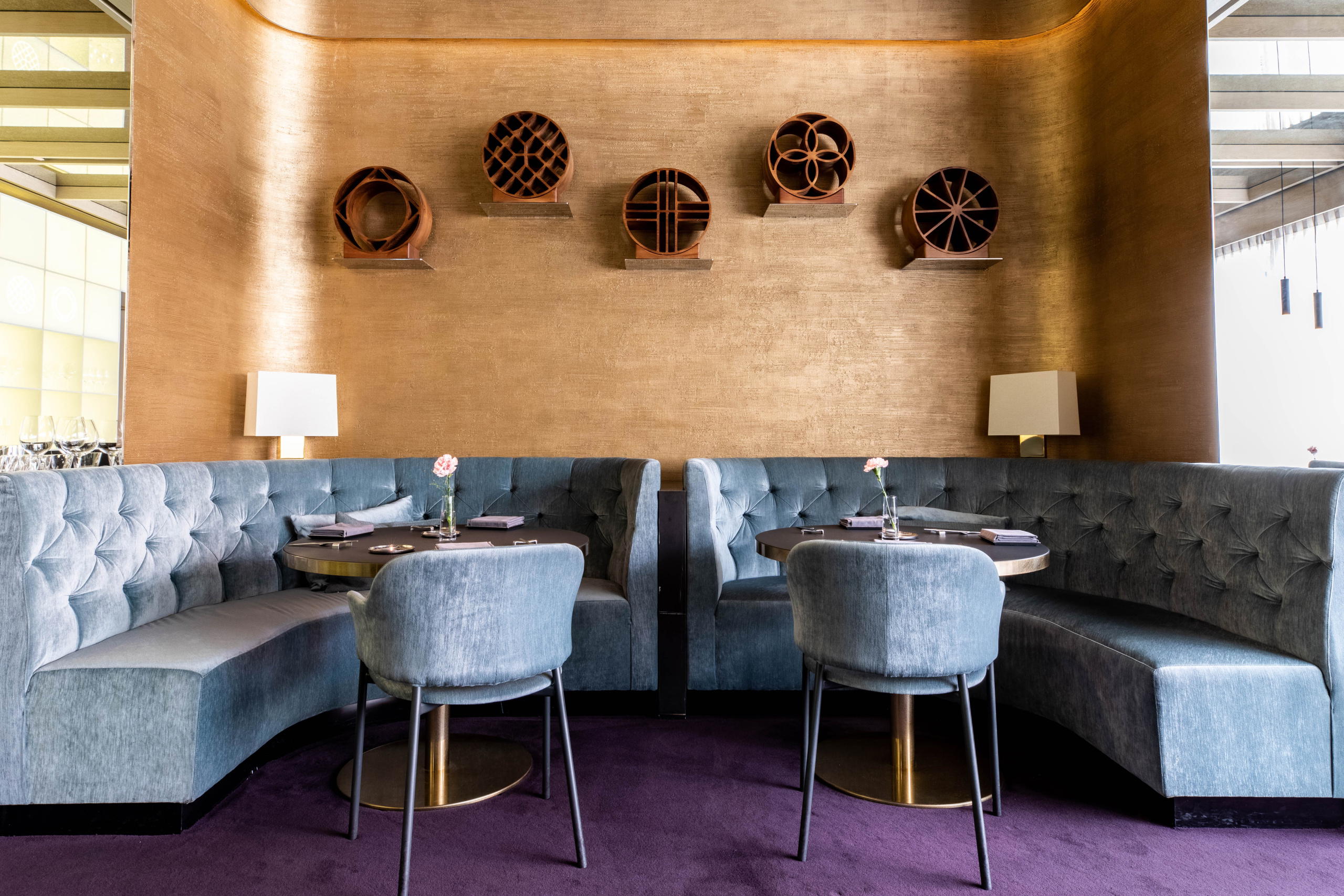
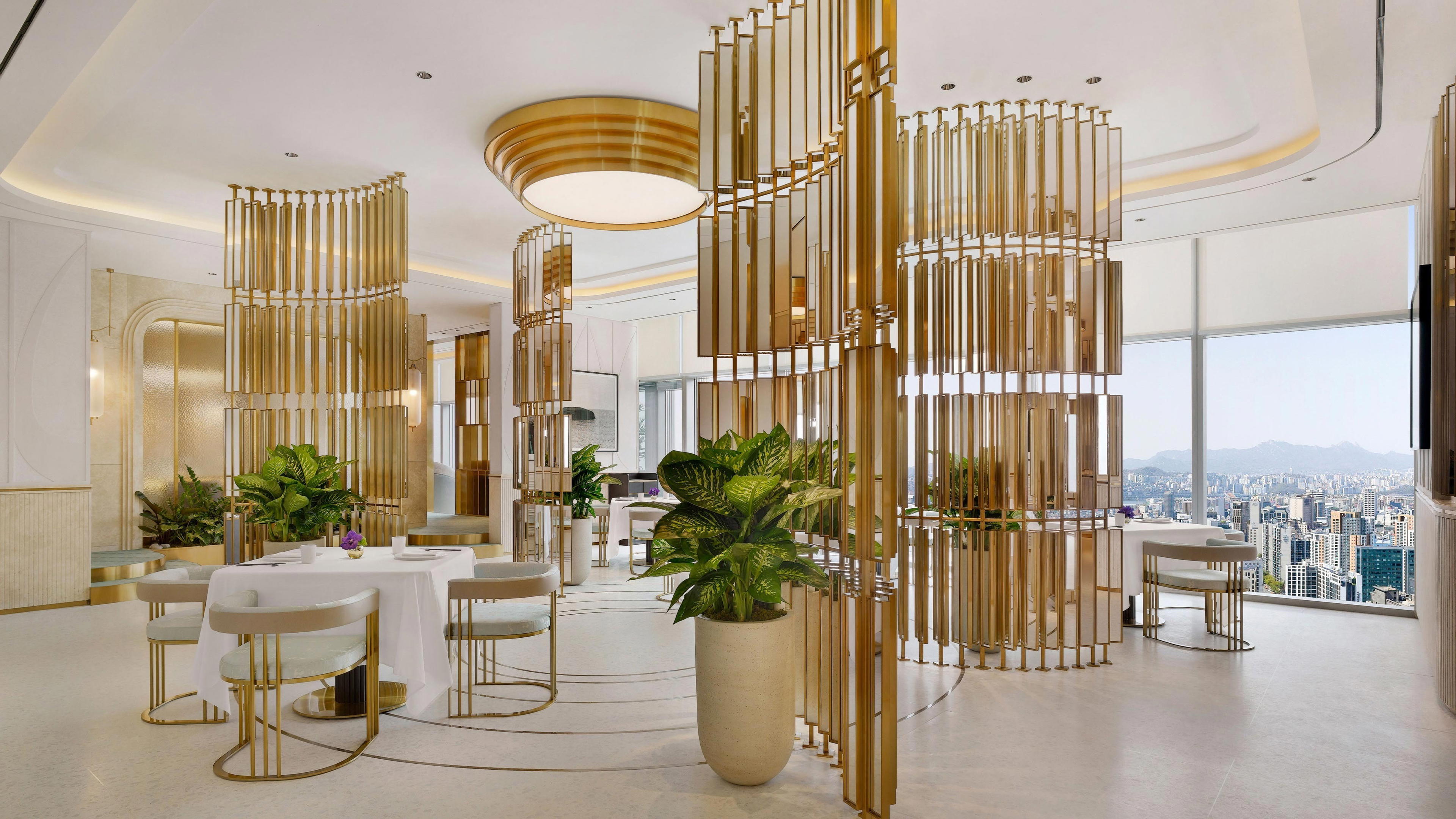
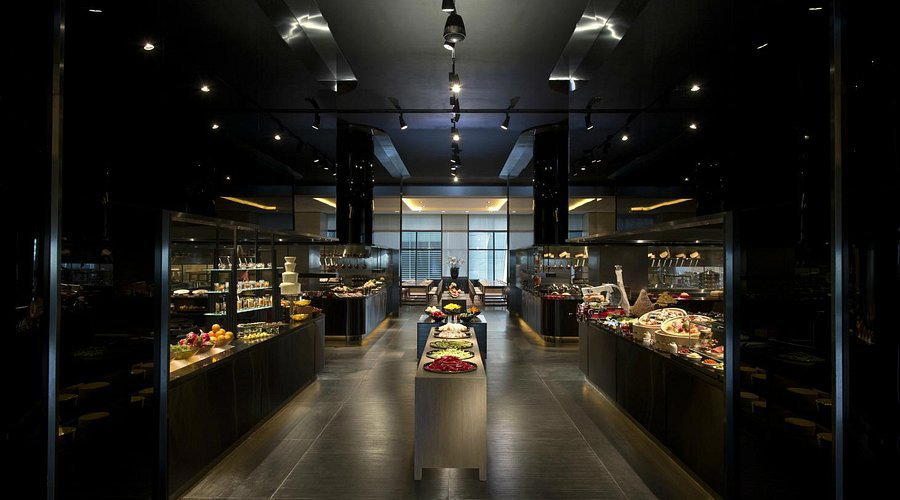
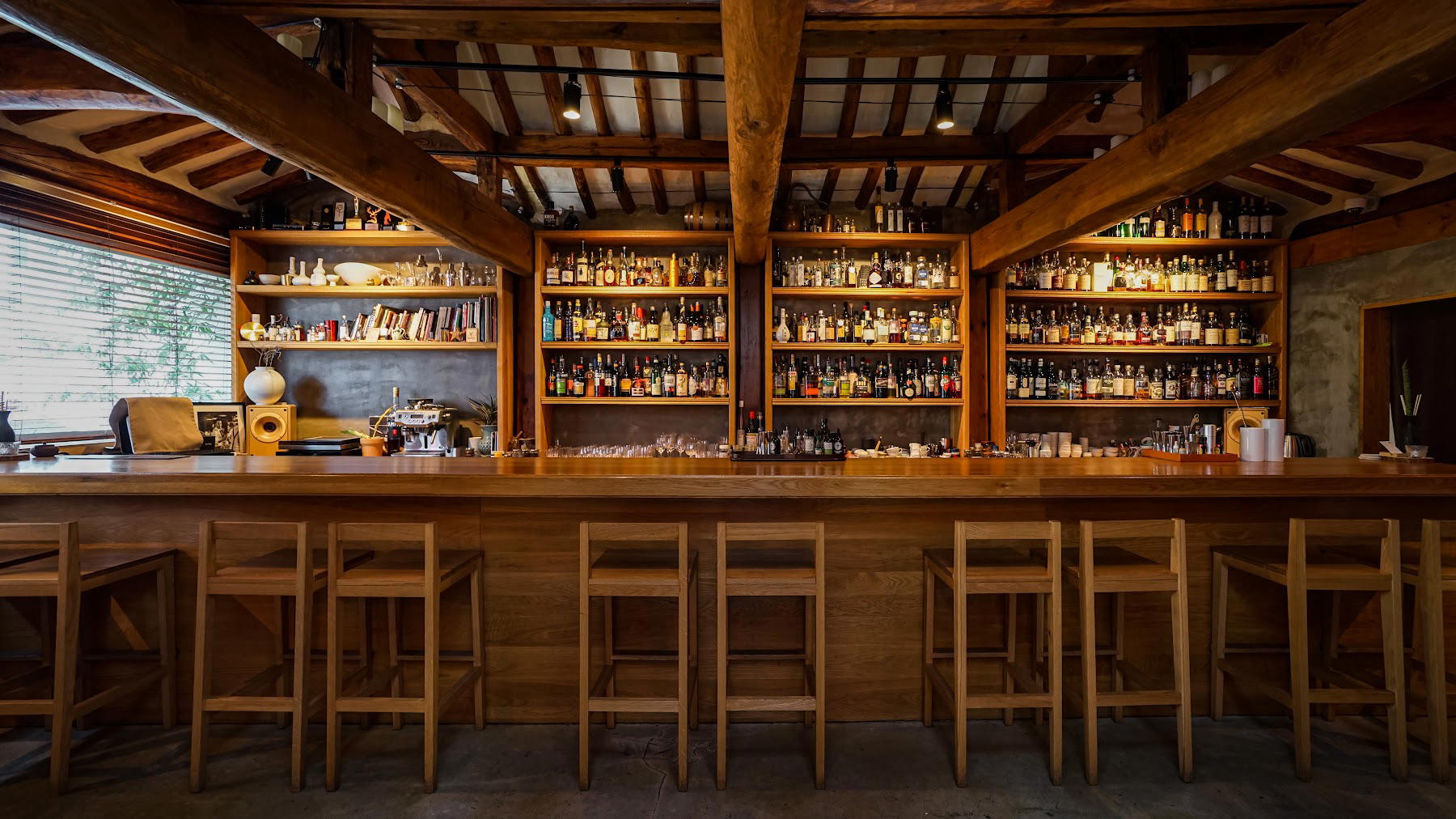
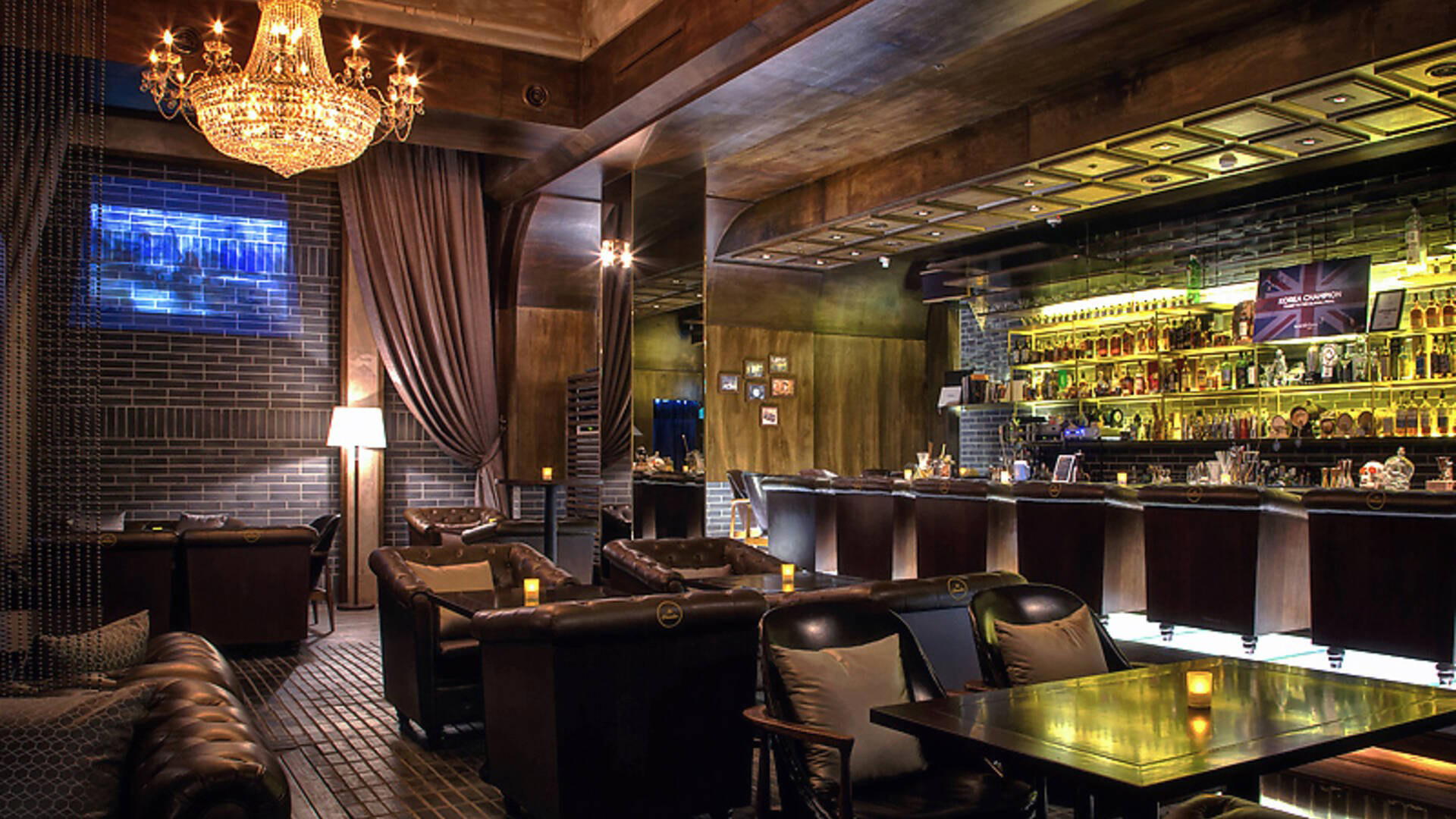
Bustling, casual dining atmosphere with communal table experience; diners cook chicken in a hot metal pot at their table with minimal decor, creating an authentic local Korean experience.