Our verdict
A French-format bistro on Uwajima's central Chuocho strip, Bistro Blaage operates inside one of Japan's most productive coastal ingredient zones, where Uwa Sea sea bream and Ehime citrus reach the kitchen at proximity that urban restaurants cannot match. The bistro format here trades prestige architecture for an informal, neighbourhood-facing rhythm grounded in what the coast provides each week.

Pearl is the En Primeur Club membership app, where members save venues, book tables and use the concierge.
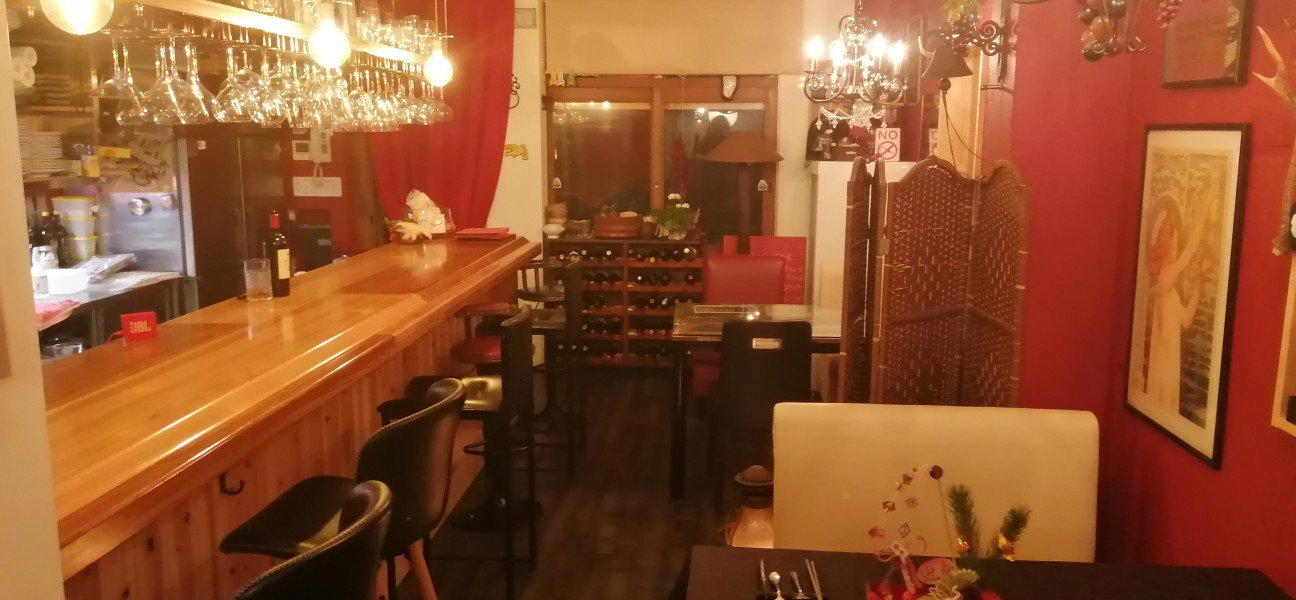
Where Shikoku's Coastline Meets the Bistro Format
Uwajima sits at the southwestern tip of Ehime Prefecture, where the Uwa Sea produces some of Japan's most prized seafood, including the tai (sea bream) and kaki (oysters) that have defined the city's culinary identity for generations. It is not a city that typically draws international food travellers, which is precisely what makes its Western-format dining scene worth understanding. Bistro Blaage (ビストロ ブラージュ), on Chuocho in central Uwajima, occupies a space that the broader dining world rarely maps: a French-leaning bistro format operating in a coastal Japanese city whose ingredient supply chain rivals anything available to urban kitchens in Osaka or Tokyo.
The bistro format in provincial Japan carries a particular logic. Unlike the tightly choreographed omakase model at counters such as Harutaka in Tokyo or the ambitious modernist programs at places like HAJIME in Osaka, the French bistro tradition in smaller Japanese cities tends to work directly with what the surrounding geography provides, without the pressure to perform against Michelin-tier benchmarks. This creates a different kind of dining proposition, one grounded in proximity and seasonality rather than prestige.
The Ingredient Argument for Uwajima
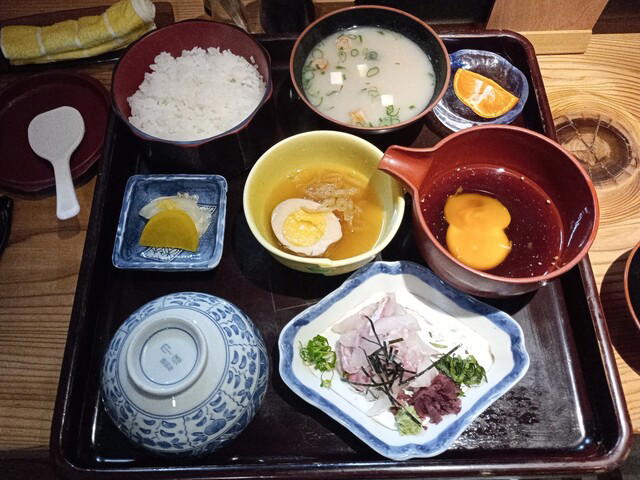
The most compelling editorial case for Uwajima's restaurant scene is not its chefs or its formats. It is the raw material. The Uwa Sea is a semi-enclosed body of water with exceptional water temperature variation across seasons, which produces sea bream with a density and fat profile that chefs in larger cities import at considerable expense. Uwajima's tai meshi, the local preparation of sea bream over rice, has become a regional reference point, but the fish itself is the starting claim. A bistro operating in this context has access to product that restaurants in Tokyo or Kyoto pay premium prices to source remotely.
This is the category of restaurant where ingredient provenance does more editorial work than the menu format. At Gion Sasaki in Kyoto or akordu in Nara, the sourcing argument is built into a prix-fixe architecture with extensive documentation. At a neighborhood bistro in Uwajima, the same quality of ingredient appears in a more informal register, with the price point and atmosphere adjusted accordingly. For travellers accustomed to paying ¥¥¥¥ tiers to access this class of seafood, the provincial bistro model can represent a structurally different value proposition.
Ehime Prefecture also produces some of Shikoku's most respected citrus, including the ponkan and the dekopon that appear in both savory and dessert preparations across the region. A Western-format kitchen drawing on these local citrus varieties alongside Uwa Sea fish operates within an ingredient matrix that would be difficult to replicate in a city further removed from the source.
The Bistro in Its Neighbourhood Context
Chuocho is Uwajima's central commercial corridor, a practical address that places Bistro Blaage within walking distance of the city's main transport connections. Uwajima Station is served by the JR Yodo Line, making the city reachable from Matsuyama (approximately 1.5 to 2 hours by limited express) and from Kochi via the Kubokawa connection. For travellers routing through Shikoku, Uwajima functions as a logical stop rather than a detour, particularly given the city's other draws: Uwajima Castle, the Taga Shrine, and the bullfighting tradition (togyu) that gives the city a cultural distinctiveness rare in cities of its size.
The Chuocho address also situates the restaurant near ほづみ亭, another Uwajima dining reference that serves as a useful comparison point for travellers building a multi-stop itinerary. For a broader view of what the city offers across formats and price tiers, the full Uwajima restaurants guide covers the current scene in more depth.
The bistro format in a city like Uwajima typically addresses a local professional clientele rather than a tourist-driven one. This shapes the atmosphere: less performative, more habitual. The rhythm of service tends toward the unhurried. Tables are occupied by people who return regularly, which in turn pressures the kitchen to rotate the menu rather than rely on a fixed showcase. For visiting diners, this means the menu is more likely to reflect what the market provided that week than what looks well on a printed card.
Placing Blaage in the Wider Regional Picture
Western-format dining in smaller Japanese cities has developed its own coherent tradition over the past three decades. Places like Bistro Ange in Toyohashi and bodai represent the same impulse: trained technique applied to regional ingredients, operating outside the metropolitan competitive set. These restaurants rarely accumulate the formal credentials of their urban counterparts, but they occupy an important position in Japan's broader dining ecology, where the gap between a Michelin-starred urban room and a provincial bistro is often narrower in plate quality than the award disparity suggests.
For reference, venues like Goh in Fukuoka demonstrate how a non-Tokyo address can sustain serious culinary ambition within a regional ingredient story. Bistro Blaage operates further down the scale in terms of formality and likely price, but the underlying logic, proximity to exceptional source ingredients and a format flexible enough to use them honestly, is the same.
Travellers who want to understand what Japanese coastal ingredients look like outside the kaiseki or omakase frame, and without the price architecture that comes with those formats at high-recognition addresses, will find the provincial French bistro model worth seeking out. Other regional comparisons worth considering include 一本木 小川制 in Nanao, 湖畔荘 in Takashima, and 鳳翔庵 in Nishikawa Machi for a cross-section of how provincial Japanese dining handles local product across different formats.
Planning Your Visit
Uwajima is most accessible between spring and autumn, when the JR Shikoku network runs smoothly and the Uwa Sea fishing season is in full production. The city's compact scale means that most dining, sightseeing, and accommodation options are within a short walk or taxi ride of the station. Given that detailed booking information for Bistro Blaage is not publicly listed, the most reliable approach is to contact the restaurant directly on arrival in Uwajima or through your hotel concierge, who will have current hours and reservation availability. This is standard practice for smaller dining rooms in provincial Japanese cities, where phone and in-person bookings remain the primary channels.
For further context on how coastal Japanese ingredients travel through Western and contemporary formats elsewhere in the country, the programs at Le Bernardin in New York City and Atomix in New York City offer instructive international reference points for how seafood-forward kitchens build a coherent identity around sourcing. Additional regional dining references worth cross-referencing include Birdland in Sakai, 夕仙山乃 in Sapporo, Blue Ocean Steak in Nakagami District, and Cafe Naoshima Konichiwa in Naoshima.
Frequently asked questions
Is ビストロ ブラージュ okay with children?
The Chuocho address puts the restaurant in Uwajima's central commercial corridor, which is a practical, low-key part of town rather than a formal dining district. That neighbourhood context suggests a relaxed room rather than a reverent one. Families with older children who can manage a sit-down meal should be reasonably comfortable, though the bistro format generally skews toward adult diners in smaller Japanese cities.
What's the vibe at ビストロ ブラージュ?
Bistro Blaage occupies a straightforward commercial address at 1 Chome-6-7 Chuocho, Uwajima's workaday central strip rather than a designed dining precinct. Western-format bistros in smaller Shikoku cities tend to run as neighbourhood rooms: unhurried, table-service led, and more focused on produce than on atmosphere engineering. Expect something closer to a French provincial dining room than a polished city venue.
Is ビストロ ブラージュ a good option for a special occasion dinner in Uwajima?
Uwajima has a limited Western dining scene for a city of its size, which means bistro-format venues in the Chuocho area carry more weight for occasion dining than they might in Matsuyama or Takamatsu. Bistro Blaage's central address makes it convenient from most Uwajima accommodation.
What should I order at ビストロ ブラージュ?
The editorial case for eating in Uwajima starts and ends with the Uwa Sea, which supplies tai (sea bream), oysters, and farmed pearl oysters from a semi-enclosed bay system that concentrates flavour. A bistro format in this city is most worth visiting when it puts that local seafood at the centre of the menu.
Where is ビストロ ブラージュ in Uwajima?
ビストロ ブラージュ is located at 1 Chome-6-7 Chuocho, Uwajima, Ehime 793-0030, Japan, Uwajima.
What's the best way to book ビストロ ブラージュ?
No phone number or website is currently listed in public records for Bistro Blaage. Visiting in person during opening hours, the restaurant is within walking distance of Uwajima Station via the Chuocho corridor, is a practical fallback for smaller venues in this part of Ehime. Local accommodation staff in Uwajima typically have direct lines to neighbourhood restaurants and can assist with reservations.
What's the standout thing about ビストロ ブラージュ?
The strongest argument for Bistro Blaage is locational: Uwajima sits at the southwestern tip of Ehime where the Uwa Sea produces some of Japan's most concentrated coastal seafood, and a Western bistro format in that context positions the kitchen to translate local catch into European-inflected dishes. Western-format dining in smaller Japanese cities has built a coherent tradition over three decades, and Chuocho's central position makes this one of the more accessible expressions of that tradition in the region.
Comparable Venues
Comparable venues nearby, for context on price, style, and recognition.
| Venue | Cuisine | Price | Awards | Notes |
|---|---|---|---|---|
| ビストロ ブラージュThis venue (the venue you are viewing) | French Bistro | Not listed | Not listed | Not listed |
| ほづみ亭 | 宇和島郷土料理 大衆割烹 | $20–30 | Not listed | 新町 |
| 菊屋 | Traditional Japanese Noodles (Chanpon & Udon) | $1–10 | Not listed | 中央町 (Chuo-cho) |
| Tomoya | Traditional Uwajima seafood cafeteria | $30–50 | Tabelog 100 #22 | Uwajima |
| L'Oiseau Bleu | Vegan French Bakery | Not listed | Not listed | Kita-ku |
| The French Kitchen (フレンチ キッチン) | Classic French Bistro | $50–100 | Not listed | Roppongi |
Continue exploring
More in Uwajima
Restaurants in Uwajima
All restaurants in Uwajima →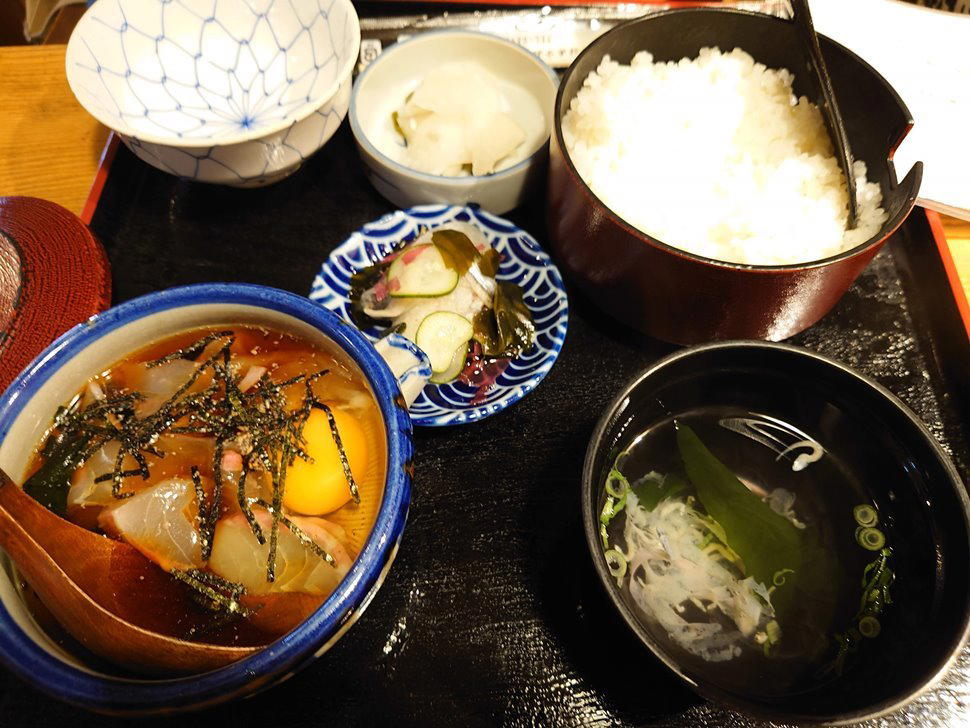
Hotels in Uwajima
All hotels in Uwajima →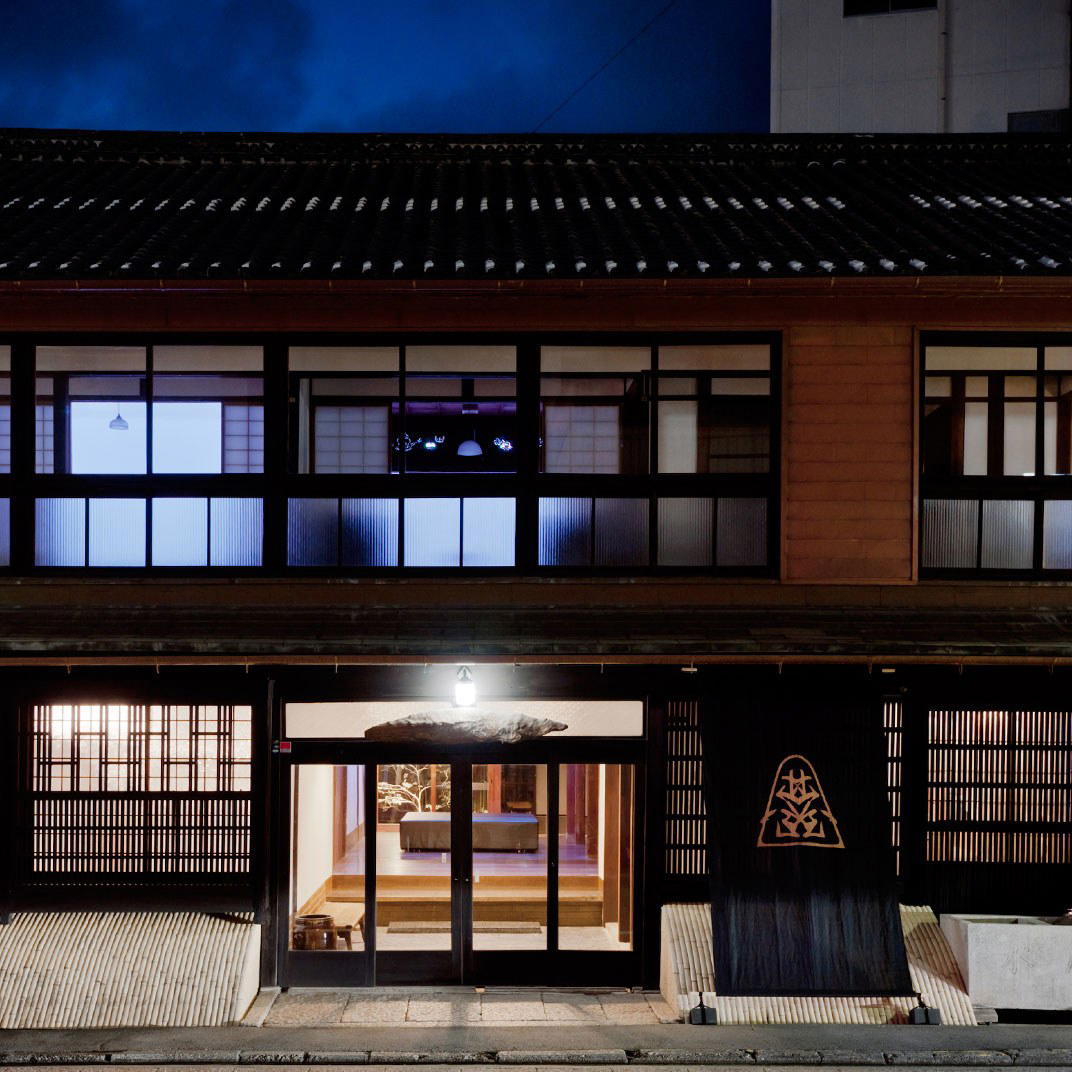
Details
- Cozy
- Elegant
- Classic
- Date Night
- Special Occasion
- Local Sourcing
- A La Carte
Current opening hours
- Monday
- 11:30 AM–2 PM, 6–11 PM
- Tuesday
- 11:30 AM–2 PM, 6–11 PM
- Wednesday
- 11:30 AM–2 PM, 6–11 PM
- Thursday
- 11:30 AM–2 PM, 6–11 PM
- Friday
- 11:30 AM–2 PM, 6–11 PM
- Saturday
- 11:30 AM–2 PM, 6–11 PM
- Sunday
- 11:30 AM–2 PM, 6–11 PM
Hours can change for holidays and private events. Hours as of .
落ち着いた雰囲気でクラシックなビストロスタイルの内装。