Our verdict
ほづみ亭 sits in Uwajima's Shinmachi district, a city defined by its taimeshi rice and pearl-cultivated seafood traditions along Ehime's southern coast. The restaurant draws on the regional larder that makes Uwajima one of Shikoku's more overlooked dining destinations. Visit for a grounded introduction to local ingredients and cooking methods that rarely reach the menus of Japan's urban restaurant circuit.

Pearl is the En Primeur Club membership app, where members save venues, book tables and use the concierge.
Uwajima's Table: What the City Puts on the Plate
Uwajima sits at the southern tip of Ehime Prefecture, facing a bay that has shaped the city's food culture more directly than almost any administrative or culinary trend from the outside. The water here is warm and relatively shallow, which has made it one of Japan's primary pearl and sea bream farming zones for generations. That geographical fact, not any single chef or restaurant, is the real driver of what gets cooked and eaten in the city. Our full Uwajima restaurants guide traces how that maritime identity plays out across the city's dining options, from casual fish markets to more considered sit-down kitchens.
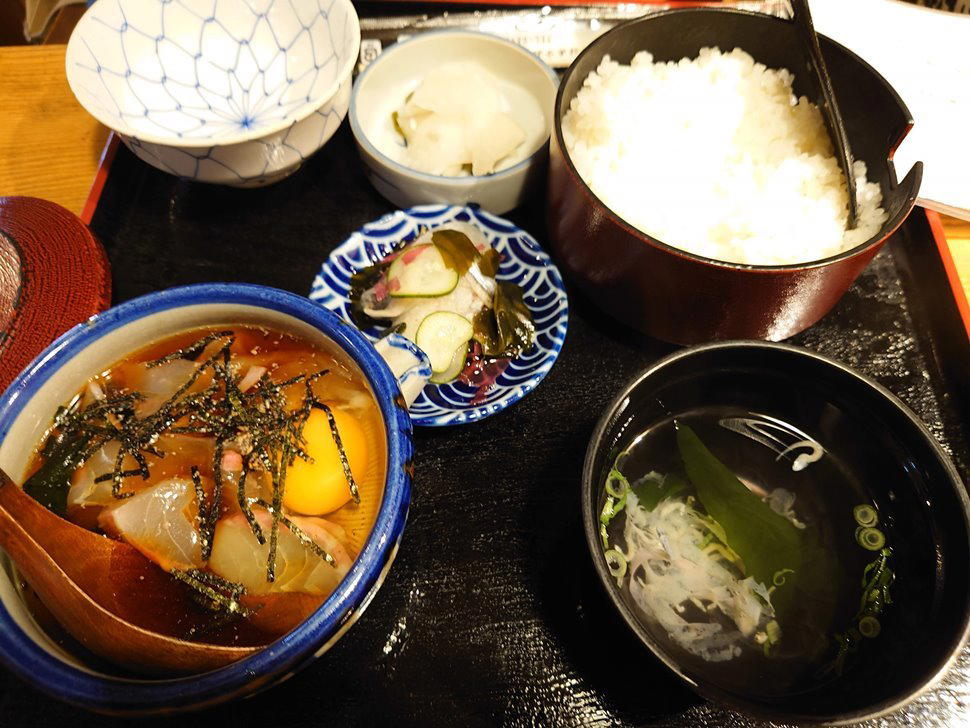
Taimeshi, the local preparation of raw sea bream over rice with a seasoned egg sauce, functions here the way specific ramen styles function in Fukuoka or soba preparations function in parts of Nagano: it is not one option among many but a defining regional statement. Visitors who approach Uwajima through the lens of Japan's larger culinary centres often arrive expecting a simplified or provincial version of what they know. What they find instead is a cuisine with its own internal logic, one that draws authority from proximity to ingredients rather than from technique layered on technique. ほづみ亭, located at 2 Chome-3-8 Shinmachi in the heart of the old commercial district, sits inside that tradition.
The Shinmachi Context
Shinmachi is Uwajima's commercial and civic spine, an area that has retained more of its local-facing character than the resort-adjacent districts further along the Ehime coast. Restaurants here tend to operate for a local clientele first, which means the menu decisions reflect what the region actually produces rather than what tourists expect to find. That distinction matters when reading any dining option in this part of Shikoku. Kitchens that have stayed connected to the local supply chain, sea bream from Uwajima Bay, vegetables from the surrounding Nanyo agricultural belt, local citrus varieties including the distinctive jyabara and other Ehime produce, operate in a different register than those chasing a more generic regional Japanese aesthetic.
For comparison, consider how regional Japanese dining operates at its upper end in cities like Osaka or Kyoto, where venues such as HAJIME in Osaka or Gion Sasaki in Kyoto construct elaborate frameworks around sourced ingredients and refined technique. That model depends on density: a critical mass of producers, trained staff, and a dining public that sustains high-price formats. Uwajima's dining scene operates on a smaller, less formalised axis. The ingredients can be as compelling, Ehime's sea bream is considered among Japan's finest farmed fish, but the format is more direct, less mediated by the ceremony that defines kaiseki or omakase at venues like Harutaka in Tokyo.
What the Regional Larder Means for the Menu
Uwajima's food identity is narrow by design, not by limitation. The taimeshi tradition demonstrates this clearly. The dish requires quality sea bream, and the bay produces it at scale and with consistency. The preparation itself, sliced raw fish, seasoned egg yolk or egg sauce, dashi-inflected rice, is deliberately spare, built around allowing the fish to carry the dish rather than obscuring it under complex saucing. That restraint places Uwajima's signature preparation in an interesting position relative to Japan's broader raw fish culture. It is not sushi, not sashimi in a strict sense, and not the kind of composed seafood course you would find at Goh in Fukuoka or akordu in Nara. It is its own category, and understanding that separates informed visitors from those who arrive expecting something more familiar.
Shikoku's regional cooking more broadly shares certain characteristics with other peripheral Japanese food cultures: a tendency toward umami-led broths, a reliance on local fermentation products, and a preference for ingredients at their seasonal peak rather than year-round availability. Dining in Uwajima during late spring and early summer, when sea bream is at optimal condition before summer heat affects water temperature, will yield different results than an autumn or winter visit. That seasonal variable is worth factoring into any planning decision.
For those travelling across Shikoku and comparing local restaurant options in smaller cities, patterns emerge. Venues like 湖麺屋ロテス in Takashima or 一本木 仁川制 in Nanao illustrate how regional specificity in Japan's mid-size cities produces dining experiences that resist easy comparison to urban benchmarks. ほづみ亭 belongs to that pattern. Also worth noting for Shikoku and western Japan itinerary planning: Cafe Naoshima Konichiwa in Naoshima offers a different register of regional character, while Bistro Ange in Toyohashi and Blue Ocean Steak in Nakagami District show how western Japan's smaller cities are developing more varied dining formats alongside their traditional ones.
Planning a Visit
Arriving without a reservation carries risk at well-regarded local restaurants in cities of Uwajima's size, where capacity is small and repeat local custom fills tables early. The most reliable approach for international visitors is to request assistance from accommodation staff, who can often make telephone reservations and confirm current hours directly. Uwajima is accessible from Matsuyama by limited express train on the JR Yodo Line, a journey of roughly two hours, making it a realistic day trip from Ehime's prefectural capital or a logical stop on a wider Shikoku circuit. The Shinmachi address places the restaurant within walking distance of Uwajima Castle and the central shopping area, so combining a meal with broader city exploration is practical.
Nearby, ビストロ ブラージュ represents a different strand of Uwajima's current restaurant offer, demonstrating that even in a city this size, the dining range extends beyond the traditional seafood-and-rice format. For those building a longer Japan itinerary around serious restaurant visits, venues like Atomix in New York City or Le Bernardin in New York City occupy an entirely different register, but understanding what drives dining in a place like Uwajima, geography, tradition, ingredient access, deepens how any serious restaurant visitor reads the more formal end of the spectrum. bodai in 那智勝浦町, 炭火焼山乃 in Sapporo, and 羽根屋 in Nishikawa Machi all demonstrate how Japan's provincial dining culture rewards attention across very different geographic and culinary contexts. Birdland in Sakai adds further range to any comparative picture of regional Japanese specialisation.
Frequently asked questions
Where is ほづみ亭 located?
ほづみ亭 is located at 2 Chome-3-8 Shinmachi, Uwajima, Ehime 798-0035, Japan, Uwajima.
Is ほづみ亭 a good place to try Uwajima's regional cuisine for the first time?
Shinmachi is Uwajima's civic and commercial core, and restaurants operating in that district tend to serve a predominantly local clientele rather than positioning themselves around visitor-facing menus. That context matters: ほづみ亭 sits within a food culture defined by taimeshi and bay-sourced seafood, the same regional larder that gives Ehime Prefecture its culinary identity on Shikoku. For a first encounter with Uwajima's table, that address is a more grounded entry point than the resort-adjacent options further out.
What do regulars order at ほづみ亭?
Uwajima's dominant food tradition is taimeshi, raw sea bream served over rice with egg yolk and a seasoned dashi-based sauce, and given that ほづみ亭 sits in Shinmachi at the heart of the city's commercial district, the dish is the logical anchor of any visit. The bay at Uwajima produces sea bream of consistent quality, which is what the preparation demands above all else. Regulars in cities like this tend to return for exactly that kind of precision staple rather than a rotating menu.
How hard is it to get a table at ほづみ亭?
The Shinmachi address places it in a local-facing neighbourhood rather than a tourist corridor, which typically means the reservation pressure comes from within the city and from visitors specifically seeking out Uwajima's food traditions. Arriving in person or checking with your accommodation for local guidance is the most reliable approach.
A Pricing-First Comparison
Comparable venues nearby, for context on price, style, and recognition.
| Venue | Cuisine | Price | Awards | Notes |
|---|---|---|---|---|
| ほづみ亭This venue (the venue you are viewing) | 宇和島郷土料理 大衆割烹 | $20–30 | Not listed | Not listed |
| Tomoya | Traditional Uwajima seafood cafeteria | $30–50 | Tabelog 100 #22 | Uwajima, Traditional Uwajima seafood cafeteria |
| 菊屋 | Traditional Japanese Noodles (Chanpon & Udon) | $1–10 | Not listed | 中央町 (Chuo-cho), Traditional Japanese Noodles (Chanpon & Udon) |
| ビストロ ブラージュ | French Bistro | Not listed | Not listed | 中央町, French Bistro |
| Kumasotei | Not listed | Not listed | Not listed | Higashi Sengoku-cho, Traditional Satsuma Cuisine |
| やいろ亭 | Not listed | Not listed | Not listed | 帯屋町, Kochi-Style Izakaya Specializing in Katsuo no Tataki |
Continue exploring
More in Uwajima
Restaurants in Uwajima
All restaurants in Uwajima →
Hotels in Uwajima
All hotels in Uwajima →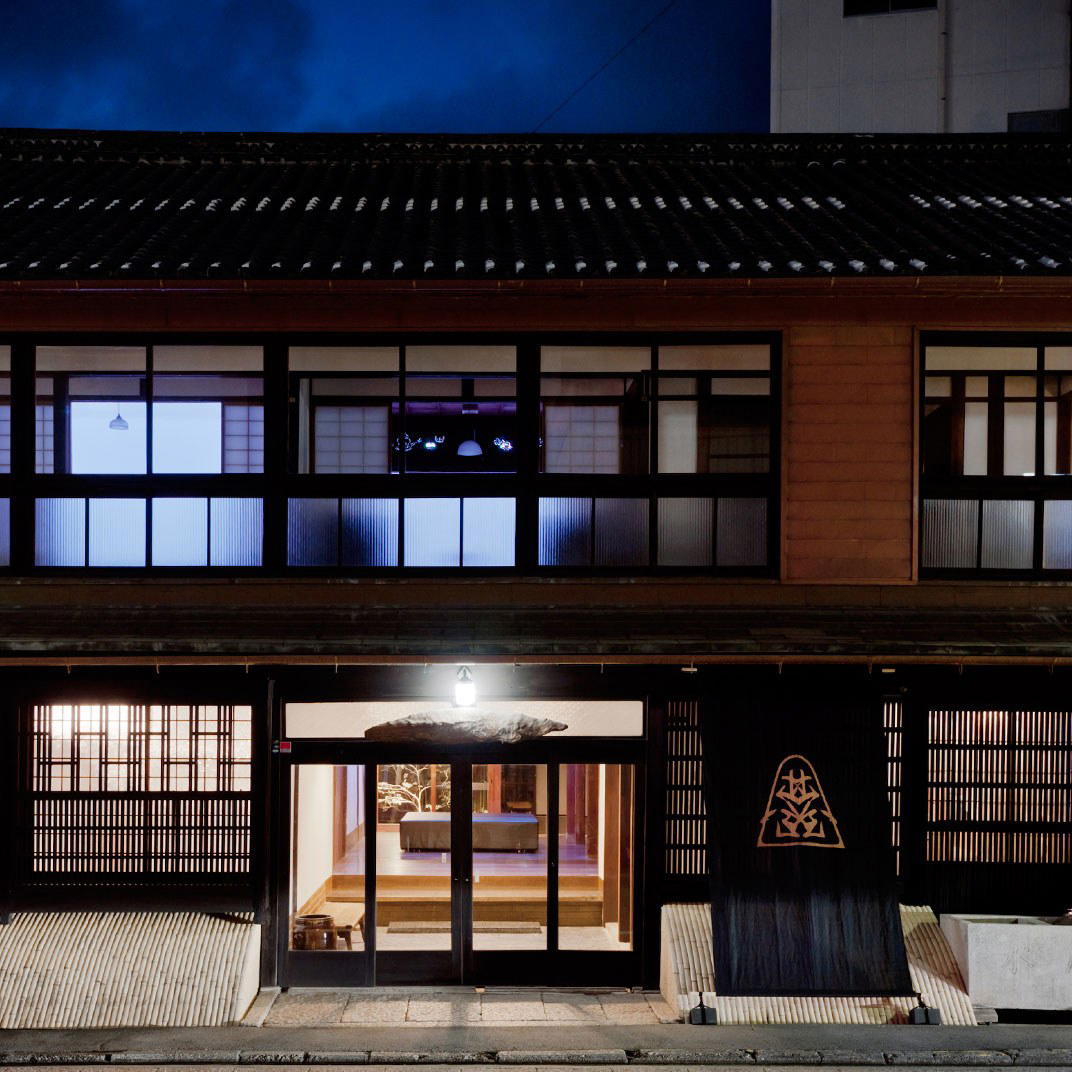
Details
- Classic
- Rustic
- Cozy
- Group Dining
- Casual Hangout
- Open Kitchen
- Sake Program
- Local Sourcing
- Sustainable Seafood
- A La Carte
- Sake Program
Current opening hours
- Monday
- 11 AM–1:20 PM, 5–9 PM
- Tuesday
- 11 AM–1:20 PM, 5–9 PM
- Wednesday
- 11 AM–1:20 PM, 5–9 PM
- Thursday
- 11 AM–1:20 PM, 5–9 PM
- Friday
- 11 AM–1:20 PM, 5–9 PM
- Saturday
- 11 AM–1:20 PM, 5–9 PM
- Sunday
- Closed
Hours can change for holidays and private events. Hours as of .
穂積橋沿いの雰囲気のある和風一軒家で、座敷や掘りごたつ席が楽しめる伝統的な空間。