
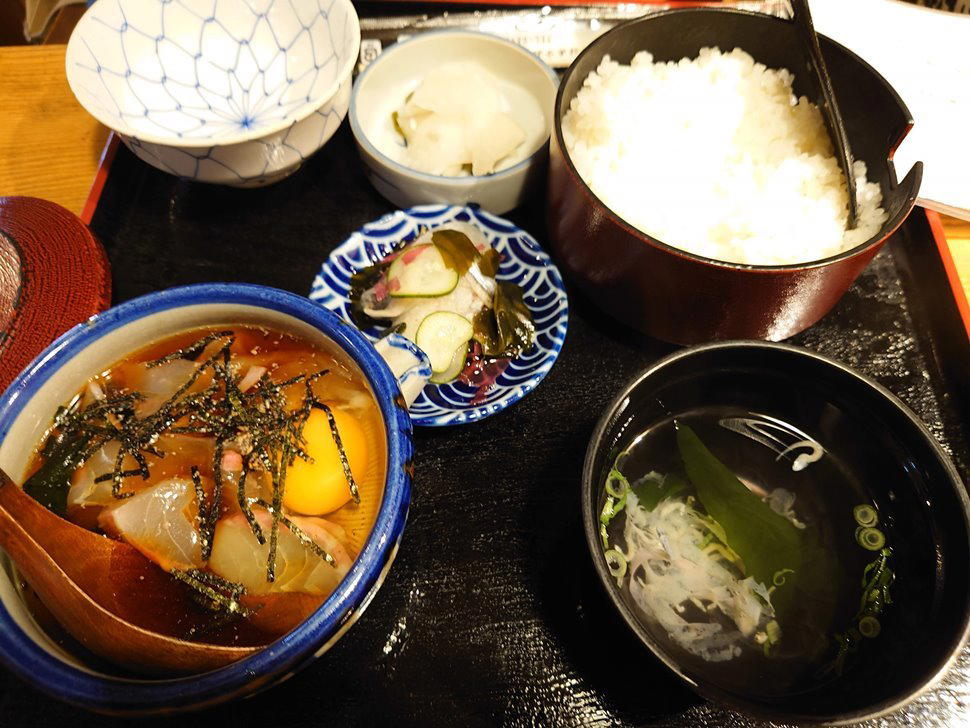
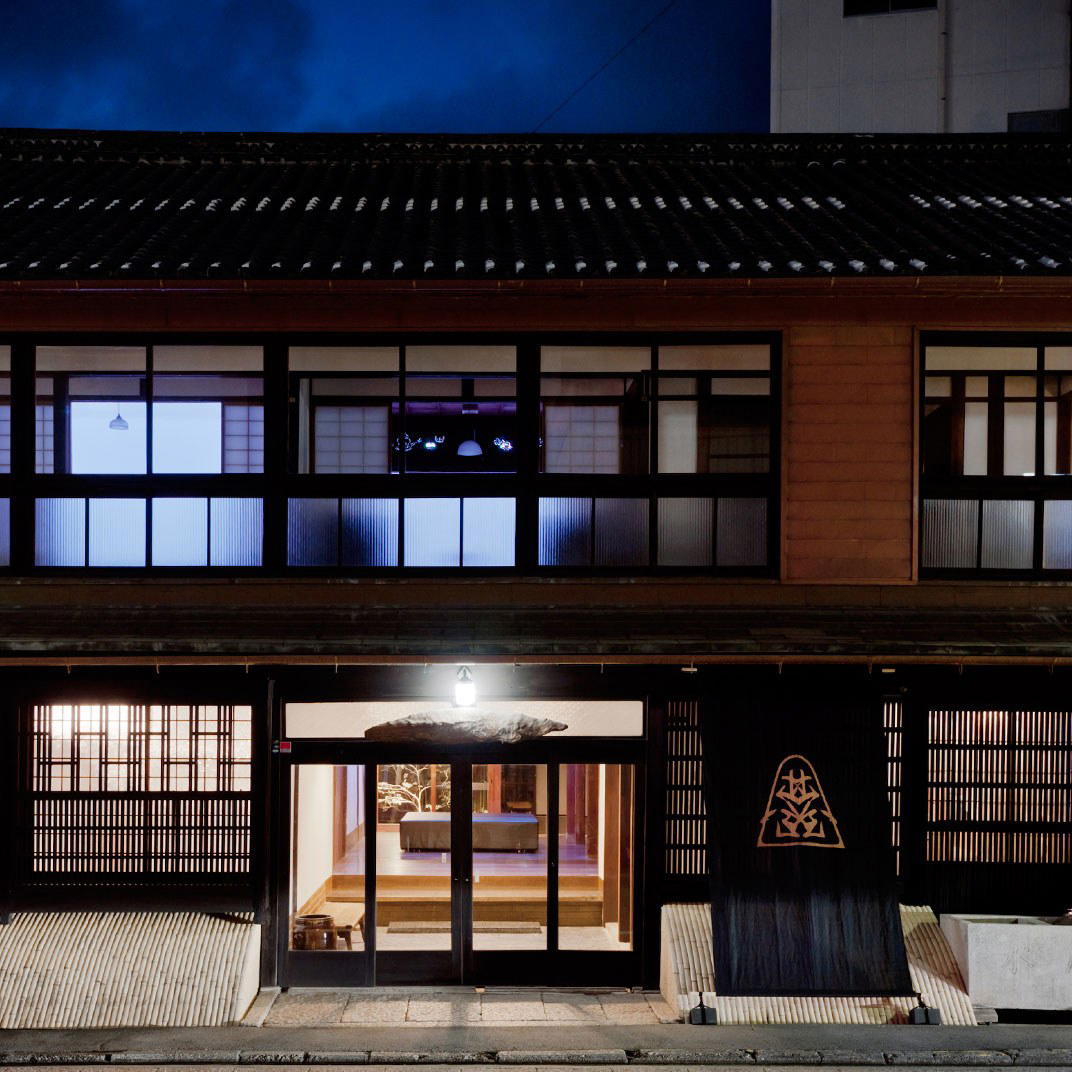
Tomoya belongs to Uwajima’s small but serious school of everyday seafood cooking, where regional cuisine matters more than spectacle. Its Tabelog 100 Diner selection for 2026 gives outside recognition to a local format built around cafeteria ease, private-room practicality, and the city’s deep relationship with the sea.
Pearl is the En Primeur Club membership app — saves, bookings, and concierge access live there. Same editors, same standards.
- Address
- 愛媛県宇和島市和霊元町1-3-2
- Phone
- +81895231232
- Website
- tabelog.com
 Saves & bookings on Pearl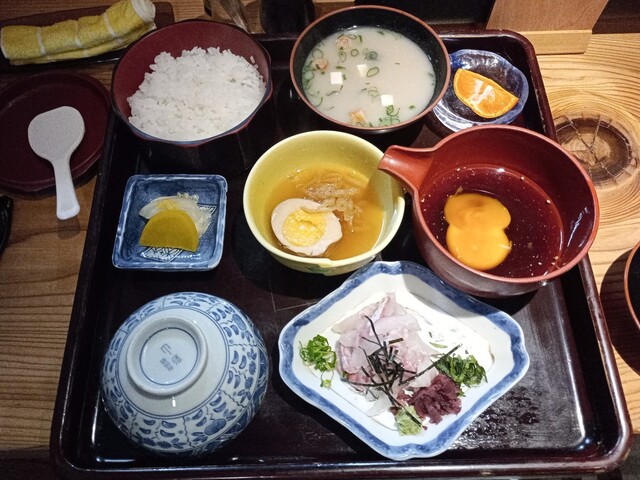
Approach a regional dining room in Uwajima and the first clue is rarely theatrical design. The signal is practical: a compact address in Warei Motomachi’s station-side fabric, a room built for meals rather than performance, and a menu category between cafeteria, regional cuisine, and seafood. That combination says more about Uwajima than a chef biography. This port city has never needed to imitate Tokyo’s counter rituals to be serious.
Tomoya matters because its recognition is not tied to luxury tasting-menu conventions. Selection for the Tabelog 100 Diner list in 2026 places it in a national category that rewards ordinary Japanese dining forms executed with enough consistency to travel beyond local habit. In a city better known to outsiders for the sea than destination dining, that tells readers to judge the meal through sourcing, local appetite, and repeat-use value, not fine-dining choreography.
Uwajima seafood culture, without the ceremony of a tasting counter
Uwajima’s food identity is inseparable from the Uwa Sea and the inland edge of southern Ehime. Its dining rooms often follow the logic of access: fish and regional dishes appear in formats locals use for lunch, family meals, and small gatherings. Cafeteria is not a downgrade here. It describes everyday utility, where value sits in what arrives from nearby waters and how directly it is served.
That helps travellers trained in Japan to chase omakase, kaiseki, or Michelin-starred French-Japanese hybrids. Uwajima asks for another reading. The cooking is less about rarity than proximity. Seafood belongs to a civic rhythm, and regional cuisine is a living habit rather than curated heritage display. Tomoya’s category mix, cafeteria, regional cuisine, seafood, sits exactly there.
The local comparison is instructive. ほづみ亭 gives Uwajima another regional-dining reference, while ビストロ ブラージュ shows the city’s smaller Western-leaning register. Together they suggest a compact dining scene, not one dominant genre. Treat Tomoya as part of a coastal food pattern: local seafood, informal service structures, and regional dishes that matter more than polish.
For a wider map, Our full Uwajima restaurants guide is the natural starting point. Travellers building a fuller stay can also cross-check Our full Uwajima hotels guide, Our full Uwajima bars guide, Our full Uwajima wineries guide, and Our full Uwajima experiences guide. Uwajima rewards that planning because meals, transport, and regional sightseeing are tightly linked.
Why a Tabelog diner selection carries weight here
Japan’s serious restaurant culture is often discussed through high-end counters, but diner and shokudo traditions are just as revealing. A Tabelog 100 Diner selection in 2026 does not turn a local cafeteria-style room into luxury. It does something more useful: identifies an ordinary category noticed at national scale. That is a different trust signal from a star rating, and for this meal style, the more relevant one.
The price positioning reinforces the point. Tomoya sits in a practical regional bracket, not the aspirational tier of major-city tasting menus. Compared with out-of-metro references such as Jidori Yaki Fukase and Teuchi Soba Iyo Okina, the pattern is clear: regional Japan’s serious everyday restaurants can carry meaningful recognition while staying closer to local dining economics than capital-city luxury.
That is why ingredients matter. In port-adjacent cities, seafood restaurants need not explain provenance with elaborate storytelling when geography already does some work. Look for a meal reflecting southern Ehime’s relationship with fish and regional dishes, not imported luxury cues. The format’s strength is restraint: a room serving the city’s appetite directly, with award recognition as confirmation rather than theatre.
Tomoya also separates itself from pages built on chef mythology. No named chef is needed to understand the appeal. The evidence is structural: regional-cuisine classification, seafood orientation, non-smoking status, private-room availability, and national diner-list selection. Those details place it in a practical Japanese tradition where repeatability and local relevance matter more than personality branding.
How to place it within a Japan itinerary
Tomoya makes most sense for travellers already committing to Uwajima rather than using the city as a quick detour. Its value is bound to place: southern Ehime, station-side access, and a seafood culture clearer when paired with the harbour and regional food habits. It is not competing with Tokyo counters or Kyoto kaiseki rooms; it belongs to another decision set.
For readers comparing across Japan, that distinction prevents category confusion. A beef-focused stop such as -Grilled beef Sukiyaki- KAMAKURA TANUKIAN 鎌倉 たぬき庵 in Kamakura, a Tokyo seafood-and-charcoal address like . 鮪と炭火焼き うお炭 秋葉原店 in Tokyo, or urban casual rooms such as.cafe in Osaka and.know in Kumamoto answer different travel questions. Uwajima suits readers seeking a regional meal anchored by local context rather than metropolitan momentum.
The same applies to smaller-format Japanese dining across the country: (Shoku) Vietnam in Kawasaki, [Curry Senmon Ten] Maruyama Kyoju. in Sapporo, [ki:] in Kyoto, #肉といえば松田 奈良本店 in Kashihara, and 1/3 HAMBURGER FACTORY in Kanazawa show how tightly categories can be tied to local demand. Even overseas Japanese-leaning formats such as Jōdo Saké Bar in Los Angeles and Onigiri Time in Pasadena underline the lesson from another angle: format matters, and should be judged on its own terms.
The editorial read is clear. Tomoya is a serious regional table because it does not ask to be misread as a luxury export. It belongs to Uwajima’s working seafood culture, with national diner-list recognition giving travellers reason to pay attention. Go for the city’s ingredient logic, the informal Japanese dining tradition, and the way a modest category carries authority when rooted in place.
A Quick Peer Check
Comparable venues by cuisine and price in the same metro.
| Venue | Cuisine | Price | Notes |
|---|---|---|---|
| TomoyaThis venue — the venue you are viewing | Traditional Uwajima seafood cafeteria | $$ | Not listed |
| ほづみ亭 | 宇和島郷土料理 大衆割烹 | $$ | 新町 |
| 菊屋 | Traditional Japanese Noodles (Chanpon & Udon) | $ | 中央町 (Chuo-cho) |
| ビストロ ブラージュ | French Bistro | $$ | 中央町 |
| Maruyoshi Shokudo | Traditional Miyako Soba | $$ | Gusukube |
| Restaurant Hagi | Traditional Japanese Family Dining | $$ | Nagato City |
Recognition history
Dated appearances from independent guides and award organizations, with the underlying list record or original source where available.
Tabelog 100 #22 · No. 22
Tabelog · Tabelog 100 - Diner - 2026

At a Glance
- Cozy
- Classic
- Solo
- Family
- Group Dining
- Casual Hangout
- After Work
- Private Dining
- Standalone
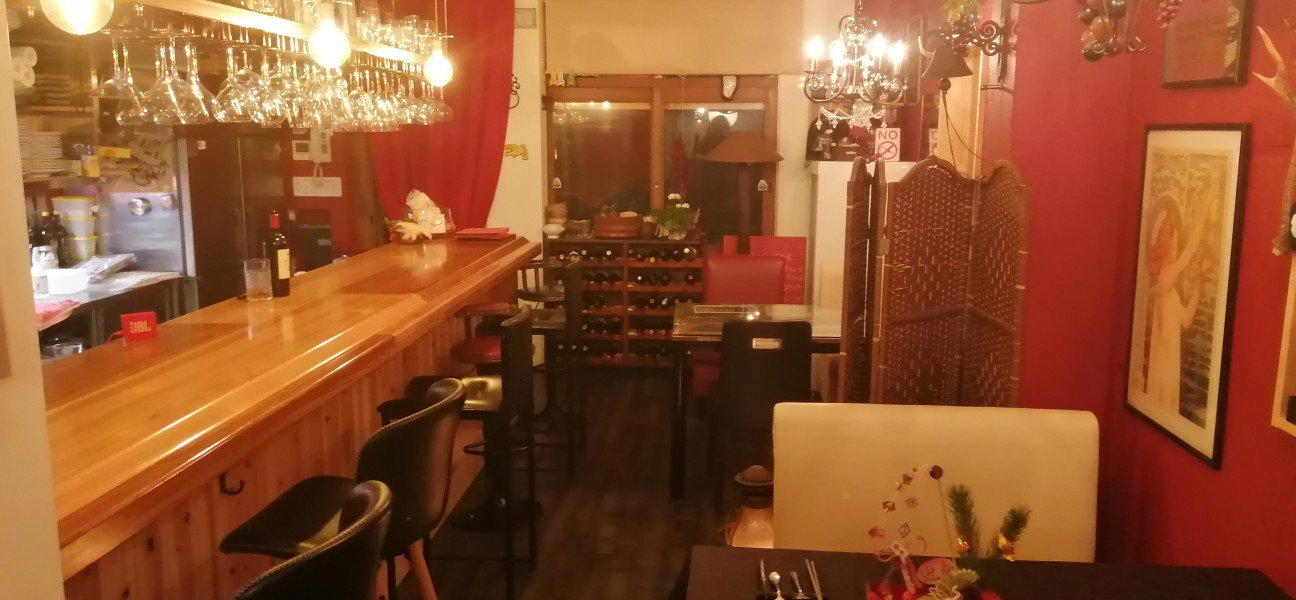
Casual, no-smoking neighborhood cafeteria with simple interiors and counter-oriented seating, focused on fresh regional seafood and set meals rather than design-driven decor.