
Tabelog 100 #18
Our verdict
白井屋ザ・レストラン pairs Innovative Joushu Cuisine with an open kitchen, chefs counter, and extended dinner service in Maebashi; Tabelog 100 #18: 3.8pts in 2025.

Pearl is the En Primeur Club membership app, where members save venues, book tables and use the concierge.
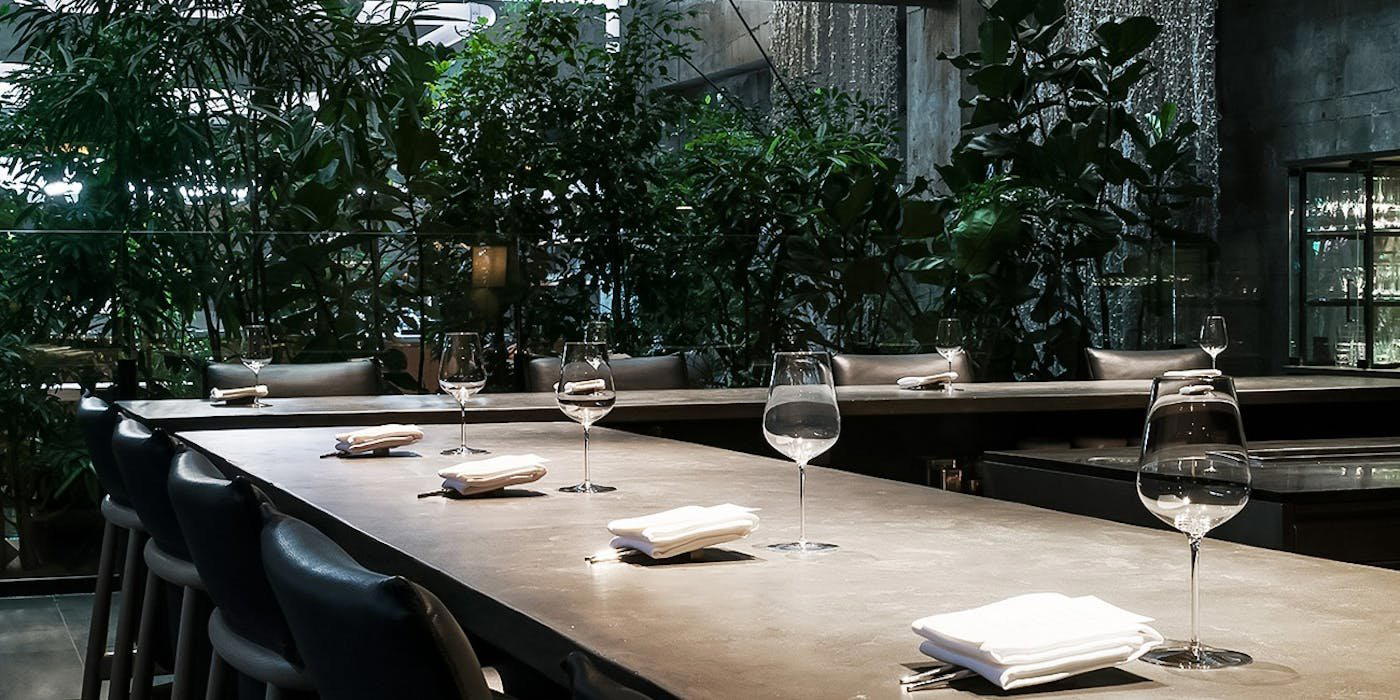
A Different Kind of Destination Restaurant
Maebashi is not a city that typically appears on Japanese fine-dining circuits. The Gunma prefectural capital sits roughly 100 kilometres northwest of Tokyo, close enough for a day trip, far enough to feel genuinely removed from the capital's restaurant density. That distance, however, has not insulated it from serious culinary ambition. 白井屋ザ・レストラン (Shiraiya The Restaurant) occupies a position inside the renovated Shiraiya Building on Honmachi, a 2-chome address that places it in the older commercial heart of the city. The building itself has a history that predates contemporary dining culture by generations, and the renovation that houses the restaurant represents a broader pattern visible across regional Japanese cities: repurposed heritage structures becoming anchors for contemporary hospitality. See our full Maebashi restaurants guide for the wider picture of where the city's dining scene currently sits.
Gunma as a Producing Region
The editorial case for ingredient-sourcing as the dominant frame here is not arbitrary. Gunma Prefecture has a strong agricultural identity that most visitors travelling through on the Shinkansen corridor never register. The prefecture produces significant volumes of konnyaku (konjac), cabbage, and various root vegetables, and its proximity to mountain terrain means access to foraged produce that chefs in Tokyo sometimes source at considerable logistical cost. A restaurant anchored in Maebashi rather than imported into it has direct relationships with that supply chain in ways that urban fine-dining venues typically cannot replicate. The broader trend in Japanese contemporary cuisine, visible at venues like HAJIME in Osaka and Goh in Fukuoka, is toward hyper-regional sourcing as a differentiator rather than an afterthought. Shiraiya The Restaurant participates in that movement from a geographic position that is genuinely productive rather than performatively local.
This distinction matters when placing the restaurant in a national context. Tokyo's leading counters, from Harutaka to the French-kaiseki hybrids that populate the upper price brackets, operate at a remove from their ingredient origins. The sourcing story is real but mediated through multiple intermediaries. A regional restaurant with direct farm and forager access compresses that chain. Whether that compression translates into a discernibly different plate is the question any serious diner should bring to the table, and it is what makes destinations like this worth examining alongside more obvious choices.
The Regional Fine-Dining Tier in Japan
Japan's Michelin geography has expanded considerably since the guides first concentrated on Tokyo and Kyoto. Prefectural capitals that once had no guidebook presence now support restaurants competing credibly with urban peers. Gion Sasaki in Kyoto and akordu in Nara represent different models of how regional addresses can build reputations that draw visitors rather than simply serving locals. The Shiraiya project in Maebashi follows a comparable logic: anchor a serious restaurant to a heritage site, source aggressively from the surrounding prefecture, and position the venue as a reason to travel rather than a consolation for those already in the area. That framing places it alongside other regionally rooted ventures such as 一本杉川嶋 in Nanao and 湖里庵 in Takashima, where the case for travelling to eat rests substantially on what can only be tasted there.
The comparison set for a restaurant at this address is not the same as for a Tokyo venue. It is not competing directly with the omakase counters of Ginza or the tasting-menu rooms of Nishiazabu. Its competitive peer group includes other destination restaurants in secondary Japanese cities where the ingredient provenance and architectural context together form the proposition. Visitors who have made similar journeys to venues like 古代山乃井 in Sapporo or 奥羽本線 in Nishikawa Machi will recognise the format: a restaurant that asks you to commit to the journey as part of understanding what is on the plate.
The Building and the Room
Arriving at the Shiraiya Building from Maebashi's central axis, the structure reads as a considered intervention in a cityscape of mixed architectural ages. The renovation that created the hotel and restaurant complex has received significant attention within Japanese architectural press, and the restaurant space reflects an approach to material and atmosphere that treats the existing fabric of the building as primary rather than cosmetic. This is not the approach of fitting a contemporary dining room into a neutral shell; it is closer to the model seen at heritage-hotel restaurants across Japan, where the space itself contributes to the meal's context. The address at 2 Chome-2-15 Honmachi places guests in a historically layered part of the city, which is a different experience from dining in a purpose-built tower or a converted warehouse on a former industrial site.
Placing Shiraiya in the International Conversation
For readers who calibrate fine dining against international reference points, the relevant comparison is less about cuisine style and more about the model of regional destination restaurants built around a sourcing philosophy. Le Bernardin in New York City and Atomix in New York City both demonstrate how a coherent sourcing and technique philosophy can anchor a restaurant's identity across years. The difference at a regional Japanese address like Maebashi is that the sourcing is geographically constrained in ways that New York's market access does not require. That constraint is a feature, not a limitation: it forces a specificity of season and place that broader supply chains make optional. Restaurants that work within that constraint consistently, as seen at bodai and cépages in Maebashi, tend to produce menus with a coherent internal logic that reflects genuine place rather than assembled cosmopolitanism.
Planning a Visit
Maebashi is served by the JR Ryomo Line from Takasaki, which connects to the Shinkansen network, making it reachable from Tokyo in approximately 90 minutes with a change. The Shiraiya Building is centrally located and accessible on foot from the main station. Given that the restaurant sits within a hotel property, contact is leading made directly through the hotel's reservation channels; as with most serious regional destination restaurants in Japan, arriving without a booking on the assumption of walk-in availability is inadvisable, particularly at weekends. For the broader context of what Maebashi offers beyond this address, including the contemporary art venues and other restaurants that make a full day or overnight stay coherent, the EP Club Maebashi guide provides neighbourhood-level detail. Visitors combining this stop with the wider Kanto and Chubu regions will find it pairs logically with excursions through Gunma's onsen towns to the northwest.
Frequently asked questions
Is 白井屋ザ・レストラン good for families?
The restaurant occupies a considered architectural space inside the Shiraiya Building in Maebashi's central Honmachi district, which points toward a deliberate, course-led dining format rather than a casual family setting. Families with older children who are comfortable with structured fine dining will be better suited than those with young children.
What kind of setting is 白井屋ザ・レストラン?
The restaurant is housed within the Shiraiya Building, a structure that reads as a considered architectural intervention along Maebashi's central axis in Honmachi, Gunma. The building context positions this as a destination address rather than a neighbourhood walk-in, with a room that reflects the building's design-conscious identity. It sits roughly 100 kilometres northwest of Tokyo, making it a genuine out-of-capital dining proposition rather than a city satellite.
Why do diners travel from Tokyo to eat at 白井屋ザ・レストラン in Maebashi?
Maebashi sits roughly 90 minutes from Tokyo via the Shinkansen-to-Ryomo Line connection, and 白井屋ザ・レストラン represents the kind of regionally-anchored dining proposition that has driven Japan's expanding fine-dining geography beyond the capital and Kyoto. Gunma Prefecture carries a distinct agricultural identity, and a restaurant positioned inside the architecturally deliberate Shiraiya Building in Honmachi gives the visit a dual purpose, design and table, that a straightforward city restaurant cannot replicate. For diners tracking Japan's regional fine-dining tier, Maebashi has become a credible stop precisely because of addresses like this one.
What do regulars order at 白井屋ザ・レストラン?
Regulars at this tier of Japanese regional fine dining typically follow a set course format, so ordering à la carte may not reflect the kitchen's intended approach.
What part of town is 白井屋ザ・レストラン in?
白井屋ザ・レストラン is located at Japan, 〒371-0023 Gunma, Maebashi, Honmachi, 2 Chome−2−15 白井屋ビル, Maebashi.
What's the best way to book 白井屋ザ・レストラン?
The restaurant is located at 白井屋ビル, 2 Chome-2-15 Honmachi, Maebashi, Gunma, the Shiraiya Building serves as its physical address anchor. Given the destination nature of a visit from Tokyo, approximately 90 minutes via Shinkansen to Takasaki, then the JR Ryomo Line, advance planning is advisable.
Quick Comparison
Comparable venues nearby, for context on price, style, and recognition.
| Venue | Cuisine | Price | Awards | Notes |
|---|---|---|---|---|
| 白井屋ザ・レストランThis venue (the venue you are viewing) | Innovative Joushu Cuisine (Gunma Regional Fine Dining) | $150–200 | Tabelog 100 #18 | Not listed |
| cépages | Contemporary French with Gunma Influences | $200–300 | Tabelog Bronze #45 | Chiyoda-cho |
| Kokuya | Traditional Unagi & Fugu Restaurant | $30–50 | Tabelog 100 #48 | Central Maebashi |
| nagi | Creative Japanese Izakaya | $50–100 | Tabelog 100 #91 | Central Maebashi |
| el viento | Spanish Tapas & Paella | $30–50 | Tabelog 100 #97 | Central Maebashi |
| Indian Shokudo Charakara | South Indian canteen-style curry house | $10–20 | Tabelog 100 #24 | Soja |
Recognition history
Dated appearances from independent guides and award organizations, with the underlying list record or original source where available.
Tabelog 100 #18 · No. 18
Tabelog · Tabelog 100 - French - EAST - 2025
Continue exploring
More in Maebashi
Restaurants in Maebashi
All restaurants in Maebashi →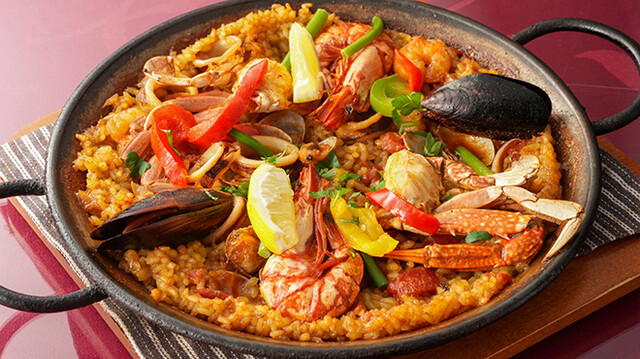
Hotels in Maebashi
All hotels in Maebashi →
Wineries in Maebashi
Browse all →
Details
- Elegant
- Modern
- Sophisticated
- Intimate
- Special Occasion
- Date Night
- Celebration
- Open Kitchen
- Hotel Restaurant
- Design Destination
- Chefs Counter
- Sake Program
- Sommelier Led
- Natural Wine
- Local Sourcing
- Farm To Table
- Omakase
- Tasting Menu
- Sake
- Wine
- Non Alcoholic Pairings
- Allergy Accommodating
- Vegetarian Friendly
Contemporary art-infused dining space with theatrical open kitchen design, sophisticated minimalist aesthetic, and theatrical presentation of innovative cuisine.