
Chisou Ikadaya is a reservation-only Japanese restaurant in Kiryu with a fish-led kitchen, sake and wine, and recognition in Tabelog’s Japanese cuisine EAST 100 selection for 2025 and 2023. Its appeal sits less in urban spectacle than in a regional dining format: counter seats, private rooms, tatami space, and a house-restaurant setting that makes sourcing and seasonality the point.
Pearl is the En Primeur Club membership app — saves, bookings, and concierge access live there. Same editors, same standards.
- Address
- Ainoshima Hirosawacho, Kiryu, Gunma 376-0014, Japan
- Phone
- +81 277-46-8814
- Website
- instagram.com
 Saves & bookings on Pearl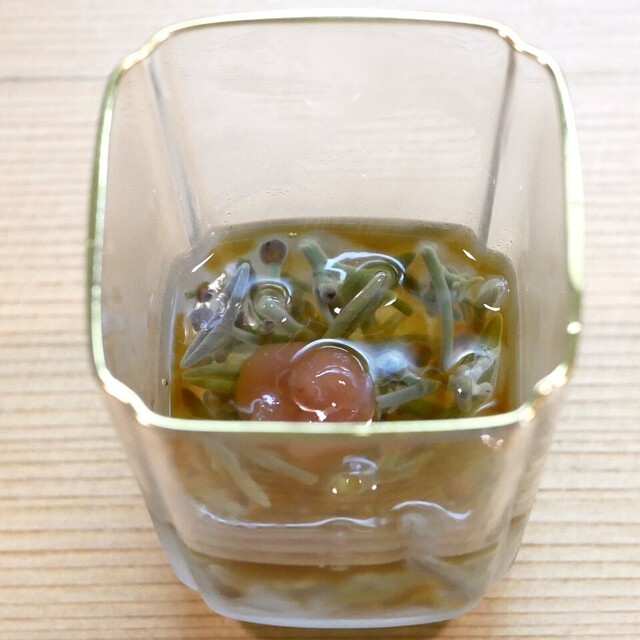
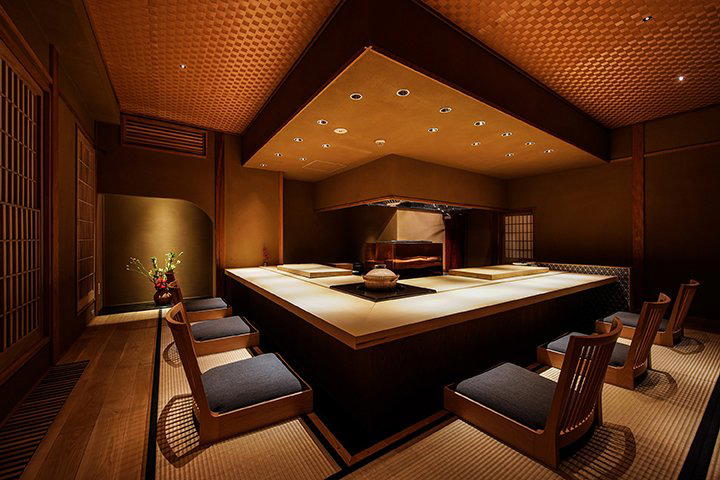
Approaching a serious Japanese restaurant in Kiryu changes the tempo of the meal before anything reaches the table. This is not the theatrical grammar of a Tokyo counter built for international dining traffic. The setting is quieter, more residential, and more dependent on trust: a house-restaurant format, counter seating for a small group, tables, tatami space, and private rooms that shift the experience toward conversation, pacing, and the kitchen’s control of ingredients.
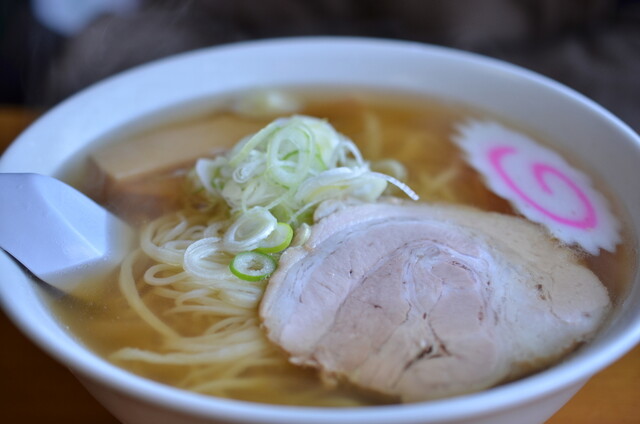
Chisou Ikadaya belongs to a category that matters in regional Japan: Japanese cuisine houses where fish sourcing, sake, and seasonality carry more weight than a chef’s public persona. The restaurant is listed for Japanese cuisine, with a stated focus on fish and a drinks program that includes sake and wine. That combination places it in a different bracket from Kiryu’s everyday dining addresses, including PIZZERIA DA MAKI and Ramen Shibahama, where price point and format point to a more casual rhythm. Here, the meal is built around a higher-spend Japanese cuisine experience rather than a quick local stop.
Fish-led Japanese cooking, away from the metropolitan circuit
Regional Japanese dining often reveals itself through procurement rather than decoration. In cities outside the major tourist corridors, the serious restaurant question is not whether the room can mimic Ginza or Kyoto; it is whether the kitchen can secure ingredients with enough consistency to justify a controlled, reservation-led format. Chisou Ikadaya’s emphasis on fish is the key signal. In Japanese cuisine, fish is not a single category but a daily test of season, handling, temperature, knife work, and how strongly the kitchen wants the drink program to participate.
The sake emphasis matters. Fish-led Japanese cooking changes shape when nihonshu is treated as part of the table rather than a ceremonial afterthought. Sake can meet salt, fat, vinegar, broth, and grilled elements without forcing the meal into a Western pairing template. Wine broadens the table for mixed groups, but the more telling cue is the restaurant’s stated attention to sake. That points to a dining style where the progression is expected to move through multiple textures and temperatures, not simply a single plate-and-glass match.
Tabelog selected the restaurant for its Japanese cuisine EAST 100 list in 2025, with prior selection in 2023. That is a useful trust signal because the category is broad and competitive across eastern Japan, not confined to one city. The rating attached to the listing, 3.71, should be read in the Japanese context, where high scores can be conservative and category-specific. It does not turn the meal into a trophy hunt, but it does place the restaurant inside a vetted regional conversation rather than a purely local recommendation.
A small-room format changes the stakes
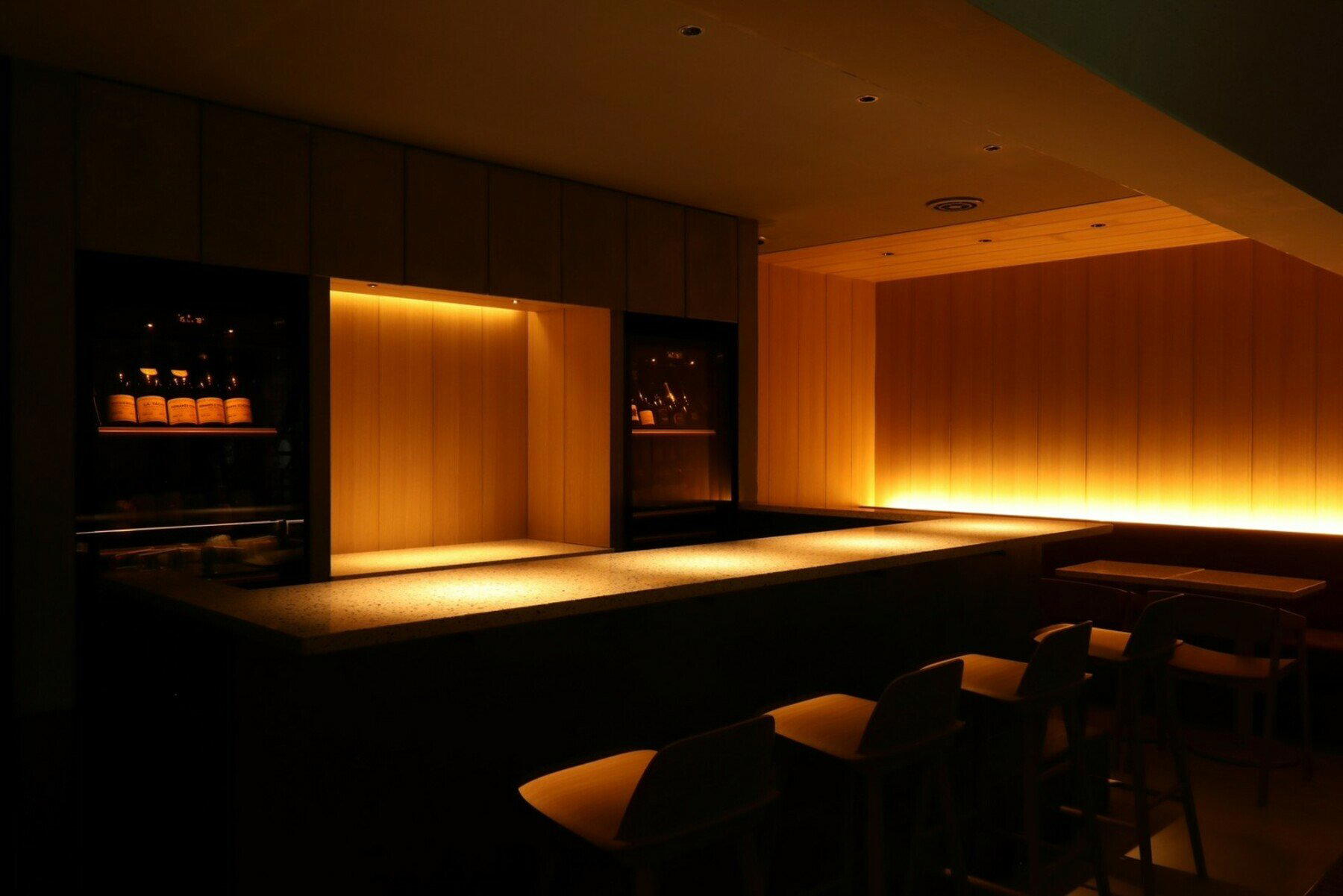
The room configuration explains the dining proposition as clearly as the award note. Counter seats for a small group, two four-person tables, a two-person table, and private rooms for groups from two to eight create several possible meals inside the same address. A counter seat suits diners who care about pacing and the kitchen’s sequence. Private rooms make sense for families, business meals, or travelers who want the formality of Japanese cuisine without the exposure of a fully open counter.
This is where Kiryu’s scale becomes part of the experience. Large cities can support endless segmentation: sushi counter, kappo counter, tempura counter, kaiseki room, izakaya, wine bar. In a smaller city, a serious Japanese restaurant often has to be more elastic. It must handle celebratory meals, family occasions, and ingredient-focused dining without losing discipline. Children are explicitly welcomed, which is notable at this price tier and makes the restaurant more flexible than many urban counters with stricter adult-only expectations.
The no-smoking policy, take-out availability, and card acceptance broaden the practical profile, but the main point is the controlled service model. A reservation-only restaurant with a compact seating plan is built to manage pacing and purchasing. That structure suits fish in particular: it reduces uncertainty, keeps the kitchen from overextending, and supports a meal where the quality of the day’s procurement can shape the table.
How to read it within Kiryu
Kiryu is not a dining city that can be judged by the same signals as Tokyo, Osaka, or Kyoto. Its better meals often depend on specificity: a ramen counter with a loyal following, a pizzeria with a narrower price band, or a Japanese cuisine house that asks diners to commit to a longer, higher-spend meal. Chisou Ikadaya sits in that last lane. It is for travelers who want to understand how refined Japanese cooking operates outside the capital’s reservation economy.
The decision is also about itinerary design. A meal here is not interchangeable with a casual stop between sightseeing blocks. It asks for a dedicated lunch or dinner window, and the payoff is a view of Kiryu dining that is anchored in local rhythm rather than imported luxury language. The restaurant’s combination of fish focus, sake, private rooms, counter seating, and Tabelog Japanese cuisine EAST 100 recognition gives it a stronger editorial case than a generic regional fine-dining address.
Use it as the serious Japanese cuisine booking in Kiryu, then build the rest of the city around contrast. For broader planning, see Our full Kiryu restaurants guide, Our full Kiryu hotels guide, Our full Kiryu bars guide, Our full Kiryu wineries guide, and Our full Kiryu experiences guide. Readers comparing broader Japanese dining formats may also find useful reference points in -Grilled beef Sukiyaki- KAMAKURA TANUKIAN 鎌倉 たぬき庵 in Kamakura, . 鮪と炭火焼き うお炭 秋葉原店 in Tokyo,.cafe in Osaka,.know in Kumamoto, (Shoku) Vietnam in Kawasaki, [Curry Senmon Ten] Maruyama Kyoju. in Sapporo, [ki:] in Kyoto, #肉といえば松田 奈良本店 in Kashihara, 1/3 HAMBURGER FACTORY in Kanazawa, Jōdo Saké Bar in Los Angeles, and Onigiri Time in Pasadena.
How It Stacks Up
Comparable venues by cuisine and price in the same metro.
| Venue | Cuisine | Price | Awards | Notes |
|---|---|---|---|---|
| Chisou IkadayaThis venue — the venue you are viewing | Japanese Cuisine | $$$ | , | |
| Ramen Shibahama | Morning ramen and noodle sets | $$ | , | Aioicho |
| PIZZERIA DA MAKI | Neapolitan Pizza | $$ | , | Nishikicho |
| Ueno (うえの) | Traditional Japanese Anagomeshi | $$$ | , | Miyajimaguchi |
| Matsugen (松玄 恵比寿) | Handmade Soba Noodles | $$$ | , | Ebisu |
| Syokusai Hirafu (食彩 比羅夫) | Traditional Japanese Sushi & Sashimi | $$$ | , | Hirafu |
Continue exploring
More in Kiryu
Restaurants in Kiryu
Browse all →
Hotels in Kiryu
Browse all →
Wineries in Kiryu
Browse all →
At a Glance
- Date Night
- Casual Hangout
- After Work
- Standalone
- Sake Program
- Beer Program