Our verdict
幸寿し occupies a quiet address in Tawara, Fukui, where the rhythms of a neighbourhood sushi-ya set it apart from the prefecture's more visible dining options. Fukui's access to the Sea of Japan places it within one of Japan's most productive fishing corridors, and a sushi counter here operates close to that source. Visitors planning around this address will find a setting that rewards advance thought.

Pearl is the En Primeur Club membership app, where members save venues, book tables and use the concierge.
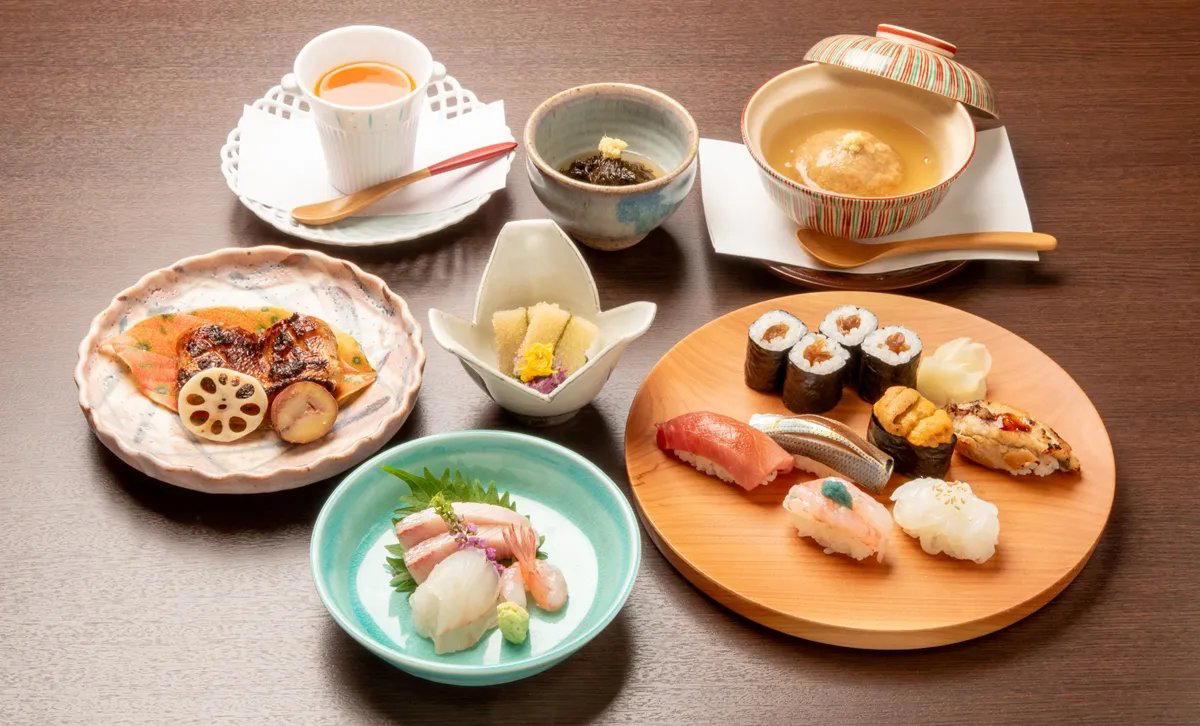
Fukui and the Sea of Japan Counter
Fukui Prefecture sits on Japan's Noto-adjacent Sea of Japan coast, a stretch of water that supplies crab, yellowtail, and flat-fish varieties that rarely appear at this proximity to their catch anywhere else in the country. The prefecture is not a primary destination on Japan's established dining circuit, which means the sushi counters operating here compete against a different benchmark than their counterparts in Osaka or Tokyo. At venues like Sushi Jubei and others across the city, the argument for eating in Fukui rests on sourcing proximity rather than on Michelin accumulation or media profile. 幸寿し, addressed at 1 Chome-1-3 Tawara, sits within that framework: a neighbourhood sushi address in a city where the ingredient pipeline, not the prestige ladder, sets the terms.
That context matters because it shapes expectations appropriately. Visitors arriving from reservations at Harutaka in Tokyo or Gion Sasaki in Kyoto will find a different register here: quieter, more local in its cadence, and far less theatrically staged. That is not a concession, it is a different proposition entirely, and one that serious fish eaters in Japan have understood for some time. The Sea of Japan corridor, which also feeds addresses like 一本杉川島 in Nanao, produces winter snow crab (Echizen kani) that defines Fukui's seasonal identity in ways that no other single ingredient defines a Japanese prefecture quite so completely.
The Lunch and Dinner Divide at a Neighbourhood Counter
At sushi counters of this type across provincial Japan, the gap between lunch and dinner service is structural, not merely atmospheric. Lunch formats in these settings tend toward fixed-price sets that move at a faster pace, draw office workers and local regulars, and operate with tighter portion counts. Evening service shifts into a more open-ended cadence, where the counter's relationship with its supplier becomes visible through the day's catch rather than a pre-set menu architecture.
The practical implication for a visitor is significant. An evening visit to a neighbourhood sushi-ya in a city like Fukui typically offers more interaction with the itamae, longer pacing between pieces, and a better window into what has arrived from the fish market that day. A lunch visit offers value and access, often easier to secure, and a legitimate way to sample the counter's fundamentals without the time investment of an extended evening sitting. Both have merit, but they serve different purposes.
For context, this dynamic plays out across Japanese sushi culture at all price points. Even at addresses as rarefied as HAJIME in Osaka, the distinction between midday and evening service carries weight in terms of format and composition. At the neighbourhood level in Fukui, the divide is less about price tier and more about rhythm and availability. Visitors who prioritize a less pressured introduction to the counter's style often find that lunch delivers exactly that.
Tawara and the City's Dining Character
The Tawara address places 幸寿し within central Fukui, a compact city that rewards walking between its dining options rather than planning around transport logistics. The city's eating culture sits in a register that feels closer to Kanazawa in its quiet confidence than to the louder dining theatrics of the major urban centres. Kaikatei and Miyazaki represent different facets of that local character, and the city's dining identity is spread across formats rather than concentrated in a single district.
For travellers building a longer Kansai or Hokuriku itinerary, Fukui functions as a half-day or full-day detour from the Shinkansen corridor rather than a terminal destination. Addresses like akordu in Nara and Goh in Fukuoka demonstrate that Japan's most interesting eating often happens at exactly this distance from the primary circuit. The same principle applies here.
The broader Fukui dining picture, covered in our full Fukui restaurants guide, includes addresses across cuisine types and formats, from the Chinese kitchen at Kaikatei to Japanese format specialists like 壽し濱 and 御料理 一心. 幸寿し occupies a neighbourhood tier within that picture rather than a destination-dining bracket, which clarifies both how to book it and what to bring to the meal.
Planning a Visit
Neighbourhood sushi-ya in Japanese provincial cities often rely on local referral, repeat custom, and word-of-mouth rather than online reservation infrastructure. The absence of a listed website or phone number in major English-language platforms is consistent with a certain class of address in cities like Fukui, where direct walk-in or local introduction remains the primary entry point.
Visitors arriving without a local contact should plan for flexibility. Arriving at the Tawara address and assessing lunchtime availability directly is a realistic approach, particularly on weekdays when the regular clientele thins slightly. Evening walk-in availability at counters of this type is less predictable, especially during Fukui's winter crab season, which runs roughly from November through March and represents the prefecture's peak dining draw for domestic visitors. Those planning around that window should treat any well-regarded sushi address in the city as requiring advance consideration, even if the formal booking infrastructure is minimal. Regional comparisons like 古仁屋山乃 in Sapporo and 湖畔荘 in Takashima show that Japan's leading regional counters outside the major metros operate on this kind of local-access model more often than not.
For cross-reference on what Japan's leading fish-focused restaurants look like at the upper end of the country's dining range, addresses like Le Bernardin in New York City or Atomix in New York City illustrate how fish-forward precision dining performs at a global tier. 幸寿し operates in a different register and a different economy, but the underlying logic of proximity to source and counter-format intimacy connects across categories. Comparisons with 扇羽屋 in Nishikawa Machi and Birdland in Sakai further illustrate how Japan's regional food addresses operate outside the conventional awards infrastructure.
What to Know Before You Go
What do regulars order at 幸寿し?
At neighbourhood sushi counters in Fukui generally, regulars tend to anchor on the prefecture's seasonal strengths: local flatfish and, during the winter months, Echizen kani preparations. A trusted approach at any counter of this type is to ask the itamae what arrived that morning and to defer to that answer rather than pointing at a fixed menu. In Fukui, the seasonal catch tends to be the point.
How far ahead should I plan for 幸寿し?
If you are visiting during Fukui's winter crab season (November through March), treat any well-regarded sushi address in the city as potentially difficult to access without advance planning. Visitors travelling from outside Japan who have a fixed itinerary should build time for a lunchtime walk-in rather than relying on an evening seat.
Is 幸寿し oriented toward omakase or à la carte dining?
Neighbourhood sushi counters in provincial Japanese cities like Fukui typically operate across both formats depending on the time of service: midday visits often involve set options at fixed price points, while evening service tends toward a more fluid omakase rhythm. Without specific documented data for 幸寿し, it is reasonable to approach the counter with openness to either format, and to let the itamae guide the structure of the meal. The Tawara address places it firmly in the neighbourhood counter category rather than the destination omakase tier, which suggests format flexibility is part of the experience.
Frequently asked questions
Where exactly is 幸寿し?
幸寿し is located at 1 Chome-1-3 Tawara, Fukui, 910-0018, Japan, Fukui.
Is 幸寿し suitable for visitors who don't speak Japanese?
幸寿し sits at 1 Chome-1-3 Tawara in central Fukui, a compact city without the international visitor infrastructure of Tokyo or Osaka. Neighbourhood counters at this address level across provincial Japan rarely maintain English-language menus or multilingual staff, so a basic phrase guide or translation app is a practical tool. Arranging an introduction through a Japanese-speaking contact or your accommodation in Fukui significantly smooths the experience at counters that operate on familiarity and regular custom.
What do regulars order at 幸寿し?
The Tawara address in Fukui places the counter squarely in the catchment of Sea of Japan seasonal seafood, crab, yellowtail, and flat-fish varieties that define the regional sushi tradition along this coastline. Regulars at counters of this type in Fukui tend to follow the seasonal catch rather than fixed menu items, trusting the chef's selection on any given service. Specific dish details for 幸寿し are not catalogued in public databases, which reflects how neighbourhood counters in provincial Japan typically operate: through repeat visits and direct conversation rather than printed menus.
How far ahead should I plan for 幸寿し?
Booking details for 幸寿し are not publicly listed across aggregated travel platforms, which is consistent with small neighbourhood counters in central Fukui that rely on local word-of-mouth and returning clientele. Arriving in Fukui and making contact through your accommodation, ryokan concierges and hotel staff in the city tend to hold the informal lines on counters like this, is often more effective than searching online. Building at least a few days of lead time into your Fukui itinerary is a reasonable starting point.
Cuisine and Credentials
Comparable venues nearby, for context on price, style, and recognition.
| Venue | Cuisine | Price | Awards | Notes |
|---|---|---|---|---|
| 幸寿しThis venue (the venue you are viewing) | Edomae Sushi | $30–50 | Not listed | Not listed |
| 御料理 一燈 | Japanese | Not listed | Not listed | Fukui |
| Tengiku Ten | Traditional Tempura & Unagi Counter | $50–100 | Tabelog 100 #26 | Junka, Fukui City |
| Soba Yasutake | Traditional Fukui Soba Noodle Shop | $10–20 | Tabelog 100 #3 | Not listed |
| çå µè¡ | japanese | Not listed | Not listed | Fukui |
| Sushi Jubei | Traditional Fukui Omakase Sushi | Not listed | Not listed | Bunkyo |
Continue exploring
More in Fukui
Restaurants in Fukui
All restaurants in Fukui →
Details
- Classic
- Cozy
- Intimate
- Date Night
- Solo
- Special Occasion
- Chefs Counter
- Open Kitchen
- Sake Program
- Local Sourcing
- Sustainable Seafood
- Omakase
- Counter Dining
- A La Carte
- Pescatarian Friendly
Current opening hours
- Monday
- 12–2 PM, 5–10 PM
- Tuesday
- 12–2 PM, 5–10 PM
- Wednesday
- 12–2 PM, 5–10 PM
- Thursday
- Closed
- Friday
- 12–2 PM, 5–10 PM
- Saturday
- 12–2 PM, 5–10 PM
- Sunday
- 12–2 PM, 5–10 PM
Hours can change for holidays and private events. Last verified .
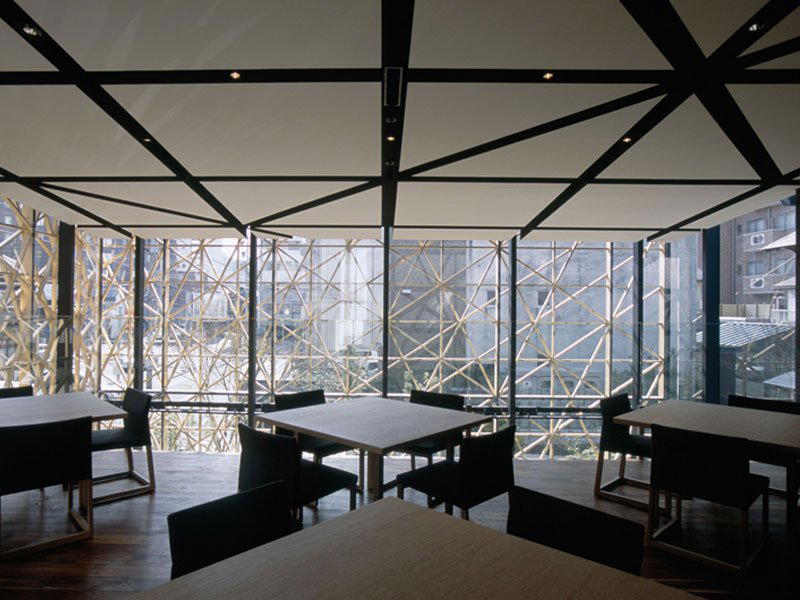
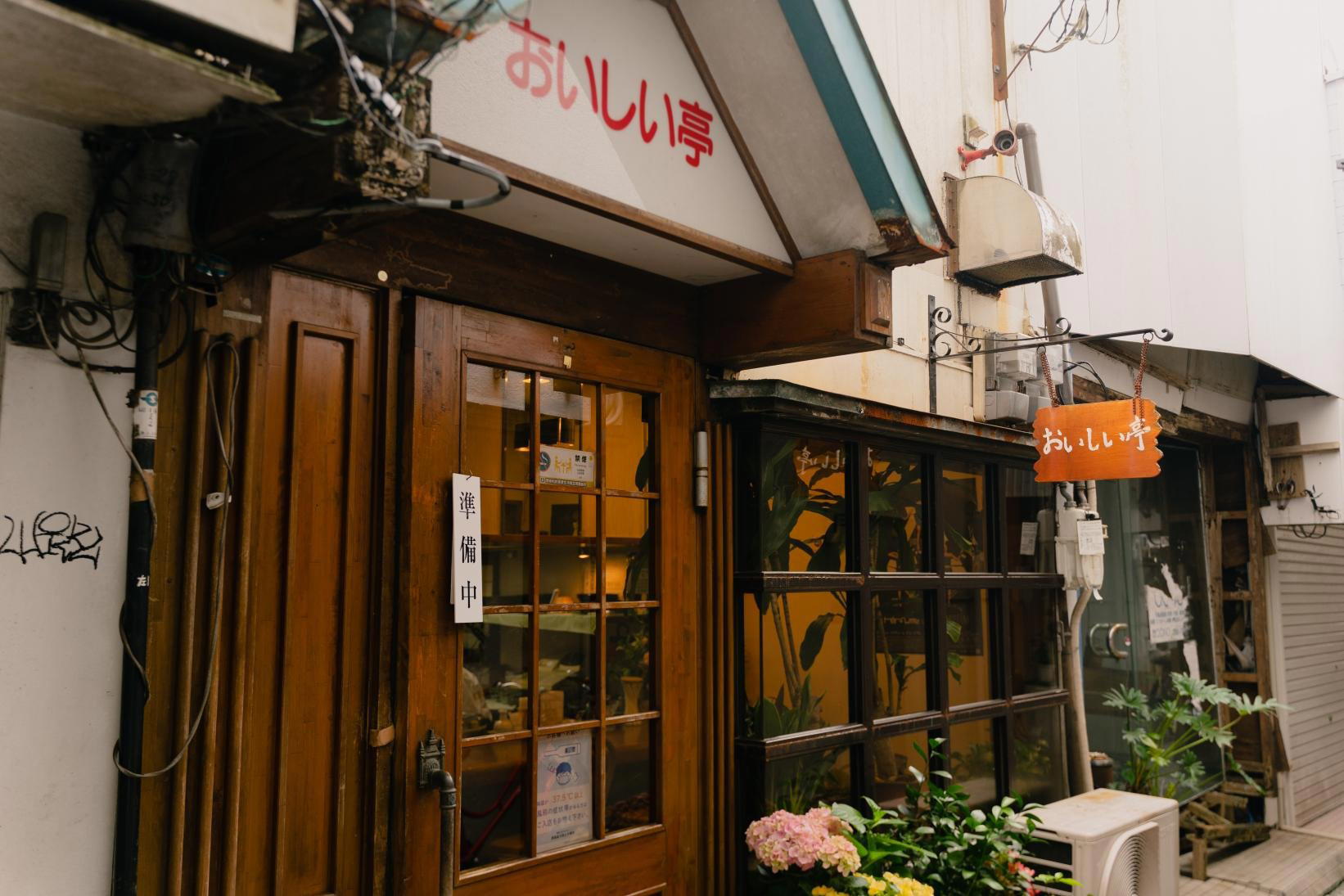
Homey atmosphere with a traditional counter seating overlooking the sushi chef and warm conversations.