Our verdict
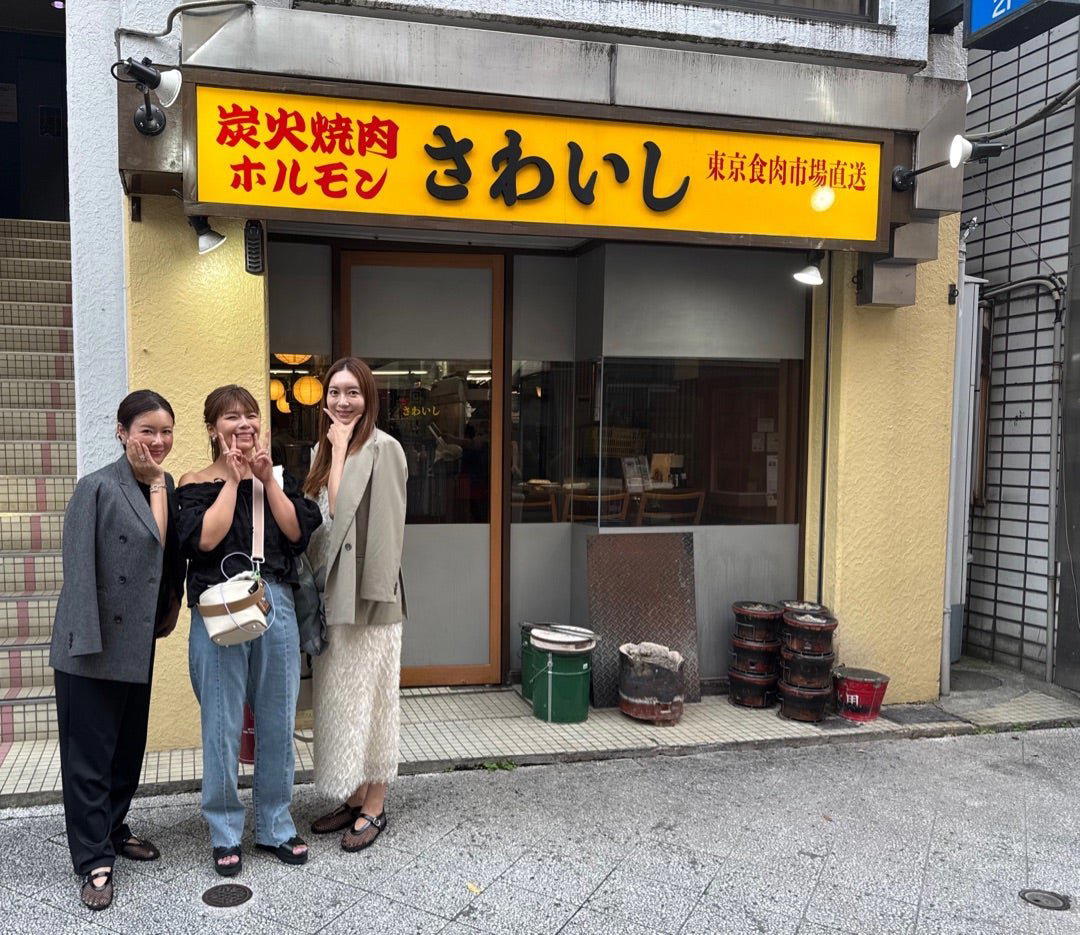
炭火焼肉ホルモンさわいし occupies a spot in Kawasaki's Nakahara Ward that speaks to a persistent local appetite for charcoal-grilled yakiniku and offal cuts done without ceremony. The format here is rooted in a tradition that prizes the quality of the cut over elaborate presentation. For those drawn to the smoky, direct pleasures of Japanese horumon culture, this address in Shinjo delivers on that specific brief.

Pearl is the En Primeur Club membership app — saves, bookings, and concierge access live there. Same editors, same standards.
- Address
- Japan, 〒211-0044 Kanagawa, Kawasaki, Nakahara Ward, Shinjo, 1 Chome−10−14 鶴田第一ビル
- Hours
- Mon ClosedTue–Sat 5–10:30 PMSun Closed
- Website
- tablecheck.com
- Directions
- Get directions
- Booking
- Book on TableCheck
Charcoal and Offal: The Yakiniku Tradition That Shapes This Corner of Kawasaki
The smell reaches you before anything else does. Charcoal smoke drifting from a yakiniku-ya carries a specific cultural weight in Japan — one that connects postwar street food, Korean-Japanese culinary exchange, and a deeply pragmatic approach to the whole animal. In Kawasaki's Nakahara Ward, where residential blocks and light industrial zones exist side by side, that tradition finds a natural home. 炭火焼肉ホルモンさわいし sits in the Tsurada Daiichi Building on Shinjo 1-chome, part of a ward that has long supported a working-class food culture with little patience for pretension and considerable appetite for the cuts that more polished establishments tend to overlook.
Horumon — the collective term for offal cuts grilled over open flame, has a complicated etymology in Japan. One reading traces the word to the Osaka dialect for "discarded things," another to the German-derived term for hormones, referencing the cuts' nutritional density. Either way, the food itself is unambiguous: intestines, liver, heart, and stomach, cleaned and prepared to withstand the intensity of direct charcoal heat, often served with a sharp tare dipping sauce and cold beer. This is a category that demands confidence from the kitchen and engagement from the diner. It is not background eating.
What Yakiniku Culture Looks Like in a City Like Kawasaki
Kawasaki occupies an interesting position in the greater Tokyo dining orbit. Large enough to support a diverse restaurant scene, close enough to Tokyo that residents move fluidly between the two, it has developed a food culture that tends toward the direct and the neighbourhood-rooted rather than the destination-driven. The city's Nakahara Ward, where 炭火焼肉ホルモンさわいし operates, is not the kind of area that draws critics from the capital looking for the next Michelin recommendation, and that is precisely what allows places like this to exist on their own terms.
In Japan's broader yakiniku scene, the category has split between two poles over the past two decades. At one end, premium wagyu counters in Ginza and Nishiazabu charge per-gram prices for A5 cattle and offer curated courses with sake pairings, a format that draws some comparison to the high-end omakase model seen at counters like Harutaka in Tokyo or Gion Sasaki in Kyoto, where the tasting structure itself becomes the experience. At the other end, neighbourhood yakiniku-ya and horumon specialists maintain the format's original social function: a table with a grill, a menu of cuts priced accessibly, and the expectation that diners will cook their own food and linger. 炭火焼肉ホルモンさわいし belongs to the latter tradition.
This distinction matters because it shapes everything from pacing to price to the demographic that fills the seats on a weeknight. Neighbourhood horumon spots are not quieter or simpler than their premium counterparts, in many cases, they are louder and more chaotic, but they operate by different social rules. The grill is communal property. The smoke is part of the atmosphere. The offal cuts require a certain baseline knowledge to order and cook well, which gives regulars a distinct advantage over first-time visitors.
The Cultural Roots of Horumon Grilling
To understand horumon yakiniku is to engage with one of the more significant threads in Japanese culinary history. The dish is closely associated with the Zainichi Korean community, ethnic Koreans who settled in Japan, particularly after World War II, and with the broader Korean-Japanese food exchange that shaped cities like Osaka, Kobe, and Kawasaki itself, which has a historically significant Zainichi population. The charcoal grill format, the use of offal cuts, and the table-grilling ritual all carry traces of Korean barbecue tradition, filtered through decades of local adaptation.
This cultural lineage gives horumon restaurants a context that goes beyond the food on the grill. Establishments in this category are often family-operated, draw on inherited recipes and sourcing relationships, and serve communities with long memories. The comparison with more globally-oriented Japanese fine dining, the kaiseki ambition of HAJIME in Osaka or the refined seasonal approach of akordu in Nara, is instructive precisely because the value systems are so different. Horumon culture does not seek external validation through awards or press coverage. Its legitimacy is local and generational.
Kawasaki's Nakahara Ward: A Neighbourhood That Eats Well Without Fanfare
Nakahara Ward is home to Musashi-Kosugi, a station area that has undergone significant redevelopment over the past decade and now supports a considerably more varied restaurant scene than it did a generation ago. But Shinjo, where 炭火焼肉ホルモンさわいし is located, sits slightly apart from that redevelopment pressure, the kind of sub-neighbourhood where older formats survive because the rent economics and the local clientele both support them. Other Kawasaki spots worth knowing in the broader dining context include Gatagataya and Sawaishi, as well as the more internationally-oriented カリフォルニア・ピザ・キッチン ラゾーナ川崎店 if you want a different gear entirely. For a broader sense of where 炭火焼肉ホルモンさわいし fits within the city's food map, the full Kawasaki restaurants guide is a useful reference.
For those who want to place Kawasaki's food culture in a wider regional context, it is worth noting that the city sits within a greater Kanto dining ecosystem that also includes strong regional specialists across Japan: the robata traditions covered by venues like 一本木 能川製 in Nanao, the northern Japanese approaches documented at 古代山乃 in Sapporo, and the lake-adjacent kaiseki of 湖南荘 in Takashima. Each of these represents a regional food culture operating on its own logic, much as horumon yakiniku does in Kawasaki.
Planning Your Visit
炭火焼肉ホルモンさわいし is located at 1 Chome-10-14 Shinjo, Nakahara Ward, Kawasaki, Kanagawa, within the Tsurada Daiichi Building. As with most neighbourhood yakiniku establishments of this type in Japan, arriving early on weekends is advisable; popular horumon spots fill quickly, and the format does not lend itself to rushed turnover. This is a category where the walk-in experience is part of the culture; reservations, if available at all, are typically taken by phone.
Frequently asked questions
Is 炭火焼肉ホルモンさわいし child-friendly?
Charcoal yakiniku restaurants in Japan vary considerably on this point. The live-fire tabletop grilling format at a horumon-focused venue like this one requires adult supervision around open coals, and the offal-heavy menu is not typically aimed at younger diners. Families with older children who are comfortable with the format should be fine, but it is not a natural first choice for toddlers or very young kids.
Is 炭火焼肉ホルモンさわいし better for a quiet night or a lively one?
Neighbourhood horumon yakiniku-ya in Kawasaki tend toward the convivial rather than the hushed. Charcoal smoke, communal grilling, and the pace of a local izakaya-adjacent crowd generally make for an animated evening rather than a contemplative one. If you want a low-key dinner, earlier seatings on weekday evenings at spots like this typically run quieter than weekend nights.
What makes 炭火焼肉ホルモンさわいし different from a standard yakiniku restaurant in Kawasaki?
The venue's name foregrounds horumon specifically, which distinguishes it from general-purpose yakiniku restaurants that lead with premium beef cuts like wagyu. Horumon specialists work with offal — cuts that require more precise heat management over charcoal and carry a distinct culinary tradition tied to postwar food culture in Japan. Located in Shinjo, Nakahara Ward, this is a neighbourhood-rooted operation rather than a tourist-facing or chain format, which shapes both the menu depth and the room's character.
What should I order at 炭火焼肉ホルモンさわいし?
The name itself signals the priority: horumon, the collective term for offal cuts such as small intestine, large intestine, heart, and liver, grilled over charcoal. At a specialist like this in Nakahara Ward, the charcoal medium is as defining as the cuts themselves, producing a smokiness that gas grills cannot replicate.
What's 炭火焼肉ホルモンさわいし's location?
炭火焼肉ホルモンさわいし is located at Japan, 〒211-0044 Kanagawa, Kawasaki, Nakahara Ward, Shinjo, 1 Chome−10−14 鶴田第一ビル, Kawasaki.
Budget Reality Check
Comparable venues nearby, for context on price, style, and recognition.
| Venue | Cuisine | Price | Awards | Notes |
|---|---|---|---|---|
| 炭火焼肉ホルモンさわいしThis venue — the venue you are viewing | Charcoal Grilled Yakiniku & Horumon | $100–150 | Not listed | Not listed |
| KOSUGI CURRY | Creative Japanese curry house | $10–20 | Tabelog 100 #45 | Nakahara, Creative Japanese curry house |
| Gatagataya | Creative Japanese Sake Pairing | $500+ | Tabelog Bronze #82 | Takatsu-ku, Creative Japanese Sake Pairing |
| Mendokoro Futokoro Ya | Classic Kawasaki ramen counter | $1–10 | Tabelog 100 #49 | Miyamae-ku, Saginuma, Classic Kawasaki ramen counter |
| Ramen Jiro Ikuta ekimae ten | Jiro-style Ramen Shop | $10–20 | Tabelog 100 #59 | Tama-ku, Jiro-style Ramen Shop |
| Kuzumochi Honpo Sumiyoshi | Traditional Japanese Wagashi & Kuzumochi Café | $1–10 | Tabelog 100 #77 | Kawasaki-ku, Traditional Japanese Wagashi & Kuzumochi Café |











Details
- Cozy
- Intimate
- Special Occasion
- Open Kitchen
- Sake Program
- Local Sourcing
- A La Carte
Current opening hours
- Monday
- Closed
- Tuesday
- 5–10:30 PM
- Wednesday
- 5–10:30 PM
- Thursday
- 5–10:30 PM
- Friday
- 5–10:30 PM
- Saturday
- 5–10:30 PM
- Sunday
- Closed
Hours can change for holidays and private events. Last verified .
アットホームで接客が親しみやすい居心地の良い雰囲気。