
Tabelog Silver #118
Our verdict
Sawaishi belongs to the serious end of Kawasaki yakiniku, where charcoal, offal handling, and sourcing discipline matter more than theatre. Its Tabelog Award 2026 Silver recognition, 2025 Silver recognition, and selection for Tabelog 100 Yakiniku EAST 2025 place it in a competitive regional tier rather than a casual grill-house category.

Pearl is the En Primeur Club membership app, where members save venues, book tables and use the concierge.
The signal here is charcoal before spectacle. Kawasaki’s yakiniku culture sits close enough to Tokyo to absorb capital-city expectations, but it has its own working-city appetite for meat cookery that rewards directness: heat control, offal preparation, and a kitchen’s ability to make different cuts feel intentional rather than merely abundant. In that context, Sawaishi reads less as a glossy special-occasion room than as part of a stricter Japanese barbecue tradition, where procurement and trimming decide the meal before the grill is lit.
Yakiniku is often misunderstood by visitors as a simple self-grill format. At the serious end, it is closer to a butchery-led restaurant category. The quality of the evening depends on which cuts are secured, how offal is cleaned and portioned, how fat is managed over charcoal, and whether the room has enough discipline to keep the meal from becoming a parade of expensive beef. Sawaishi’s category listing, tripe and yakiniku, is useful because it points toward a kitchen comfortable with horumon as well as familiar grilled beef. That matters. Offal is where weak sourcing and careless preparation become obvious quickly.
Charcoal yakiniku with horumon at the centre of the argument
Japan’s premium yakiniku scene has split into two broad camps. One side chases luxury beef labels and photographic marbling; the other gives equal weight to entrails, texture, smoke, and the rhythm of cooking. The latter is harder to fake. Horumon demands freshness, cleaning, precise cutting, and confidence in heat, and its appeal is not built on softness alone. A restaurant that identifies tripe alongside Japanese barbecue is making a claim about range, not just price tier.
Sawaishi’s recognition supports that reading. The restaurant holds The Tabelog Award 2026 Silver and was also a Silver winner in 2025, with a 2026 Tabelog score of 4.40 attached to the award listing. It was selected for Tabelog 100 Yakiniku EAST 2025 and Tabelog Grill EAST 2024, a cluster of signals that places it among highly followed meat specialists in eastern Japan. Those awards do not tell a diner what to order, but they do indicate that this is not a neighborhood yakiniku stop trading only on convenience.
The ingredient-sourcing angle is central because yakiniku exposes supply chains more nakedly than many cuisines. Sauces and marinades can shape the experience, but they cannot fully disguise poor offal, tired beef, or sloppy knife work. Charcoal cooking also punishes inconsistency: fat can flare, leaner cuts can tighten, and organ meats can turn harsh if handled casually. The better restaurants in this category build their reputation through procurement repetition, not through novelty. Sawaishi’s award pattern, including recognition in consecutive Tabelog Award Silver years, suggests a dining public responding to consistency rather than opening-year noise.
Why Kawasaki is the right setting for this kind of meat cooking
Kawasaki’s dining identity is not as internationally codified as Tokyo’s Ginza sushi counters or Kyoto’s kaiseki rooms, which works in yakiniku’s favour. Meat restaurants thrive in areas where repeat local demand matters and where the dining room can be serious without becoming ceremonial. Musashi-Shinjo and the surrounding Nakahara-ku area sit in that practical commuter belt: close to Tokyo, but not dependent on hotel concierges or inbound dining checklists. For a meat specialist, that can be an advantage because local regulars tend to reward value, cut quality, and reliability over décor mythology.
The broader Kawasaki table is varied, and that range helps frame the decision. Readers mapping a longer stay can compare the city’s casual and specialist sides through (Shoku) Vietnam, Belmatine, Boulangerie Metier Pa-ku shiti musashi kosugi za ga-den, Buta Boshi, and C'EST UNE BONNE IDEE!. The fuller city context is better read through Our full Kawasaki restaurants guide, with adjacent planning in Our full Kawasaki hotels guide, Our full Kawasaki bars guide, Our full Kawasaki wineries guide, and Our full Kawasaki experiences guide.
Within Japan’s meat spectrum, it also helps not to flatten everything into yakiniku. Sukiyaki-led beef cooking, seafood over charcoal, curry counters, Kyoto minimalism, and sake-bar formats answer different cravings. For that wider comparison, see -Grilled beef Sukiyaki- KAMAKURA TANUKIAN 鎌倉 たぬき庵 in Kamakura. 鮪と炭火焼き うお炭 秋葉原店 in Tokyo.cafe in Osaka.know in Kumamoto, [Curry Senmon Ten] Maruyama Kyoju. in Sapporo, [ki:] in Kyoto, Jōdo Saké Bar in Los Angeles, and Onigiri Time in Pasadena. The point is not hierarchy; it is category clarity. Sawaishi is for diners who want the grammar of Japanese barbecue, not a general Japanese dinner.
The reader decision: go for sourcing discipline, not ceremony
The case for Sawaishi rests on a specific proposition: Kawasaki yakiniku with enough recognition to compete beyond its immediate neighborhood, and a format that gives offal and charcoal their proper weight. The restaurant opened in 2023, which makes the rapid accumulation of Tabelog Silver recognition and Tabelog 100 selection notable in a category where regular diners can be demanding and unsentimental. In meat cooking, early acclaim can fade if sourcing slips. Consecutive recognition gives the listing more editorial weight.
This is not the right frame for diners who want a chef biography, a named signature dish, or a heavily narrated tasting format. The stronger reason to seek it out is structural: a 38-seat, reservation-only yakiniku specialist operating in a price bracket associated with serious beef and horumon sourcing, with public recognition from a Japanese restaurant-rating culture that is especially granular about genre. For Kawasaki, that combination makes Sawaishi a pointed choice rather than a broad recommendation.
Frequently asked questions
What are Sawaishi's hours?
Hours at Sawaishi: Tue, Wed, Thu, Fri, Sat, Public Holiday, Day before public holiday, Day after public holiday 17:00 - 22:30 L.O. Food 21:30 Drinks 22:00.
Where exactly is Sawaishi?
Sawaishi is located in Kawasaki.
What makes Sawaishi worth seeking out?
Sawaishi carries the Tabelog Award 2026 Silver and was selected for Tabelog Yakiniku EAST "Tabelog 100" in 2025, which gives it clear third-party credibility. The room is small at 38 seats, reservations are required, and the weekday course service suggests a more controlled format than a casual grill house.
What is Sawaishi known for?
Sawaishi is primarily known for its core concept and execution in Kawasaki.
Comparable Spots, Quickly
Comparable venues by cuisine and price in the same metro.
| Venue | Cuisine | Price | Awards | Notes |
|---|---|---|---|---|
| SawaishiThis venue (the venue you are viewing) | Premium Sumibi Yakiniku Horumon | $100–150 | Tabelog Silver #118 | Not listed |
| Yakiniku Jingisukan Tsuruya | Traditional Japanese BBQ (Jingisukan) | $30–50 | Tabelog 100 #53 | Hatchonawate / Kawasaki Ward |
| Ramen Jiro Ikuta ekimae ten | Jiro-style Ramen Shop | $10–20 | Tabelog 100 #59 | Tama-ku |
| Ramen Kan 2 Ya Kawasaki ten | Yokohama Iekei pork-soy sauce ramen | $10–20 | Tabelog 100 #1 | Not listed |
| San San Nana | Tsukemen & ramen shop | $10–20 | Tabelog 100 #19 | Kawasaki Station area |
| Sushi Fukuhara | Aged Sushi Omakase Counter | $100–150 | Tabelog 100 #81 | Takatsu-ku |
Recognition history
Dated appearances from independent guides and award organizations, with the underlying list record or original source where available.
Tabelog Silver #118
Tabelog
Full recognition history (3 entries)
Tabelog Silver
Tabelog
Tabelog 100 #63 · No. 63
Tabelog · Tabelog 100 - Yakiniku - EAST - 2025
Continue exploring
More in Kawasaki
Restaurants in Kawasaki
All restaurants in Kawasaki →








Details
- Sophisticated
- Intimate
- Special Occasion
- Group Dining
- Open Kitchen
- Sake Program
- Local Sourcing
- Omakase
- Small Plates
Current opening hours
- Monday
- Closed
- Tuesday
- 5–10 PM
- Wednesday
- 5–10 PM
- Thursday
- 5–10 PM
- Friday
- 12–10 PM
- Saturday
- 12–10 PM
- Sunday
- Closed
Hours can change for holidays and private events. Hours as of .
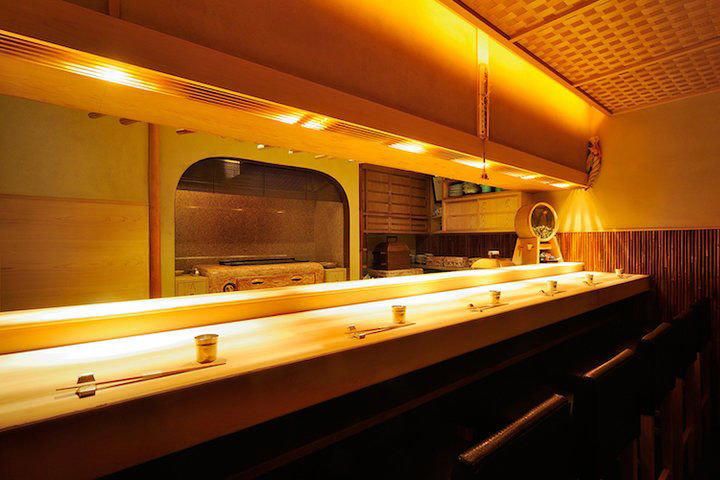
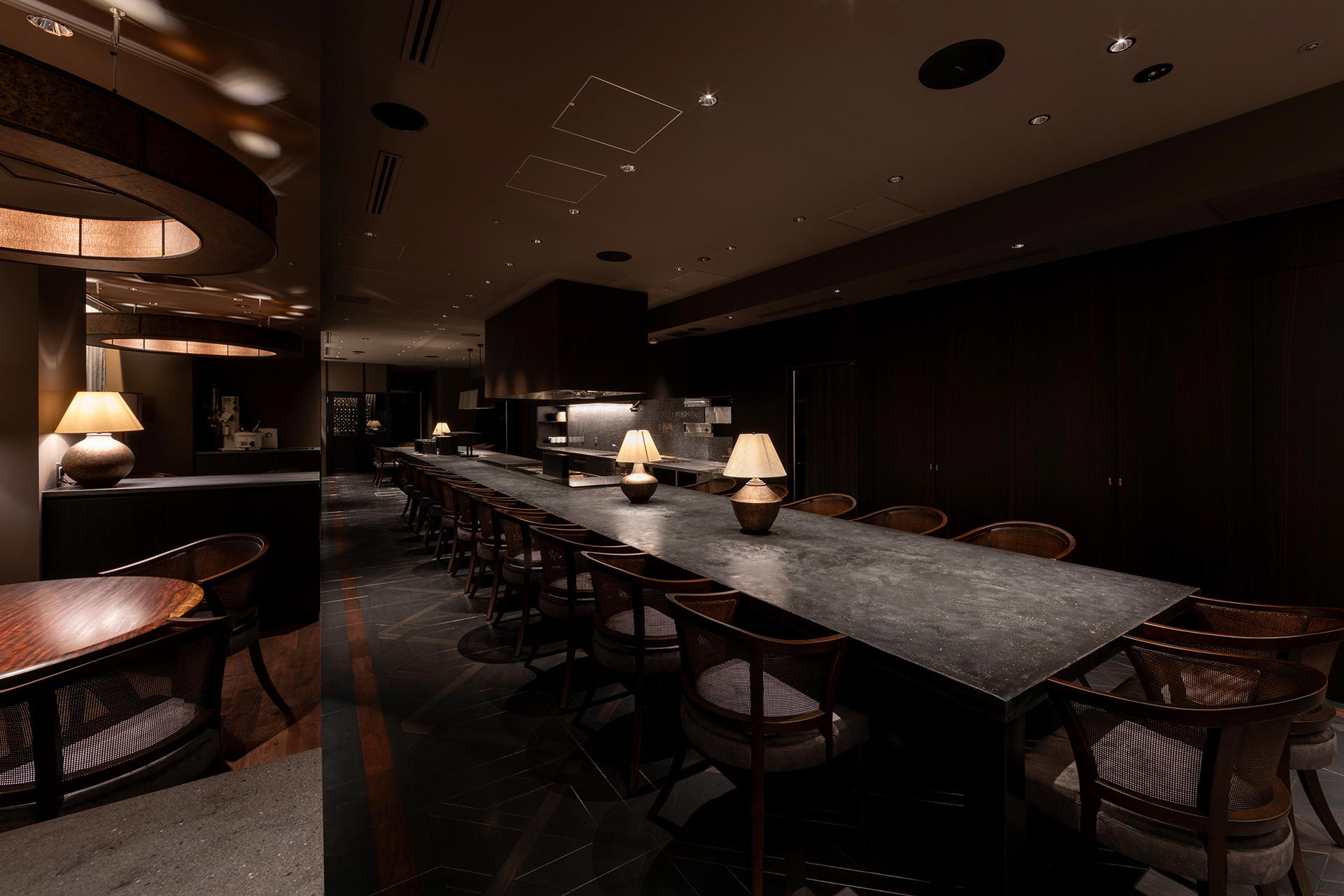
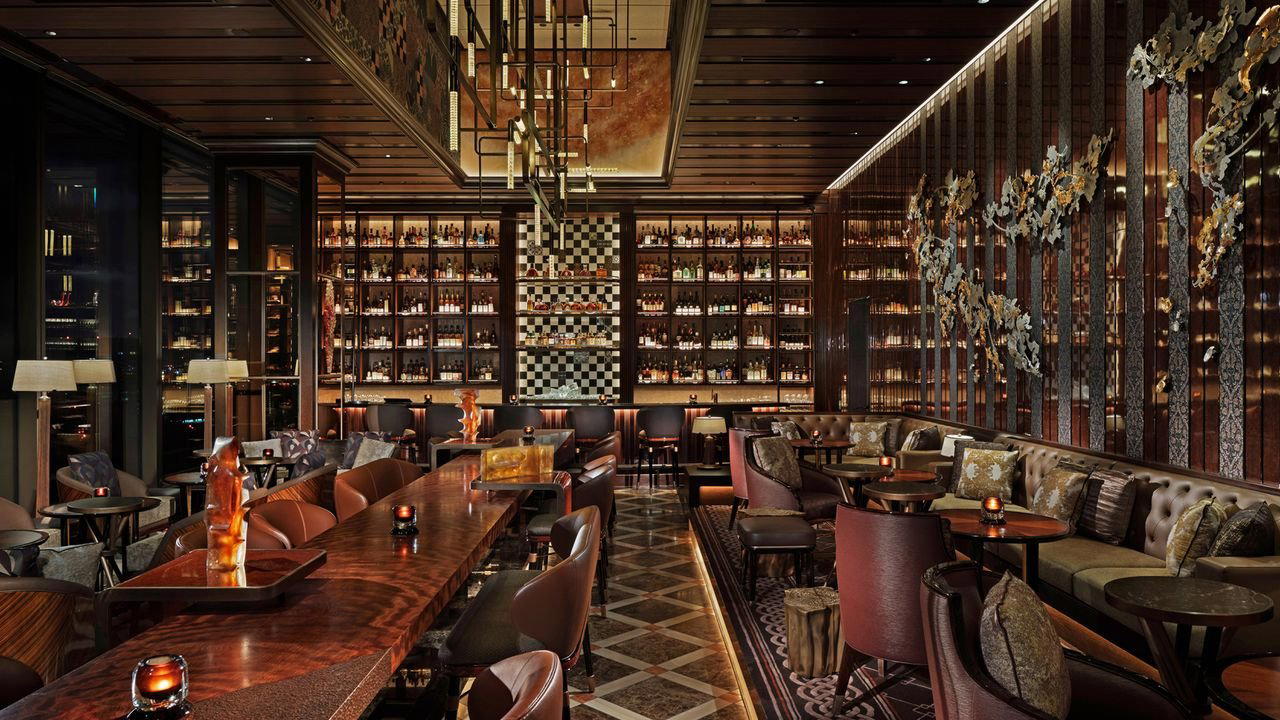
Cozy counter and table seating with a focus on high-quality grilled meats in a non-smoking environment.