ìì¬ì´ì¿ ë³´ íëª ì
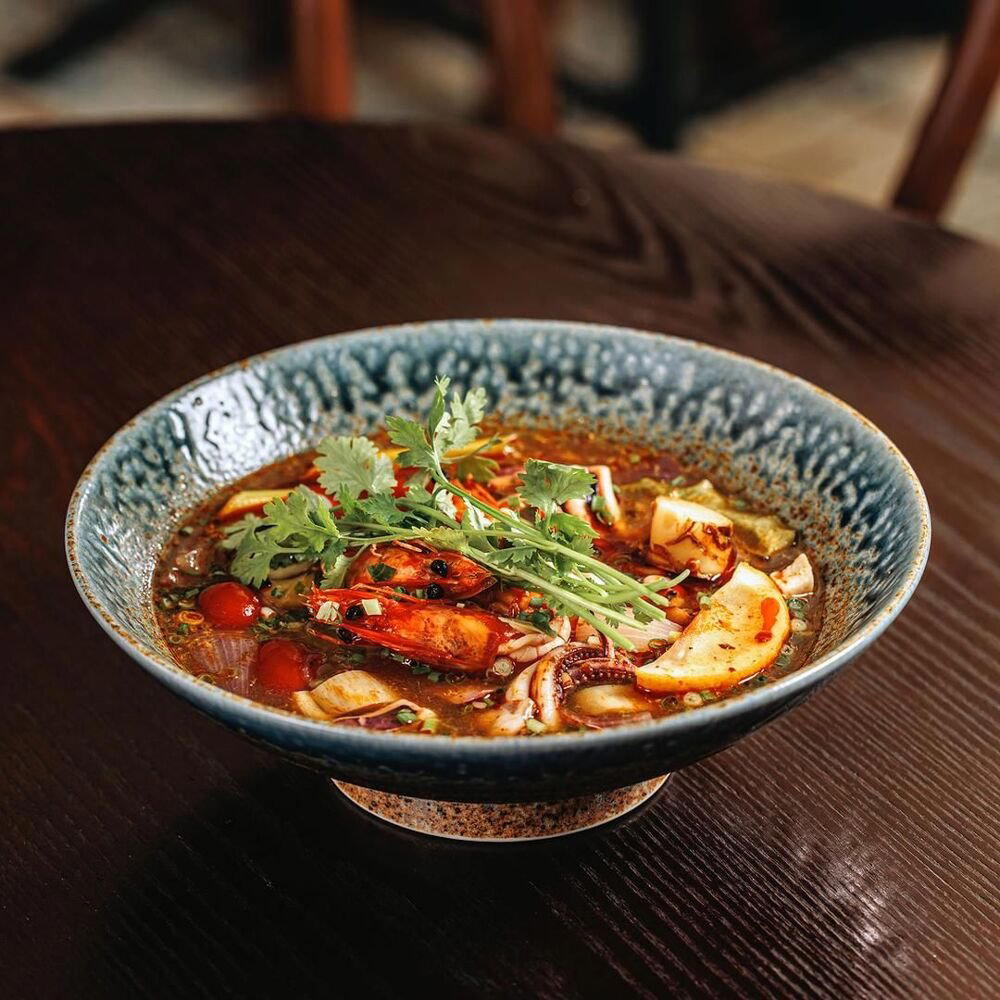
Located in Buk-gu, Busan, 이사이쿠 보 하명점 sits within a dining district where local Korean ingredients meet technique drawn from broader culinary traditions. The address places it in a residential pocket of the city that rewards those willing to move beyond the central waterfront circuit. For context on how it fits Busan's wider restaurant scene, see our full city guide.
 Discover on Pearl
Pearl is the En Primeur Club membership app — saves, bookings, and concierge access live there. Same editors, same standards.
- Address
- South Korea, Busan, Buk-gu, Yangdal-ro 4beon-gil, 17 ê¸ìë¹ë© 1층
- Phone
- +82513652959
- Website
- catchtable.net
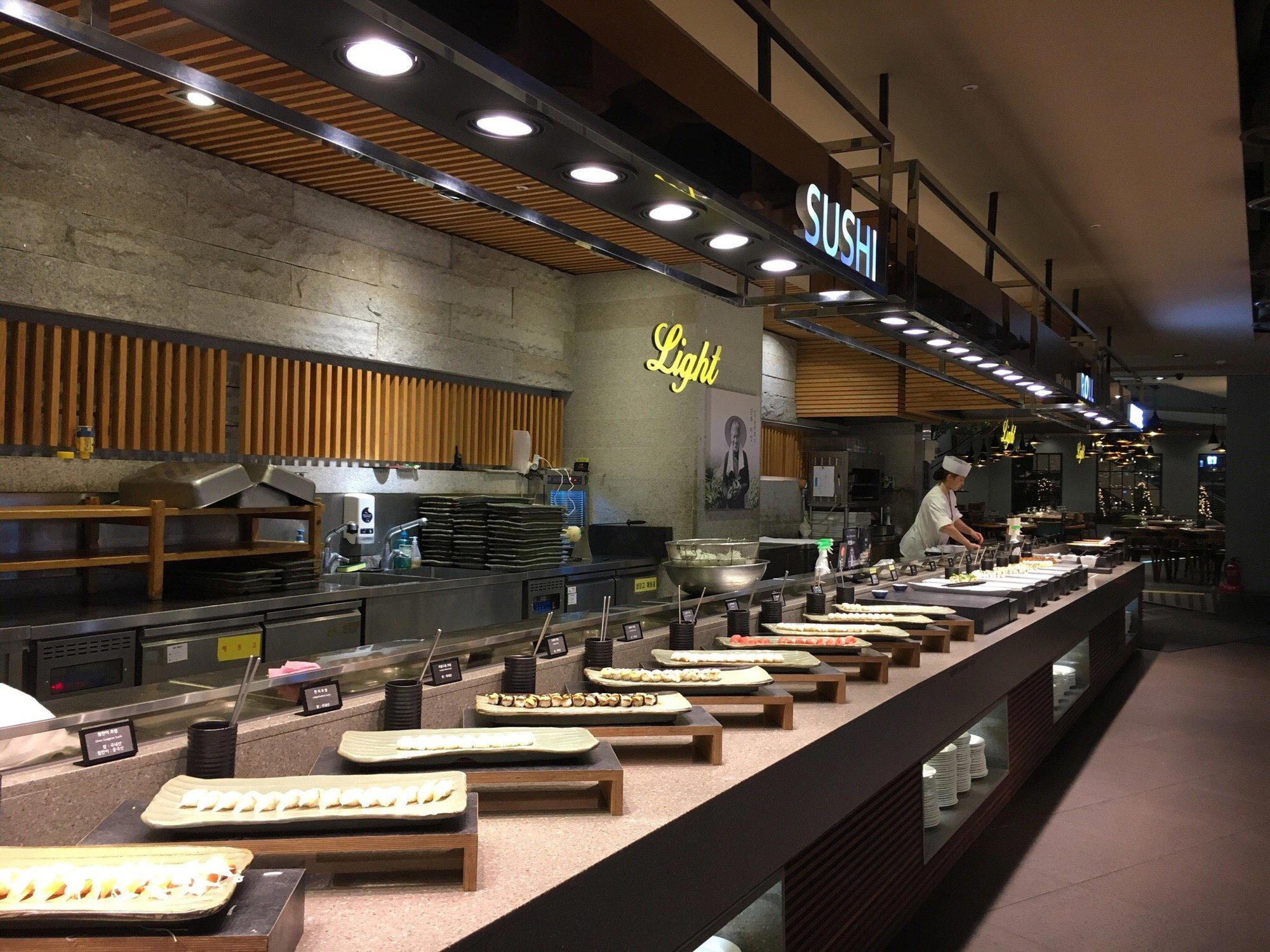
Buk-gu and the Spread of Busan's Dining Geography
Busan's restaurant conversation tends to anchor itself around Haeundae, Gwangalli, and the old market corridors of Nampo-dong. Buk-gu, the district where 이사이쿠 보 하명점 sits on Yangdal-ro 4beon-gil, operates outside that familiar circuit. This matters because the venues that establish themselves in residential outer districts of Korean cities often do so on the strength of a local repeat clientele rather than tourist footfall, which tends to produce a different kind of discipline in the kitchen: less performance, more consistency.
That geographic pattern is worth understanding before arriving. Busan is a city where dining quality distributes unevenly across its sprawling wards. The more concentrated fine-dining and contemporary Korean tier, places like Palate (Contemporary) and Mori (Japanese), cluster near the coastal precincts. At the heavier-spend end, Born and Bred (Steakhouse) anchors itself firmly in the premium waterfront tier. Meanwhile, the city's most rooted food culture, the dwaeji-gukbap houses, the naengmyeon specialists at 100.1.Pyeongnaeng, the hand-cut noodle tradition kept alive at 1969 Buwondong Kalguksu, tends to live in exactly these outer-district pockets. Buk-gu belongs to that second geography.
Local Ingredients, Applied Technique
The editorial angle that makes venues in this part of Busan worth paying attention to is the intersection of Korean primary produce with methods that arrive from elsewhere. This is not a new phenomenon in Korean cooking. The fermentation infrastructure, the doenjang, ganjang, and gochujang that form the seasoning backbone of most Korean kitchens, has always represented a form of preserved local intelligence. What has shifted in the past decade is the deliberateness with which younger Korean kitchens are pairing that indigenous pantry with technique absorbed from Japanese precision cooking, French classical structure, or the kind of product-first minimalism associated with the Nordic school.
Seoul has led this synthesis most visibly. Mingles in Seoul is the reference point that most critics cite when mapping how Korean fine dining absorbed global technique without abandoning its fermentation roots. The conversation has since spread. In New York, Atomix has built an internationally recognized program around exactly this tension between Korean ingredient tradition and contemporary plating discipline. Even in the seafood-led tradition more associated with French classical kitchens, the influence flows, Le Bernardin in New York City demonstrates how a singular ingredient focus, rigorously applied, can define a restaurant's entire identity across decades. The question for Busan's outer-district venues is whether that same kind of focus is arriving at the neighbourhood level, not just in the headline dining tier.
What the Address Tells You
The specific address, 금빛빌딩 1층, Yangdal-ro 4beon-gil 17, Buk-gu, is a ground-floor unit in a commercial-residential building. This is a common format for neighbourhood restaurants throughout South Korean cities: a single-floor space embedded in a mixed-use block, typically reached by local foot traffic and repeat visitors rather than through the destination-dining circuit. The format carries implications for what to expect. Venues in this configuration generally operate without the capital overhead of purpose-built dining rooms, which can translate directly into value at the table when the kitchen is focused.
For comparison, consider how similar outer-district formats operate elsewhere in South Korea. In Suwon, Doosoogobang demonstrates how neighbourhood-anchored spots can develop a following that extends well beyond their immediate district. In Jeju, Badang Lounge and regional specialists like 88돼지 show how local product identity can carry a venue's reputation even without metropolitan visibility. The same logic applies in Gyeongju, where Hwangnam Bread and Busan Steamed Bun and Gyeongju Wonjo Kongguk maintain relevance through product specificity rather than format ambition.
Where 이사이쿠 보 하명점 Sits in the Busan Picture
Placed in Buk-gu on Yangdal-ro 4beon-gil, 이사이쿠 보 하명점 reads as a neighborhood restaurant in Busan's outer district dining map. What the address and district confirm is that this is a neighbourhood-tier venue in a part of the city that does not trade on proximity to the main tourist corridors. That positioning, in the context of how Korean urban dining works, suggests a kitchen serving a regular local clientele, the kind of audience that applies consistent quality pressure without the theatre of destination dining.
Busan's dining culture has always had more range than its coastal profile suggests. The pork soup houses that define the city's food identity at street level, the galbi specialists visible in venues like Gobojeong Galbi #1 in Suwon and the Jeju-inflected grill tradition at Black Pork BBQ in Seogwipo, these represent regional ingredient cultures that resist easy categorisation under any single influence. The city's contemporary tier, including spaces like Dining Room (다이닝룸) and the Hinode (히노데) Japanese format operating in the broader metropolitan region, shows how technique from outside Korea has been absorbed and reshaped for local palates and local produce cycles.
Planning Your Visit
The venue is located on the ground floor of a commercial building in Buk-gu, accessible from Yangdal-ro 4beon-gil. Given the outer-district location, reaching the venue by subway or taxi from the central Seomyeon or Haeundae areas will take longer than venues in the coastal precincts, factor this into timing if you are combining it with other stops.
Same-City Peers
Comparable venues nearby, for context on price, style, and recognition.
| Venue | Cuisine | Price | Notes |
|---|---|---|---|
| ìì¬ì´ì¿ ë³´ íëª ì This venue — the venue you are viewing | seafood | $ | |
| Namagjib | Korean Pork Bone Soup Specialist | $ | Daeyeon 3(sam)-dong |
| 원조할매국밥 | Traditional Korean Beef Gukbap | $ | Haeundae |
| 바다마루 전복죽 | 전복죽 전문 | $$ | 해운대구 중동 |
| ì목 본ì | Korean Restaurant | , | Namcheon 1(il)-dong |
| Sea Maru Abalone Porridge | Korean Abalone Porridge | $$ | Haeundae-gu |