Lettang
Lettang sits on Seongji-ro in Busan's Busanjin District, where the city's dining scene has been quietly building density beyond the tourist-facing waterfront. With limited public information available, the restaurant holds a degree of mystery that suits Busan's growing appetite for understated, neighbourhood-rooted dining. Verify current hours and booking arrangements directly before visiting.
 Discover on Pearl
Pearl is the En Primeur Club membership app — saves, bookings, and concierge access live there. Same editors, same standards.
- Address
- 22 Seongji-ro, Busanjin District, Busan, South Korea
- Phone
- +82518073636
- Website
- catchtable.net
What Busan Rewards in Its Quieter Neighbourhoods
Busan has spent the better part of a decade shedding its reputation as a city worth visiting only for Haeundae's coastline and a bowl of naengmyeon before catching the KTX back to Seoul. The dining conversation has shifted, and the shift has been most pronounced in districts that sit away from the tourist infrastructure: Busanjin, Seo-gu, and pockets of Jung-gu where landlords charge less and cooks take more risks. Seongji-ro, the address where Lettang operates, sits within that quieter geography. It is not a street that appears in most international Busan guides, which is precisely the condition that tends to produce the more interesting tables in any Korean city.
The pattern is consistent across the country. Mingles in Seoul built its reputation in Cheongdam before the neighbourhood became shorthand for fine dining consolidation. The restaurants now drawing serious attention in Busan, Palate at the contemporary end, Mori for precision Japanese, do not cluster on the same blocks. They are spread across the city in a way that rewards locals over tourists, regulars over walk-ins. Lettang, at 22 Seongji-ro in Busanjin District, belongs to this pattern.
Planning a Visit: What You Need to Know Before You Go
The booking experience at Lettang is straightforward to confirm with the venue.
Practical consequence is that a visit to Lettang requires more groundwork than booking, say, Born and Bred or another of Busan's more internationally profiled dining rooms. For visitors arriving from outside Korea, the most reliable approach is to ask hotel concierge staff to place a call in Korean, or to use Naver Map rather than Google Maps, since Korean-language business listings on Naver tend to carry more current operational detail than their English-language equivalents. Kakao maps and the KakaoTalk Open Chat communities focused on Busan dining are also useful channels for confirming hours before committing to the journey.
Busanjin District is accessible from central Busan by subway on Lines 1 and 2, with the broader Seomyeon interchange serving as the most convenient transfer point. From Seomyeon, Seongji-ro is reachable on foot or by a short taxi ride. If you are arriving from Haeundae or Centum City, the cross-city journey by subway takes roughly 30 to 40 minutes depending on connections. This is worth factoring into the planning, particularly if you are scheduling Lettang as part of a wider day that also includes lunch at a traditional spot like 1969 Buwondong Kalguksu.
Where Lettang Sits in Busan's Dining Spectrum
Lettang is a French Bistro in Busanjin District, where the dining scene ranges from simple neighbourhood counters to higher-priced contemporary rooms. Busan's restaurant market in 2024 is more stratified than it was even five years ago. At the entry tier, single-dish specialists, pork-based soups, cold noodles, kalguksu, hold firm at prices that rarely exceed ₩15,000 per head. At the upper end, the city now has a small cohort of tasting-menu restaurants pricing closer to Seoul peers, with some sessions clearing ₩200,000 before beverage. The middle of the market, where neighbourhood-run Korean restaurants and informal contemporary spots operate, is where the volume of serious eating happens, and where most Busanjin addresses land.
For context on the range, 100.1.Pyeongnaeng represents the disciplined single-dish end of the spectrum, while Born and Bred occupies the premium steakhouse bracket at ₩₩₩₩. Lettang sits in the mid-to-upper price tier. This is worth establishing before you arrive, since the neighbourhood's mix of formats means the assumptions you bring from one restaurant will not transfer automatically to the next.
Beyond Busan, the broader Korean dining circuit is worth mapping if you are travelling the peninsula. Badang Lounge in Jeju, traditional formats in Gyeongju, and meat-focused institutions like Gobojeong Galbi in Suwon and 88돼지 in Jeju illustrate how different regional cooking traditions operate at very different price and formality levels. Busan's own identity in this map leans toward seafood, pork-based soups, and an increasingly confident contemporary tier that references local ingredients without being constrained by them. Lettang fits within that identity as a French Bistro in Busanjin District.
The Neighbourhood as Context
Busanjin District is not Busan's most photographed neighbourhood. It lacks the visual shorthand of Gamcheon's hillside murals or Gwangalli's bridge-and-beach framing. What it has is density of daily life: markets, mid-rise residential blocks, local restaurants that have been operating for decades. This is the kind of urban texture that Korean food writers and local critics tend to find more interesting than the curated dining corridors closer to the waterfront, and it is the context that shapes what a restaurant on Seongji-ro is likely to be serving and who it is likely to be serving it to.
For visitors from outside Busan, the Busanjin address signals something worth paying attention to. The same logic applies to Dining Room (다이닝룸) and other addresses that have emerged in less prominent Busan districts over recent years. A restaurant that has established itself in a neighbourhood without tourist foot traffic is operating on the strength of repeat local custom, which is usually a more reliable indicator of kitchen consistency than review-platform visibility.
Busan's dining scene spans districts, price tiers, and cuisine types, with Lettang part of the city's French Bistro segment. For international reference points on what Korean fine dining looks like at the highest tier, Atomix in New York and the technical approach of Le Bernardin offer useful calibration on format and ambition, even if the comparison is more structural than culinary. For Jeju-side meat eating in a more casual register, Black Pork BBQ in Seogwipo and Hinode (히노데) round out the Korea circuit. For Suwon, Doosoogobang is worth the detour. And for a Gyeongju institution anchored to a single-ingredient discipline, Gyeongju Wonjo Kongguk shows how deeply Korean dining can commit to a single product.
Comparable Venues
Comparable venues nearby, for context on price, style, and recognition.
| Venue | Cuisine | Price | Awards | Notes |
|---|---|---|---|---|
| LettangThis venue — the venue you are viewing | French Bistro | $$$ | , | |
| Yulling | Contemporary French with Local Busan Ingredients | $$$$ | 1 recognition | Jung 1(il)-dong |
| 싱싱뽈락회 | Natural Pollack Sekkosi Specialist | $$$ | , | 해운대 |
| L'étang | French Bistro | $$$ | Michelin Plate | Yeonji-dong |
| L'Essence | Contemporary French Bistro with Korean Influences | $$$ | Michelin Plate | Namcheon 2(i)-dong |
| Delibong | French Charcuterie Specialist | $$ | Michelin Plate | Millak-dong |
At a Glance
- Cozy
- Intimate
- Elegant
- Date Night
- Special Occasion
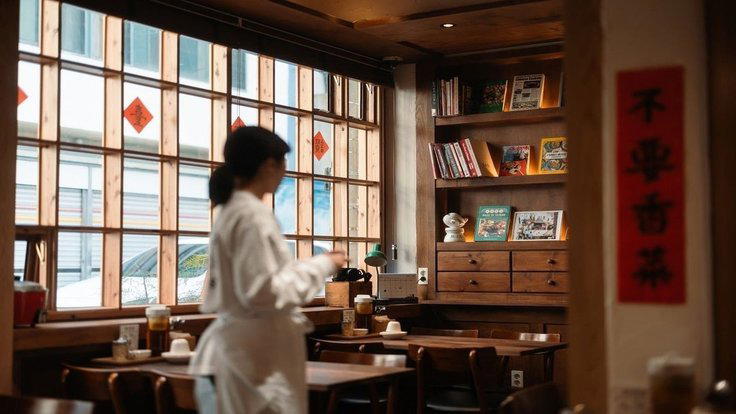
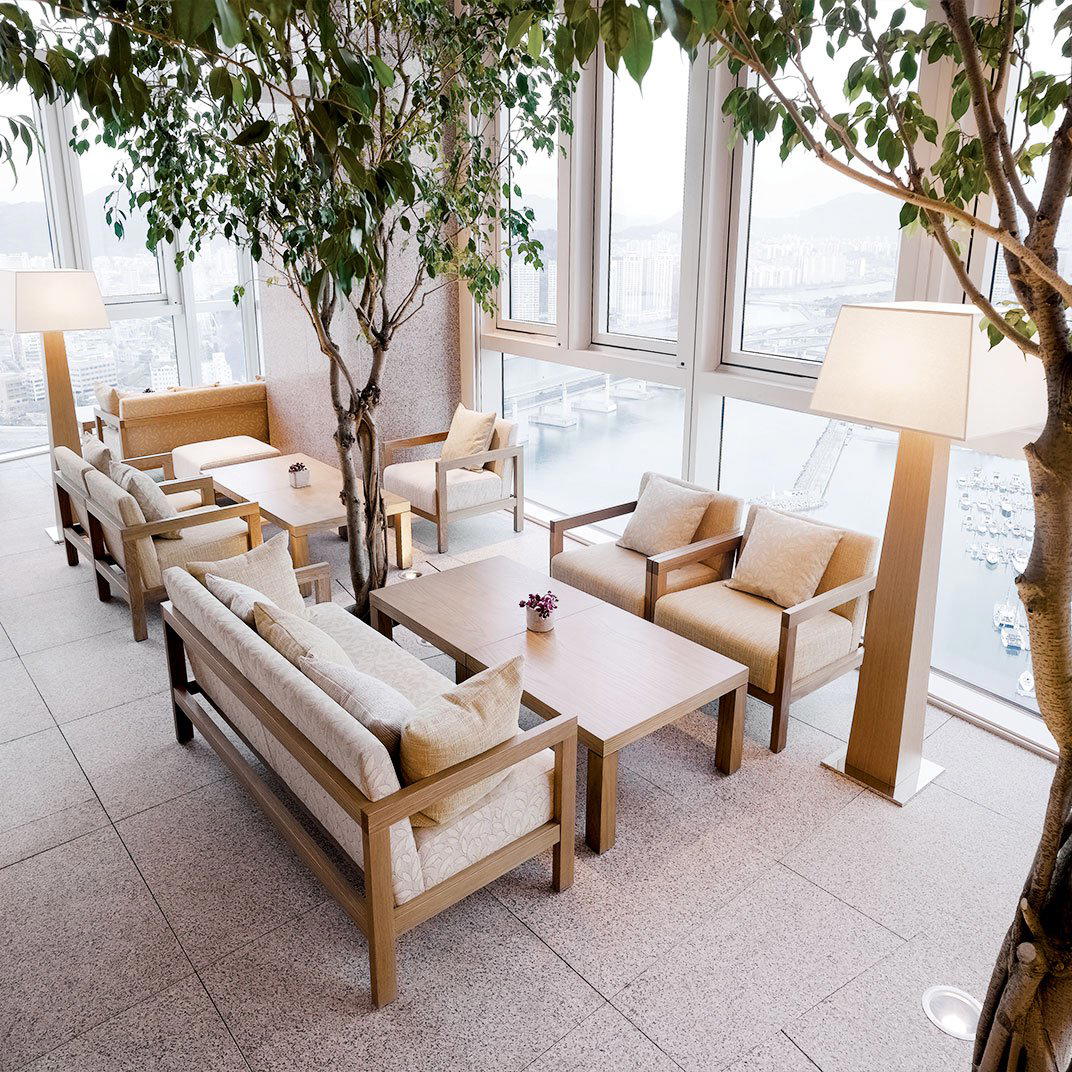
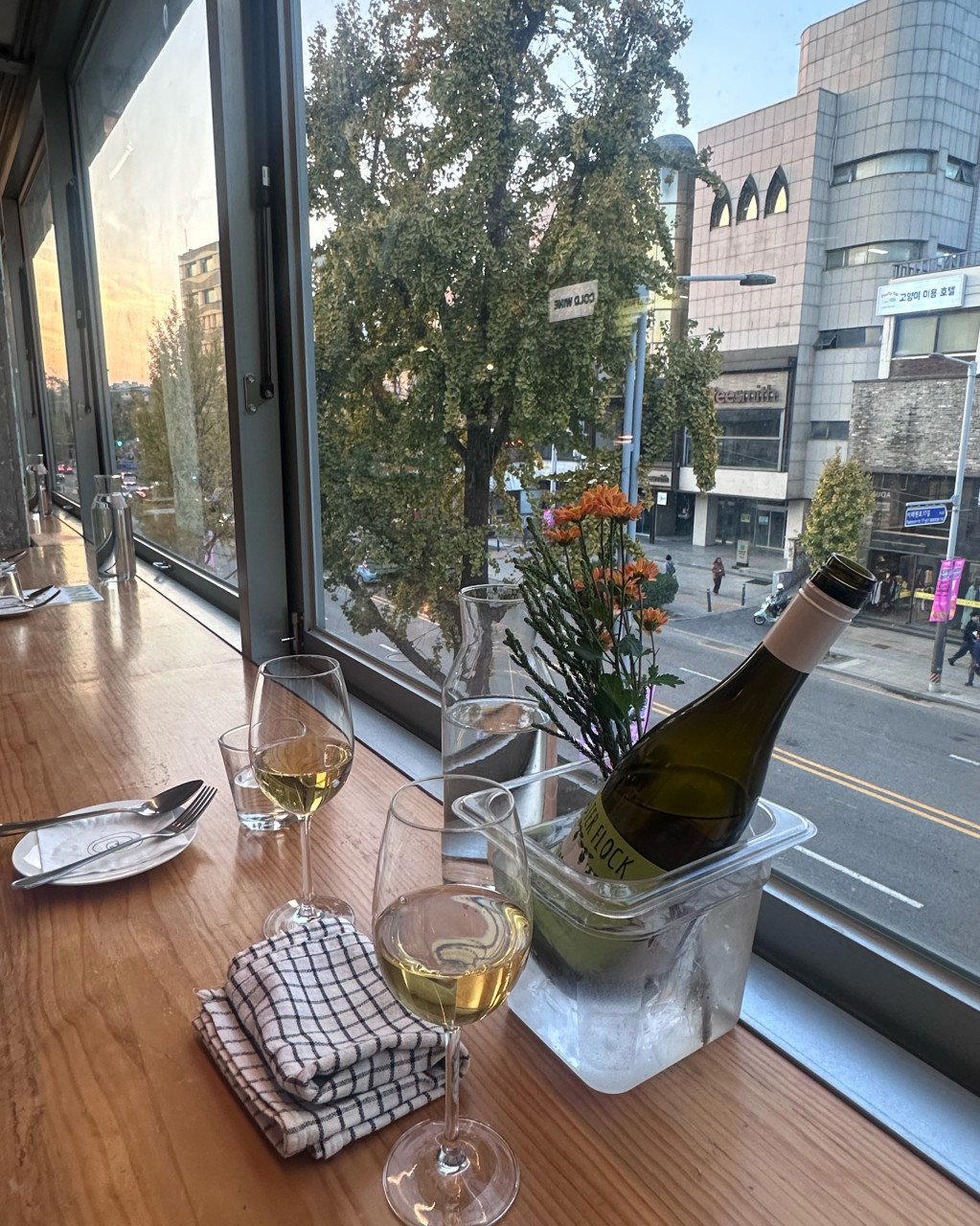
Warm, inviting, and cozy atmosphere.