Google: 4.3 · 93 reviews
ミオ・パエーゼ occupies the ground floor of a low-key building on Imajinmachi in central Takamatsu, positioning itself within the city's quieter, neighbourhood-oriented dining circuit rather than its more conspicuous restaurant strip. Kagawa Prefecture's food culture — udon-anchored and deeply local — makes Italian-leaning kitchens a genuine outlier here, which is precisely what gives this address its particular weight among regulars.
 Discover on Pearl
Pearl is the En Primeur Club membership app — saves, bookings, and concierge access live there. Same editors, same standards.
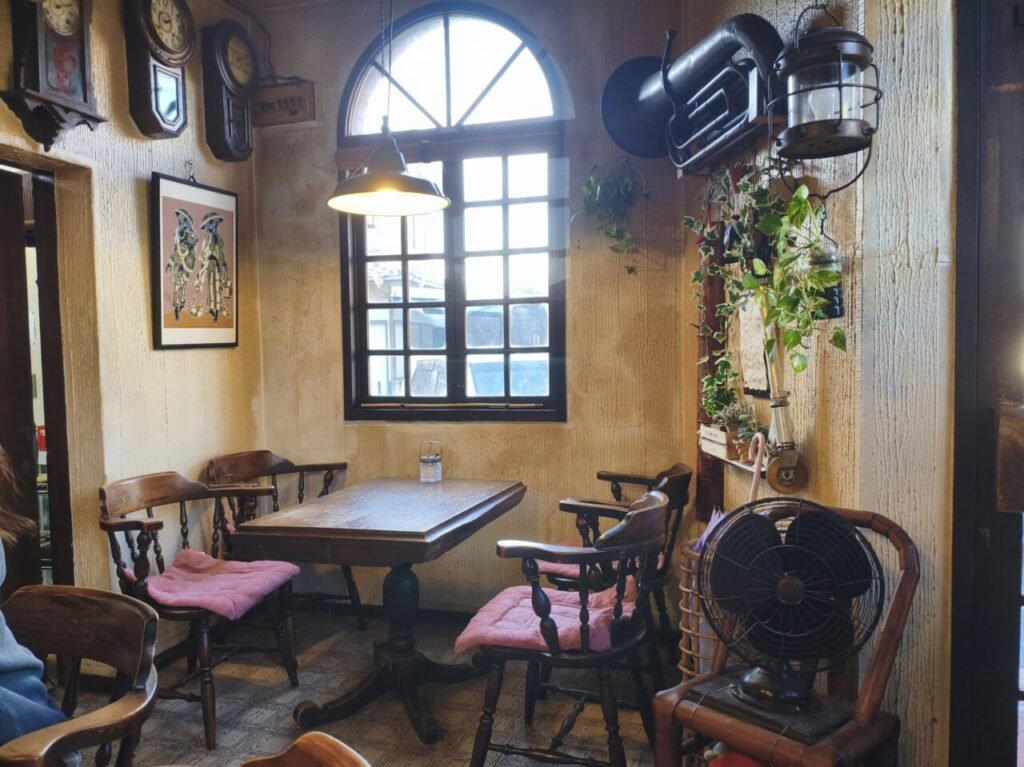
A Street-Level Room in a Udon City
Takamatsu is one of Japan's least self-conscious food cities. Its reputation rests almost entirely on Sanuki udon, the thick, firm-textured wheat noodle that defines Kagawa Prefecture's culinary identity, and the informal, cash-only shops that serve it before most restaurants open for lunch. Against that backdrop, a small Italian-inflected address on Imajinmachi — a modest side street in the central district — occupies an unusual position. It is not competing with the udon circuit, nor is it reaching toward the kind of formal kaiseki register you find at rooms like 両忠. It sits somewhere more particular: a neighbourhood-scale room that assumes a regular clientele rather than a passing tourist trade.
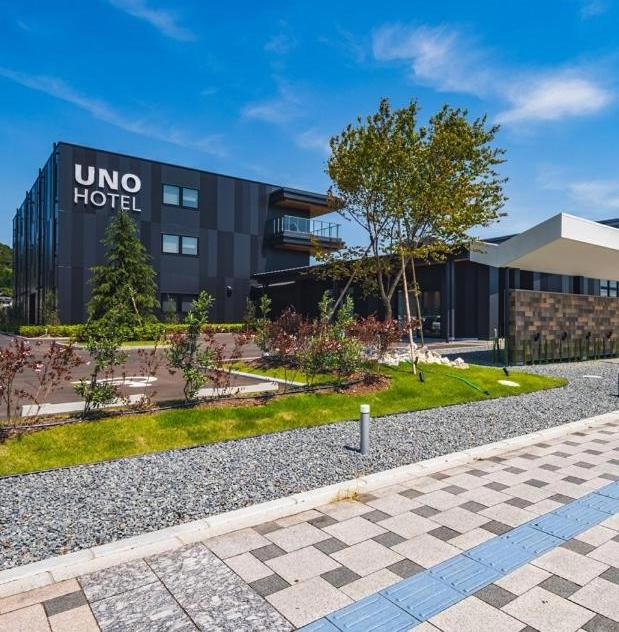
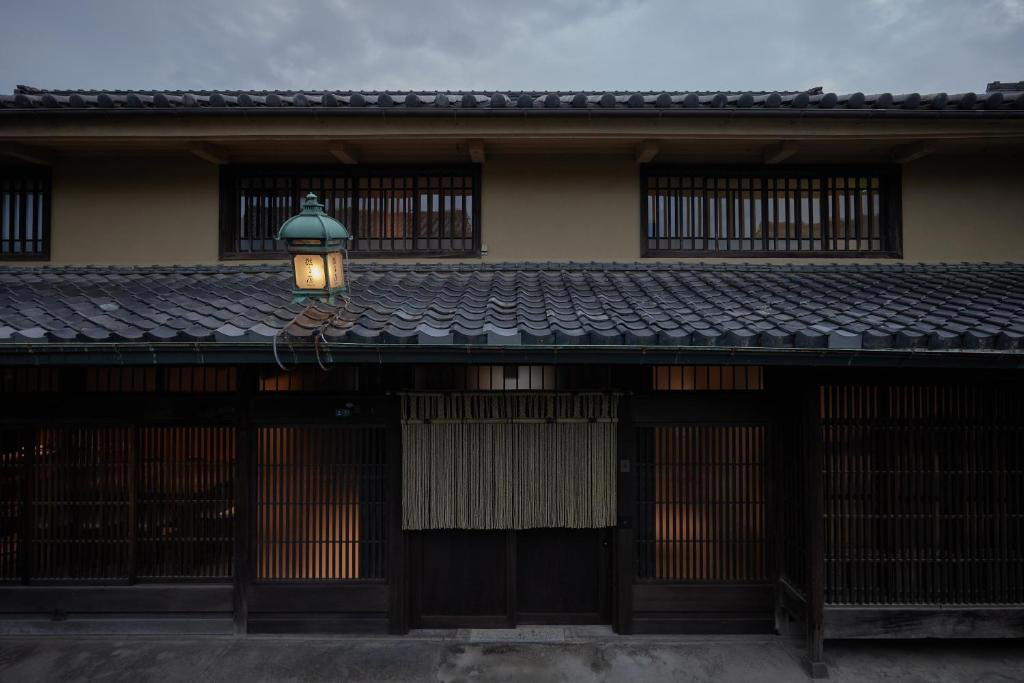
The building is a standard Showa-era commercial block, and ミオ・パエーゼ takes the ground floor. That physical modesty is deliberate. In smaller Japanese cities, the restaurants that build the most sustained local followings tend to be exactly this type: understated from the outside, calibrated to return visits rather than first impressions. The Imajinmachi address puts it within walking distance of central Takamatsu's office and residential zones, which shapes who eats here and at what pace.
The Sensory Register of a Neighbourhood Italian in Japan
Italian cooking in provincial Japanese cities has developed its own distinct character over the past three decades. It is not the same tradition as Tokyo's precision-driven pasta counters, nor does it try to be. What emerged in cities like Takamatsu, Kanazawa, and Matsuyama is a more hybridised approach: techniques and frameworks drawn from Italian tradition, applied to whatever local produce the Seto Inland Sea and the Shikoku mountains make available. The result, at its leading, is cooking that feels neither derivative nor fusion-confused , it simply uses what is close at hand through a European structural lens.
The Seto Inland Sea, which Takamatsu faces directly, is one of Japan's most productive coastal zones. Its fish , sea bream (tai) above all, but also various flatfish, octopus, and smaller seasonal species , carry a different flavour profile from Pacific-facing catches: milder salinity, firm texture, and a sweetness that comes from the sheltered, warm water. A kitchen working in this location and drawing on Italian technique has material to work with that few mainland Italian restaurants could access. Whether ミオ・パエーゼ pursues that direction specifically is not confirmed in available data, but the geographical logic of the address points there.
The room itself, at street level in a compact commercial building, almost certainly reads the way most serious neighbourhood Italian rooms in Japanese cities do: warm light, close tables, the smell of olive oil and something long-cooked reaching the street before you open the door. These are not design choices so much as functional outcomes of a small kitchen working at full capacity in a tight space. Rooms like this carry their atmosphere through use rather than interior architecture.
Takamatsu's Dining Circuit and Where This Address Fits
Takamatsu's restaurant scene is more varied than its udon reputation suggests. The city has a functioning yakitori tradition, a small but active Chinese-influenced circuit (see Peking), and a handful of rooms that work in the European register. What it does not have, at least not in any density, is the kind of multi-Michelin concentration you find in Osaka at places like HAJIME, or the deep kaiseki infrastructure of Kyoto, where Gion Sasaki represents the formal upper tier. Takamatsu's serious dining is distributed differently , across specialist rooms, long-established neighbourhood addresses, and the occasional newer arrival working in formats the city hasn't seen before.
Within that structure, a small Italian address on Imajinmachi sits in the specialist neighbourhood tier. It is not positioned against the regional fine-dining rooms , 龍池 SORAE or 鮨賀 occupy different registers entirely. Its peer set is smaller: the kind of room where the kitchen has a specific point of view, the room fills with people who know what they're ordering before they sit down, and the reservation cadence reflects genuine local demand rather than tourist pressure.
That places it in good company across the broader Japanese regional restaurant circuit. Rooms like akordu in Nara and Goh in Fukuoka demonstrate what focused, non-Tokyo European-influenced kitchens can achieve when they commit to local sourcing over prestige signalling. The comparison is not about equivalence of scale or recognition, but about category: smaller-city rooms in Japan with a European technical base and a genuinely local clientele tend to develop a precision and consistency that larger, more transient operations rarely sustain.
Arriving and Planning
Takamatsu is accessible from Osaka via the JR Marine Liner across the Seto Ohashi Bridge, a journey of roughly an hour, which makes it a viable day trip from the Kansai region and a logical stop on a broader Shikoku itinerary. The Imajinmachi address is walkable from Takamatsu Station and from the Kotoden tram lines that thread through the city centre. Booking details and current hours are not confirmed in available data; direct contact with the restaurant before visiting is advisable, particularly for weekends when neighbourhood rooms of this type tend to fill with regulars early. For a wider sense of what Takamatsu's dining circuit offers at different price points and formats, the full Takamatsu restaurants guide covers the range, including ノッキングキッチン, which operates in a different register within the same central neighbourhood.
Seasonality matters here in a way that is specific to this coastal geography. Late autumn through early spring tends to bring the richest Seto Inland Sea catches, with certain species , particularly the flatfish and bivalves that suit Italian preparations , at their most concentrated. Visiting in that window, if the kitchen's sourcing follows the regional pattern, is likely to reflect the room at its most ingredient-focused.
Continue exploring
More in Takamatsu
Restaurants in Takamatsu
Browse all →
At a Glance
- Hidden Gem
- Intimate
- Cozy
- Date Night
- Casual Hangout
- Open Kitchen
- Sake Program
- Local Sourcing
Hidden gem with intimate counter seating and cozy atmosphere focused on fresh seafood Italian dishes.