
Kuwaman sits in Fukuoka’s small-format izakaya tier: 12 seats, counter seating, private rooms, and a sake-led identity in Haruyoshi near Watanabe-dori. Its selection for Tabelog 100 Izakaya WEST in both 2024 and 2025 places it among the region’s more closely watched tavern addresses, with dinner spending listed at JPY 10,000 to JPY 14,999.
Pearl is the En Primeur Club membership app — saves, bookings, and concierge access live there. Same editors, same standards.
- Address
- Japan, 〒810-0003 Fukuoka, Chuo Ward, Haruyoshi, 2 Chome−16−14 中村ビル 3F
- Phone
- +81 92-717-6432
- Website
- fbmv100.gorp.jp
 Saves & bookings on Pearl
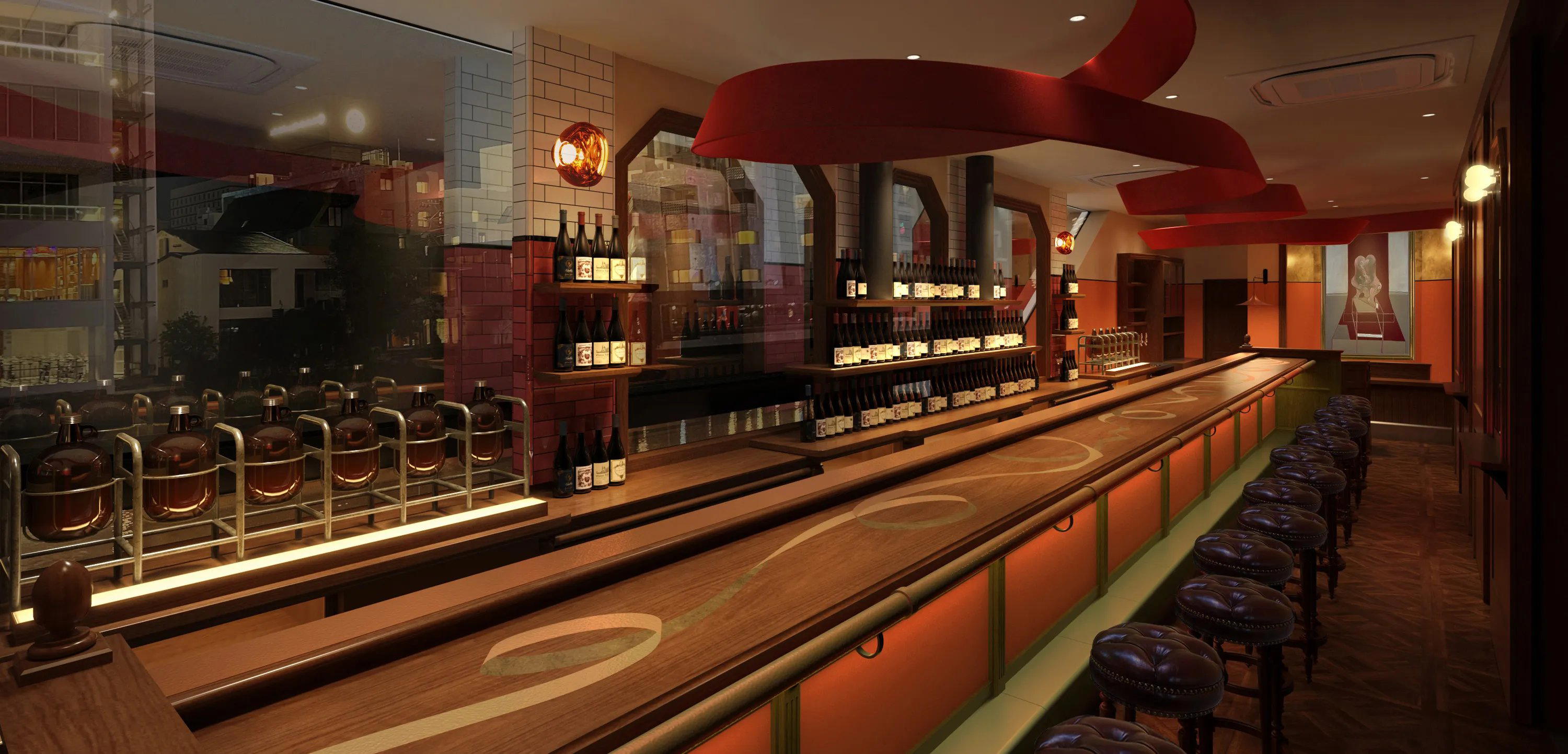
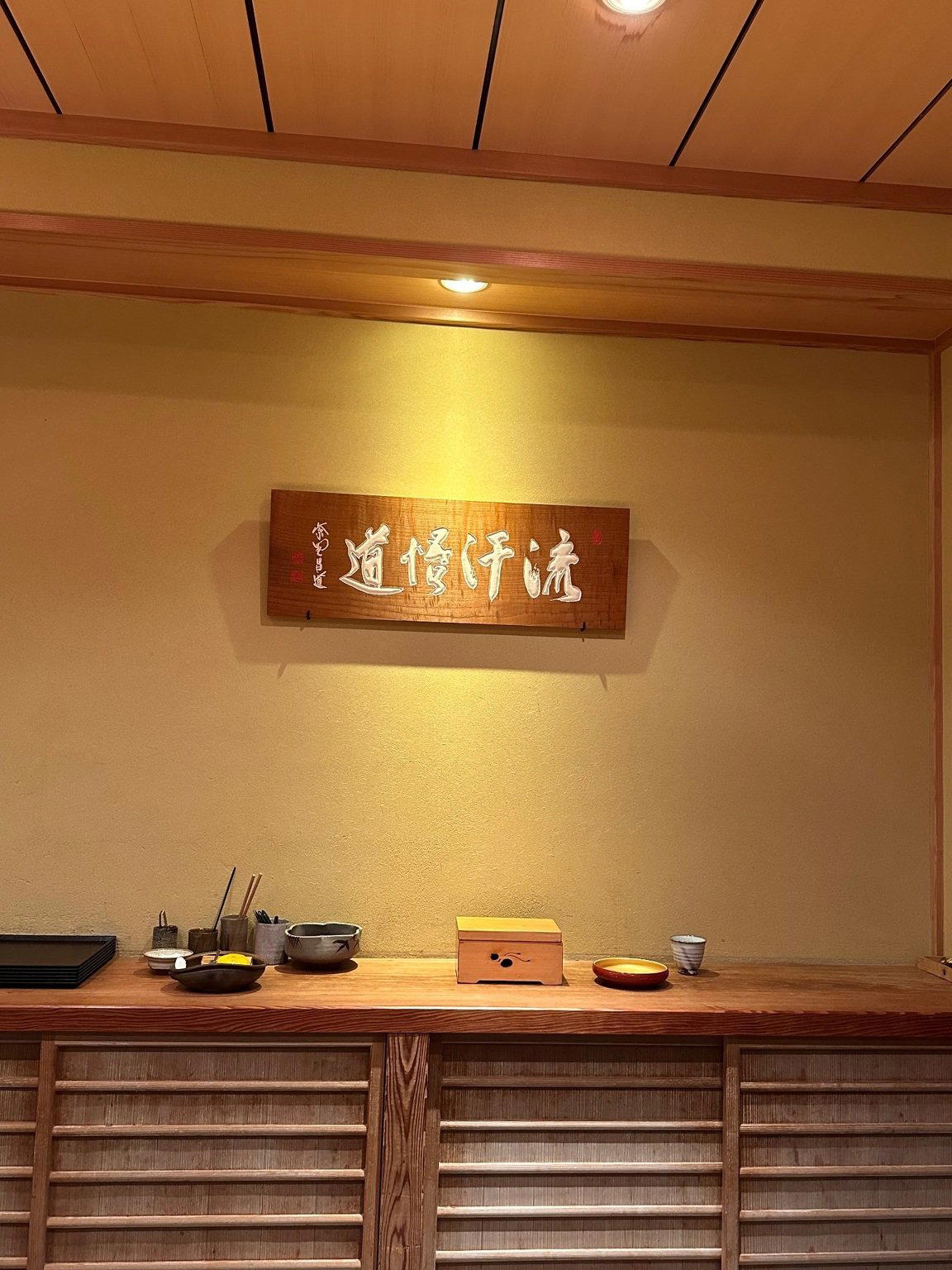
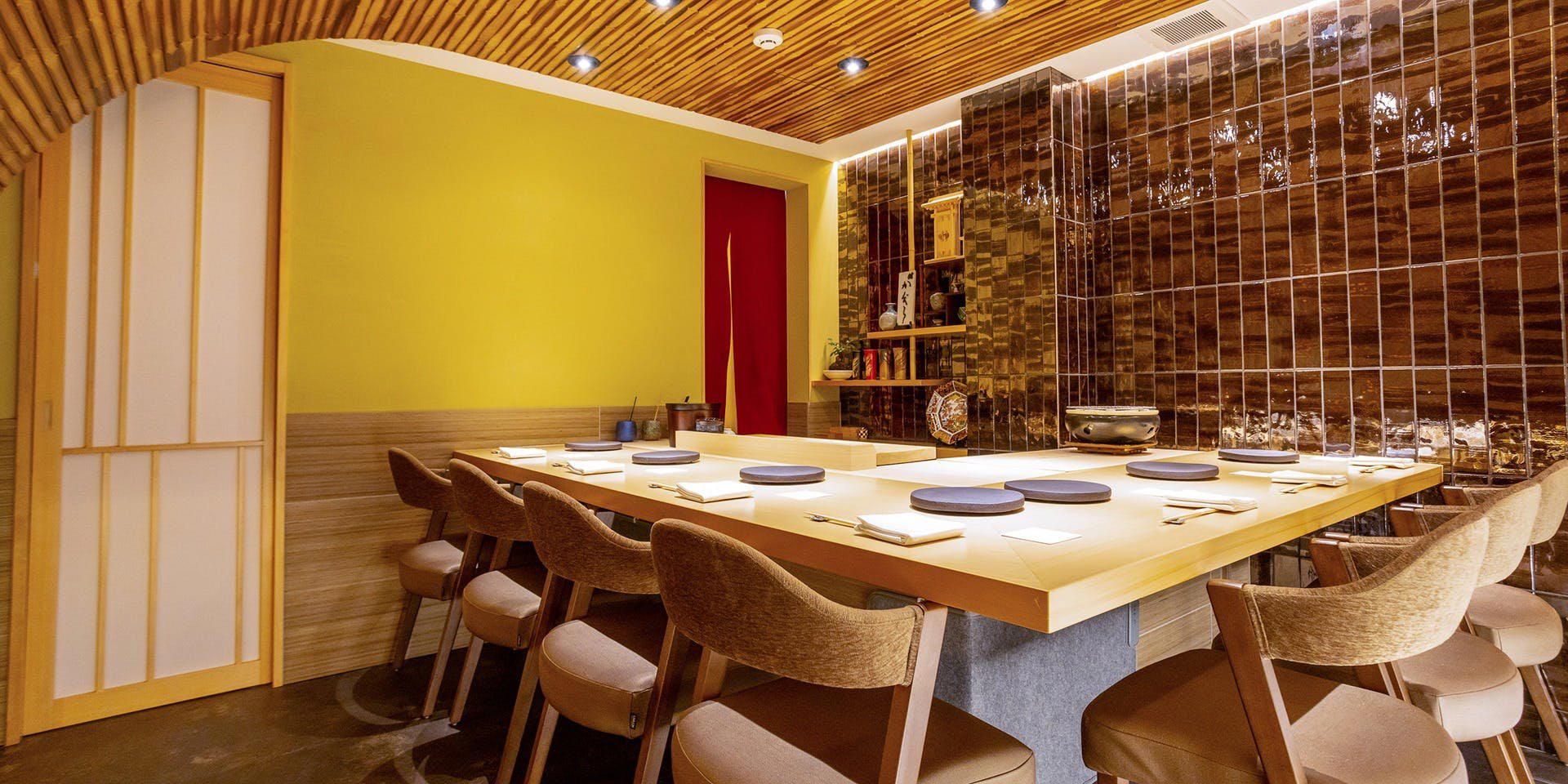
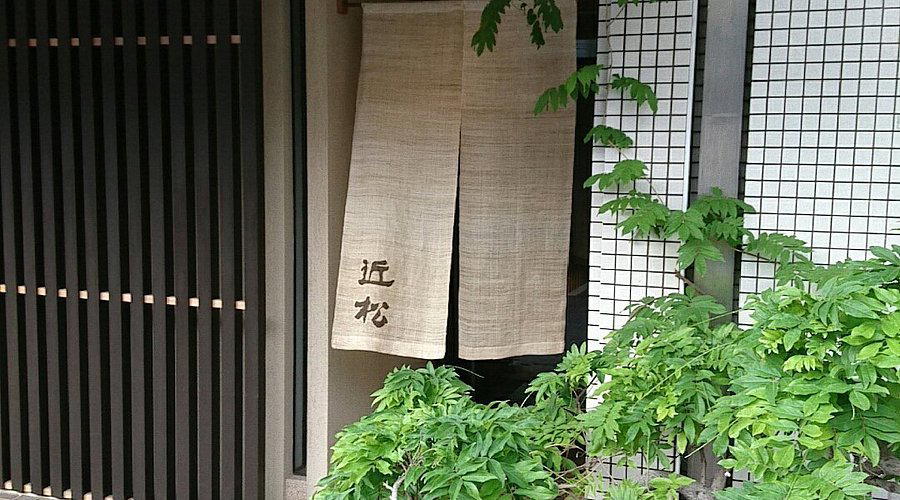
Haruyoshi changes tone after dark. Between Tenjin’s commercial pull and Nakasu’s river nightlife, its better dining rooms work small: upper floors, compact counters, low signage, and evenings built around repeat local custom rather than walk-in spectacle. Kuwaman belongs to that Fukuoka. On the third floor of Nakamura Building, the 12-seat room offers a controlled izakaya experience, not the free-for-all image the category often carries abroad.
That distinction matters. Izakaya can mean cheap beer, fried snacks, and late trains, but Fukuoka also supports a more exacting tavern culture where sake, counter pacing, and seasonal Japanese cooking move the format closer to a small restaurant. Kuwaman is listed as both an izakaya and a Japanese sake bar, a pairing that signals drinking fluency rather than a tasting-menu script. Recognition supports that reading: it was selected for Tabelog 100 Izakaya WEST in 2024 and 2025, with a Tabelog score of 3.65. In a crowded casual category, that repeated WEST selection is the meaningful credential.
A sake-led izakaya in Fukuoka's compact counter culture
Fukuoka dining is often reduced to ramen, yatai, and Hakata comfort food, but its stronger restaurant culture is broader. The city compresses seriousness into modest rooms: seafood counters, kappo-leaning taverns, curry specialists, South Indian kitchens, and drinking-led restaurants that make sense once you understand the local appetite for informality with standards. Kuwaman fits that pattern. Its scale keeps attention close, while the sake-bar designation places drink choice near the centre of the meal.
Pricing clarifies the category. Dinner is listed at JPY 10,000 to JPY 14,999, above everyday izakaya spending and closer to Fukuoka’s specialist evening restaurants. Locally, Warayaki Mikan is listed at JPY 8,000 to JPY 9,999, while F ridge sits in the same JPY 10,000 to JPY 14,999 band. AKAMIYACOWSI occupies a lower dinner tier, and Umeyama Teppei Shokudo Honten is priced far below that range. Those figures stop izakaya from doing too much work: this is not a casual add-on after ramen, but a planned dinner in tavern form.
The awards lens matters because izakaya recognition depends on consistency across food, drink, timing, and social use, often with less formal structure than sushi, bar, French, or kaiseki rooms. Tabelog’s WEST list gives Kuwaman a regional marker rather than a national fine-dining halo, exactly the right signal for this format. It says the place matters inside the tavern conversation, not that it is trying to behave like another genre.
Haruyoshi gives the room its logic
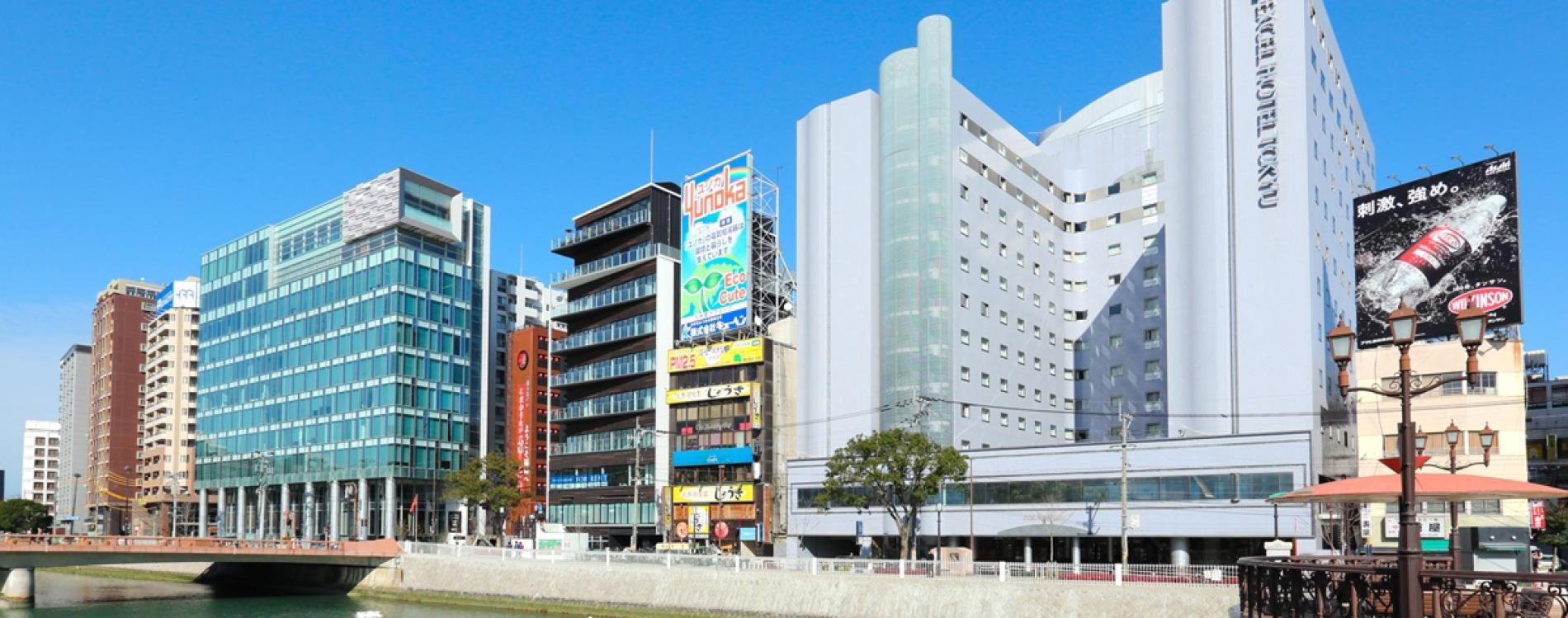
Neighbourhood explains part of the appeal. Haruyoshi is close enough to Tenjin-Minami and Watanabe-dori for travellers staying central, but lacks the department-store polish of the main Tenjin corridors. That in-between quality suits small izakaya: dinner can feel local without a suburban detour. Kuwaman is 229 metres from Watanabe Dori Station, with Tenjin-Minami and Yakuin also within walking distance, so logistics are easy by Fukuoka standards even if the upper-floor address has the tucked-away character common to stronger Japanese city restaurants.
Venue details suggest a room designed for controlled groups as well as counter dining. Private rooms are available for parties of four and six, and private use is listed as available. That reflects how Fukuoka uses izakaya: not only for casual eating, but for friends, business-adjacent evenings, and sake-led dinners where the table needs rhythm. Non-smoking status is listed, with an ashtray at the entrance, a practical detail that separates the room from older tavern habits without pretending the category has fully cut ties with them.
For readers building a Fukuoka dining map, Kuwaman belongs beside specialist addresses rather than obvious tourist cues. The broader spread is worth seeing: 106 South Indian Fukuoka tenjin ten and Afterglow show how curry has developed its own serious following; Aji Dokoro Taro Gen Sougyou ten, Aji Furai Shokudo Kaba, and Aji no Katsueda point toward everyday Japanese strengths. Kuwaman sits on the drinking-room side of that ecosystem, where the table is organized around sake and restraint rather than speed.
How to place it in a Fukuoka itinerary
The planning case is clear: choose Kuwaman for a compact Japanese room with awards credibility and a sake emphasis, not for a loud introduction to izakaya culture. Reservations are listed as available, and the dining window begins from 18:00 with irregular closing days, so plan rather than leave it to chance. Credit cards are accepted; electronic money and QR code payments are not. Parking is unavailable, making rail or taxi the sensible approach in central Fukuoka.
The absence of an official website is not unusual for this tier in Japan, where smaller rooms often depend on listing platforms, phone reservations, and local familiarity. Visitors should confirm the day, booking, and payment setup before committing the evening. The reward is not spectacle, but the specific Fukuoka pleasure of a small room, serious sake orientation, and an izakaya format disciplined enough to earn repeated regional recognition.
For wider planning, use our full Fukuoka restaurants guide alongside our full Fukuoka hotels guide, our full Fukuoka bars guide, our full Fukuoka wineries guide, and our full Fukuoka experiences guide. Travellers comparing Japanese dining formats beyond Fukuoka can also look at -Grilled beef Sukiyaki- KAMAKURA TANUKIAN 鎌倉 たぬき庵 in Kamakura,. 鮪と炭火焼き うお炭 秋葉原店 in Tokyo,.cafe in Osaka,.know in Kumamoto, (Shoku) Vietnam in Kawasaki, [Curry Senmon Ten] Maruyama Kyoju. in Sapporo, Jōdo Saké Bar in Los Angeles, and Onigiri Time in Pasadena.
Cost Snapshot
Comparable venues in the metro at similar price points.
| Venue | Cuisine | Price | Awards |
|---|---|---|---|
| KuwamanThis venue — the venue you are viewing | $$$ | , | |
| Yakitori Morimoto | Chūō, Yakitori | $$$ | , |
| あ三五 | Chūō, Masterful Soba Kaiseki | $$$ | , |
| Tatsu Sho | Chūō, Sushi Omakase | $$$ | , |
| Hyogo Dori | Chūō, Yakitori Izakaya | $$$ | , |
| Soba Kiri Kanbee | Chūō, Traditional Japanese Soba | $$$ | , |
At a Glance
- Cozy
- Intimate
- Hidden Gem
- Classic
- Date Night
- After Work
- Casual Hangout
- Solo
- Late Night
- Standalone
- Sake Program
- Beer Program
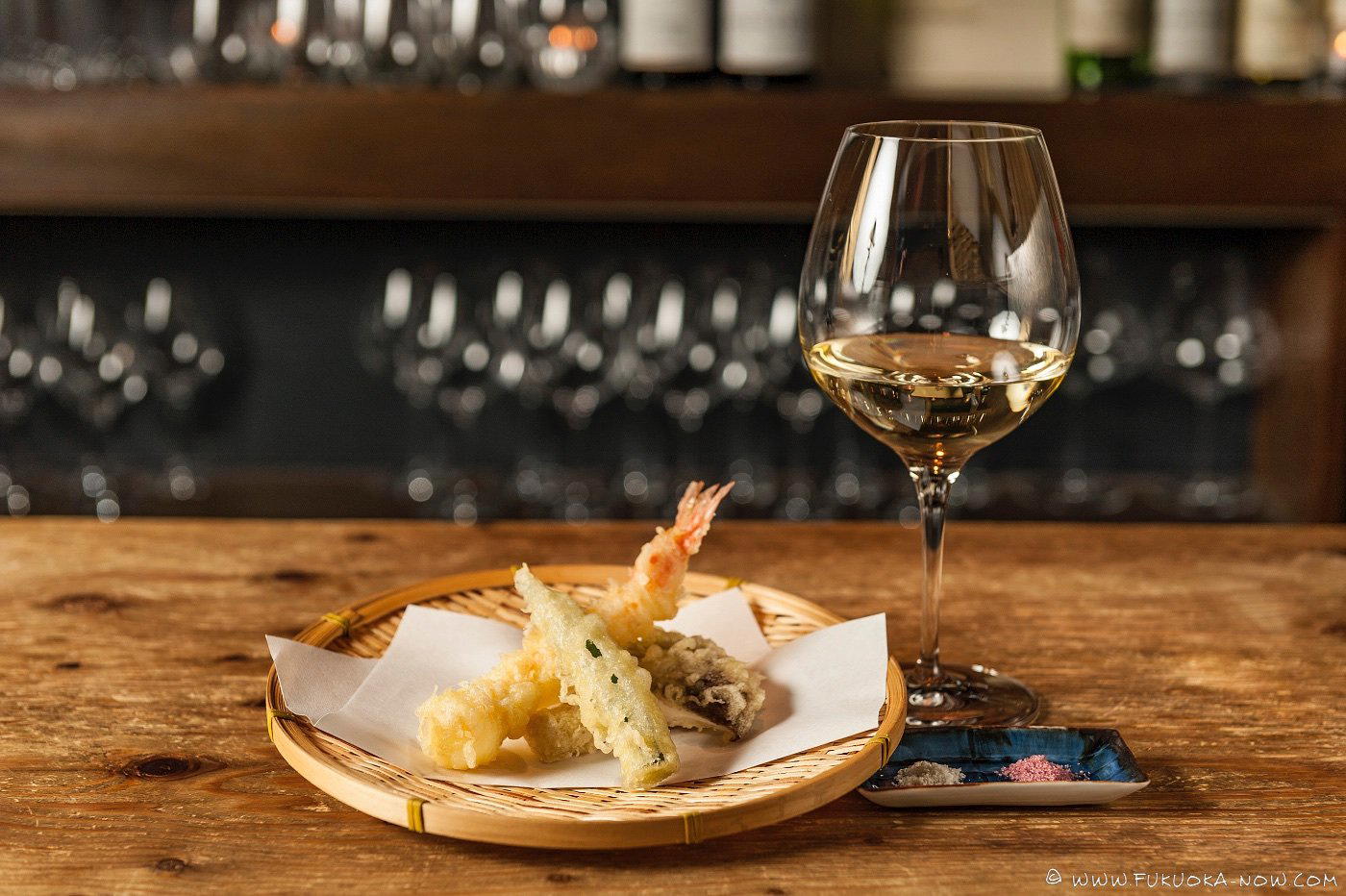
A very small, cozy third-floor hideaway izakaya with an intimate counter-style feel, relaxed conversational noise level, and a focus on enjoying well-prepared dishes and Japanese sake at a leisurely pace.