
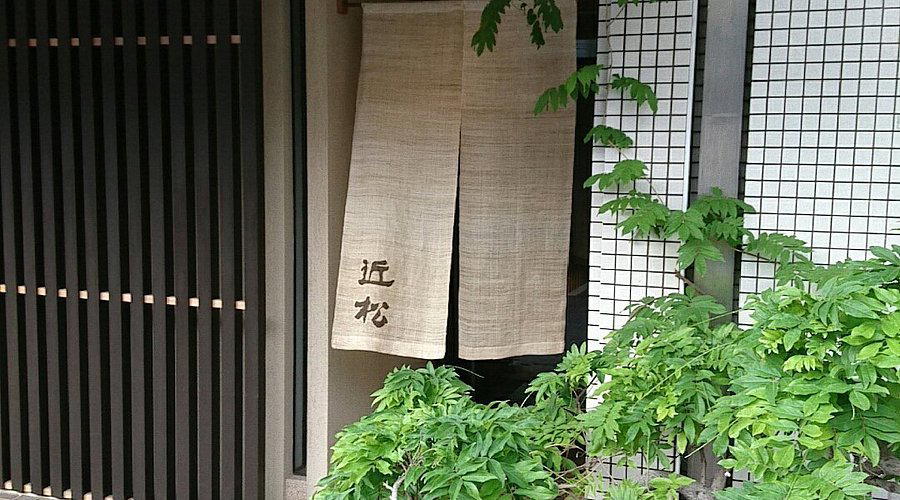
Edo Soba Wabisuke puts Fukuoka’s soba ritual into a compact Shirogane setting: counter seating, a low price band, and a 2025 Tabelog 100 Soba WEST selection. The draw is not spectacle but discipline, the kind of meal where pacing, quiet, and noodle craft matter more than ceremony for its own sake.
Pearl is the En Primeur Club membership app — saves, bookings, and concierge access live there. Same editors, same standards.
- Address
- 1 Chome-14-2 Shirogane, Chuo Ward, Fukuoka, 810-0012, Japan
- Phone
- +81 92-285-4217
- Website
- tabelog.com
 Saves & bookings on Pearl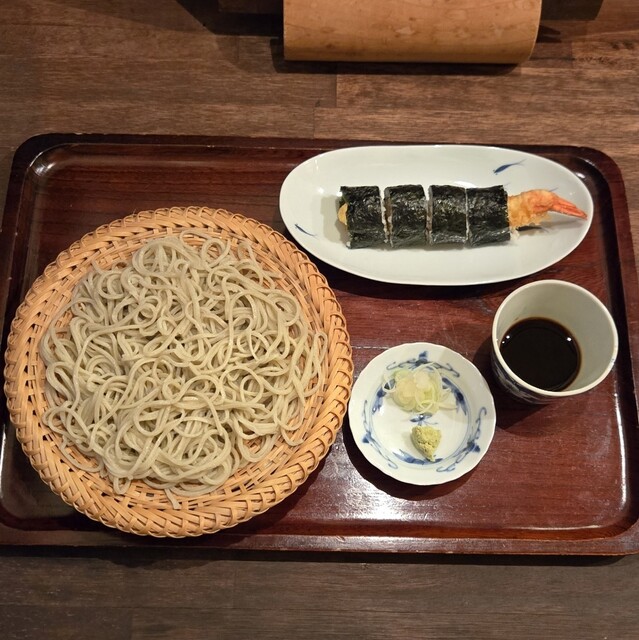
Shirogane sits just south of Fukuoka’s louder dining corridors, close enough to Yakuin to feel central but removed from the neon shorthand of Tenjin and Hakata. In that quieter register, soba makes sense. The form rewards attention rather than appetite alone: a bowl, a dipping sauce, a short window before texture changes, and a room where the meal is paced by the noodles rather than by courses arriving in procession.
Fukuoka is usually read through tonkotsu ramen, seafood izakaya, motsunabe, and late-night yatai culture. Soba occupies a different lane. It is less about local abundance than about restraint, milling, water, timing, and the etiquette of eating before the noodle loses its line. Edo Soba Wabisuke belongs to that smaller category of specialist dining in the city, with a 2025 Tabelog 100 Soba WEST selection giving it a measurable signal among western Japan’s soba addresses.
Soba in Fukuoka works when the meal stays narrow
The strongest soba rooms do not need a long menu to make their case. The dining ritual is compact: order with intent, eat while the noodles are at their intended texture, use condiments sparingly, and treat the end of the meal as part of the sequence rather than an afterthought. In a city where many meals build around convivial sharing, soba is often more solitary and exacting. That makes the category useful for travelers who want one focused meal between richer Fukuoka staples.
The price band here, JPY 1,000 to JPY 1,999 for both lunch and dinner, also matters. Fukuoka has serious dining at many levels, from everyday counters to reservation-led tasting formats, but soba at this range keeps the attention on craft rather than occasion. Compared with Kawa Ya Shirogane ten, listed in a higher JPY 2,000 to JPY 2,999 band, this sits in a leaner spending bracket while competing for diners who care about specificity over breadth. Asago, あ三五, 一本木 石橋, and Restaurant SNOW point to the city’s wider range of specialist and occasion dining, but soba works by different rules: narrower format, faster texture clock, fewer distractions.
Tabelog score of 3.69 is useful context in Japan, where user ratings tend to be compressed and a sub-four score can still indicate serious local traction. The 2025 Tabelog 100 Soba WEST selection is the stronger trust signal because it places the restaurant inside a defined regional category rather than a broad popularity contest. For a visitor, that means the meal should be read as part of a regional soba conversation, not as a generic noodle stop.
A 12-seat counter changes the tempo
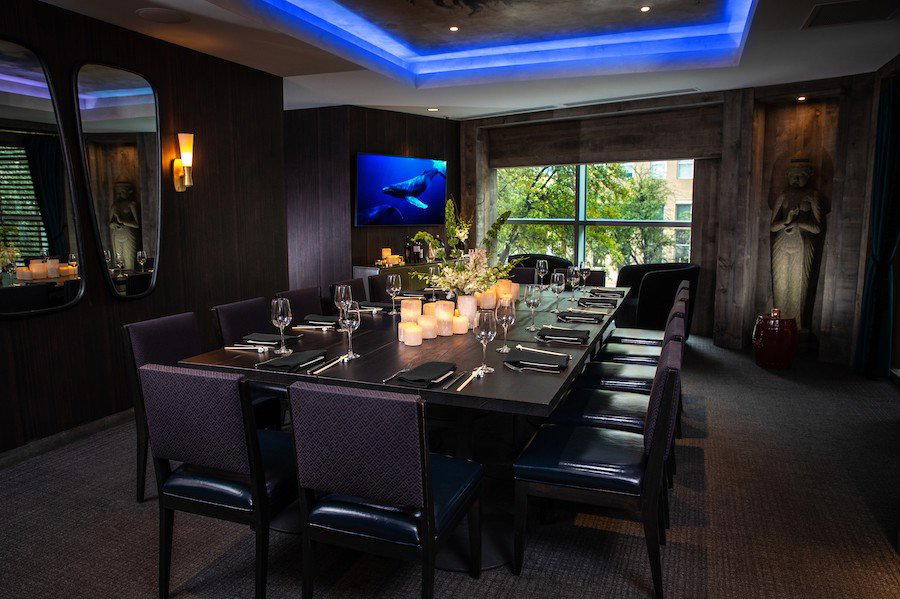
Capacity shapes behavior. With 12 seats and counter seating, the room pushes diners toward the cadence of a craft counter rather than the sprawl of a casual noodle shop. Small soba rooms often reward directness: arrive prepared to order, avoid lingering over the noodle portion, and let the kitchen’s rhythm govern the meal. This is not stiffness; it is the basic grammar of a format where timing affects the food.
The drinks tell a similar story. Sake and shochu fit the meal better than a broad beverage program would, especially in Fukuoka, where shochu is part of the wider Kyushu drinking culture. That pairing does not turn the meal into a long tasting sequence. It reinforces the point: buckwheat noodles, clean accompaniments, and a drink list that stays close to Japanese staples.
There is also a useful distinction between this kind of soba counter and Fukuoka’s many casual dining circuits. The city’s everyday restaurants can be noisy, generous, and group-oriented; soba at this scale is closer to a short-form ritual. Solo dining is a natural fit, and the format also works for two people who are comfortable with a quieter meal. For broader planning around the city, compare it with the range in Our full Fukuoka restaurants guide, then build the rest of the day through Our full Fukuoka hotels guide, Our full Fukuoka bars guide, Our full Fukuoka wineries guide, and Our full Fukuoka experiences guide.
How to place it within a Fukuoka eating day
The smart use case is not a grand dinner plan. It is a precise soba stop in a city that can otherwise pull visitors toward heavier bowls, charcoal smoke, fried seafood, and late drinks. Lunch gives the format its cleanest expression, while dinner works for diners who want a lower-key meal before or after a bar. Soba availability can end when supply runs out, so the timing logic is simple: earlier is safer than late.
The Shirogane address also makes it easy to connect with other central Fukuoka meals without treating every stop as the same kind of experience. For contrast inside the city, 106 South Indian Fukuoka tenjin ten and Afterglow show how curry has become a serious parallel track in Fukuoka dining. Aji Dokoro Taro Gen Sougyou ten, Aji Furai Shokudo Kaba, and Aji no Katsueda move the day toward local seafood and everyday Japanese cooking. Outside Fukuoka, the same appetite for focused Japanese formats can be traced through -Grilled beef Sukiyaki- KAMAKURA TANUKIAN 鎌倉 たぬき庵 in Kamakura. 鮪と炭火焼き うお炭 秋葉原店 in Tokyo.cafe in Osaka.know in Kumamoto, (Shoku) Vietnam in Kawasaki, [Curry Senmon Ten] Maruyama Kyoju. in Sapporo, Jōdo Saké Bar in Los Angeles, and Onigiri Time in Pasadena.
Edo Soba Wabisuke is strongest as a study in scale. Twelve seats, a low spending band, a regional soba award, and a format that rewards quiet concentration: these are the facts that matter. In Fukuoka, where the default food narrative often runs loud and pork-bone rich, this is a useful corrective, a meal built around timing, texture, and the discipline of stopping before excess takes over.
Cuisine Context
Comparable venues to calibrate price, style, and recognition.
| Venue | Cuisine | Price | Notes |
|---|---|---|---|
| Edo Soba WabisukeThis venue — the venue you are viewing | Traditional Edo-style soba | $$ | Not listed |
| 安春計 | Japanese Izakaya | Not listed | Chūō |
| Gen pu kan Chiyo ten | Japanese Yakiniku (BBQ) | $$ | Hakata |
| Kiharu | Traditional Fukuoka Izakaya & Seafood (Saba-focused) | $$ | Chūō |
| Motsunabe Rakutenchi Tenjin Imaizumi So-Honten | Hakata Motsunabe | $$ | Chūō |
| Shokuji to Sake Dokoro Makoto | Casual Japanese izakaya and set meals | $$ | Chūō |
Recognition history
Dated appearances from independent guides and award organizations, with the underlying list record or original source where available.
Tabelog 100 #58 · No. 58
Tabelog · Tabelog 100 - Soba - WEST - 2025
At a Glance
- Cozy
- Quiet
- Classic
- Intimate
- Solo
- Casual Hangout
- After Work
- Standalone
- Sake Program
Current opening hours
- Monday
- 11:30 AM–3 PM, 6–9 PM
- Tuesday
- Closed
- Wednesday
- 11:30 AM–3 PM, 6–9 PM
- Thursday
- 11:30 AM–3 PM, 6–9 PM
- Friday
- Closed
- Saturday
- 11:30 AM–3 PM, 6–9 PM
- Sunday
- 11:30 AM–3 PM, 6–9 PM
Hours can change for holidays and private events. Last verified .
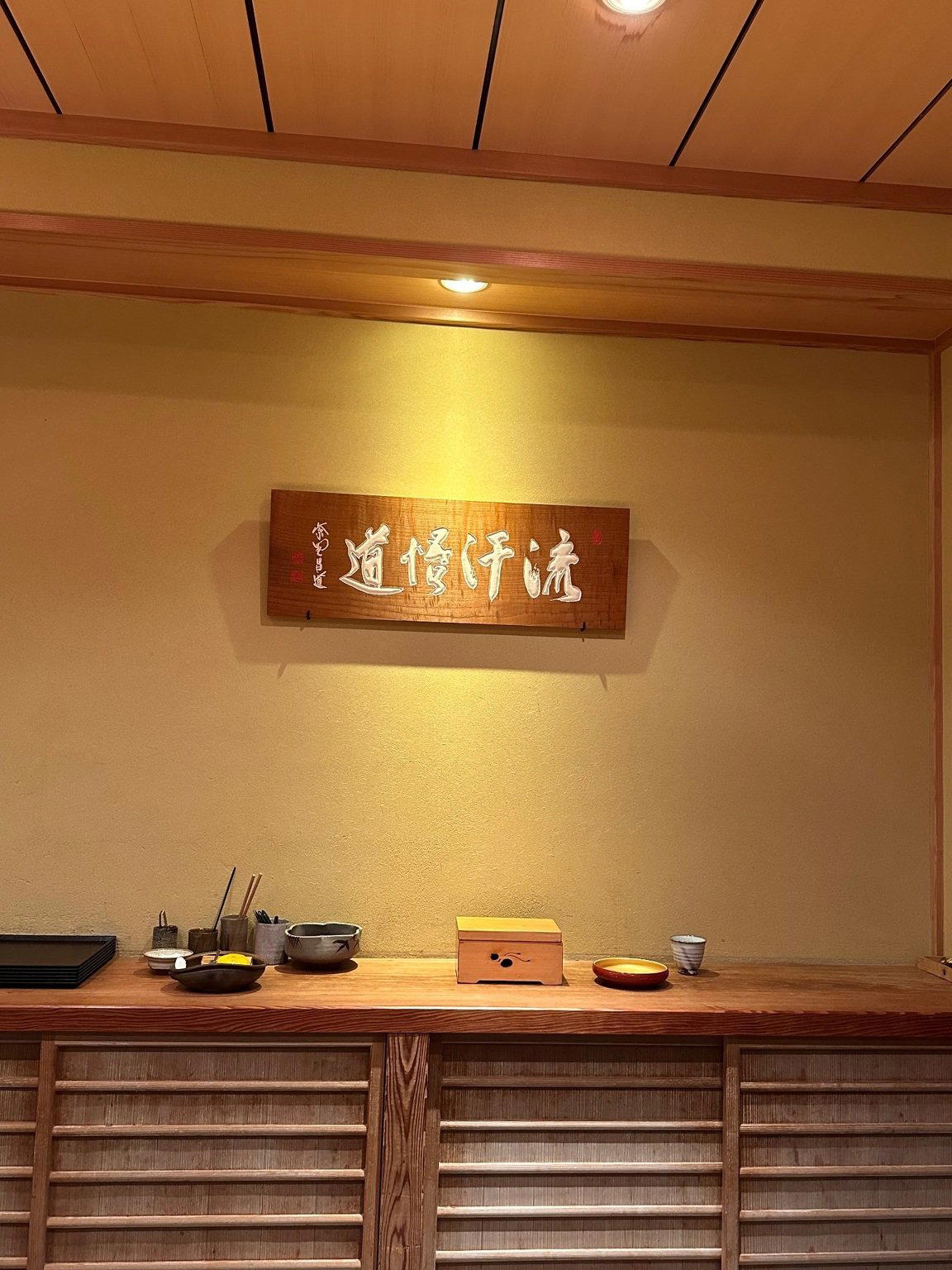
Small, 12-seat non-smoking soba shop with counter seating and a relaxing, quiet atmosphere, giving a classic neighborhood feel focused on the craft of soba rather than décor.