
Tsukiyoshi belongs to Fukuoka’s small-format izakaya culture, where drinking food, noodles, sake and shochu sit closer to everyday craft than ceremony. Its Tabelog 100 Izakaya WEST 2025 selection and compact counter-led room place it in a serious local bracket without pushing it into luxury-restaurant theatre.
Pearl is the En Primeur Club membership app — saves, bookings, and concierge access live there. Same editors, same standards.
- Address
- 5-7 Susakimachi, Hakata Ward, Fukuoka, 812-0028, Japan
- Phone
- +81 92-282-4030
- Website
- japoncompany.business
 Saves & bookings on Pearl
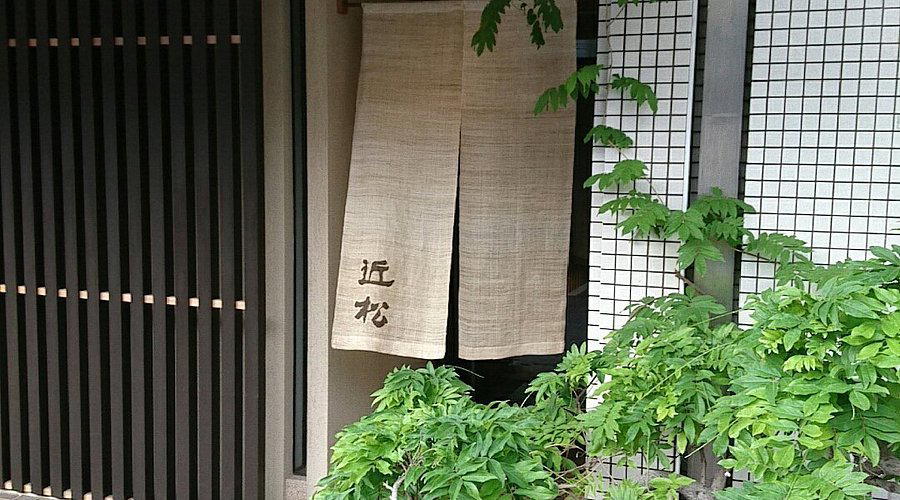
Approach Fukuoka’s older izakaya rooms and the clues are usually modest: a tight entrance, a counter within view, regulars reading the pace before they read the menu. Tsukiyoshi fits that grammar. The setting is not designed to compete with hotel dining rooms or chef-counter tasting menus; its value lies in the smaller Kyushu tradition of places where sake, shochu, udon and drinking food are treated as a single evening rather than separate categories.
That distinction matters in Fukuoka. The city’s dining reputation is often compressed into ramen, yatai and seafood, but its more useful map is broader: casual rooms with sharp sourcing instincts, neighborhood counters that cook for repeat drinkers, and specialists that do one narrow thing with discipline. For a wider scan of that range, Our full Fukuoka restaurants guide is the better starting point; Tsukiyoshi belongs to the izakaya end of that map, not the polished French or teppanyaki tier.
Where Fukuoka izakaya culture meets udon discipline
Izakaya in western Japan can be misunderstood by travelers as a loose category for casual drinking. In practice, the stronger rooms are judged by control: how food supports alcohol, how quickly a counter can move, how much range can sit inside a small kitchen, and whether the final bowl of noodles feels like an afterthought or the point of the night. Tsukiyoshi’s listed categories, izakaya and udon, put it in that hybrid lane.
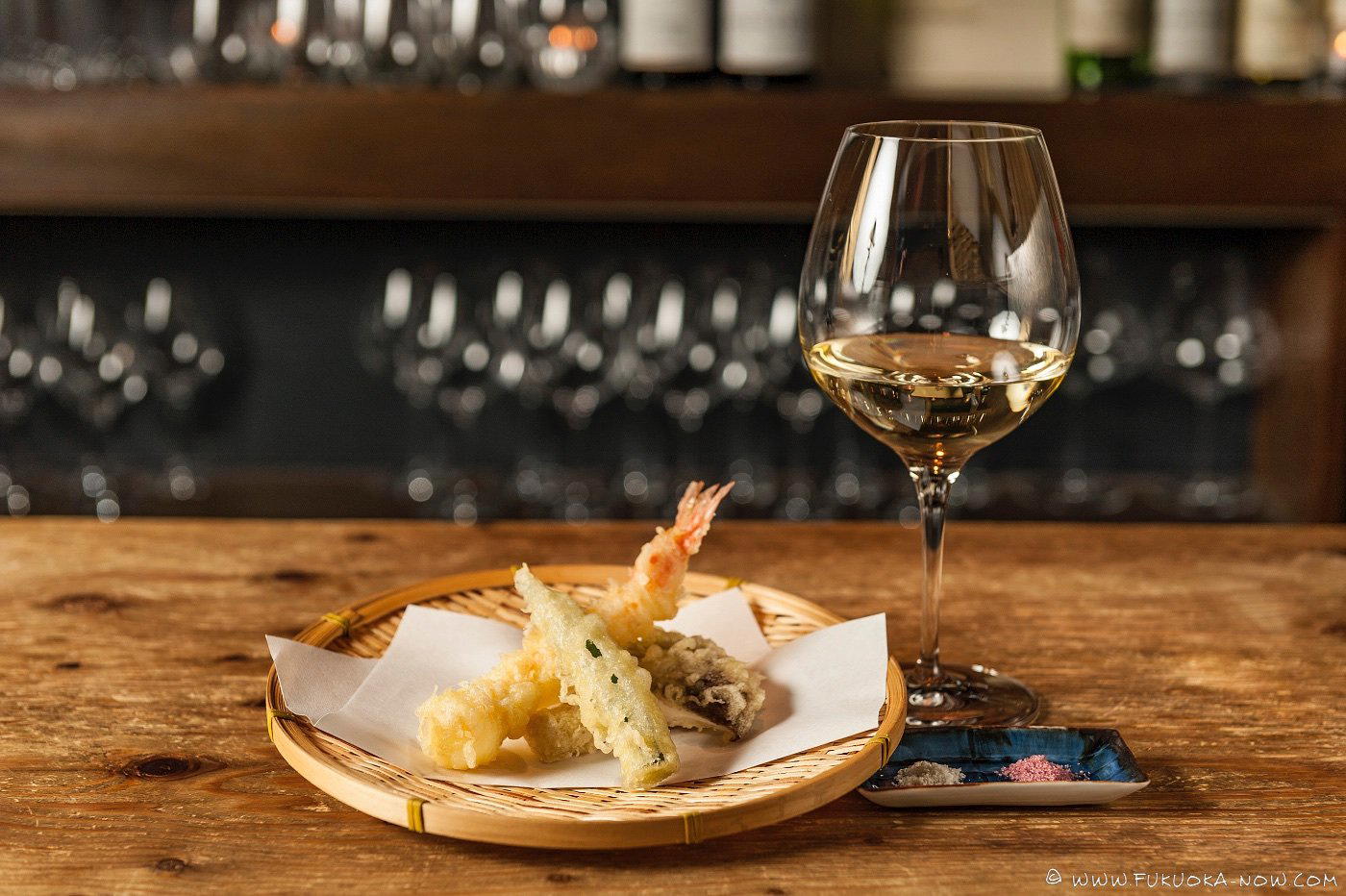
The ingredient story here is less about luxury sourcing language and more about Kyushu’s drinking-table logic. Fukuoka sits close to productive fishing ports, vegetable-growing areas and shochu country, and its casual restaurants often express that geography through compact menus rather than long explanations. Sake and shochu are part of the structure, not decoration. Udon also carries local weight: Fukuoka has an older udon culture than many visitors expect, with softer textures and everyday noodle shops woven into the city’s rhythm. In an izakaya context, udon changes the arc of dinner, giving the room a built-in finish that differs from skewers-only or seafood-only formats.
The Tabelog 100 Izakaya WEST 2025 selection gives the room a useful external marker. Tabelog’s Hyakumeiten lists tend to reward sustained local approval within a category rather than imported luxury codes, which makes the recognition especially relevant for an izakaya. A score of 3.73 on Tabelog also signals serious traction in Japan’s rating culture, where high scores are harder to accumulate than they may look to diners used to five-star review inflation.
A small room changes the way the meal works
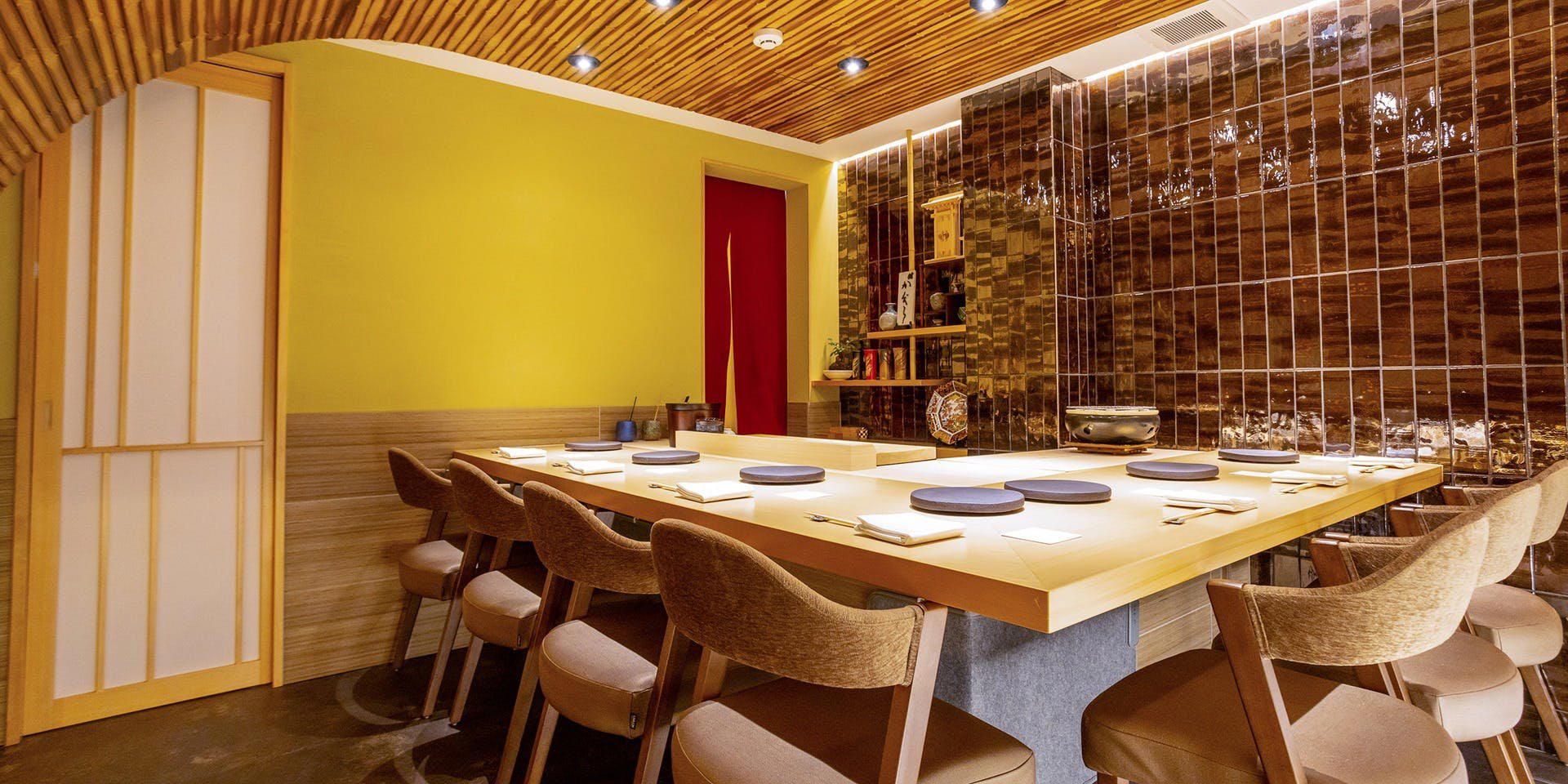
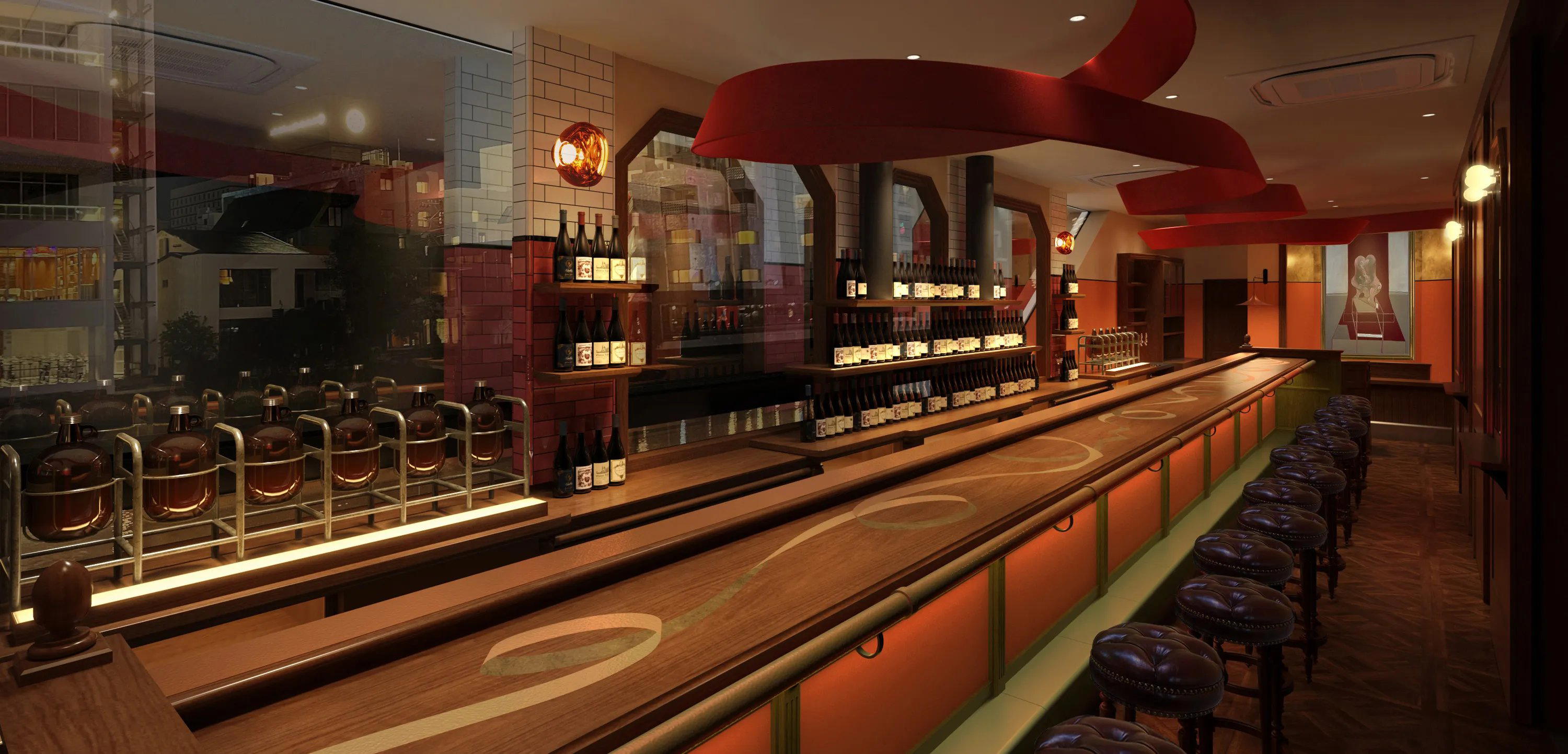
Format is compact: 20 seats, including 12 at the counter, plus table and raised-platform seating. That ratio matters. Counter-heavy izakaya are less anonymous than larger taverns, and the kitchen’s timing becomes part of the meal. It is a different proposition from Restaurant Hiramatsu Hakata or Teppanyaki Sazanka, where higher-price formats bring ceremony, pacing and a more formal sense of occasion. It also differs from the yatai-associated energy around Suzaki Yatai Kajishika, where the city’s outdoor-stall tradition shapes expectations before the first order is placed.
Tsukiyoshi sits closer to the local-drinking-room model than to destination dining. That does not make it casual in the careless sense. In Japan, the durable izakaya is often a demanding format: it has to satisfy people who are eating, drinking, lingering and closing the night, sometimes all at once. The food needs enough precision to justify repeat use, but not so much performance that it breaks the mood. The udon element gives this room a clearer identity than a generic tavern, particularly for travelers trying to understand Fukuoka beyond ramen.
The comparison inside Fukuoka is useful. Dai 8 Yachiyo Maru points toward a seafood-driven izakaya register, Narayamachi Ao sits in a more contemporary local conversation, and the city’s higher-budget rooms ask diners to commit to a different kind of evening. Tsukiyoshi occupies the narrower middle: recognized, compact, ingredient-aware, and grounded in drinking culture rather than luxury signaling.
How to place it in a Fukuoka itinerary
This is the kind of address that works when the goal is to read Fukuoka through its everyday dining habits rather than check off a single famous dish. Visitors building a broader food trip might pair this category with curry at Afterglow, South Indian cooking at 106 South Indian Fukuoka tenjin ten, fried horse mackerel at Aji Furai Shokudo Kaba, local set-meal culture at Aji no Katsueda, or traditional drinking food at Aji Dokoro Taro Gen Sougyou ten. That spread says more about Fukuoka than a single premium reservation.
For planning around the meal, the broader city rails help: Our full Fukuoka hotels guide for where to stay, Our full Fukuoka bars guide for drinking after dinner, Our full Fukuoka experiences guide for cultural context, and Our full Fukuoka wineries guide for a wider beverage map. The practical appeal is simple: a compact izakaya with outside recognition and a noodle spine offers a cleaner reading of local appetite than another generic night out in a larger entertainment district.
Readers comparing Japanese casual dining across cities can also look beyond Fukuoka: -Grilled beef Sukiyaki- KAMAKURA TANUKIAN 鎌倉 たぬき庵 in Kamakura,. 鮪と炭火焼き うお炭 秋葉原店 in Tokyo,.cafe in Osaka,.know in Kumamoto, (Shoku) Vietnam in Kawasaki, [Curry Senmon Ten] Maruyama Kyoju. in Sapporo, Jōdo Saké Bar in Los Angeles, and Onigiri Time in Pasadena. The point is not that these rooms are direct peers, but that casual Japanese formats travel badly when reduced to labels. Tsukiyoshi is better understood through its category discipline: izakaya first, udon close behind, and Fukuoka’s ingredient economy underneath.
At-a-Glance Comparison
Nearby venues at a similar price tier for orientation.
| Venue | Cuisine | Price | Awards | Notes |
|---|---|---|---|---|
| TsukiyoshiThis venue — the venue you are viewing | Udon izakaya | $$ | , | |
| Mengekijo Genei (麺劇場 玄瑛) | Hakata Tonkotsu Ramen | $$ | , | Yakuin |
| Yakitori Inada | Traditional Yakitori & Izakaya | $$ | , | Hakata |
| Suzaki Yatai Kajishika | Hakata Yatai Izakaya | $$ | , | Hakata |
| 奈良屋町 青 | Japanese Izakaya | , | , | Hakata |
| Daikoro Youha / Tonkatsu Youha | Tonkatsu & Japanese Izakaya | $$ | , | Chūō |
At a Glance
- Cozy
- Lively
- Hidden Gem
- Intimate
- Classic
- After Work
- Casual Hangout
- Group Dining
- Solo
- Late Night
- Standalone
- Sake Program
- Beer Program
Cozy, old-school noodle tavern atmosphere in a converted house, with counter-focused seating, lively but relaxed energy in the evenings, and a local, regulars-heavy crowd.