Our verdict
Sushi Nagi operates in Niseko, Hokkaido, where proximity to the island's fishing ports and mountain agriculture shapes what arrives at the counter. The surrounding Shiribeshi region supplies some of Japan's most closely watched seafood, and a sushi counter here draws from that infrastructure in ways that differ materially from urban peers in Tokyo or Sapporo.

Pearl is the En Primeur Club membership app, where members save venues, book tables and use the concierge.

Hokkaido's Ingredient Geography, at the Counter
There is a particular kind of sushi restaurant that only makes sense when you understand where it sits in relation to the water. Niseko, known internationally for its winter snowfall and ski terrain, occupies a position in western Hokkaido's Shiribeshi region that puts it within reach of some of the most closely watched fishing grounds in Japan. The Sea of Japan coast to the west yields uni, crab, and cold-water flatfish. The waters off the Shakotan Peninsula, less than an hour from Niseko by road, produce the sea urchin that Tokyo's high-end sushi counters import at a premium. Sushi Nagi, based in Niseko-cho, is positioned inside that supply radius in a way that urban competitors in Sapporo or further south simply are not.
That geographic fact is not incidental to what a sushi counter in this location offers. It is the organizing logic of the entire operation. Hokkaido's cold waters slow the metabolism of marine life, producing firmer texture and higher fat content in fish and shellfish across the board. The same environmental conditions that make the island's dairy sector dominant in Japan also shape its seafood quality. A sushi counter drawing from local Hokkaido sources is working with ingredient stock that differs from what even a well-resourced Tokyo counter can access on the same morning.
The Niseko Setting and What It Means for Dining
Niseko's dining scene has expanded considerably since the resort town attracted significant international investment through the 2010s. The town now holds restaurants serving a range of cuisines at different price points, with visitors arriving from Australia, Southeast Asia, and increasingly from further afield during both winter and summer seasons. That international profile has changed what local restaurants need to deliver: there is now a sophisticated visitor base that has eaten at counters in Tokyo and Osaka and arrives with a calibrated sense of what quality sushi requires.
Among Niseko's options, visitors can find contrasting approaches. Yukibana and The Lookout Cafe sit in the town's broader dining mix, while DEL SOLE represents an Italian direction. For visitors specifically seeking sushi, そば処楽一 (楽一) covers the traditional Japanese register from a different angle. Sushi Nagi operates within this context as a counter anchored to the seafood traditions that the surrounding region actually supports. For a full picture of the town's options, the our full ニセコ町 restaurants guide maps the range.
Sourcing as the Editorial Point
Japanese sushi at the highest tier depends on a supply chain that is extremely compressed in time and distance. The counters that achieve recognition from sources like Michelin or the Tabelog rankings share a common infrastructure: direct relationships with specific fishing boats, markets, or regional wholesalers who reserve first-grade product. Hokkaido's Tsukiji-equivalent, Sapporo Chuo Ichiba, handles significant volume from the island's coasts, but the most prized Hokkaido seafood, including Shakotan uni and Rausu kelp-fed fish from the Nemuro Strait side, moves through relationships that bypass open-market pricing.
A counter in Niseko operating with local sourcing priorities has a structural advantage over counters that must import the same product to Tokyo or Osaka. The comparison is relevant: Harutaka in Tokyo operates at the top of the Tokyo omakase tier with sourcing relationships that cross the country; Gion Sasaki in Kyoto works within Kyoto's kaiseki and sushi traditions with its own regional sourcing logic. In Hokkaido, proximity to source is not a marketing point but a logistical reality that shows up in what reaches the plate and when.
Further afield, the contrast sharpens. HAJIME in Osaka and Goh in Fukuoka each work within their city's specific sourcing ecosystems, as does akordu in Nara within a different genre entirely. In Hokkaido specifically, 古代山乃幸 in Sapporo is another reference point for how the island's ingredient wealth translates to restaurant experience. The point across all these comparisons is that sourcing geography is not uniform across Japan, and a counter in Niseko operates within one of the country's most ingredient-rich supply zones.
Placing Niseko Sushi in the Wider Japanese Counter Context
Japan's sushi counter culture has stratified sharply over the past decade. At the upper tier, counters in Tokyo and Osaka command prices comparable to European fine dining, with eight-to-twelve-seat omakase formats booking out weeks or months in advance. Venues like Le Bernardin in New York City or Atomix in New York City illustrate how the international appetite for high-investment tasting formats has migrated across cuisines and continents, but the Japanese counter retains its own distinct logic: the relationship between chef, fish, and season is the organizing principle, not the room or the service choreography.
Regional counters in Hokkaido sit in a different part of that stratification. They are not typically priced against Tokyo peers, and their recognition tends to be more local and word-of-mouth than award-driven. Across Japan's broader regional tier, places like 一本木 魚川製 in Nanao, 湖畔荘 in Takashima, 羽根屋 in Nishikawa Machi, Birdland in Sakai, and Bistro Ange in Toyohashi represent the depth of Japan's regional dining culture outside the major city circuits. Niseko's sushi offer, including Sushi Nagi, fits within that regional tier: defined more by ingredient access and local knowledge than by formal recognition infrastructure.
Planning a Visit
Niseko-cho is most accessible by road or rail from Sapporo, with New Chitose Airport serving as the primary gateway to western Hokkaido. The drive from Sapporo takes approximately two hours depending on season and conditions, with winter road travel requiring appropriate preparation. The town's restaurant scene operates across both ski season (roughly December through March) and a shorter but increasingly active summer season. Visitors planning around dining specifically should confirm operating schedules directly, as seasonal closures and adjusted hours are common across the town's restaurant sector.
Frequently asked questions
Can I bring kids to Sushi Nagi?
Sushi counter formats in Japan generally suit older children and adults who can sit at the counter for the duration of a meal. Niseko-cho has a broader restaurant mix that accommodates younger families, but a counter setting in a focused sushi restaurant is better suited to diners comfortable with that format. If you are travelling with young children, it is worth contacting the venue directly before booking.
Is Sushi Nagi formal or casual?
Regional sushi counters in Hokkaido towns like Niseko-cho typically occupy a middle register: attentive service without the ceremonial formality of Tokyo's top-tier counters. Expect a focused, quiet atmosphere where the food is the priority, but without the dress codes associated with Ginza or Minami omakase rooms. Clean, presentable clothing is appropriate.
Why is dining at a sushi counter in Niseko-cho different from eating sushi in Sapporo?
The difference is primarily one of supply chain distance. Niseko-cho sits within the Shiribeshi subprefecture, which puts it closer to the Nihonkai fishing ports than Sapporo's Chuo-ku wholesale channels. A counter operating locally can receive fish on shorter timelines, which matters in a cuisine where hours between catch and service are a quality variable. Sapporo has the infrastructure and prestige counters, but Niseko has the proximity.
What's Sushi Nagi's location?
Sushi Nagi is located at ニセコ町, 北海道, ニセコ町.
Can I walk in to Sushi Nagi?
During Niseko's peak ski season, walk-in availability at sit-down restaurants becomes significantly constrained across the town, and sushi counters typically have limited seats by format. Arriving without a reservation is a risk worth avoiding in high season; contacting the venue in advance is the reliable approach.
At-a-Glance Comparison
| Venue | Cuisine | Price |
|---|---|---|
| Sushi NagiThis venue (the venue you are viewing) | Traditional Japanese Sushi Omakase | $150–200 |
| DEL SOLE | Authentic Neapolitan Pizza | $20–30 |
| The Lookout Cafe | Ski Resort Café | $10–20 |
| Yukibana | Seasonal Japanese and French Fine Dining | Not listed |
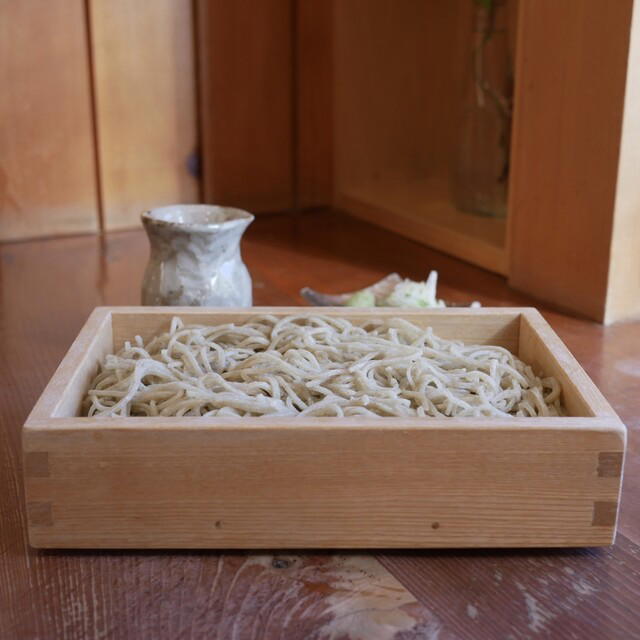
| そば処楽一 (楽一) | Traditional Hokkaido Soba Kaiseki | $50–100 |
Continue exploring
More in Niseko
Restaurants in Niseko
All restaurants in Niseko →
Hotels in Niseko
All hotels in Niseko →
Wineries in Niseko
Browse all →
Details
- Intimate
- Elegant
- Sophisticated
- Quiet
- Special Occasion
- Date Night
- Celebration
- Solo
- Chefs Counter
- Hotel Restaurant
- Local Sourcing
- Omakase
- Counter Dining
- Set Menu
- Pescatarian Friendly
Current opening hours
- Monday
- 5–9 PM
- Tuesday
- 5–9 PM
- Wednesday
- Closed
- Thursday
- 5–9 PM
- Friday
- 5–9 PM
- Saturday
- 5–9 PM
- Sunday
- Closed
Hours can change for holidays and private events. Hours as of .
Intimate and refined, with a quiet counter-dining atmosphere suited to a focused omakase experience.