
Michelin Guide New Hotels New Hotel · Michelin Selected
A Michelin Selected ryokan in Kaike Onsen, Yonago, Yado Shiontei sits within one of the San'in coast's most established hot spring districts, where the architecture and guest experience follow the disciplined spatial logic of traditional Japanese inn design. The property represents a quieter tier of Japan's premium ryokan circuit, positioned away from the heavily trafficked resort corridors of Hakone or Kyoto.

Pearl is the En Primeur Club membership app, where members save venues, book tables and use the concierge.
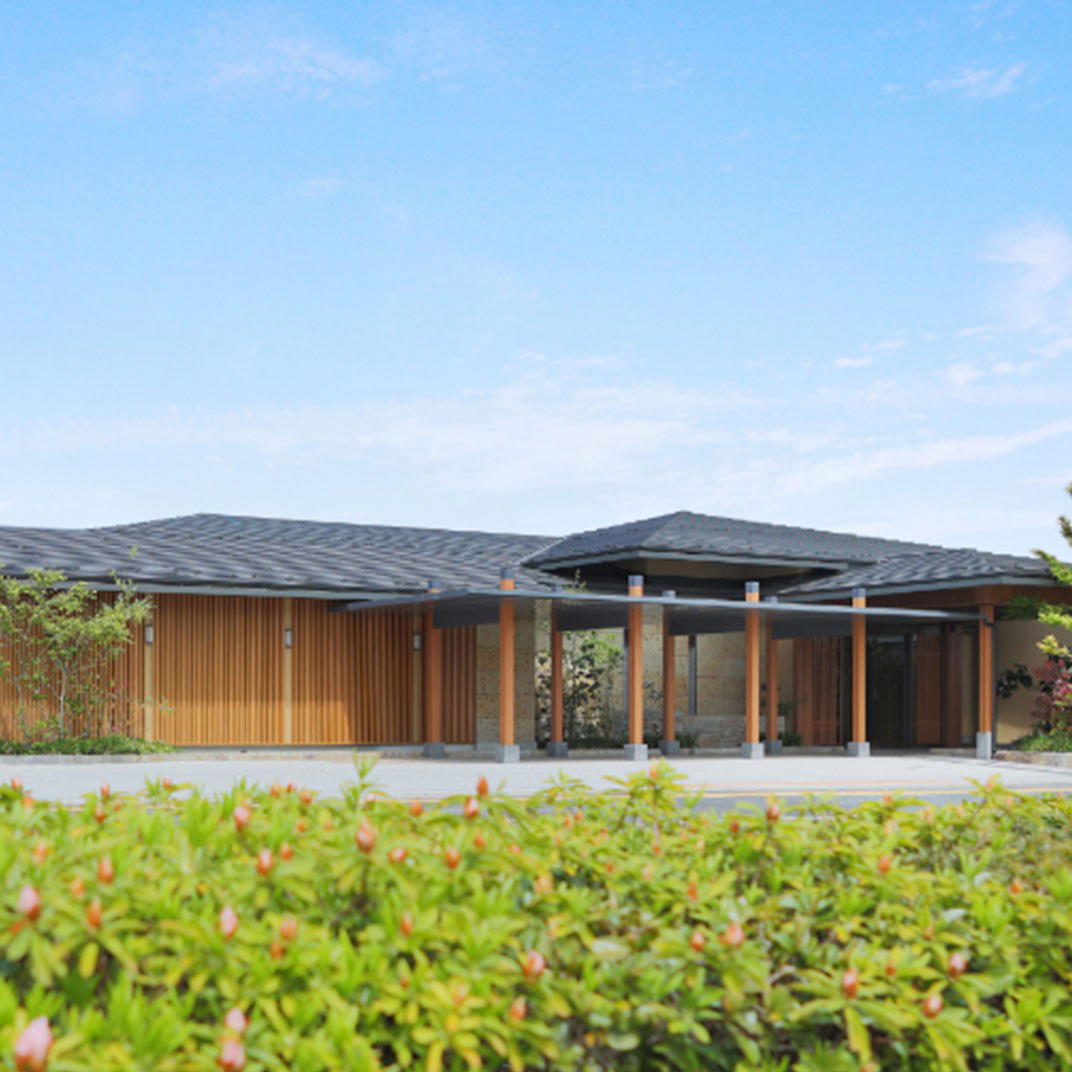
A Spa Town With a Different Tempo
Kaike Onsen occupies a narrow strip of land on the western edge of Yonago, where Tottori Prefecture meets the Sea of Japan and the low silhouette of Daisen volcano anchors the inland horizon. It is not a destination that appears on the standard Shinkansen itinerary. The hot spring town developed through the twentieth century as a local retreat rather than an international resort, and that origin still shapes its character: the architecture is measured, the streetscape unhurried, and the guest mix skews toward Japanese travellers who know the district by reputation rather than by algorithm. Within that context, Yado Shiontei holds Michelin Selected status in the 2025 Michelin Guide's hotels and stays list, a recognition that places it in the curated tier of ryokan worth planning a trip around, rather than simply stopping at.
What Michelin Selection Signals in the Ryokan Category
Michelin's hotel selection process for Japan evaluates properties across comfort, architecture, service consistency, and fit between setting and guest experience. A Michelin Selected designation does not carry the star hierarchy of the restaurant guide, but within the ryokan sector it functions as a meaningful peer marker: properties carrying it tend to share a commitment to spatial coherence, attentive hospitality pacing, and either strong architectural character or a notable relationship with their natural surroundings. In the 2025 list, Yado Shiontei appears alongside properties that operate in a similar register, smaller, independently positioned inns in secondary or tertiary destinations, distinguished by depth of experience rather than headline facilities. Travellers who use the Michelin hotel guide as a planning tool will find Shiontei grouped with properties that reward deliberate choice over convenience booking.
The Design Logic of a Kaike Onsen Property
Ryokan architecture in a coastal onsen town like Kaike follows conventions distinct from mountain retreat formats. Where inland properties such as Gora Kadan in Hakone or Zaborin in Kutchan position themselves against forested terrain and frame views through careful aperture, coastal ryokan engage with a different spatial vocabulary: the horizontal line of the sea, the quality of reflected light off water, and the particular way salt air interacts with timber and stone. The Kaike district sits on a coastal shelf, and properties here have historically oriented their bathing and common spaces toward this open geography. The relationship between the enclosed, warm interior and the exposed seafront is part of what defines the sensory architecture of the experience.
Traditional ryokan design in Japan operates through restraint rather than accumulation. Rooms are sized by tatami module, materials are drawn from a limited palette of natural finishes, and the progression through the inn, from entry to changing room to bath to dining, is treated as a spatial sequence with its own pacing. This is not incidental to the stay; it is the stay. Properties that do this well, and that earn Michelin recognition in the process, tend to understand that the guest's experience of moving through the building is as important as any single room's finish quality.
Kaike Onsen in the San'in Ryokan Circuit
The San'in region, covering Tottori and Shimane prefectures along Japan's Japan Sea coast, is frequently discussed as an undervisited stretch of the country, and that assessment holds in the context of international travel patterns. Domestic Japanese travellers have a different map: Kaike is known in the Chugoku region as a functional hot spring destination with a long operating history, and properties like Yado Shiontei benefit from that local knowledge base even when international profile is limited. This is a different positioning from the Michelin Selected properties in Kinosaki-cho or from higher-profile counterparts along the San'in coast, but it is not a lesser one. The reduced international traffic often correlates with more consistent service rhythms and a less pressured booking calendar outside peak domestic travel windows.
For reference, compare the general positioning of Kaike against other Michelin Selected or similarly recognised properties in Japan: Asaba in Izu, Kamenoi Besso in Yufu, and Sekitei in Hatsukaichi-shi each operate in smaller or secondary destinations where the quality of the property outpaces the destination's headline recognition. Yado Shiontei occupies a comparable position in the San'in circuit.
Arriving and Planning the Stay
Yonago is accessible from Osaka via the JR Super Hakuto limited express, a journey of roughly two and a half hours, or from Tottori via regional rail. Yonago also has a small airport with domestic connections to Tokyo Haneda and several other cities, which makes it viable as an entry or exit point for a San'in loop. The Kaike Onsen area is a short taxi or bus ride from Yonago Station. As with most ryokan in Japan, arrival timing is structured around the kaiseki meal service, and guests are expected to book dinner as part of the stay. Advance reservation is standard practice; while no specific booking window data is available for Shiontei, properties at this tier in comparable onsen towns typically book several weeks ahead during autumn foliage and Golden Week periods.
Travellers building a broader Japan itinerary that includes premium ryokan may wish to read our coverage of comparable properties: Fufu Nikko in Nikko, Fufu Kawaguchiko in Fujikawaguchiko, and Fufu Kyu-Karuizawa Restful Forest in Karuizawa cover the Fufu group's model across different landscapes. For design-led rural properties, Satoyama-Jujo in Niigata and Nasu Mukunone in Nasu offer useful reference points. The full range of Michelin Selected hotels in Japan also encompasses urban properties at a different price register: HOTEL THE MITSUI KYOTO in Kyoto, Bvlgari Hotel Tokyo, and Amanemu in Mie occupy different tiers of the same guide. See our full Yonago restaurants and hotels guide for broader city context.
Side-by-Side Snapshot
Comparable venues nearby, for context on price, style, and recognition.
| Venue | Cuisine | Price | Awards | Notes |
|---|---|---|---|---|
| Yado ShionteiThis venue (the venue you are viewing) | Luxury traditional Japanese ryokan with contemporary comfort and private spaces. | Not listed | Michelin Guide New Hotels New Hotel · Michelin Selected | Not listed |
| 別邸仙寿庵 | Modern luxury ryokan fusing contemporary architecture with traditional Japanese hospitality | Not listed | Not listed | Tanigawa |
| REF Kumamoto by VESSEL HOTELS | New brand blending local Kumamoto culture with contemporary urban design | $1–100 | Michelin Selected | Chuo-ku |
| 観水庭 こぜにや | Traditional Japanese ryokan with heritage roots dating to 1948, positioned as an intimate boutique property emphasizing authentic hospitality and natural hot spring wellness. | Not listed | 4-Star | Eiraku Onsen |
| 扉温泉 明神館 | Traditional Japanese ryokan with modern renovations | Not listed | 4-Star | 入山辺 |
| The Atta Terrace Club Towers | luxury adults-only resort perched on coastal highlands | $200–300 | Michelin Selected | Afuso |
Recognition history
Dated appearances from independent guides and award organizations, with the underlying list record or original source where available.
Michelin Guide New Hotels New Hotel
Michelin Guide New Hotels
Michelin Selected
Michelin
Continue exploring
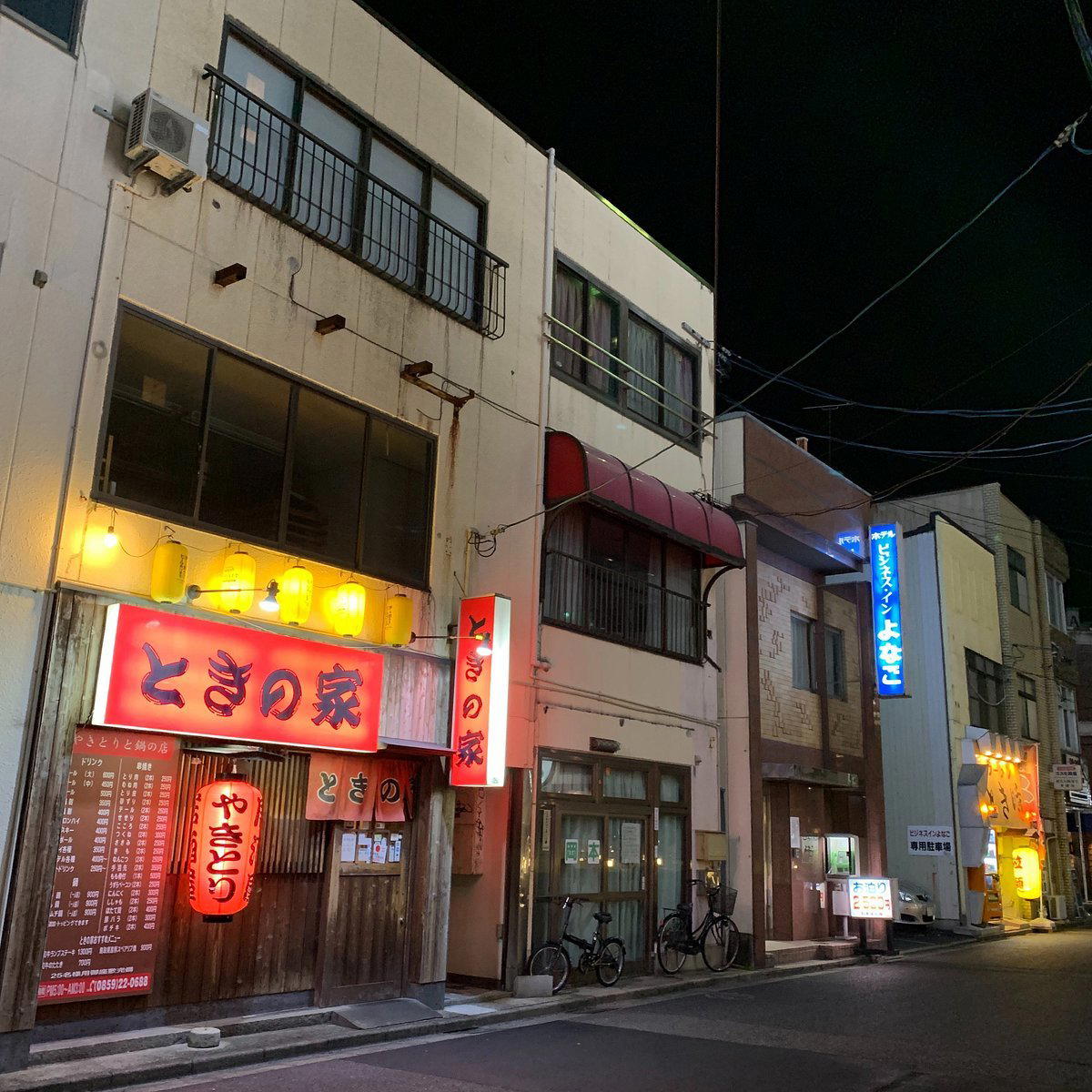
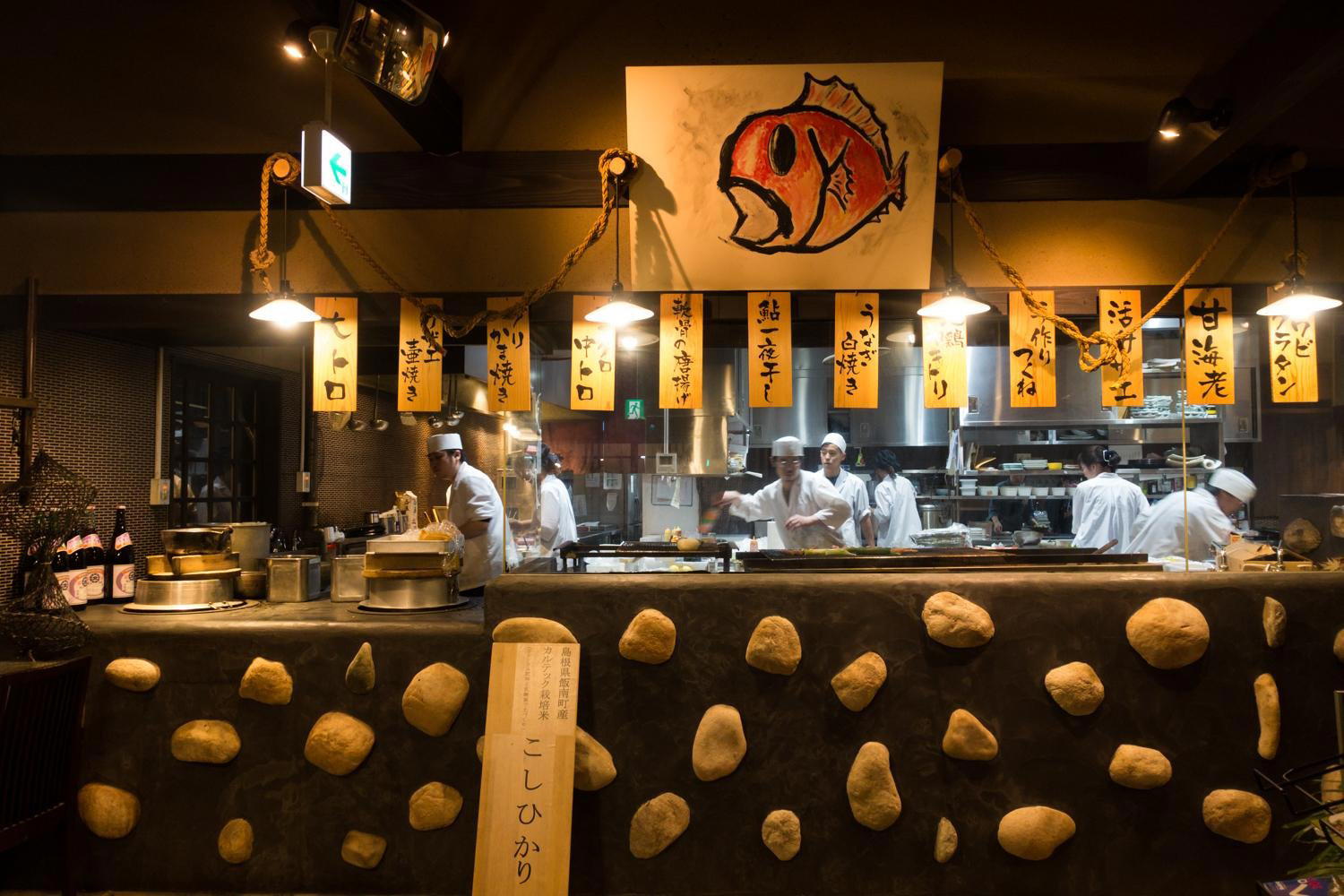
More in Yonago
Hotels in Yonago
All hotels in Yonago →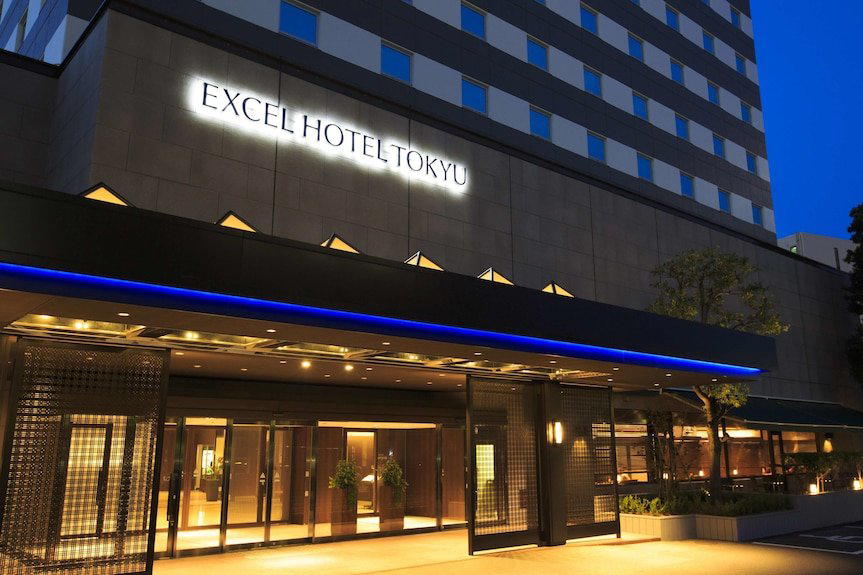
Details
- Romantic
- Quiet
- Elegant
- Intimate
- Scenic
- Romantic Getaway
- Honeymoon
- Wellness Retreat
- Anniversary
- Private Villa
- Destination Spa
- Garden
- Terrace
- Panoramic View
- Private Dining
- Wi Fi
- Spa
- Valet Parking
- EV Charging
- Restaurant
- Luggage Storage
- 24 Hour Front Desk
An oasis of tranquility inside despite modest exterior; serene and peaceful with traditional Japanese aesthetic and natural hot spring ambiance.